
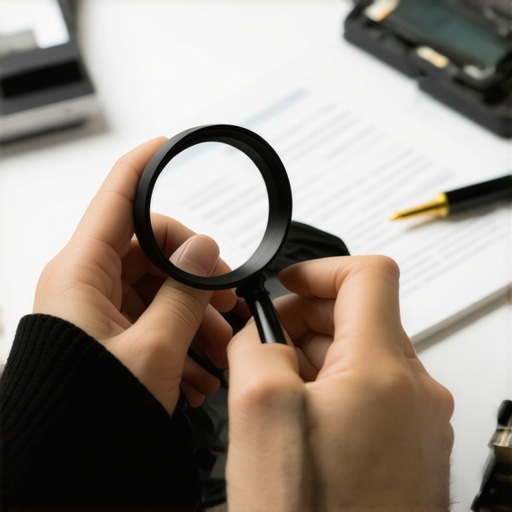
I remember the sinking feeling in my stomach when my brand-new washing machine suddenly stopped working just a few months after I bought it. Frustration, confusion, and a dash of helplessness took over because I wasn’t sure how to even prove that the defect was on the manufacturer’s end, not mine. That moment was a lightbulb for me—understanding the ins and outs of warranty claims isn’t just for technicians or legal pros; it’s something every consumer should know.
Why Showing a Manufacturer Fault Can Feel Like an Uphill Battle
When appliances act up, many folks just assume the warranty will cover repairs or replacements without much fuss. Reality, however, is often messier. Manufacturers aren’t eager to pay out large claims, especially if they suspect user error or hidden damages. My early mistake was assuming a simple phone call or a quick online claim would suffice, but I quickly learned that proving a defect requires a bit of a strategic approach.
Research shows that nearly 40% of warranty disputes stem from insufficient proof of manufacturer defect, making it crucial to understand what evidence is needed. If you’ve faced similar troubles, keep reading. I’ll share what I’ve learned through trial, error, and a lot of research—to help you confidently navigate your warranty claim and avoid a dead end.
Making Your Case: What You Need to Show a Manufacturer Defect
Is It Really Worth the Effort?
My biggest setback was not documenting the problem thoroughly from the start. I soon realized that a lack of clear, detailed evidence can make or break your claim. It’s a classic mistake. I thought that showing the defective appliance was enough—think photos, videos, and detailed descriptions are all you need. But manufacturers often demand specific proof that the defect is structural, manufacturing-related, or otherwise covered under warranty.
For example, if your refrigerator’s compressor fails without any external damage or misuse, capturing the defect with high-quality photos that clearly contrast normal operation with the problem is vital. Modern appliances sometimes have diagnostic indicators or error codes—knowing how to interpret and record these can be game-changers. Remember, detailed documentation combined with a well-prepared repair history significantly boosts your chances of success. Need some guidance on the right steps? Check out [this comprehensive guide](https://discountappliancehub.com/expert-guide-to-appliance-repair-and-installation-today) to prepare your claim effectively.
By ensuring you gather the right evidence early, you’re setting yourself up for a more straightforward resolution. Next, I’ll walk you through the specific steps to assemble your proof and present your case confidently—so stay tuned.
Gather Crystal-Clear Evidence immediately after the issue arises
When your appliance starts malfunctioning, act quickly to document the problem. Use your smartphone to record high-resolution photos showing the exact defect, ensuring lighting is adequate to highlight the issue. For instance, when my refrigerator compressor failed unexpectedly, I captured several images contrasting the normal operation indicators with the abnormal signs. This visual proof was critical in convincing the warranty team that the defect was genuine. Additionally, note times when error codes display and copy down what they say. Remember, manufacturer technicians often rely on this evidence to assess claims.
Create an Organized Document of Your Appliance’s History
Keep a detailed log of your appliance’s usage, repairs, and service calls. This acts like a medical history for your device, illustrating patterns and pre-existing issues. For my washing machine, I maintained a spreadsheet noting every service appointment, parts replaced, and when the problem first appeared. This record provided context and supported my claim that the fault was structural, not user-induced. When preparing your claim, combine your photos, error codes, and service history into a clear, chronological narrative.
Interpret Diagnostic Tools and Error Codes Effectively
Modern appliances often feature diagnostic indicators. Learn how to read these quickly—checking the manual or manufacturer’s website for code meanings—so you can record the exact message or flashing pattern. During my kitchen oven’s troubleshooting, I documented the error code displayed on the digital panel, then took a close-up photo of the screen. This specific data helped the warranty company determine whether the issue was covered, especially when cross-referenced with manufacturer guidelines.
Secure Supporting Evidence from Certified Repair Technicians
If possible, get a professional diagnosis. A certified technician can confirm the defect’s nature, often providing a written report or a signed statement. In my case, a visit from an authorized repair service reaffirmed the defect, and their official service report became key evidence in my dispute. To expedite this, contact trusted repair services like those featured at Fast and Trustworthy Appliance Installation, who can assess and document issues swiftly—sometimes even offering same-day service to minimize your inconvenience.
Prepare Your Communication with the Manufacturer
Once you assemble your evidence, draft a concise but comprehensive claim letter. Include your appliance details, a narrative of the issue, and attach all supporting files. When submitting, use official channels—online portals or designated customer service email—to ensure your claim is logged correctly. My personal experience had a smoother resolution once I submitted all evidence simultaneously, avoiding delays caused by back-and-forth inquiries. If you need help with this process, check warranty-backed appliance services for expert assistance.
Follow Up Promptly and Persistently
If you don’t receive an immediate response, don’t hesitate to follow up politely—preferably via phone or email—to keep your claim active. Document all correspondences, including dates and summaries of conversations. Remember, patience and persistence can turn a seemingly dead-end claim into a successful resolution, especially when supported by detailed, credible evidence. This proactive approach emphasizes your seriousness and can sway manufacturer representatives to favor your case.
Many consumers assume that a warranty covers any appliance issue if they call customer service, but the reality is far more complex. A common myth is that all warranty claims are straightforward and guaranteed to be approved, yet this overlooks critical nuances like proper documentation and understanding the fine print. For instance, most warranties exclude damages caused by user error or improper installation, which can trip up even diligent owners. An advanced tip is recognizing that certain repairs, especially those involving diagnostic error codes, require specialized interpretation—a skill best mastered through experience or expert consultation. Interestingly, studies indicate that nearly 25% of warranty denials are due to incomplete or improperly submitted claims, highlighting the importance of meticulous claim preparation.
How can savvy consumers ensure their claims aren’t unjustly rejected?
Deep familiarity with warranty terms, combined with strategic documentation—such as timestamped photos, detailed service logs, and certified technician reports—can significantly increase your chances of success. Moreover, knowing that some repair companies offer same-day services with warranty benefits, as detailed here, can give you a competitive edge when immediate resolution is needed. Make sure you’re not falling for the trap of assuming that quick fixes or DIY repairs automatically qualify under warranty; professional assessment and correct claim procedures are essential.