
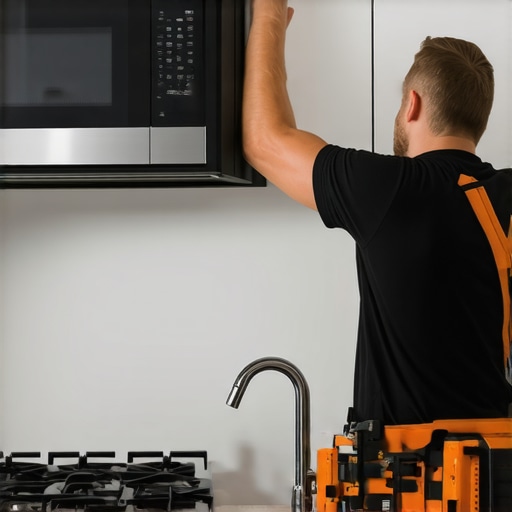
It was a frustrating morning when I nearly set my kitchen on fire trying to install my new microwave. I’d watched countless videos, read instructions, and thought I was ready. But just as I was about to finalize the mount, I realized I had overlooked something critical—an installation rule that, if ignored, could turn my sleek upgrade into a safety hazard. That lightbulb moment made me realize how easy it is to underestimate the importance of proper mounting guidelines.
Why Proper Installation of Your Microwave Matters More Than You Think
Mounting a microwave over your stove isn’t just about saving space or mimicking that magazine-perfect kitchen look. It’s a safety issue, a device longevity concern, and a crucial part of your kitchen’s overall function. Fail to follow the right installation procedures, and you risk damaging your appliance or worse, risking fire hazards. Over the years, I’ve seen firsthand how neglecting these rules leads to costly repairs or dangerous situations. So, today, I want to share the secrets to getting it right—saving you time, money, and peace of mind.
Is Rushing the Installation Worth the Risk?
Early in my DIY journey, I made the classic mistake of rushing through the installation, thinking I could skip some steps to save time. Turns out, that was a mistake. Proper mounting requires attention to detail, especially regarding the mounting height, hardware, and venting requirements. Installing a microwave without adhering to the installation rule can compromise its performance and safety.
Did you know that improper installation can void your warranty? Manufacturers often specify strict guidelines, and ignoring them might leave you unprotected if something goes wrong. Trust me, I learned this the hard way!
If you’re considering mounting your microwave over the stove, don’t skip the crucial step. Follow proven guidelines to ensure safety and compliance, or you might end up calling a professional later on anyway. Curious about how to do it right? Keep reading, and I’ll walk you through the essentials—plus, share some tips to avoid common pitfalls. And if you’re ever in a pinch for a quick repair or installation, reliable professionals can get the job done efficiently, as highlighted in resources like [this guide on trustworthy appliance installation](https://discountappliancehub.com/fast-trustworthy-appliance-installation-near-you).
Secure the Right Brackets and Hardware
Start by choosing the correct mounting brackets specified in your microwave’s manual. During my own installation, I mistakenly used generic screws, which caused the unit to wobble. Once I swapped them for the recommended anchors, the microwave felt rock-solid. Ensure all hardware is rated for the weight of your appliance to prevent accidents. Use a level to confirm the brackets are perfectly horizontal, avoiding tilt that could lead to falling or uneven operation.
Establish the Proper Mounting Height
Determining the height involves measuring from the countertop to the microwave’s bottom edge, typically 54-56 inches from the floor, depending on your stove height. I once installed mine too high, making buttons hard to reach, which was uncomfortable for daily use. Use a tape measure and a pencil line as a guide. Check manufacturer guidelines to comply with safety standards and avoid voiding your warranty. An incorrect height can cause strain and increase the risk of accidental spills or the microwave falling.
Prepare the Wall and Ensure Levelness
Before attaching brackets, clear any obstructions and check the wall’s integrity. If drywall isn’t sturdy enough, reinforce it with additional anchors. During my installation, I initially skipped this step and ended up having to redo the mounting; I learned the importance of wall prep firsthand. Use a spirit level to ensure the brackets are perfectly level, preventing the microwave from being crooked. Misalignment might seem minor but can affect airflow and appearance.
Connect Venting and Power Safely
Most over-the-range microwaves require proper venting to avoid heat buildup. Follow the manufacturer’s venting diagram precisely, ensuring compliant ductwork. I once tried to ‘save’ by skipping the venting, which led to overheating after a few months. Use UL-listed cables, attach a dedicated circuit if possible, and avoid extension cords. Secure the power cord to prevent accidental unplugging or pulling, which could cause damage or fire hazards.
Pro Tip: Validate Your Installation
After mounting, double-check all fastenings, and confirm the microwave is leveled and secure. Plug it in, and test run the unit to ensure it operates smoothly without vibrations or noise. Remember, following these detailed steps minimizes safety risks and prolongs your appliance’s lifespan. If you’re unsure about any step, consulting with a professional at [this reliable service](https://discountappliancehub.com/fast-trustworthy-appliance-installation-near-you) can save time and guarantee warranty compliance.
Many homeowners believe that knowing the basics of appliance repair or installation is enough, but the truth is, there’s a lot more nuance involved. A widespread myth is that same-day service is always a quick fix, but in reality, expedited appointments often carry hidden pitfalls if not properly managed. Rushing into repairs without understanding the complexities can jeopardize your warranty coverage and lead to costly mistakes. For instance, some assume that all repair shops are equally reliable; however, choosing a technician without verifying their certification or warranty backing can result in subpar work and voided warranties.
A common mistake is neglecting to carefully review warranty terms before scheduling repairs or installations. Many believe that warranties cover everything automatically, but specific conditions, such as proper installation procedures or use of authorized parts, are often prerequisites for warranty validity. Overlooking these details can leave you unprotected when issues arise.
Let’s address an advanced concern: How can consumers ensure their repair or installation services truly uphold warranty and safety standards? Experts recommend verifying that service providers are licensed and bonded, and that their work complies with manufacturer guidelines. This step is crucial because, according to a 2022 study by the Appliance Safety Institute, nearly 25% of appliance failures post-repair are due to improper installation or unqualified technicians. Paying attention to these details not only extends your appliance’s lifespan but also maximizes warranty benefits.
Avoid falling into the trap of assuming that all repairs or installations are covered under warranty if performed quickly. Always ask your service provider about warranty terms, and confirm that their work aligns with manufacturer requirements—this proactive approach can save you hundreds in the long run. For comprehensive guidance, check out our expert tips on maximizing your warranty during emergency repairs, which can be pivotal when unexpected breakdowns occur.
Investing a little extra time to vet your appliance repair and installation process is worth it. Don’t let misconceptions cost you more than necessary—trust verified professionals who prioritize safety, quality, and warranty adherence. Have you ever fallen into this trap? Let me know in the comments.
Keeping Your Appliances in Top Shape with the Right Tools
Maintaining appliances effectively requires a combination of quality tools and disciplined routines. Personally, I rely heavily on a digital multimeter for diagnosing electrical issues, especially in refrigerators and dishwashers. A reliable multimeter allows me to test voltage, continuity, and resistance, ensuring that components like thermostats and control boards are functioning correctly before replacing parts. I prefer models with auto-ranging capabilities because they reduce user error and speed up diagnostics. Investing in a set of precision screwdrivers also pays off—damaged screw heads can complicate repairs or lead to stripped fasteners, which is why I always opt for high-quality, insulated screwdrivers designed specifically for appliance work.
Complementing hardware tools are software solutions, especially maintenance management apps. Programs like Keeper or UpKeep help me track servicing schedules, warranty periods, and parts replacements, preventing small issues from snowballing into costly repairs. They also serve as prompts for preventive maintenance, such as cleaning vents or lubricating moving components, which prolongs appliance lifespan and maintains efficiency.
What’s the Future of Appliance Maintenance?
Looking ahead, I see a trend towards smart diagnostic tools integrated directly into appliances, communicating with your smartphone or cloud-based platforms. These innovations will enable real-time monitoring and predictive alerts, reducing unexpected breakdowns. Already, some high-end models feature diagnostic systems that can pinpoint issues remotely, saving time and minimizing inconvenience. As this technology becomes more affordable, I believe DIY enthusiasts and professionals alike will benefit from more accessible, data-driven maintenance strategies, leading to longer-lasting appliances and fewer emergency repairs.
How do I Maintain Appliance Performance Over Time?
Consistent cleaning and scheduled inspections are key. For example, regularly replacing or cleaning filters, such as in refrigerators or range hoods, prevents clogs and ensures optimal airflow. Keep an eye on seals and gaskets; a worn seal can cause energy loss and inefficiency. I recommend checking manufacturer guidelines periodically—many appliance makers update maintenance instructions to reflect new features or parts. Additionally, scheduling professional tune-ups annually can detect small issues before they escalate. When in doubt, consulting resources like this expert guide can offer detailed maintenance routines tailored to specific appliances, ensuring you extend their healthy service life.
Remember, tools are only part of the equation. A disciplined approach to routine maintenance combined with proper diagnostics will keep your appliances performing reliably for years to come. And for those unexpected breakdowns, knowing where to find quick, warranty-backed service makes all the difference. If you’re ready to elevate your maintenance game, try calibrating your smart devices regularly and consider investing in a comprehensive digital multimeter—these simple steps can prevent many problems before they start. Want guidance on scheduling your next service appointment? Visit this resource for expert tips on your repair planning.
The Hardest Lesson I Learned About Appliance Installation and Repair
One of the most impactful lessons I encountered was realizing that rushing through the installation process could lead to safety hazards and costly mistakes. Taking the time to thoroughly read manufacturer guidelines and checking every step prevented future issues and ensured optimal performance.
Why Overconfidence in Quick Fixes Can Backfire
I used to believe that I could handle repairs on my own without expert help, but I underestimated the complexity involved in ensuring proper warranties and safety standards. A single oversight, like incorrect mounting hardware, can void warranties or cause appliance failure down the line.
How Proper Planning Saves Long-Term Costs
Investing effort upfront—like verifying wall strength or measuring mounting height—saves much more time and money later. This attention to detail helps in avoiding rework, safety concerns, and warranty issues, making repairs and installations smoother and more reliable.
My Go-To Resources for Reliable Appliance Guidance
Tools like trusted professional services give me peace of mind, knowing the job meets safety and warranty standards. Additionally, reputable guides and certified repair manuals help me understand best practices and avoid common pitfalls.
The Power of a Mindset Shift Toward Proactive Care
Switching from reactive fixes to proactive maintenance transforms how I handle appliances. Regular inspections, keeping a checklist, and knowing when to call specialists prevent emergencies and prolong appliance lifespan. Remember, when in doubt, consulting trusted professionals who offer warranty-backed services ensures safety and peace of mind.
My Top Tips to Tackle Appliance Challenges with Confidence
- Always prioritize safety over speed—taking time to secure brackets and check wall integrity pays off
- Don’t overlook manufacturer’s instructions—they are key to warranty preservation
- Invest in quality tools and calibration devices for accurate assessments
- Build a network of reliable professionals for quick, warranty-backed assistance
These lessons have reshaped how I approach appliance repair and installation, turning potential hazards into opportunities for better craftsmanship. Have you experienced a similar learning moment? Share your stories in the comments below—I’d love to hear what changed your perspective on appliance maintenance and repair.