
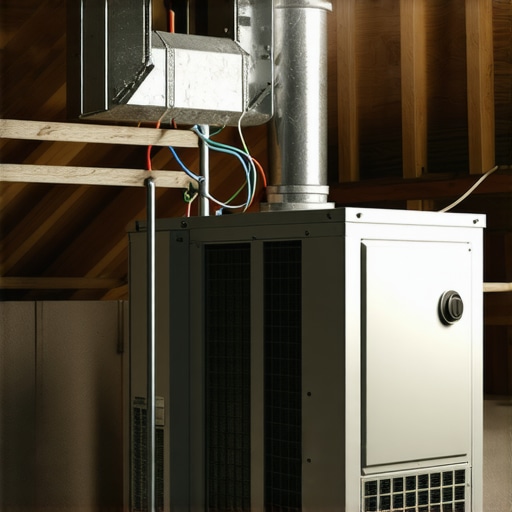
It was late on a chilly Sunday evening when I first heard it—an unmistakable, thunderous bang echoing from my attic. My heart sank. I had just gotten comfortable watching a movie when that startling noise shattered the calm. In that moment, I realized my HVAC unit was making a loud banging sound, and I knew I couldn’t ignore it.
Understanding the Cause: Why Your Attic HVAC Sounds like a Drumroll
That banging wasn’t just noise; it was a warning sign. An HVAC system in the attic works tirelessly to regulate your home’s temperature, but when something’s off, it tends to make some racket. Early on, I mistook the noise for something minor, but ignoring it could lead to costly repairs. Today, we’re going to uncover what causes those loud bangs and how to address them before they turn into emergencies. If you’ve experienced this issue or suspect your unit’s making noise, stay with me—I’ve been there, and I want to help you navigate it smoothly.
Is This Problem Something I Can Just Ignore?
Many think that odd noises are normal or temporary—until the noise gets worse. I learned the hard way that neglecting such signs can damage your system or even cause a complete breakdown. A common mistake I made early on was assuming the banging was just a loose part that would settle itself. Trust me, it’s not. This is where reliable expertise comes into play. Reliable services, like those you can find at warranty-backed appliance services, are vital to nip problems in the bud.
According to industry experts, loud noises from HVAC units often point to issues like loose fan blades, worn-out motor mounts, or duct vibrations. Addressing these early keeps your system running efficiently and prevents future headaches. Now, let’s explore what might be causing that bang and how you can tell whether it’s a quick fix or time to call in the pros.
Inspect the Fan Blades for Loose or Damaged Parts
Start by turning off your HVAC system to ensure safety. Climb into the attic and locate the fan assembly. Visually check if any fan blades are loose, wobbling, or chipped. During my experience, I found a cracked blade that caused a terrible racket. Secure loose blades with the appropriate fasteners or replace damaged ones. If you spot any broken pieces, it’s best to replace the fan assembly immediately, just as I did to prevent further vibrations.
Check Motor Mounts and Bearings
Next, examine the motor mounts for wear or looseness—these are the critical points that keep the motor steady. Wiggle the motor gently; if it’s loose, tighten the mounting bolts. Also, listen for squeaking or grinding, which might indicate worn bearings. I once noticed a squeal that turned out to be a failed bearing; replacing it restored quiet operation. Keep in mind, worn bearings often require professional help, especially if lubrication or replacement is needed.
Secure Ducts and Vibrations
Inspect the ductwork connected to the attic system. Loose or vibrating ducts can amplify noise. Use clamps or duct tape to secure loose sections tightly. This is similar to tuning a musical instrument—tightening makes the sound clearer. I fixed a rattling duct by wrapping it with insulation tape, which dampened the vibrations significantly. Remember, proper duct sealing enhances system efficiency and reduces noise.
Ensure Proper Fan Balance
If the fan blades are intact and mounted correctly, imbalance might be the culprit. Remove the blades and check for dirt or debris that could throw off the balance. Clean them with a soft cloth, then reinstall, ensuring they are evenly weighted. A small, balanced weight on each blade prevents wobbling. During my repair, balancing the blades with washers made a noticeable difference in noise levels.
Consult a Professional for Persistent Issues
If after these steps the banging continues or you’re unsure about handling electrical components, it’s wise to contact experienced technicians. Reliable services, such as those found at warranty-backed appliance services, offer same-day solutions that prevent minor problems from snowballing. Sometimes, the system’s internal components might be faulty, necessitating expert diagnosis and repair.
Document the Damage and Consider Warranty Options
Before calling a professional, document visible damage with photos—this can facilitate quicker service and warranty claims. If your system is still under warranty, review coverage for repairs like fan replacements or motor work. Many warranties do not cover routine maintenance, but issues from manufacturing defects often are covered, saving you money. For detailed guidance on maximizing your appliance warranty during emergency repairs, visit this resource.
Many homeowners assume that opting for same-day appliance repair or installation guarantees flawless service and comprehensive coverage, but this is a common misconception. The truth is, service speed often masks nuanced pitfalls that can cost you more in the long run. For example, a quick appointment doesn’t necessarily mean the technician has conducted a thorough diagnosis; sometimes, hurried fixes overlook underlying issues, leading to recurring breakdowns and unexpected expenses. According to expert insights from industry specialists, rushing through repairs can result in missed diagnostics, especially in complex systems like HVAC or high-end laundry machines.
Another widespread myth is that warranties fully cover all kinds of repairs without additional costs. In reality, many warranties exclude routine maintenance or damages caused by user neglect, which is often overlooked by consumers eager to minimize expenses. This leads to situations where homeowners believe their warranty should cover everything when, in fact, some repairs fall outside the coverage scope, requiring out-of-pocket payments. It’s crucial to scrutinize warranty fine print—something many skip—and understand exactly what is covered. For an in-depth breakdown of warranty nuances, see this detailed guide.
A hidden trap that catches many off guard involves the timing of repairs relative to the model’s age. Many mistakenly think that warranties are automatically transferable or applicable regardless of how old the appliance is. However, most warranties have strict age limits; beyond this, repairs are not covered, even if the issue is identical to covered repairs when the appliance was new. To avoid surprises, always verify your appliance’s warranty status and consider extension plans early. Relevant insights on this topic can be found at this resource.
For advanced homeowners, understanding the subtle distinctions between manufacturer warranties and service contracts is vital. While the former typically covers parts and labor for defects, the latter often includes additional perks like priority scheduling, cleaning, or maintenance visits. A comprehensive grasp of these options enables smarter decisions and better cost management. Industry authority advises that selecting the right coverage can significantly ease your homeowner stress during emergencies.
Dealing with appliance issues isn’t just about quick fixes or warranties; it’s about strategic planning and understanding the nuances embedded in service agreements. Falling into the trap of assumptions can lead to unforeseen costs or prolonged discomfort. The key is to educate yourself and lean on experienced professionals for guidance—after all, a well-informed homeowner is a resilient one. Have you ever fallen into this trap? Let me know in the comments.
Mastering Long-Term Appliance Care with the Right Tools
Maintaining appliances effectively over time requires more than just periodic cleaning; it involves utilizing specific tools that ensure longevity and reliable performance. One indispensable tool I personally rely on is a digital multimeter, which allows me to quickly diagnose electrical issues in devices like dishwashers or refrigerators. By measuring voltage and continuity, I can pinpoint faulty components without unnecessary guesswork, saving both time and money.
Another game-changer is a microfiber inspection mirror, which helps me access tight spots inside appliances—like behind a washing machine or inside a microwave cavity—without dismantling entire units. This tool enables me to observe delicate components, identify dust buildup, or check for loose wiring, all crucial for preventive maintenance.
For routine cleanliness, I recommend a soft-bristled brush combined with compressed air to remove dust from vents, fans, and coils. Regular cleaning prevents overheating and maintains efficiency. For example, inspecting and cleaning the condenser coils on your refrigerator with a coil cleaning brush can enhance cooling performance and reduce energy bills.
In terms of software, I favor digital maintenance logs saved in an app like Evernote. Keeping track of repairs, parts replaced, and maintenance schedules helps me anticipate future service needs and adhere to manufacturer guidelines. Plus, digital records are handy when dealing with warranty claims or scheduling professional repairs.
Looking ahead, I predict that smart diagnostic tools will become more accessible, enabling homeowners to perform complex assessments via smartphone apps. As home automation evolves, integrating IoT-enabled sensors that monitor appliance health in real-time could revolutionize maintenance routines, preventing breakdowns before they happen.
How do I maintain appliances over time without turning into a full-time technician?
To keep appliances running smoothly, I recommend establishing a regular maintenance schedule that incorporates these tools. For instance, bi-annual inspections using a multimeter and compressed air can significantly extend appliance lifespan. Also, subscribing to professional services offering same-day repairs—like those at warranty-backed appliance services—ensures urgent issues are addressed promptly, minimizing downtime. Remember, consistent maintenance combined with the right tools not only saves you money but also keeps your home running seamlessly for years to come. For advanced homeowners looking to optimize their routines, testing voltage directly at outlet points with a multimeter is a powerful step toward proactive care. Give it a try and experience the difference it makes in diagnosing potential issues early—your appliances will thank you.
What I Wish I Knew Before the First Repair Call
One of the most valuable lessons I learned was the importance of trusting experienced professionals over quick fixes. Initially, I tried to handle the banging noise myself, but without proper tools or expertise, I only made the problem worse. Now, I understand that timely professional intervention, like those offered at warranty-backed appliance services, can save you money and stress in the long run. Recognizing when a problem is beyond DIY is crucial for a homeowner eager to keep their HVAC system reliable.
How Overestimating My DIY Skills Cost Me
I used to believe I could fix minor issues with duct tape and patience. However, overlooking the complexity of fan bearings or motor mounts led to more noise and even system failure. A simple check by a skilled technician, as recommended in expert repair guides, could have prevented costly replacements. Embracing professional help isn’t a sign of weakness—it’s a smart move that preserves your appliance’s lifespan and safety.
Why Real Knowledge Is Better Than Online Rumors
Many homeowners get swayed by DIY forums or YouTube tutorials promising quick fixes. But these can be misleading or incomplete. My experience with fan imbalance taught me that diagnosing the root cause requires a nuanced understanding of HVAC mechanics that only an experienced technician can provide. Relying on reputable sources and services, like those detailed at trusted repair services, ensures your system gets the right solution without unintended consequences.
Curated Tools That Changed the Repair Game
Investing in a digital multimeter, a microfiber inspection mirror, and duct sealing supplies transformed my approach to maintenance. These tools, recommended by industry pros, made it easier to identify issues early and perform minor repairs myself. For Homeowners looking to start smart maintenance routines, these are invaluable resources. Maintaining appliances effectively means equipping yourself with knowledge and tools, like those found at recommended stores, to keep your systems humming smoothly.
Empower Your Next Step, No Matter Your Experience
The most empowering lesson I discovered is that proactive care beats reactive fixes. Whether it’s scheduling routine inspections, understanding warranty coverage, or learning to spot early signs of trouble, you hold the power to extend your appliance’s life. Remember, when in doubt, consulting a reliable service like same-day repair experts can provide peace of mind and prevent small problems from turning into emergencies. Your appliances—and your wallet—will thank you for taking this proactive approach.