
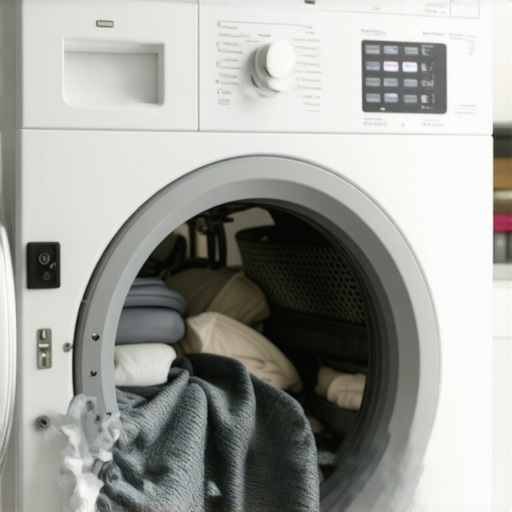
It was one of those mornings. I was rushing to get laundry done before heading out, only to discover that my dryer door kept popping open mid-cycle. Frustrating doesn’t even begin to cover it. There I was, impatient and a bit embarrassed, having to stop and mess around with the door latch again and again. That moment hit me hard — how something so simple could throw off my whole routine.
Don’t Let a Loose Dryer Door Ruin Your Day — Here’s How to Fix It
Is It Really Worth the Hassle?
Many folks dismiss this problem as minor or expect it to sort itself out over time. But trust me, ignoring a door that won’t stay latched can lead to longer drying times, increased energy bills, and even safety concerns. Believe it or not, a faulty latch could be a sign that your dryer needs a minor adjustment or part replacement, not a full-on repair. I learned early on the importance of inspecting the latch and door even when the issue seems trivial, which helped me avoid bigger problems later.
Are you worried that fixing your dryer door might require a professional? Well, you’re not alone. I thought the same at first, but after some research and a little trial-and-error, I realized most latch issues are straightforward fixes you can tackle yourself. If you’d like some guidance on ensuring your appliance is installed correctly or want to understand your warranty options, check out [this guide on appliance installation](https://discountappliancehub.com/how-to-prove-your-appliance-was-installed-by-a-professional) and [warranty-backed services](https://discountappliancehub.com/warranty-backed-appliance-services-you-can-rely-on).
In this post, I’ll walk you through the common causes of a door latch that won’t stay secure and share practical steps to get your dryer back in shape. No more interrupted cycles or unnecessary trips to the appliance store. Let’s get started.
Gather Your Tools and Prepare Your Workspace
Start by unplugging the dryer to ensure safety. You’ll need a Phillips screwdriver, a socket wrench, and possibly replacement parts like a new latch or hinges. Clear the area around the dryer, and wear gloves to protect your hands. I once attempted a repair without proper lighting, which made it harder to see small screws—so ensure your workspace is well-lit for smoother progress.
Inspect the Door and Latch Mechanism
Remove the dryer’s top panel to access the latch assembly. Check for visible damage, rust, or debris that might interfere with the latch’s engagement. In my experience, a buildup of lint or grime can prevent the latch from catching properly. Clean the latch and surrounding area with a brush or cloth, and look for any broken or worn parts.
Test and Replace the Faulty Components
Manually operate the latch to see if it locks securely. If it’s loose or unresponsive, it likely needs replacement. To do this, unscrew the latch assembly and remove it carefully. Take note of the model number and order a compatible part. When I replaced my latch, I found it easiest to take a photo of the assembly for reference during reassembly.
Adjust the Door Hinges and Alignment
If the latch seems intact, but the door still pops open, examine the hinges. Loosen and reposition them slightly to ensure the door aligns snugly with the latch. Using a level can help confirm proper alignment. I once bent a hinge slightly to improve closure, which resolved intermittent opening issues.
Reassemble and Test
Put all components back in place, secure screws tightly, and restore power. Run a short cycle to test whether the door remains closed during operation. I recommend watching the door closely during the first test to catch any misalignment or remaining issues immediately.
Explore Professional Assistance if Needed
If these steps don’t resolve the problem, or you’re uncomfortable with DIY repairs, consider seeking expert help. Reliable professionals can perform same-day service, often with warranty support, ensuring your dryer functions safely and efficiently. For trusted service options, review [this guide on appliance installation](https://discountappliancehub.com/how-to-ensure-reliable-appliance-installation-in-2025) and [warranty-backed services](https://discountappliancehub.com/warranty-backed-appliance-services-you-can-rely-on).
While many homeowners believe that hiring a professional guarantees a straightforward fix or that warranties cover all issues, the reality is far more nuanced. A common misconception is that same-day service is always the best option; however, rushing to fix a problem immediately may lead to overlooking underlying issues that could cause recurring failures. For example, some technicians might prioritize quick fixes over thorough repairs, leading to short-lived solutions and potentially voided warranties, especially if the repair wasn’t performed by an authorized service provider. It’s crucial to understand that not all warranties are created equal—many exclude accidental damage or improper installation, which are often overlooked by consumers eager to get their appliances back in action.
Does Your Warranty Cover Unexpected Mishaps or Just the Known Faults?
Research by Consumer Reports highlights that a significant number of appliance warranties do not cover damage caused by user mishandling or incorrect installation, emphasizing the importance of proper setup and cautious use. Relying solely on warranty claims without understanding their scope can result in denied coverage and additional out-of-pocket expenses, which defeats the purpose of having a warranty in the first place. Moreover, some consumers underestimate the importance of verified professional installation; improper setup can lead to premature breakdowns, safety hazards, or even fire risks. Many overlook that certified installers often know the ins and outs of your appliance model and how it integrates with your home’s electrical or plumbing systems, ensuring optimal performance and compliance with warranty conditions. Misunderstanding the fine print can be costly, particularly when subsequent repairs or replacements are needed.
Similarly, the appeal of quick fixes often entices consumers to disregard the importance of choosing authorized service providers. While cheaper and faster, these repair services might not be trained in the specifics of your appliance brand or model, potentially voiding warranties or causing further damage. This underscores the importance of verifying that your service provider is accredited and experienced, especially when dealing with sophisticated appliances or systems. For comprehensive guidance on how to select reputable technicians or understand your warranty rights better, explore our detailed expert guide to appliance repair and installation.
Another overlooked aspect is the scheduling process itself. Many assume that same-day service equates to convenience, but unforeseen delays, lack of parts, or misdiagnosis can extend repair times and lead to unnecessary inconvenience. It’s vital to communicate clearly with your service provider about their availability, parts sourcing process, and whether they follow manufacturer protocols, which are essential for keeping your warranty intact. To avoid these pitfalls, check out tips for getting reliable same-day service with warranty backing.
Finally, the nuances of proper installation often go unnoticed until a problem arises. Many homeowners skip verifying whether their appliance was installed according to manufacturer specifications, unknowingly risking voided warranties or safety hazards. Certification and adherence to installation guidelines are not mere formalities; they ensure your appliance operates efficiently and legally within safety standards. For in-depth advice, consider reviewing how to verify professional installation, which could save you time and money when issues occur.
In summary, understanding these hidden nuances—like warranty exclusions, installation importance, and service provider credibility—can save you from costly mistakes and poor repair experiences. Let’s dig deeper into these traps and learn how to navigate the complex landscape of appliance maintenance with confidence. Have you ever fallen into this trap? Let me know in the comments.
Keeping Your Appliances in Top Shape with the Right Tools
Having the proper tools is essential for efficient and safe appliance maintenance. I personally rely on a high-quality digital multimeter, such as the Fluke 117, because it allows me to quickly identify electrical issues without guesswork, saving me time and reducing the risk of damage. A reliable cordless drill with various screwdriver bits helps me disassemble and reassemble units efficiently, particularly when replacing parts like door latches or hinges. Additionally, a digital infrared thermometer, like the FLIR TG165, enables me to check for hotspots or uneven temperature distribution, which can indicate underlying problems before they escalate.
For cleaning and preventive maintenance, I swear by a compressed air can with a narrow nozzle to blow away lint and dust from vents and filters. Keeping vents clear not only extends appliance lifespan but also ensures optimal energy efficiency. I also recommend a quality gasket scraper for removing grime that might interfere with seals and closures, especially in refrigerators or dishwashers. Using these tools regularly helps me catch minor issues early, avoiding costly repairs or replacements down the line.
The Importance of Routine Checks and Long-Term Results
Routine inspections of accessible components can reveal wear and tear before it causes failure. Scheduled maintenance, such as cleaning filters and inspecting door seals, prolongs appliance life and keeps warranties valid. When I perform these checks every few months, I notice improvements in performance and energy bills. Moreover, documenting maintenance with photos can serve as proof of proper care, which can be helpful if warranty claims are necessary. Remember, consistent maintenance isn’t just about fixing problems; it’s about preventing them and ensuring your appliances run smoothly for years.
Simplify Maintenance with Smart Monitoring Tools
Looking ahead, I see the trend moving toward smart diagnostic tools that connect to your smartphone. Devices like Wi-Fi-enabled temperature sensors or capsule-based diagnostic kits can alert you to issues instantly, often before symptoms become apparent. For instance, my latest smart refrigerator monitors internal humidity and temperature, notifying me via app if something’s off—saving me from spoilage and costly repairs. Investing in such smart tools can provide peace of mind and optimize long-term appliance performance.
How do I maintain appliances over time?
One effective strategy is to establish a regular maintenance schedule using specific tools tailored for each appliance. For example, using an infrared thermometer to check freezer and refrigerator coils can help prevent overheating. Similarly, testing electrical connections with a digital multimeter during routine inspections ensures the components are functioning properly. Incorporate professional checkups—especially for complex systems like HVAC or dryers—so you benefit from expert insights, which can often be scheduled for same-day service with warranty support. To learn more about maintaining your appliances proactively, explore our expert guide on appliance care.
Remember, investing in the right tools and routine checks not only prolongs your appliance’s lifespan but also saves money in the long run. Don’t overlook small issues; catching them early is the key to keeping everything running smoothly. For advanced tips on scaling your maintenance routine or securing warranties during repairs, consider reviewing how professional installation impacts long-term reliability. Try integrating a digital multimeter into your next repair round—you’ll be surprised at how much easier troubleshooting becomes.
Lessons Betrayed by My Trust in Speed and Warranties
One eye-opening realization was that not all same-day appliance repairs are created equal; sometimes, quick fixes can overlook deeper issues, leading to recurring problems and wasted money. I learned the importance of asking the right questions about a technician’s certification and warranty coverage, realizing that rushing into a repair without verifying these details can void your warranty unexpectedly. The myth that warranties cover all mishaps vanished as I uncovered their tricky exclusions—being aware saves me from expensive surprises. Lastly, I discovered that professional installation isn’t a mere formality but a safeguard that can influence the longevity of your appliances and your warranty rights, prompting me to insist on certified installers for peace of mind.