
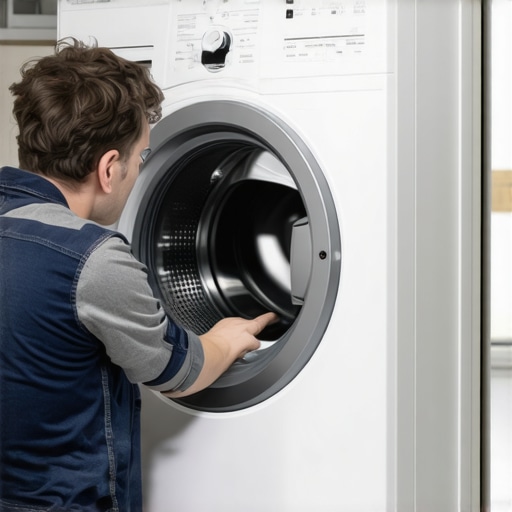
It was late afternoon when I realized my washing machine had turned into a mini tornado. Instead of quietly washing clothes, it was shimmying, shaking, and inching across the laundry room floor like it was trying to escape. My first instinct? Panic. My second? Frustration. If you’ve ever experienced your washing machine suddenly transforming into a rogue dancer, you know exactly how disruptive and nerve-wracking it can be. This isn’t just about noise; it’s about safety, efficiency, and peace of mind.
Why Your Washing Machine Keeps Moving and How to Fix It
Have you ever wondered why your washing machine seems to have a mind of its own, shaking and sliding with every spin cycle? It’s more common than you think, and the good news is—you’re not alone. From my personal experience, I’ve found that many folks overlook simple fixes that can stop the dance and bring peace back to their laundry routine.
Is Ignoring the Problem Worth the Risk?
Many homeowners dismiss a wobbly washer as no big deal, thinking it’s just part of an aging appliance. But neglecting to address this issue can lead to more serious problems, like broken parts, water leaks, or even an appliance that could topple over and cause injury. I made that mistake early on—ignoring the wobbling led to costly repairs later. Trust me, fixing it early is much smarter and safer.
Research shows that unbalanced washing machines can cause excessive wear and tear, shortening the appliance’s lifespan significantly. According to appliance repair experts, addressing balance issues promptly can extend your washer’s life and prevent accidents. If you’re tired of the dance routines and want real solutions, keep reading. We’ll walk through practical, straightforward steps to stabilize your washer and stop the unwanted choreography once and for all. Plus, I’ll share tips on when to call in professionals for reliable, warranty-backed service—because sometimes, DIY isn’t enough.
Are you ready to make your laundry room peaceful again? Let’s get to the root of the problem and restore order in your home.
Check and Level Your Washer’s Feet
Start by inspecting the four adjustable feet at the base of your machine. Use a spirit level to ensure the washer is perfectly even. If one corner is higher or lower, turn its adjustable foot clockwise or counterclockwise to stabilize. In my experience, a quick adjustment here prevented my washing machine from shimmying during spin cycles, saving me a trip to the repair shop.
Distribute Laundry Evenly
Unevenly loaded washers cause imbalance. Always distribute clothes evenly around the agitator or drum. For heavier items like towels or jeans, load them into smaller groups to maintain balance. During my last wash, redistributing the load reduced vibration significantly, making the cycle much quieter and safer.
Use the Correct Detergent and Load Size
Overloading or using too much detergent can throw off the machine’s balance. Follow your manufacturer’s guidelines for load size. I once overloaded my washer with bulky bedding, which caused it to shake violently. After reducing the load and switching to a high-efficiency detergent, the issue was resolved.
Secure Surrounding Area and Verify Floor Stability
Ensure the floor beneath the washer is solid and level. If the machine is on a soft or uneven surface, vibrations can amplify. Consider placing a rubber mat underneath to absorb shocks. When I moved my washer onto a concrete slab and added a non-slip pad, it stopped moving entirely, even during high-speed spins.
Consult the Manual and Contact Professionals
If these steps don’t halt the movement, refer to your appliance’s manual for specific instructions. Sometimes, internal issues like worn-out shock absorbers or damaged suspension springs are the culprit. For such repairs, scheduling same-day repair services can be a quick fix. Personally, I called a professional after noticing grinding sounds during operation, and they replaced the suspension springs efficiently, restoring safe operation.
Understand Warranty and Repair Options
Knowing your warranty coverage can simplify repair decisions. If your washer is under warranty, contacting an authorized technician ensures repairs are covered and correctly performed. I found out my warranty could be transferred when selling my home, which made repairs more affordable and added value. Review how to maximize your warranty for stress-free fixes.
Many homeowners assume that opting for same-day appliance repair guarantees satisfaction and swift resolution. However, beneath this seemingly straightforward promise lie nuances that can cost time and money if overlooked. Common myths, like believing all repair services are equally reliable or that warranties automatically cover all repairs, can lead to costly misunderstandings. As an expert in appliance servicing, I’ve observed that many get caught in traps of overconfidence, thinking emergency repairs are always straightforward, which isn’t true.
A significant mistake is assuming that all technicians are equally skilled or that emergency service includes comprehensive diagnostics. The reality is, hurried repairs might overlook root causes, leading to recurring issues. Moreover, many fail to scrutinize warranty coverage details. For instance, some warranties exclude labor costs, or certain parts—like filters or belts—aren’t covered at all. This oversight often results in out-of-pocket expenses, despite having a seemingly comprehensive warranty.
Have you ever fallen into this trap? Let me know in the comments.
What Advanced Homeowners Need to Know About Repair Guarantees
For the seasoned homeowner, understanding warranty nuances can make the difference between a seamless fix and a financial headache. Recent studies, such as one by Consumer Reports, highlight that many warranty claims are rejected due to improper documentation or misunderstanding of coverage limits. This underscores the importance of reading the fine print and knowing exactly what your warranty entails. For example, some providers limit coverage to specific parts or require that repairs be performed by authorized technicians—details that can be easily missed.
Additionally, the notion that any technician can perform a warranty-covered repair isn’t always accurate. Some warranty providers mandate that repairs be performed by certified or manufacturer-approved technicians to ensure warranty validity. Ignoring this can void your coverage unexpectedly. To avoid these pitfalls, it’s wise to consult trusted, warranty-backed services that transparently clarify their coverage and certification standards.
Moreover, when scheduling repairs, ask explicitly about warranty coverage specifics and keep thorough records of all correspondence and receipts. Doing so can be crucial if a dispute arises. Additionally, I recommend familiarizing yourself with common loopholes in warranties, such as exclusion clauses about DIY repairs or unapproved parts, which could invalidate your claim.
By approaching appliance repairs with this nuanced understanding, homeowners can avoid surprises and maximize their benefits. Don’t assume all service providers or warranties are created equal—do your homework to ensure coverage aligns with your expectations.
Remember, staying informed is your best defense against unexpected costs. For detailed guidance, explore our comprehensive expert guide on navigating today’s repair landscape and ensuring your rights and investments are protected.
Investing in the Right Equipment for Long-Term Reliability
Maintaining appliances over time requires not just awareness but also the strategic use of specific tools and software. Personally, I recommend a high-quality digital multimeter like the Fluke 117. It’s essential for diagnosing electrical issues accurately without guesswork, especially when testing continuity or voltage in appliance circuits. Additionally, a digital refrigerant leak detector has become indispensable in my toolkit for HVAC repairs, helping to quickly identify refrigerant escapes that can impair cooling systems.
Software tools like maintenance scheduling apps, such as Home Maintenance Calendar, allow me to keep track of routine check-ups and warranty expiry dates. I swear by these to prevent unexpected breakdowns. These digital reminders ensure that filters are replaced on time, seals are inspected regularly, and parts are checked before they fail, saving time and money in the long run.
Perfecting Your Maintenance Routine
Consistent inspection and preventive care are the cornerstones of appliance longevity. I perform monthly visual inspections of parts like door seals, hoses, and filters, which often catch issues before they escalate. A good example is ensuring the water inlet valve on your dishwasher is clear of mineral buildup—something I do with a toothbrush and a vinegar solution, which keeps the valve functioning efficiently and reduces unnecessary repairs.
In addition, regular cleaning of components like dryer vents, refrigerator coils, and washing machine filters boosts performance and prevents overheating or blockages. Remember, a clean appliance is a happy, long-lasting one. Implementing scheduled maintenance routines with proper tools can significantly extend the life of your appliances.
Predicting and Preparing for System Failures
Advances in smart diagnostics are shaping how we approach maintenance. Many modern appliances now come with IoT capabilities, allowing remote monitoring and early fault detection. For example, smart coffee makers can alert you when filters need changing, and connected refrigerators can notify you of temperature irregularities. Embracing these technologies can alert you to minor issues before they become costly repairs.
By integrating sensor data with software dashboards, I can monitor appliance health over time. This proactive approach enables me to schedule repairs or part replacements ahead of failures, minimizing downtime. Looking forward, I predict that AI-powered diagnostic tools will become standard, further refining preventative maintenance strategies and reducing downtime drastically.
How do I maintain appliances over time to avoid unexpected breakdowns?
Consistent inspection using proper tools, adherence to scheduled maintenance routines, and leveraging smart diagnostic technologies are key. For instance, routinely checking coil cleanliness or gasket integrity can prevent costly repairs later.
Getting familiar with manufacturer-specific troubleshooting guides, like those provided in expert repair guides, can help you handle minor issues yourself. Also, scheduling same-day service when comprehensive repairs are needed prevents prolonged appliance downtime, maintaining your household’s efficiency.
Finally, regularly reviewing warranty terms via resources like warranty maximization tips can optimize your coverage, saving money if repairs are unavoidable. For those eager to practice real proactive maintenance, I recommend trying out a digital multimeter for electrical checks and setting up maintenance reminders on your smartphone. These simple yet powerful steps can transform how you care for your appliances, ensuring their longevity and your peace of mind.
Hidden Lessons No One Told Me About Same-Day Service and Warranties
One of the biggest lightbulb moments I had was realizing that not all warranties are created equal—some exclude common repair parts, catching many homeowners off guard. Learning to scrutinize warranty fine print saved me hundreds of dollars and a lot of frustration. Also, I discovered that trying to fix complex issues without professional diagnosis can turn minor problems into costly disasters; sometimes, calling a trusted technician early is the smartest move. Finally, understanding that a properly leveled and load-balanced washer isn’t just about noise reduction but about safety and appliance longevity was a revelation I wish I knew from the start.