
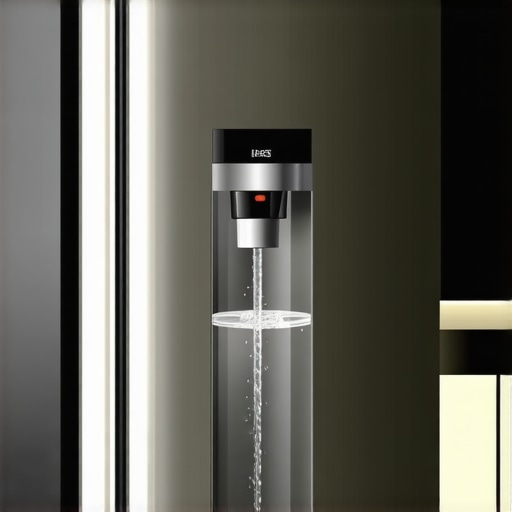
I remember the exact moment I realized my fridge water dispenser was taking forever to give me a glass of cold water. It was the middle of summer, and I was parched. I kept pressing the button, only to be greeted with an agonizing drip instead of a refreshing stream. That frustrating delay made me realize—something was off. It wasn’t just in my head; this slow water flow became an everyday annoyance that I refused to ignore anymore.
Soon, I dived into troubleshooting, determined to fix what was bothering me. Turns out, it’s a common problem many homeowners face, often leading to more significant issues if left unaddressed. Today, I want to share what I discovered about why your fridge’s water dispenser might be slowed down and how you can tackle it without calling in a repair technician.
Why Your Water Dispenser Might Be Flowing Like a Lazy River
One of the more surprising truths I uncovered is that a sluggish water dispenser isn’t necessarily a sign of a broken part or a faulty appliance. Sometimes, it’s just a matter of simple maintenance or minor adjustments. For example, a clogged filter is a prime culprit. Over time, mineral deposits, sediment, and debris can block the water flow, turning your normally quick dispenser into a slow drip.
Another common cause is frozen water lines. If the tubing inside your fridge is partially frozen, water can’t flow freely, which results in a noticeable slowdown. Interestingly, even temperature settings on the fridge can influence this—if it’s too cold, it increases the risk of freezing.
Early in my troubleshooting journey, I made a mistake many others do: I assumed the worst and replaced parts prematurely. Trust me, it’s tempting to think you need new filters or a whole new water valve, but often, the fix is much simpler. Check your [water filter](https://discountappliancehub.com/why-your-refrigerator-is-leaking-water-from-the-bottom-front) first; replacing it can dramatically improve water pressure.
But what if your filter isn’t the issue? Stay tuned, because next I’ll walk you through the essential steps to diagnose and resolve these common causes of slow water flow. Whether it’s a frozen line, a clogged filter, or something else, understanding these basics can save you time and money—and restore that satisfying water flow you miss.
Inspect and Replace the Water Filter
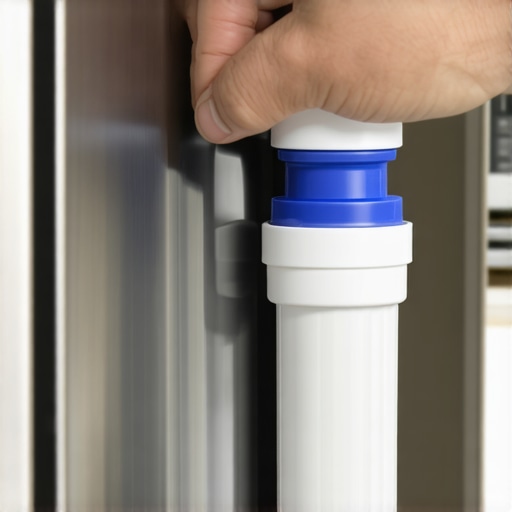
Start by locating your water filter, usually at the front lower section or inside the fridge. To replace it, turn off the water supply, twist out the old filter, and insert the new one, ensuring it clicks into place. Don’t forget to run a few gallons of water through to flush out any air or debris, which can cause slow flow. I once replaced my filter with a generic one, and the flow improved remarkably—saving me from constantly waiting for my glass to fill.
Unfreeze Your Water Lines
If replacing the filter doesn’t help, check for frozen water lines. Turn off the fridge, unplug it, and locate the water tubes—usually behind the back panel or inside the fridge walls. Use a hairdryer on a low setting to gently warm these tubes, preventing damage. When I discovered mine was frozen after a particularly cold spell, warming the lines resolved the issue instantly. Be cautious to avoid melting or damaging the tubing.
Clean and Clear the Water Pathways
Mineral buildup or debris can clog the water channels. Use a long, flexible brush or pipe cleaner to clear any removable tubing. Alternatively, you can run a mixture of vinegar and water through the system to dissolve deposits. Remember, clogged filters and dirty lines are a common cause, so maintain them regularly. I once neglected this step, and a simple flush made a dramatic difference—boosting my dispenser’s speed.
Check and Adjust Temperature Settings
Ensure your fridge isn’t too cold, which can cause water inside the lines to freeze. Set the fridge temperature to around 37°F (3°C). It’s worth noting that certain models have a dedicated water line heater; if yours does, verify it’s functioning properly. After adjusting the temperature, give the system a few hours and test the flow. I learned this the hard way when my water lines froze overnight because I had set the fridge too cold.
Test and Finalize the Repair
After completing these steps, reconnect everything, turn the water supply back on, and run your dispenser. Observe the flow rate—ideally, it should be a steady stream. If issues persist, inspect for leaks or kinks in the tubing, or consider the possibility of a faulty water valve, which may require professional repair. Replacing or repairing water valves can be complex, but understanding these basics helps you diagnose before calling a technician. For example, I once replaced a defective valve myself after watching a detailed online tutorial, saving time and money.
 When it comes to appliance installation and repairs, many homeowners operate under assumptions that can lead to costly mistakes. A common myth is that choosing the shortest or cheapest service guarantees quality and durability, but in reality, rushed or superficial fixes often cause long-term issues. For example, skipping proper leveling of washers can lead to excessive vibration—a mistake easily avoided by following proper setup guides, such as the one on leveling your appliances correctly.
One trap to watch out for is assuming that all warranties cover every type of repair or installation mishap. Many warranties require proof of proper maintenance—failing which, you might find your claim denied unexpectedly. This underscores the importance of understanding your warranty details and keeping thorough records, especially when claiming coverage for repairs or replacements.
A common misconception is that same-day service means an immediate fix without prior diagnostics. However, rushing into repairs without initial assessment can be an expensive mistake. Skilled technicians know that a proper diagnosis is crucial, and sometimes a quick fix can become a costly misjudgment if underlying issues are overlooked. To avoid this, ensure your technician performs a comprehensive inspection before proceeding.
Now, for the advanced thinkers among us, consider this question: How does improper drainage line installation affect warranty eligibility and appliance longevity? Incorrect drainage setup not only risks water damage but can also void warranties, as seen in cases detailed on drain line installation errors. Ensuring that drain hoses are correctly positioned and secured is a subtle but powerful step toward preserving your appliance’s health.
Let’s not forget the importance of correct electrical connections. Using substandard wiring or incorrect grounding can cause safety hazards and void warranties, which is why professional installation is often worth the investment. For instance, improper grounding has been linked to appliance failures and safety risks, according to safety experts from the National Fire Protection Association.
Have you ever fallen into this trap? Let me know in the comments and share your experiences with installation or repair surprises. Remember, understanding these nuances can save you money, prevent frustration, and extend the life of your appliances.
To keep your appliances running smoothly over the years, investing in the right tools and adopting disciplined maintenance routines is crucial. One of my personal favorites is a multi-bit screwdriver set. I prefer a high-quality set with magnetic tips because it allows me to quickly switch between screw sizes and types, making tasks more efficient. For example, I use it regularly when tightening or replacing oven brackets or adjusting dishwasher racks. Additionally, a pair of precision pliers has saved me countless hours in manipulating small clips and connectors behind appliances.
An often overlooked but invaluable tool is a digital multimeter. I rely on mine not only during initial troubleshooting but also periodically to ensure the appliances maintain proper electrical consistency. This proactive approach can help you identify hidden issues before they escalate, saving you money on repairs.
In terms of maintenance software, I highly recommend using a dedicated appliance management app on your smartphone. Apps like MyHome or Smart Appliance Tracker enable you to log service dates, warranty info, and troubleshooting notes. This organized record-keeping helps during warranty claims and ensures you don’t forget scheduled maintenance tasks, such as leveling your washing machine or cleaning filters at recommended intervals.
Regularly inspecting your appliances is vital. I set a quarterly calendar reminder to perform a thorough check—beyond just surface cleaning. For example, I inspect door seals, filters, and drainage lines, which can extend appliance lifespan significantly. Maintaining these components not only prevents breakdowns but also optimizes energy efficiency, a trend that’s expected to become more prominent with increasing environmental awareness.
Looking ahead, I predict that smart diagnostic tools will become even more accessible for homeowners. Devices that interface directly with your appliances, providing real-time alerts and troubleshooting tips, are on the rise. Imagine a future where your smartphone app notifies you of a faulty sensor before a failure occurs, potentially avoiding costly repairs altogether.
How do I maintain appliances over time?
Establishing a routine that includes both manual inspections and digital record keeping is key. Use precise tools like a gap gauge for range installations or a multimeter to verify electrical integrity periodically. Also, keep your appliance manuals organized digitally—many manufacturers now offer online pdfs for easy access. Applying these habits helps catch small issues early, saving you future headaches and expenses.
Don’t forget—trying some of these advanced tips, like implementing a regular inspection schedule with dedicated tools, can improve your appliance performance and lifespan. Why not start today with a quick check of your fridge’s door gasket or water filter? Staying proactive is your best bet for long-term appliance health!
Secrets I Learned About Fixing Appliances Without Guesswork
One of the biggest lessons I uncovered is that patience and proper diagnosis are priceless. Rushing to replace parts without understanding the root cause often leads to wasted money and frustration. Taking time to methodically troubleshoot saved me from unnecessary repairs, reinforcing that a calm approach yields better results.
Another insight is that understanding your specific appliance model’s quirks makes a difference. Generic advice can help, but knowing the nuances of your fridge or washer helps you tailor solutions, avoiding common pitfalls like incorrect filter types or improper leveling that can cause more harm than good.
I’ve realized that equipping myself with the right tools transforms repairs from daunting to manageable. A quality multimeter, in particular, is an investment that pays off repeatedly, helping catch electrical issues early before they escalate into costly failures.
Tools and Resources That Keep Me Ahead of Breakdowns
- Multimeter: Essential for verifying electrical continuity and diagnosing faulty components. I trust my Fluke multimeter for its accuracy and durability.
- Flexible Inspection Camera: Helps me peek into tight spots behind appliances without dismantling everything—saving time and preventing accidental damage.
- Online Repair Guides and Forums: Websites like Repair Hub provide step-by-step instructions tailored to specific models. They’ve been my go-to for troubleshooting tricky issues.
- Maintenance Log App: Keeping digital records of maintenance and repairs helps track what’s been done, ensuring nothing gets overlooked and warranty documentation stays organized.
Step Into Confident Repairs and Maintenance
Don’t let appliance issues hold you back or drain your budget. Embrace the mindset that quality repairs start with knowledge and the right approach. Small, consistent maintenance—like replacing filters at the right interval or adjusting refrigerator temperatures—can extend your appliances’ lifespan significantly.
So, why wait for a breakdown to become urgent? Start today by inspecting your water filters, checking for frozen lines, or simply reading your appliance manuals. Each proactive step adds up to long-term savings and reliable performance.
What simple maintenance habit have you found most effective? Share your tips below and inspire others to take control of their appliances!