
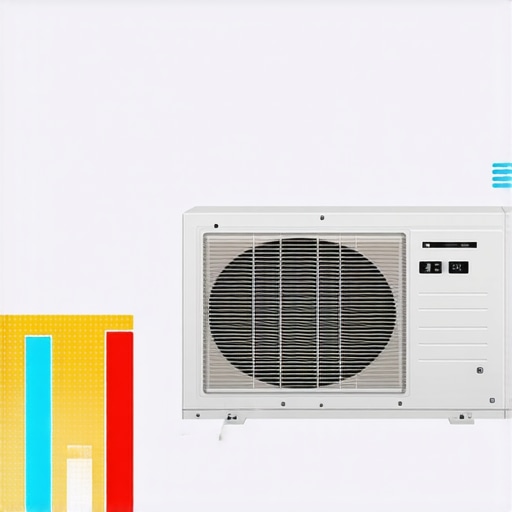
I remember last summer vividly—standing in my living room, dripping with sweat, and glancing at my thermostat only to realize my air conditioner had turned off again. Frustration bubbled up as I started troubleshooting, convinced it was a simple fix. But what I discovered was a common, yet often overlooked, issue: my AC was short cycling. That lightbulb moment changed everything for me, and chances are, you might be facing the same problem.
Understanding the Hassle of Short Cycling
Is Your AC Looping on Repeat and Wasting Energy? It Might Be Short Cycling
Short cycling occurs when your air conditioner turns on and off repeatedly within short intervals. It might sound harmless, but this pattern can significantly increase your energy bills and put stress on your unit. Early on, I made a costly mistake—ignoring the problem and hoping it would resolve itself. Trust me, that’s a mistake you want to avoid. According to the U.S. Department of Energy, inefficient AC operation, like short cycling, can increase energy consumption by up to 30%. Recognizing the signs early can save you money and extend your system’s lifespan.
So, why does my AC do that? Well, several underlying causes can trigger short cycling, from thermostat issues and compressor problems to refrigerant leaks or faulty components. But before diving into the technical details, I want to reassure you that this isn’t a secret mystery. The solution is often simpler than you think, and I’m here to guide you through it step by step.
Check Your Thermostat Settings
Start by ensuring your thermostat is set correctly—often, a faulty or poorly calibrated thermostat causes short cycling. I once found a thermostat set to an unpredictable temperature, leading to constant on-off cycles. Adjust it to a consistent, comfortable level and see if that resolves the issue. If problems persist, consider replacing the thermostat or checking its batteries for proper power supply. For guidance on reliable installations, visit reliable appliance installation tips.
Inspect and Replace Air Filters
Clogged air filters restrict airflow, causing your AC to short cycle as it struggles to reach the desired temperature. I had a similar experience when I neglected my filter; after replacing it with a high-quality filter, my system ran smoothly again. Remove the old filter and install a new one, ensuring proper fit and seal. Clear filters help the system run efficiently and extend its lifespan. For more detailed advice, see quick solutions for appliance issues.
Examine the Refrigerant Levels
A refrigerant leak can cause your AC to cool less effectively, leading to rapid on-off cycles. While low refrigerant is a common culprit, diagnosing it requires specific tools and knowledge. If you suspect this, consider scheduling a professional inspection—quick, same-day repairs can save your system from further damage and are often covered under warranty. Learn more at what to expect from repair experts.
Assess the Condenser and Compressor
Dirty or damaged condenser coils and faulty compressor components are major contributors to short cycling. I once cleaned my condenser coils myself using a soft brush and mild detergent—it was messy but effective. Turn off power, access the outdoor unit, and gently clean the coils, removing debris and dirt. If the compressor makes unusual noises or if cooling isn’t consistent after cleaning, professional repair is necessary. For expert help, see trustworthy appliance repair services.
Seek Professional Assistance When Needed
If the above steps don’t solve the problem, don’t hesitate to contact a licensed technician. Quick response and same-day service options are available to prevent further damage. They can perform comprehensive diagnostics, handle refrigerant charging, and ensure your AC is operating efficiently. Remember, proper installation and regular maintenance are key to avoiding short cycling. Find trusted local professionals at our contact page.
Many homeowners believe that choosing a service provider based solely on price or quick turnaround guarantees quality, but in my extensive experience, this isn’t the full picture. A common misconception is that any technician can handle appliance repairs or installations effectively, which isn’t accurate. Skilled expertise often makes the difference between a faultless setup and a costly mistake that leads to recurring issues or voided warranties. For example, improper installation of dishwashers without adhering to the manufacturer’s high-loop drain requirements can cause water leaks and damage, resulting in costly repairs down the line. It’s crucial to select technicians who follow industry best practices; details like ensuring the correct plumbing heights or properly leveling appliances are often overlooked but significantly impact performance. Don’t fall into the trap of believing that all repair shops offer warranty-backed services; always verify if your service provider complies with warranty standards to avoid voiding coverage. Additionally, many folks underestimate the importance of timely, same-day service, missing opportunities to prevent minor issues from escalating into major failures. Quick response not only saves money but also preserves your appliance’s longevity. One advanced aspect many fail to consider is the subtle nuance of warranty activation. Manufacturers often require precise registration and documented repairs to honor warranties, which most customers overlook. Skipping this step can mean the difference between having coverage when you need it and facing an expensive replacement. According to a study conducted by the Consumer Reports, improper or incomplete warranty registration is a leading reason for claim denials. To truly safeguard your investments, educate yourself on the warranty terms and ensure all service providers adhere to proper procedures. Remember, resolving appliance issues isn’t just about fixing what’s broken; it’s about understanding and navigating the complex landscape of guarantees, installation standards, and service commitments. Have you ever fallen into this trap? Let me know in the comments. For expert assistance that respects warranty protocols and ensures reliable installation or repair, contact us through [our contact page](https://discountappliancehub.com/contact-us). Benefits of choosing experienced, warranty-conscious technicians include peace of mind, longer-lasting appliances, and avoiding costly mistakes that might defy your warranty coverage.
Investing in Reliable Equipment for Lasting Results
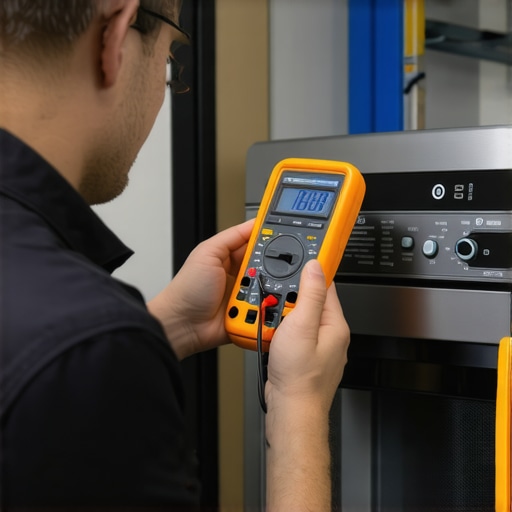
Maintaining your appliances in top shape requires the right tools and a strategic approach. I personally swear by using a digital multimeter, such as the Fluke 117, to troubleshoot electrical issues precisely. It’s accurate, durable, and essential for diagnosing problems like faulty wiring or incorrect voltage readings. Additionally, a UL-listed screwdriver set with insulated handles ensures safety during inspections or minor repairs. Having a thermal imaging camera, like the Seek Thermal CompactPro, allows me to quickly identify overheating components or inefficient insulation, saving time and preventing costly breakdowns.
Why I Rely on Specific Equipment
Using precise tools, like a digital manometer when checking refrigerant pressures, ensures I can detect leaks or pressure drops that might cause short cycling or performance drops. My experience shows that investing in quality tools pays off, especially when addressing warranty-covered repairs, because professional-grade diagnostics can prevent unnecessary replacements and preserve warranty validity. As equipment technology advances, tools are evolving too—think laser alignment tools for dishwashers or advanced moisture meters for HVAC systems—which keeps my repair work efficient and trustworthy.
Adopting Preventive Maintenance Routines
Long-term appliance health hinges on regular upkeep. By setting a quarterly schedule to clean filters, check electrical connections, and inspect hoses or seals, I prevent many issues before they escalate. For example, cleaning condenser coils with a garden sprayer and coil cleaner improves efficiency and extends the lifespan of AC systems. Moreover, recording maintenance activities helps in warranty claims, as documentation demonstrates a proactive approach to appliance care, which manufacturers often require for coverage verification.
Emerging Trends in Maintenance and Tools
The future points toward smarter diagnostics, with IoT-enabled sensors reporting real-time data to homeowners and technicians. Apps that sync with appliance control boards—like the Samsung SmartThings platform—allow remote monitoring and quick troubleshooting, reducing the need for emergency repairs. Predictive analytics, powered by AI, might soon alert us about upcoming failures, shifting maintenance from reactive to proactive. Embracing these innovations can streamline appliance management significantly.
How Do I Maintain My Appliances Over Time?
Establishing consistent routines, staying updated on manufacturer recommendations, and investing in quality diagnostic tools are key steps. Regularly servicing units and keeping detailed logs can also make warranty claims smoother, especially with providers offering warranty-backed services. To maximize efficiency, don’t hesitate to schedule professional inspections if symptoms persist even after preventive efforts. Remember, a well-maintained appliance will serve you reliably for years to come.
If you want to ensure your repairs and maintenance are up to industry standards, consider consulting experts who follow best practices. For quick, trustworthy assistance, contact us through our contact page. Implementing these tools and routines will help keep your appliances running smoothly, saving you money and hassle over the long haul. Don’t forget—modern diagnostics like infrared thermal imaging have revolutionized troubleshooting; try investing in a quality thermal camera to spot problems early and prevent breakdowns.
The Hardest Lesson I Learned About installation,appliance repair,warranty,same-day service
One of the most eye-opening experiences I had was realizing that ignoring small signs of HVAC issues could lead to costly repairs and compromised warranties. Early warning signs like frequent short cycling can reveal underlying problems that, if left unaddressed, diminish your system’s lifespan. Recognizing these early lessons has empowered me to act swiftly, saving money and avoiding disappointment.
3 Myths About installation,appliance repair,warranty,same-day service That Held Me Back
Initially, I believed that all technicians provided the same level of service or that expensive repairs were always necessary. Confronting these misconceptions taught me that choosing warranty-conscious, experienced professionals and understanding your appliance’s needs can prevent unnecessary expenses and ensure quality work. It’s about making informed decisions rather than relying on assumptions.
What Experts Won’t Tell You About installation,appliance repair,warranty,same-day service
Many overlook the importance of proper installation standards—like ensuring high-loop drains or correct leveling—that directly impact the longevity of appliances. Experts also know that timely, same-day service can prevent minor issues from escalating. These insider insights highlight that being proactive and educated can make all the difference in appliance performance and warranty validity.