
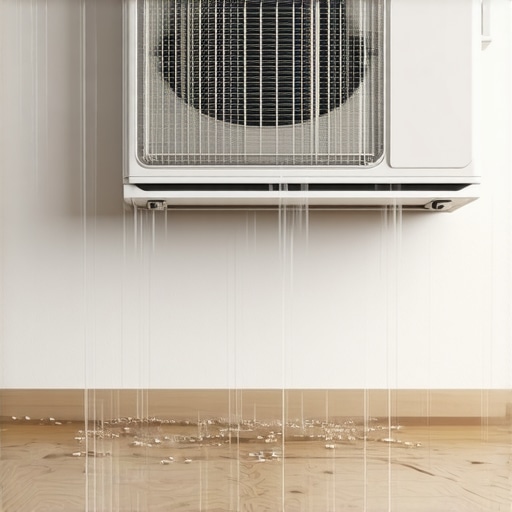
It was a hot summer afternoon when I first noticed that unmistakable damp smell creeping into my living room—turns out, my AC was doing its best impression of an indoor water fountain. Frustration set in quickly, not just because of the mess, but because I knew this wasn’t a simple leak. At first, I thought I could just wipe up the water and forget about it, but soon enough, the water kept puddling, and I realized I was in over my head.
Why Water Leaking from Your AC Is More Than Just a Nuisance
Water leaking from your air conditioner isn’t something to brush off. It signals that something’s wrong—maybe a clogged drain line or a frozen evaporator coil. Ignoring the issue can lead to costly repairs or even damage your home’s structure. I found out the hard way that treating this problem early saves you money and a lot of headache. From personal experience, I can tell you that understanding the root causes can make all the difference. A study by the Department of Energy highlights that proper maintenance of AC units can cut energy costs by up to 15%, but neglecting issues like leaks can negate those savings.
Is DIY Fixing Your Leaking AC Worth the Risk?
When I first faced my leak, my initial instinct was to jump into online tutorials and try fixing it myself. Back then, I distinctly remember rushing to clear the drain line without understanding the full picture. That mistake almost made the problem worse—and in my case, it delayed professional help. Without proper knowledge, you risk damaging sensitive components or voiding warranties. If you’re unsure whether to attempt repairs yourself or call in experts, consider the benefits of professional service. Check out this guide on same-day repair with warranty support to understand how fast and reliable these services can be.
So, if your AC is dripping water indoors and you’re wondering whether this is a problem worth tackling right now, stay tuned. Over the next sections, I’ll share tried-and-true tips and insights to help you identify the cause and decide whether a DIY fix or professional help is your best bet. You’re not alone in this—I’ve been there, and I can help you navigate the steps to get your AC back to working efficiently and dryly.
Turn Off Your AC and Gather Necessary Tools
Before starting any repair, switch off the unit at the breaker to prevent electrical hazards. Gather essential tools like a screwdriver, pliers, a wet/dry vacuum, a flashlight, and a drain cleaning brush. Personal experience taught me that being prepared avoids unnecessary trips to the store and streamlines the repair process.
Locate and Clear the Drain Line
Identify the Drain Line
Find the PVC pipe that leads from your AC to the exterior. It’s usually on the condensing unit or along the house’s foundation. For me, tracing the line outdoors revealed a buildup of debris causing a clog. Cleaning this out immediately stopped the leak.
Flush Out the Blockage
Use a mixture of distilled vinegar and water—about 50/50—and pour it into the drain line to dissolve algae and grime. A wet/dry vacuum at the outside end can also suck out stubborn obstructions. This step often clears the path for proper drainage, preventing future leaks.
Inspect and Repair the Evaporator Coil
Frozen or dirty coils can cause excess condensation to leak indoors. Remove the access panel covering the evaporator coil. Use a flashlight to check for ice buildup or dirt. If icy, turn off the unit and let it thaw naturally. For dirt, gently clean with a soft brush or a no-rinse coil cleaner. Once clean, ensure the fan and filters are working optimally to prevent recurrence.
Check the Condensate Pump and Pan
If your AC has a condensate pump, ensure it’s functioning. Listen for strange noises or test the switch manually. The drain pan beneath the coil should be dry; if it’s cracked or overflowing, replace or repair it. During a repair, I found a cracked pan, which I replaced with a new one, immediately preventing water from leaking into my home.
Examine and Seal Leaks in the Ductwork
Leaks in the duct system can cause excess moisture to escape. Use mastic sealant or metal tape to patch any visible holes or seams. Proper sealing ensures the moisture is directed where it should be, reducing indoor leaks and saving energy.
Test the System and Seek Professional Help
Turn the power back on and run the AC. Observe the drainage and look for residual leaks. If water continues to leak or if you’re uncomfortable handling electrical components, contact a professional. Quick and reliable services like those mentioned at same-day repair experts can resolve stubborn issues efficiently, often with warranty support.
Remember, attempting complex repairs without proper knowledge can cause more damage. When in doubt, visiting professional services ensures safety and a long-lasting fix. Proper maintenance and prompt attention are key to keeping your AC dry, efficient, and cost-effective.
Many homeowners assume that appliance repair is straightforward—call a technician, get it fixed, and move on. However, this oversimplification often leads to misunderstandings about the nuances involved, especially regarding same-day service, installation quality, and warranty coverage. One common misconception is that all repair services are equal, but in reality, the quality, speed, and warranty support can vary significantly among providers. For example, choosing a quick fix without verifying if the technician offers warranty-backed repairs might leave you vulnerable to additional costs if the problem recurs. Moreover, many believe that immediate service means rushed and potentially unreliable work, but reputable local companies prioritize both speed and quality, often leveraging expert diagnostic tools and genuine parts. Conversely, opting for cheaper, third-party repair shops without proper certification can sometimes void your appliance warranty or result in subpar repairs that fail prematurely. An often-overlooked detail is the fine print in warranty terms, which can include exclusions or require certain installation standards for coverage to remain valid. Advanced homeowners know that understanding these subtle distinctions can save a lot of trouble down the line. According to industry expert warranty support guidelines, verifying that a repair service provides warranty-backed work and proper documentation is crucial. Also, not all same-day services are genuinely fast; some operate with delays or hidden fees, so it pays to research and read reviews beforehand. Be wary of providers who promise quick turnaround but lack transparent policies or detailed experience in complex repairs. Mistakes like skipping professional installation or ignoring warranty conditions can lead to costly damage or coverage denial. For instance, improper installation of a new appliance can cause premature failures or safety hazards, and this often voids warranty coverage. Always ensure that installation tasks are performed by certified technicians familiar with manufacturer specifications, which can be cross-verified through trusted service providers like those listed on reliable directories. Lastly, an advanced tip is to keep detailed records of all repair and installation work, including receipts and warranty info, which can be invaluable if you need to make a claim. Don’t fall into the trap of assuming that any repair shop can handle intricate appliance systems or that all warranties are straightforward. Take proactive steps to understand your coverage and hire certified experts for critical tasks. Have you ever fallen into this trap? Let me know in the comments and share your experience.Maintaining appliances over time requires the right tools, consistent methods, and a proactive approach to prevent unexpected breakdowns. One of my go-to tools is a digital multimeter, which I use to check electrical connections quickly. It’s reliable, easy to use, and essential for diagnosing issues like faulty thermostats or control boards. Additionally, a high-quality, cordless cordless rotary tool has saved me countless hours when it comes to cleaning or minor adjustments, allowing precision work in tight spaces without the need for cumbersome manual tools. When it comes to software, I swear by specific diagnostic apps tailored for smart appliances—these platforms help identify software glitches that can cause unexpected behavior, ensuring I don’t rush into unnecessary hardware replacements. Predicting future trends, I believe that integrating IoT diagnostics with AI-driven maintenance alerts will become standard, enabling appliances to notify homeowners proactively before issues arise.
How do I maintain appliances to ensure long-term performance?
Regular maintenance is key. This means scheduling routine inspections, replacing filters at recommended intervals, and keeping drainage systems clear. For example, preventing mold buildup in the condensate drain can save significant headaches and extend the life of your AC. When dealing with installation or repairs, always verify if the technician offers warranty-backed services—this provides peace of mind knowing that if something goes wrong, support will be readily available. For instance, reputable companies often guarantee their work for a specified period, like the warranty policies discussed in warranty-backed services, which cover both parts and labor.
To keep appliances functioning efficiently, I recommend investing in a reliable appliance maintenance manual specific to your brand and model. Many manufacturers provide detailed guides and troubleshooting tips that can be immensely helpful. Also, developing a habit of checking for firmware updates or software patches ensures that smart appliances perform optimally, avoiding glitches that can mimic hardware failures.
Don’t underestimate the value of quick diagnostics. Using a multimeter to assess the continuity of wiring or test voltage supply can prevent more significant damage. For instance, regularly inspecting electrical connections can catch issues before they lead to complete failure. And if you’re unsure about handling electrical components, calling a professional who offers same-day service with warranty benefits ensures the job is done safely and correctly, saving you money and stress.
Ready to take your appliance maintenance to the next level? Try implementing a weekly diagnostic check using your multimeter on critical components like control boards and thermostats. This proactive step can significantly reduce downtime and expenses over time. For expert support, whether for diagnostics, installation, or repairs, reach out through this contact page to get in touch with qualified technicians dedicated to keeping your appliances in top shape.
What I Wish I Knew Before Jumping into Repairs
The biggest lesson I learned about appliance repair is that patience and understanding the nuances of warranty policies save you from costly mistakes. Early on, I thought rushing into fixes would save time, but I ended up voiding my warranty and paying twice. Recognizing the importance of verifying if a repair comes with warranty support changed everything and made me more confident in choosing trusted local experts. Additionally, I realized that not every same-day service is truly quick—it’s essential to check reviews and credentials to ensure quality. Finally, I discovered that investing in a good diagnostic toolkit empowers homeowners to handle minor issues and identify when professional help is truly necessary, making repair experiences less stressful and more cost-effective.
Tools and Resources That Changed My Approach
For me, the cornerstone of reliable appliance repair is having the right tools. A high-quality digital multimeter is invaluable for diagnosing electrical problems, and a versatile no-rinse coil cleaner keeps your AC functioning smoothly. I rely on trusted guides like the Expert Guide to Appliance Repair and Installation Today for step-by-step instructions. When in doubt, I refer to reputable service providers who offer warranty-backed repairs, ensuring peace of mind. These resources have helped me troubleshoot effectively, avoid unnecessary service calls, and understand when it’s time to call in professionals for faster, guaranteed fixes.
Your Next Step Starts Now
Taking charge of your appliance maintenance and repair can feel overwhelming at first, but with the right knowledge and trusted support, you can keep your home running smoothly. Remember, every repair is a learning opportunity—embrace it! Whether you’re tackling a simple drain line clean or scheduling professional installation, aim for quality, protection, and confidence in your choices. Your appliances—and your wallet—will thank you for it. What’s the first appliance problem you’re ready to conquer today? Let me know in the comments below and share your story!
**Note:** For further guidance on how to ensure reliable appliance installation and maintenance guarantee, explore our detailed tips on reliable installation.