
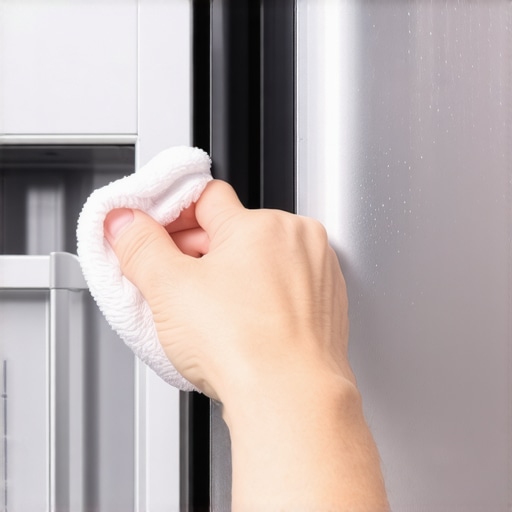
I remember the panic I felt last July. It was sweltering, and my refrigerator door looked like it had just finished a marathon. There were actual beads of moisture dripping onto the hardwood. I immediately assumed the worst. I was already looking up same-day service costs and wondering if my original warranty would cover a full meltdown. I felt that specific dread—the one where you see dollar signs flying out of your bank account because of a ‘broken’ appliance. But then I looked closer. It wasn’t a broken motor. It was a thin layer of syrup and breadcrumbs preventing the door from closing properly.
Stop Blaming the Compressor and Look at the Rubber
That ‘sweat’ on your fridge is usually just a cry for help from your door gasket. It is the most overlooked part of the kitchen, yet it does the heavy lifting of keeping the cold in and the humid air out. When that seal is compromised, your fridge has to work double-time, leading to those annoying droplets. I once made the rookie mistake of thinking water leaking from the freezer meant I had a cracked drain pan. I spent hours taking things apart only to realize the seal was just slightly out of alignment because of dirt buildup. It was a humbling—and messy—lesson in checking the basics first.
Is a bit of soap really going to fix a sweating door?
It sounds too simple to be true, doesn’t it? We live in a world where everything feels like it needs a software update or a technician with a laptop. However, the U.S. Department of Energy highlights that even small gaps in refrigeration seals can significantly increase energy consumption and cause moisture problems. Just like cleaning a washer gasket to prevent mold, keeping your fridge seals pristine is about maintaining a physical barrier. If air is leaking, your fridge isn’t ‘broken’—it’s just ‘open.’ Today, I’m going to show you how to identify if your seal is the culprit and exactly how to restore it to its former glory. Have you ever felt like your fridge was failing you, only to find out it was something tiny? Let’s dive into the fix.
How to prove your door is lying to you
Before you start tearing things apart, you need to verify if the seal is actually the traitor. I call this the ‘Ghost Check.’ Take a crisp five-dollar bill—or any paper—and shut the fridge door on it so half is sticking out. Try to pull it out. If it slides out with zero resistance, your gasket has checked out. I remember doing this on my old unit and the bill just fell to the floor on its own. That was the moment I realized I wasn’t dealing with a compressor failure, which is often the $20 part that usually fixes a fridge that won’t cool, but a simple physical gap. If the bill sticks, the seal is fine, and you might actually be looking at why your fridge is getting warm but the freezer is fine elsewhere.
Scrub away the invisible air gaps
Dirt is the natural enemy of suction. Even a tiny, dried drop of apple juice can create a microscopic ramp that lets warm air in. Use a mixture of warm water and mild dish soap—never harsh chemicals that can crack the rubber. I once spent a frantic Saturday morning scrubbing what I thought was mold, only to realize it was ancient maple syrup from a pancake breakfast three months prior. That sticky residue was literally propping the seal open by a fraction of a millimeter. Grab a soft toothbrush and get into the folds of the gasket. This isn’t just about hygiene; it’s about restoring the physical contact required for a vacuum-like seal. 
Bring the bounce back to old rubber
Over time, the rubber in your door seal loses its ‘memory.’ It becomes flattened and brittle. If your seal looks crushed, you can actually revive it with a common hairdryer. Set it to low heat and run it along the flattened sections. The heat softens the rubber, allowing it to expand back to its original shape. I did this during a heatwave last year, and it felt like magic watching the rubber puff back up and meet the fridge frame. Just be careful—if you get it too hot, you’ll melt the gasket, and then you’ll definitely be scheduling your appliance repair for same-day service in 2025. Once it’s warm and pliable, close the door and leave it shut for an hour to let it set in the correct position.
Fix the lean before you buy a new machine
Sometimes the seal is perfect, but the fridge itself is the problem. If your refrigerator is leaning forward even slightly, gravity is pulling the door away from the cabinet. Most people skip the leveling trick for a fridge that rattles your kitchen floor all night, but it’s crucial for a tight seal. Adjust the front feet so the unit tilts back just a hair. This way, the door wants to stay closed on its own. I once helped a neighbor who was ready to junk a three-year-old fridge because of ‘sweating’ and ‘leaks.’ We spent five minutes twisting the leveling legs, and the door practically sucked itself shut. If you’ve tried all this and the moisture persists, it’s time to check if you’re eligible for warranty-backed appliance services you can rely on before the humidity ruins your perishables.I’ve spent enough time in this industry to know that the ‘obvious’ fix isn’t always where the story ends. While scrubbing your gaskets and leveling your unit can save you 90% of the time, there’s a deeper level of appliance ownership that most people ignore until it costs them a mortgage payment. Let’s talk about the nuance of professional help. Most people think that scheduling your appliance repair for same-day service in 2025 means the machine will be running by dinner. In my experience, that’s a dangerous assumption. The ‘same-day’ promise usually covers the diagnostic visit, but if your technician doesn’t carry a robust ‘truck stock’ of parts, you’re still looking at a week of lukewarm milk. When you call, don’t just ask when they can come; ask if they are authorized for your specific brand and if they carry common sensors or boards in their vehicle. This is the difference between a quick fix and a two-visit ordeal.
The same-day service trap most homeowners ignore
If you find yourself needing an expert guide to appliance repair and installation today, remember that speed is a double-edged sword. A common mistake is rushing into a repair without verifying the technician’s credentials for warranty work. If a non-authorized tech opens your machine, you might inadvertently void your appliance warranty during emergency repairs. It’s a bitter pill to swallow when you pay for a fast fix today, only to realize you’ve forfeited five years of future protection on the compressor. 
Why is your extended warranty company suddenly asking for maintenance logs?
This is a question that catches many by surprise. According to a study by the Association of Home Appliance Manufacturers (AHAM), proper maintenance is the number one factor in appliance longevity, yet it is often the first thing consumers skip. Warranty companies know this. If your fridge fails, they might ask for proof that you’ve performed basic upkeep. This is why your extended warranty company keeps asking for service logs. They aren’t just being difficult; they are looking for a reason to deny the claim based on ‘consumer neglect.’ If you haven’t been keeping a simple log of when you vacuumed those coils or checked the seals, you’re leaving your bank account vulnerable. I always recommend learning how to document your fridge failure properly—take photos of the clean gaskets and the leveled feet before the tech even arrives.
Keep your service fee in your pocket when claims get denied
One of the most frustrating ‘oops’ factors happens when a tech arrives, finds a ‘non-defective’ issue (like a dirty seal or a tripped breaker), and hands you a $150 bill. Since the part wasn’t ‘broken,’ the warranty won’t cover the visit. You need to know how to avoid paying the service fee for a denied warranty claim by doing the basic troubleshooting I mentioned in the previous section first. Also, ensure your reliable appliance installation was done by the book. For instance, skipping the proper way to ground your new smart stove is a classic shortcut that leads to fried boards and denied claims. Being proactive isn’t just about cleaning; it’s about protecting your rights as a consumer. Have you ever fallen into this trap where a ‘simple’ repair ended up costing more because of a technicality? Let me know in the comments.To truly master your home’s ecosystem, you need a few specialized items in your utility drawer. I’m not talking about a full mechanic’s set—just a simple digital multimeter and a long-reach condenser brush. I personally swear by a multimeter because it removes the guesswork. When a dryer stops heating, most people panic, but if you can check for continuity on a thermal fuse in thirty seconds, you’ve just saved yourself a $200 ‘no-fix’ service fee.
Why a $15 multimeter beats a $1000 service call
I remember a friend who was convinced her oven was a total loss. We spent five minutes testing the igniter’s resistance, and sure enough, it was dead. Buying the part ourselves meant she didn’t have to worry about top tips for same-day service warranty coverage because she wasn’t even making a claim. She was back to baking by Tuesday. Even if you aren’t comfortable doing the repair, knowing exactly which part is failing allows you to speak the technician’s language.
How do I maintain my appliance’s health over time?
The secret isn’t a deep clean once a year; it’s a series of micro-habits. For example, the maintenance step that extends the life of your high-efficiency washer is as simple as wiping the door seal and leaving it ajar after every load. For your fridge, the biggest killer is heat. If you have a Golden Retriever like I do, you need the condenser coil cleaning hack for pet owners with hairy dogs to keep the airflow moving. The Refrigeration Service Engineers Society (RSES) notes that restricted airflow over condenser coils can increase compressor head pressure by up to 20%, which literally bakes the internal components from the inside out. 
Smart sensors will soon predict failures before they happen
Looking ahead, I predict we are entering the era of ‘predictive maintenance.’ In the next few years, your fridge won’t just tell you the door is open; it will analyze the vibration patterns of the compressor and send you a notification that the motor is likely to fail in 30 days. This shifts the power back to the homeowner. Instead of a frantic search for scheduling your appliance repair for same-day service in 2025, you’ll be able to schedule a convenient appointment before the food even has a chance to spoil.
Build your digital maintenance vault today
While we wait for those smart sensors, your best tool is your smartphone camera. Every time you clean a filter or check a hose, snap a photo. This creates a timestamped record that is invaluable if you ever need to dispute a warranty claim. If you’re ever unsure about your rights, check our privacy policy or reach out through our contact us page. My challenge to you: Go to your fridge right now and look at the coils. If they’re dusty, grab a vacuum. It’s the easiest $500 you’ll ever save.
What I Wish I Knew Before Calling the Pros
Over the years, I’ve realized that 90% of the anxiety surrounding a warm fridge comes from a lack of information. First, never assume a noise or a leak is terminal; often, it is just a sign of a neglected maintenance cycle. Second, the service fee is the most avoidable tax in homeownership if you perform the basic physical checks first. Third, your relationship with your warranty provider depends entirely on your paper trail. If you want to know how to document your fridge failure effectively, start today—not when the temperature hits 50 degrees.
#IMAGE_PLACEHOLDER_E#
The Three Tools That Save Me Thousands
You don’t need a van full of parts to keep your kitchen running. I always keep a digital multimeter handy to test for continuity, which helps me decide if I actually need top tips for same-day service warranty coverage or just a $15 fuse. A long-reach condenser brush is my second must-have; it reaches the dust that a vacuum nozzle misses, preventing the compressor from overheating. Finally, I rely on a simple maintenance log. This is exactly why your extended warranty company keeps asking for service logs—having them ready turns a potential denial into a guaranteed approval.
Don’t Let a Simple Seal Stress You Out
Maintaining a modern kitchen can feel like a full-time job, but it’s really about reclaiming control over your environment. By mastering the basics of gasket care and leveling, you aren’t just saving money; you’re buying peace of mind. If you ever feel overwhelmed, remember that how to avoid paying the service fee for a denied warranty claim often starts with these DIY steps. Before you think about scheduling your appliance repair for same-day service in 2025, take ten minutes to check the basics. You might find that the fix was waiting for you in your utility drawer all along. Have you ever avoided a massive repair bill with a simple five-minute fix? Let me know in the comments below!