
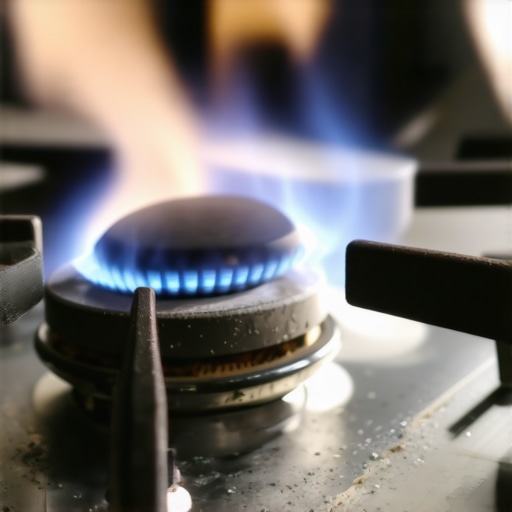
One evening, as I was preparing dinner, I heard that familiar hissing sound coming from my stove. But when I flicked the igniter, nothing happened—no click, no spark, just silence. It was frustrating, especially since I relied on that burner every day. That moment made me realize: sometimes, our appliances give subtle hints that something’s off, and ignoring them can turn a small problem into a costly repair.
Why Your Range Burner Hisses and Refuses to Ignite
Many homeowners face this perplexing issue—hearing a hissing noise but seeing no ignition. The hissing often indicates a gas flow problem, which could stem from clogged burners, faulty igniters, or gas supply issues. Understanding the cause is crucial because attempting to ignite a faulty burner can be dangerous. I learned this the hard way early on, when I tried to fix my stove without proper knowledge—misdiagnosing the problem almost led to gas leaks. For reliable advice, it’s always good to consult trusted sources like the Consumer Reports on gas stove safety.
Is It Really Worth Calling a Pro or Trying a Fix Yourself?
Initially, I thought I could handle the repair myself to save some money. But a quick online search turned up numerous missteps that could make things worse—like neglecting to turn off the gas supply, which is essential for safety. My early mistake was not turning off the gas before attempting any fixes, risking leaks and potential hazards. So, before you dive under the hood, remember: safety first. If you’re wondering whether you should try to repair it yourself or call in a professional, this guide will help you make an informed decision and avoid dangerous mistakes.
Anyway, let’s explore what might be causing that persistent hiss and how to fix it without turning your kitchen into a hazard zone.
Turn Off the Gas Supply and Prepare Your Workspace
Before you start any repair, locate the gas shut-off valve adjacent to your stove and turn it off to prevent leaks or accidents. Remove any cookware from the stove top, and ensure good lighting to see small components clearly. Use a clean cloth to wipe away grease or debris around the burners to avoid slipping or misplacing parts during the repair.
Remove and Inspect the Burner Components
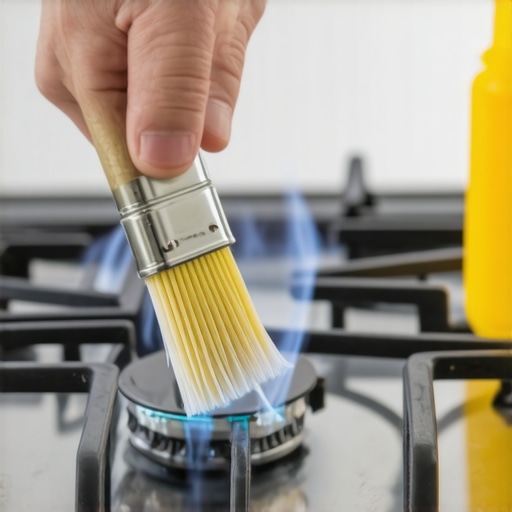
Using the proper screwdriver, unscrew the burner cap and the burner head. Carefully lift them out and examine for clogs or corrosion. Often, a clogged or dirty orifice can cause the hissing noise and prevent ignition. Clean these parts thoroughly with a soft brush and rubbing alcohol, similar to unclogging a tiny traffic jam—think of it as clearing the roads for smooth gas flow. Pay special attention to the igniter and its porcelain insulator, ensuring they are free from debris.
Check the Igniter and Electrode
Identify the spark igniter, which is usually a small metal tip adjacent to the gas outlet. If it looks dirty or corroded, gently clean it with a toothbrush. For a more stubborn build-up, a light scrape with a steel wool pad might be necessary, but avoid damaging the ceramic insulator. A weak or grey spark indicates a faulty igniter—consider replacing it if cleaning doesn’t help, as outlined in this comprehensive guide to igniter issues.
Test and Reassemble the Burner
After cleaning and inspecting, reassemble the burner parts carefully, making sure they fit snugly. Turn the gas back on slowly, listening for any leaks—like a hissing sound coming from where you just handled. If you detect a leak, immediately turn off the gas and recheck your connections. Use a soapy water solution on fittings to confirm airtightness; bubbles indicate leaks that need tightening. Once confident, power on the stove and test the ignition. If the burner hisses but doesn’t ignite, the problem may lie within the gas line or the ignition module itself, which might require professional attention.
Consider Routine Maintenance and Checks
To prevent future issues, regularly clean your burner assemblies and check for corrosion or damage. Ensuring proper airflow and preventing blockages keeps the gas flowing freely, avoiding that frustrating hissing without ignition. Remember, safety is paramount—if at any point you feel unsure, consult a qualified technician to handle complex repairs or parts replacement. Fast, same-day service options are available if you prefer expert intervention, and many repairs come with warranties to ensure peace of mind.
 Many homeowners believe they understand appliance repair fully, but in reality, several misconceptions can lead to costly mistakes. One widespread myth is that same-day service always guarantees quality; however, rushed repairs without proper diagnostics might cause recurring issues, as highlighted in expert analyses on appliance servicing standards. Another misconception is that warranties cover all repair costs, but often, warranties exclude certain parts or labor, leading to unexpected expenses. Additionally, many think installing appliances is straightforward—yet improper setup, such as incorrect leveling or wiring, can reduce lifespan and efficiency. For example, improperly installed refrigerators are prone to leaks and cooling failures, which could have been avoided by following proper installation procedures. This emphasizes the importance of understanding nuanced aspects, like the correct gap between the range and the back wall, which impacts performance and safety. Are you aware that some quick fixes might actually worsen the problem? Always question whether a repair is truly straightforward or if it requires professional assessment. The key is to recognize that each appliance has its own intricacies, and avoiding oversimplified assumptions can save you from expensive repairs down the line. For an in-depth look at maintenance pitfalls, check out this guide on managing appliance warranties effectively. Remember, rushing through repairs or overlooking crucial details, such as the condition of plastic parts that cause dishwasher leaks, can turn a small issue into a major malfunction. Do you know the signs of a bad thermostat or a slipping belt? Understanding these nuances helps you decide when to call a professional instead of attempting DIY fixes. Keep learning, stay cautious, and ensure your appliances operate safely and efficiently. Have you ever fallen into this trap? Let me know in the comments.
Invest in Quality Tools for Reliable Repairs
Having the right equipment can make all the difference in maintaining your appliances effectively over time. I personally swear by a calibrated digital multimeter, essential for diagnosing electrical issues like faulty thermostats or wiring problems. It allows me to quickly test voltage and continuity, saving time and preventing guesswork. A precision screwdriver set with insulated handles is also indispensable, especially when dealing with delicate components such as oven control boards or microwave touch panels. These tools help prevent damage and ensure safe handling during repairs.
Software and Diagnostics that Save Time
Modern appliances often come with diagnostic modes or smartphone app integrations. For instance, many smart refrigerators allow you to run self-diagnostic tests via their dedicated apps, pinpointing issues like sensor faults without invasive inspections. I recommend firmware examination tools or manufacturer-specific diagnostic software, which can reveal error codes and system statuses. While some of these tools require a subscription or additional hardware, investing in them streamlines troubleshooting and helps track recurring problems for more effective long-term solutions.
The Importance of Regular Protocols and Checks
Creating a maintenance schedule ensures your appliances stay in optimal condition. Simple routines like weekly cleaning of lint traps, checking door seals, and inspecting water hoses can prevent major failures. Using a soft, lint-free cloth kept handy for wiping refrigerator coils can improve efficiency and extend lifespan. For instance, cleaning the hidden lint trap inside your dryer cabinet, as described in this guide, can dramatically reduce fire risks and improve drying performance.
Preparing for Long-Term Success and Scaling
As your expertise grows, consider investing in professional-grade tools like a refrigerant leak detector or a counterfeit detection device for electronics. These enable more precise repairs and help scale your capabilities from simple fixes to more complex installations or retrofits. Additionally, maintaining detailed records of repairs, parts used, and maintenance intervals can inform warranty claims and future service needs, reducing downtime.
How do I keep my appliances running smoothly over time?
Beyond tools, staying informed about the latest repair techniques and updates from manufacturers is crucial. Following appliance-specific forums or subscribing to technical newsletters can keep you ahead of common issues. Remember, a well-maintained appliance not only runs longer but also conserves energy and reduces costs. Don’t forget that many repairs and installations come with warranties—always keep your proof of purchase and documentation handy, just like this essential guide suggests for warranty validation. For best results, try implementing the advanced diagnostic tips mentioned here—you may uncover issues before they become costly failures and maintain the appliances at their peak efficiency.
What I Wish I Knew About Gas Range Repairs Before Starting
One of the biggest surprises I encountered was realizing how crucial proper diagnosis is; rushing into cleaning or replacing parts without understanding the root cause can lead to more complications. I learned to pay close attention to small clues like hissing sounds and the state of the igniter—these details often tell you more than you expect. Additionally, I discovered that what seems like a simple fix might actually be a symptom of a deeper electrical or gas supply issue, reminding me to approach repairs with patience and humility.
Tools and resources that truly saved me during appliance troubleshooting
Investing in a quality multimeter made a world of difference. It helped me identify whether the problem was electrical or gas-related, saving time and potential hazards. I also relied on detailed guides from trusted sources like the comprehensive repair articles, which provided step-by-step instructions that kept me safe and confident. Remember, the right tools and trustworthy information are your best allies for appliance repair success.
Why tackling appliance repairs requires more than just DIY spirit—that’s a lesson I’ll never forget
While the allure of fixing things yourself is tempting, I learned that safety should come first. Knowing when to call a professional can prevent dangerous gas leaks or electrical shorts that could cause harm. Recognizing my limits and understanding that some issues are better left to experts not only protected me but also ensured my appliances functioned properly in the long run. My advice? Use DIY skills for routine maintenance, but don’t hesitate to consult a professional for complex problems or uncertain situations.
What’s next for me and your appliance repair journey
If you take away one thing from my experience, it’s to stay curious and never underestimate the power of proper diagnosis. Regular maintenance, combined with reliable tools and trusted resources, transforms the daunting task of appliance repair into a manageable—and even rewarding—endeavor. Remember, every fix deepens your understanding and confidence, making you less dependent on costly repairs or service calls. So, are you ready to approach your next appliance issue with newfound knowledge? Share your thoughts or ask your burning questions below!
,