
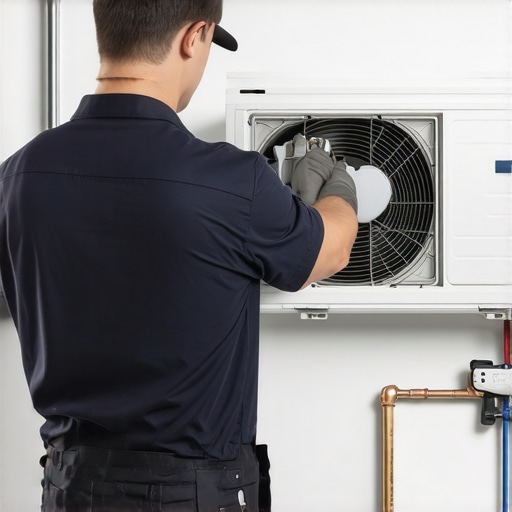
Have you ever gone to turn on your air conditioning on a scorching summer day, only to find water pooling beneath your unit or a strange, pungent smell wafting through the vents? That sudden drip and a faint warning sign can feel like a punch to the gut. I remember the first time it happened in my own home—panicked, I thought I had a major leak or worse, a broken appliance. Turns out, it was a simple fix I overlooked for too long.
Why Overlooked Maintenance Is a Quiet Killer for Your AC
Many homeowners often dismiss the importance of a well-maintained drip pan or assume that if it’s not overflowing now, it’s fine. But the truth is, neglecting a little maintenance can lead to overflowing drip pans, water damage, and expensive repairs down the line. A clogged drain line or a blocked condensate pump can cause water to back up, stressing the system and risking a full unit failure. The good news? A small, proactive move can make a huge difference in preventing disaster.
Are Preventive Tricks Worth My Time and Money?
This question haunted me early on, especially with my tight budget. I made the mistake of ignoring early warning signs, thinking they were minor issues. Now I know better. Staying ahead of potential problems not only saves money but also extends the life of your appliance. I learned that regular checks and simple maintenance strategies—like ensuring the condensate drain is clear or adjusting the float switch—can stop overflow issues before they even start. It’s a small investment of time that pays off big in peace of mind and savings.
So, if you’ve ever experienced that unsettling drip, or simply want to keep your AC running smoothly without surprises, this post is for you. We’re going to walk through the essential move that prevents your drip pan from overloading—and more importantly, how you can incorporate it into your home maintenance routine with minimal fuss. Ready to become your own AC hero? Let’s dive in.
The Vital Maintenance Move to Keep Your Drip Pan Safe
}
Remove Obstructions from the Drain Line
Begin by locating your air conditioner’s drain line—usually a PVC pipe exiting near the indoor evaporator coil. Using a sturdy brush or compressed air, gently clear any debris, algae, or dirt blocking the pipe’s opening. I once tackled this in a messy basement, where stubborn grime had built up over months, causing intermittent drainage issues. After cleaning the pipe thoroughly, I tested the drainage by pouring water into the pan; it flowed smoothly. Regularly performing this step keeps water from backing up and overflowing the drip pan.
Check and Clear the Condensate Pump
If your system uses a condensate pump—often in homes where gravity drainage is impractical—inspect it for clogs or malfunctions. Disconnect the pump and remove the reservoir. Clean out any buildup, and ensure the float switch moves freely. I once replaced a faulty float switch after noticing the pump didn’t activate, which almost caused a major mess. Test the pump by manually activating the float and listening for the motor; if it runs properly, you’ve done your part. Scheduling regular checks ensures the pump doesn’t fail unexpectedly.
Test the Float Switch for Proper Operation
The float switch acts as a floodgate, signaling when the water level gets too high. To test it, gently lift the float with your finger—if the switch triggers the pump or opens the drain, it’s working. If not, consider replacing it. Remember, a faulty float switch can either cause water to overfill or prevent drainage entirely, both of which are problematic. I learned this firsthand when I ignored a sluggish float; eventually, water spilled over, damaging nearby flooring.
Ensure the Drain Pan Is in Good Condition
Visually inspect the pan underneath your HVAC unit for cracks, rust, or corrosion. If damaged, replacing the pan is essential to prevent leaks. When I spotted rusted-out areas in my own unit’s pan during routine maintenance, I promptly ordered a replacement from a trusted supplier. Installing it was straightforward; I removed the old one, cleaned the surrounding area, and snapped in the new pan. A sturdy, intact pan forms the last line of defense against overflows that can cause water damage.
Set Up Routine Maintenance Checks
Develop a weekly or monthly schedule to inspect all parts—drain lines, pumps, float switches, and pans. Mark your calendar or use reminders on your phone. During these checks, look for signs of clogging or wear and address them immediately. When I made it a habit to perform quick inspections, I caught minor clogs before they became major leaks, saving hundreds on repairs. Being proactive with these small steps keeps your system functioning optimally and your home dry.
Implementing these concrete measures—thoroughly cleaning the drain line, checking the pump and float switch, inspecting the pan, and regular upkeep—can dramatically reduce the risk of overflowing drip pans. These steps are simple but powerful, saving you from water damage and costly repairs. For comprehensive guidance or scheduling professional service, visit our contact page. Remember, keeping your AC in top shape isn’t just about comfort; it’s about protecting your home.
When it comes to appliance repair, many assume that following the standard tips provided by manufacturers or relying solely on the warranty terms guarantees smooth service. However, as an industry expert, I’ve observed that there’s a complex layer of nuances often overlooked which can significantly impact outcomes. One common myth is that the cheapest or fastest repair options are always the best choice. In reality, a quick fix may void your warranty or lead to recurring issues, especially if not performed by qualified technicians. For example, improper installation can cause long-term damage that isn’t immediately apparent, a trap that even seasoned homeowners can fall into. Relying solely on third-party repair shops without understanding their credentials and how their procedures align with manufacturer standards can jeopardize warranty validity and appliance longevity. This is why selecting certified service providers, like those referenced in our [reliable installation guide](https://discountappliancehub.com/how-to-ensure-reliable-appliance-installation-in-2025), is crucial.
Some believe that appliance warranties cover every possible defect or repair cost, but the fine print often reveals restrictions—certain parts or labor might be excluded, especially if mishandling or improper maintenance contributed to the failure. This misconception can lead to unexpected out-of-pocket expenses. Moreover, many underestimate the importance of proactive maintenance, believing that warranties will cover preventable problems. Regular inspections, such as verifying drainage lines or checking for rust or corrosion, can prevent costly repairs down the line and ensure compliance with warranty conditions. Advanced technicians also recognize the importance of correctly calibrating appliances during installation to optimize performance and avoid early breakdowns; for instance, improper leveling of a range or incorrect door alignment can lead to uneven cooking or mechanical stress.
A nuanced aspect often missed is the impact of installation environment. Factors like airflow, humidity, and proper space around appliances influence their lifespan and efficiency. For example, installing a refrigerator too close to a heat source increases strain on the compressor, leading to earlier failure—an issue sometimes ignored in quick-or-cheap setups. Being aware of such details and discussing them with your service provider can be the difference between a reliable, long-lasting appliance and repeated problems.
Addressing the question, “How can homeowners avoid common pitfalls in appliance repairs and installations?” experts recommend thorough research into service providers, understanding warranty conditions deeply, and insisting on professional, certified installation practices. Additionally, periodically reviewing your coverage and maintaining detailed records of repairs can streamline warranty claims and ensure you’re getting maximum value. For more insights, consider visiting our [comprehensive guide to reliable appliance installation](https://discountappliancehub.com/how-to-ensure-reliable-appliance-installation-in-2025) and [warranty-backed repair services](https://discountappliancehub.com/same-day-appliance-repair-quick-solutions-with-warranty-support). Remember, taking these proactive steps saves money, extends your appliance’s lifespan, and prevents the frustration of avoidable breakdowns. Have you ever fallen into this trap? Let me know in the comments.
Maintaining your appliances over time requires the right tools and a strategic approach. From specialized diagnostic devices to professional-grade cleaning supplies, having the appropriate equipment ensures you can quickly identify issues and perform effective repairs. One indispensable tool I rely on is a digital multimeter, which allows me to test electrical components accurately, preventing unnecessary replacements and ensuring safety. Investing in a high-quality infrared thermometer also helps detect overheating parts before they cause failures, saving time and money.
How do I maintain my appliances over time?
Regularly scheduled inspections using these tools can extend the lifespan of your appliances and improve their efficiency. Setting up a routine—say, monthly checks of filters, electrical connections, and drainage paths—significantly reduces unexpected breakdowns. Predictive maintenance, enabled by diagnostic tools, has become increasingly accessible and affordable, making it easier than ever to stay ahead of potential issues. As technology advances, I predict smart diagnostics will play a larger role, integrating with home automation systems to alert homeowners of problems before they escalate. Embracing these tools not only helps keep your appliances in top shape but also gives you peace of mind.
When it comes to long-term results, pairing robust equipment with consistent maintenance routines is key. For instance, using a ultrasonic drain cleaner periodically prevents blockages that could lead to overflows or water damage. Additionally, keeping detailed records of repairs and inspections aids in warranty claims and future troubleshooting. Remember, leveraging the right tools effectively transforms routine maintenance from a chore into a proactive shield against costly failures.
Finally, consider professional calibration and testing services once or twice a year to fine-tune your appliances’ performance. For example, calibrating your refrigerator’s temperature sensors ensures optimal energy use and prevents spoilage. Investing in these advanced techniques may seem intensive initially, but they pay off by minimizing downtime and extending your appliance’s lifecycle. Want to explore more about professional maintenance options? Visit our expert guide to appliance repair and installation today.
By equipping yourself with precise diagnostic tools and committing to scheduled checks, you’ll ensure your appliances keep running smoothly for years to come. Don’t wait for a breakdown—start integrating these advanced maintenance techniques today and experience the long-term benefits firsthand! For tailored advice or professional assistance, reach out through our contact page. Remember, proactive upkeep is your best defense against appliance failure, ensuring ongoing comfort and savings.
Lessons That Changed My Approach to AC Care
- The Hardest Lesson I Learned About Overlooking Preventive Maintenance: I used to wait for obvious problems before acting, but I realized that small, neglected details often lead to big disasters, emphasizing the importance of regular checkups for parts like the drain line or float switch.
- The Surprising Value of Investing in Quality Tools: From infrared thermometers to diagnostic multimeters, I discovered that having the right equipment not only streamlines the repair process but also uncovers issues before they escalate, saving money and stress.
- Why Trusting Certified Professionals Is a Game Changer: My experience shows that choosing technicians who understand the nuances of manufacturer warranties and proper installation procedures prevents future headaches and preserves your appliance’s longevity.
- The Critical Role of Environment in Appliance Performance: I learned to consider factors like placement near heat sources or humidity levels, which can accelerate wear and tear if ignored, highlighting that installation context matters just as much as the appliance itself.
Key Resources That Made a Difference
- Expert Guide to Appliance Repair and Installation: Provides detailed, practical advice that demystifies complex repairs and emphasizes the importance of professional service for warranty compliance.
- Top Tips for Same Day Service and Warranty Coverage: Helps me plan repairs efficiently, ensuring quick response times without risking warranty violations.
- Maximize Your Appliance Warranty During Repairs: A vital resource for understanding how proactive steps can protect your investment during urgent fixes.
- Why Your Washer Leaves Detergent Marks: Though specific to washers, it illustrates how detailed knowledge of appliance components can prevent common issues—lessons applicable to AC upkeep as well.
Take Action and Protect Your Comfort
Remember, being proactive with your appliance maintenance turns potential crises into minor inconveniences. Your home’s comfort depends on your willingness to learn and act. Don’t wait until water pools under your AC or strange smells invade your space—start today by implementing simple, effective checks, and consider consulting trusted professionals for routine inspections. Your future self will thank you for preventing costly repairs and ensuring continuous cool relief during those scorching summer days.
What small maintenance habit has made the biggest difference in your home? Share your story below, and let’s learn from each other’s experiences!