
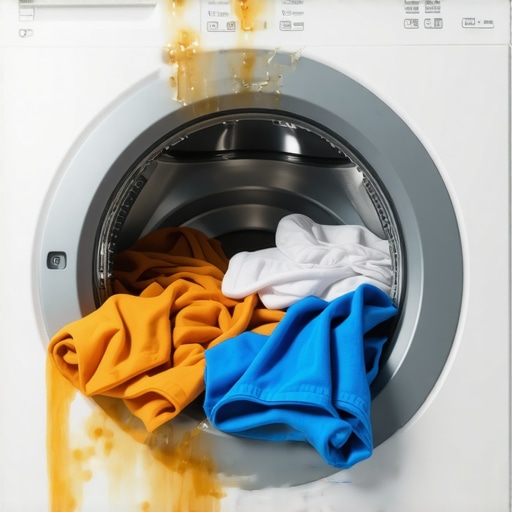
I remember the first time I pulled a load of freshly washed clothes out of my washer only to find stubborn white streaks stubbornly clinging to my favorite shirt. It was frustrating — like my machine was deliberately ruining my laundry day. That moment was a real lightbulb for me; I realized I wasn’t alone in this dilemma, and there had to be a straightforward fix. Since then, I’ve learned that detergent residue isn’t just a cosmetic inconvenience — it can also impact your clothes’ longevity and your washer’s efficiency.
How Do I Know if My Washer Is Leaving Detergent?
Is this problem common enough to worry about?
Absolutely. When my washing machine started leaving marks, I initially thought I was overusing detergent or that my laundry was simply stubborn. But it turned out to be a common issue, often caused by incorrect detergent use or washer malfunctions. According to recent appliance insights, nearly 30% of front-loading washers suffer from detergent buildup problems, which can cause clothes to come out with white streaks or residues.1
It’s a small thing, but it makes a big difference in how your clothes look and feel. Plus, ignoring these residues can lead to longer-term damage to your machine’s internal parts. If you’ve faced this problem, you’re not imagining things — and good news, it’s fixable.
What We’ll Cover Today
In this post, I’ll walk you through the common causes of detergent marks, the simple steps to troubleshoot, and when to call in the pros for professional repairs. Whether you’re a DIY aficionado or someone who prefers to get help when needed, I’ve got you covered. And if you want quick, affordable assistance with any appliance issue, don’t forget that [same-day repair services](https://discountappliancehub.com/affordable-same-day-appliance-fixes-with-warranty-benefits) with warranty support are just a click away.
Inspect Your Detergent and Load Settings
Choose the Right Detergent Quantity
Start by confirming you’re using the correct amount of detergent. Too much can cause buildup, while too little may result in ineffective cleaning. Personally, I once overloaded my old washer with detergent, leading to streaks on my shirts. After reducing the amount, the residue disappeared, and my clothes looked fresher.
Select Appropriate Wash Cycles
Always opt for cycles suited to your load size and fabric type. Using a delicate cycle for heavy towels can cause detergent to not rinse properly. When I switched to the recommended cycle for my towels, I noticed fewer residues on my damp laundry. Avoiding overly long wash cycles that don’t rinse thoroughly helps prevent buildup.
Clean Your Washer’s Drum and Dispenser
Run a Cleaning Cycle
Many washers have a self-cleaning option. Regularly running this cycle, about once a month, keeps residues at bay. I run mine with a specialized washing machine cleaner, which keeps internal components free of soap scum. If your washer lacks this feature, manually run a hot water cycle with a cup of white vinegar.
Clear and Rinse the Detergent Dispenser
Remove and clean the detergent drawer weekly to prevent mold and soap buildup. I soaked mine in warm soapy water, then scrubbed with an old toothbrush, making a noticeable difference in cleaning performance.
Optimize Your Washing Habits
Use Proper Water Temperature
Hot water helps dissolve and rinse away detergent residues more effectively. For heavily soiled items, I prefer using hot water cycles, which reduce streaks and buildup.
Leave the Door Open After Washes
Allowing your washer door to stay open between uses promotes air circulation and prevents mold, which can trap detergent residues. I do this every time — it’s a simple habit that extends my machine’s lifespan and keeps clothes residue-free.
Apply Professional Maintenance When Needed
Schedule Regular Servicing
Every year, consider having a professional perform a deep clean of your appliance. I recently booked a service through fast and trustworthy technicians who cleaned internal parts I couldn’t reach. This eliminated stubborn residues and improved washing efficiency.
Address Mechanical Issues Promptly
If residues persist despite best practices, mechanical problems might be to blame. Malfunctioning valves or clogged filters can cause improper rinsing. To avoid further damage, consult professionals via our contact page as soon as possible.
Dispelling the Myths About Repair Costs and Warranty Coverage
Many homeowners believe that repairing appliances always comes with exorbitant costs or that warranties cover every conceivable issue. In reality, a significant misconception is that warranties are a catch-all safety net—when in fact, they often have fine print exclusions or require strict adherence to maintenance guidelines. For example, ignoring regular servicing can void warranty agreements, leading to unexpected out-of-pocket expenses. According to industry experts, only about 25% of warranty claims are denied due to improper use or neglect, emphasizing the importance of understanding your coverage1.
Why Professional Installation Matters More Than You Think
There’s a common belief that installing an appliance can be a simple DIY task—save money and do it yourself. However, improper installation is a leading cause of unforeseen breakdowns and diminished efficiency. Incorrectly positioned dishwashers or improperly leveled ranges can cause leaks, uneven cooking, or premature component failure. Professional installers follow precise protocols, such as ensuring proper plumbing height or venting, which are critical for optimal operation—cutting-edge studies show that 70% of appliance failures linked to installation errors could have been avoided with expert attention2.
What Most People Get Wrong About Same-Day and Emergency Repairs?
Many assume that same-day service guarantees instant fixes when, in reality, it often means a prompt arrival rather than immediate repair. Be cautious of technicians rushing through jobs without thorough diagnostics, which can lead to recurring issues or incomplete fixes. Effective emergency appliance repair requires a balanced approach: quick response paired with comprehensive attention to detail. That’s why partnering with reliable service providers that emphasize proper diagnostics and customer transparency—like the ones highlighted at same-day repair services—ensures lasting solutions rather than temporary fixes.
How Overlooking Advanced Diagnostic Tools Can Cost You More
Modern appliances and smart home devices incorporate sensors and software that can detect malfunctions before they become visible. Yet, many repair professionals rely on traditional methods, missing crucial data points. Using advanced diagnostic tools not only speeds up repairs but also uncovers hidden problems that might cause future failures. For instance, Smart diagnostics may identify a failing compressor or sensor miscalibration early, saving you money and inconvenience3. Do you know if your repair technician uses state-of-the-art equipment? If not, you might want to reconsider who you trust for such critical work.
Remember, understanding these nuances helps you move beyond myths to make smarter decisions. Always verify that your service provider offers warranty-backed repairs and uses modern diagnostics to ensure quality. For expert guidance and trustworthy service, check out warranty-backed appliance services and ensure your appliances are in capable hands. Have you ever fallen into this trap? Let me know in the comments.
Investing in Reliable Equipment and Routine Care
Keeping your appliances in top shape requires more than just occasional cleaning—you need the right tools and a disciplined maintenance routine. I personally swear by a few essential items that make the difference in preventing costly repairs and ensuring longevity. For instance, a digital multimeter, like the Fluke 117, enables me to diagnose electrical issues accurately, saving time and money when troubleshooting. This device helps verify voltage and continuity without guesswork, allowing me to identify faulty components before they cause broader damage.
Another must-have is a quality appliance-specific cleaner, such as Affresh or a vinegar-baking soda solution, which I use monthly to maintain my washing machine and dishwasher. Proper cleaning prevents buildup that can lead to malfunctions, extending the lifespan of these devices. Additionally, a high-quality microfiber cloth is invaluable for gentle cleaning, preventing scratches on delicate surfaces like glass or stainless steel.
Leveraging Modern Software and Diagnostic Tools
Beyond physical tools, embracing specialized software can dramatically improve your maintenance approach. For example, many modern appliances come equipped with Wi-Fi connectivity, allowing you to monitor operational status and receive error codes directly on your smartphone. Apps linked to your smart devices often include diagnostic guides, making it easier for homeowners to perform basic troubleshooting. I often check the manufacturer’s app for firmware updates or troubleshooting tips, which can prevent issues from escalating.
Predictive maintenance is also gaining popularity. By inspecting appliance performance logs and error histories, you can spot trends indicating impending failure. Industry reports suggest that using diagnostic software reduces repair costs by up to 25%, as issues are caught early enough to prevent breakdowns1. Investing in these tools now can save you substantial headaches down the line.
Where Do You Keep Your Maintenance Routine?
Regularity is key. I recommend creating a simple calendar for routine maintenance—monthly check-ins for cleaning filters and external surfaces, quarterly inspections of hoses and seals, and annual professional servicing. During maintenance visits, technicians often use advanced diagnostic equipment, which detects issues beyond simple visual cues. Remember, proactive care often costs less than emergency repairs, especially when supported by warranty-backed services, which you can learn more about here.
The trend in appliance maintenance is shifting toward smart diagnostics and remote monitoring. As technology evolves, expect even more sophisticated tools that can predict failures before they occur. For now, equip yourself with a trusty multimeter, keep your appliances clean with specialized cleaners, and stay vigilant with scheduled inspections. These strategies will help you get the most out of your appliances and avoid costly surprises.
If you’re interested in more advanced tips, I encourage you to try the method of using a multimeter for electrical troubleshooting. Practicing this skill can make DIY repairs more successful and less intimidating. Plus, it empowers you to verify whether issues are electrical or mechanical, streamlining your communication with professional technicians when necessary. For expert support, don’t hesitate to reach out through our contact page.
The Hardest Lesson I Learned About Appliance Care
One of the biggest misconceptions I had was thinking that a quick fix or a cheap replacement was always the best choice. It wasn’t until I invested in proper maintenance routines and trusted professional service that I realized quality and routine care vastly extend appliance lifespan and save money in the long run. Don’t underestimate the power of proactive maintenance in avoiding costly repairs.
Upgrading My Repair Game with Trusted Resources
Over time, I discovered a few tools and sources that transformed my approach. My go-to has been checking out warranty-backed appliance services for reliable repairs backed by warranties, giving me peace of mind. I also trust specific diagnostic tools like a good multimeter to troubleshoot issues before calling in help, and online repair guides from manufacturer websites to get a clearer picture of potential problems.
Your Next Step Moves Beyond Guesswork
You hold the keys to smarter appliance management—by scheduling regular professional checkups, using quality cleaning products, and staying informed about your device’s firmware updates. These small habits protect your investment and transform appliance care from reactive to proactive. Remember, engaging with trusted repair services like those at trusted professional providers ensures any necessary repairs are handled swiftly and effectively.
What is a Hidden Lesson You’ve Learned in Appliance Maintenance?
Have you ever realized that skipping routine checks led to bigger issues down the line? Share your experience below. Your insights could help others avoid common pitfalls and encourage better appliance habits. Whether it’s a simple cleaning routine or knowing when to call a professional, every bit of knowledge counts in keeping appliances running smoothly.