

Have you ever watched your front-loader tumble gear after gear, only to find it has shifted so much that it’s practically wandering across the laundry room floor? I’ve been there—brushing off the dust and frustration after yet another dance routine that my washer had no business doing. It’s maddening, right? One moment it’s peacefully humming, and the next, it’s halfway across the room, banging into the wall. I used to think it was just a quirk of my old unit, but I discovered something that changed everything—an easy trick that really stops that unwanted wandering.
The Hidden Cause Behind Your Wandering Washer
What I didn’t realize at first was that this wandering was more than just annoying; it’s a sign that your washer’s balance and leveling are out of whack. An unlevel front-loader can cause excessive vibrations, which naturally make it walk. Early on, I made a classic mistake: ignoring the importance of proper leveling and over-tightening the sits, assuming the washer would settle in. But that only made things worse, causing damage that led me to question whether I needed a new appliance altogether. The truth is, a simple, effective trick can fix this problem—and it’s surprisingly easy to do yourself.
Are the Shaking? Think Twice Before Calling for Help
Many homeowners rush to call in a repair tech at the first sign of excessive shaking, but often, the fix is right under your nose. Before you spend your money or endure the frustration, check out some common mistakes I made early on—like skipping the step of leveling your machine correctly. Proper leveling ensures your washer stays put and doesn’t walk during the spin cycle. For more details on how to spot other signs of impending appliance issues, you might find this guide on [urgent signs your AC capacitor is bulging](https://discountappliancehub.com/3-urgent-signs-your-ac-capacitor-is-bulging) helpful. It’s a reminder that sometimes, the solution is simple, and ignoring it can lead to bigger costs down the line.
Check and Adjust the Leveling Feet
First, locate the adjustable leveling feet at the bottom corners of your washer. Use a wrench to turn them clockwise or counterclockwise, raising or lowering the machine until it sits firmly on all sides. I vividly remember using a level tool and adjusting the feet one by one, which initially felt like balancing a tightrope. After a few tweaks, the washer no longer moved during spins, saving me from messy walks across the laundry room.
Ensure the Floor Is Even and Firm
Next, inspect the floor under your washer. An uneven or soft surface can cause instability. If your laundry area has a plywood or concrete base, make sure it’s level and sturdy. I placed shims under the leveling feet where the floor was uneven, which dramatically improved stability. Think of it like balancing a book on a wobbly table; adding or adjusting shims creates a flat, solid foundation.
Double-Check Your Level After Adjustments
Once you’ve made initial adjustments, recheck the level with a carpenter’s spirit level. Place it across the front and side of the washer. Repeat the process if necessary, tweaking the feet until the bubble centers perfectly. I find this step crucial; even a slight tilt can cause excessive vibrations. It’s a simple act that often makes all the difference, preventing future wandering.
Secure the Washer to Prevent Movements
If your machine still drifts, consider securing it with anti-vibration pads or brackets. These are especially useful on uneven floors. I installed rubber pads under the feet, which absorbed vibrations and kept the washer stable during high-speed spins. For more insight on similar issues, check out this guide on why your front load washer shakes like an earthquake.
Test the Washer and Observe Its Behavior
Finally, run a short cycle and watch for any movement. If it still wanders, revisit the previous steps—sometimes, minor adjustments make all the difference. Remember, a balanced load can also influence stability, so avoid overloading during initial tests. This method proved effective for me, turning my walking washer into a stationary appliance, and it can do the same for you.
Many homeowners assume that scheduling a same-day appliance repair guarantees a quick fix and full coverage, but in reality, there’s a hidden nuance that can trip you up. The common misconception is that service speed equals quality or comprehensive coverage, but this isn’t always the case. In fact, aggressive marketing around rapid service can lead you to overlook critical details about warranties and service limitations, resulting in unexpected costs or voided guarantees. For example, many manufacturers’ warranties explicitly exclude damages caused by improper installation or maintenance, which quick service doesn’t always address or clarify. Rushing into same-day repairs without understanding these fine print details can inadvertently invalidate your warranty, leaving you uncovered when a more significant failure occurs.
It’s also a myth that all technicians or service providers are equally qualified to perform repairs on every appliance. Many consumers don’t realize that some same-day services are conducted by technicians with limited specialized training, especially on complex modern appliances like smart refrigerators or high-end washers. This can lead to improper repairs, further damage, or voiding warranties if non-OEM parts are used. Be cautious—it’s essential to verify that the technician is certified and that the service adheres to manufacturer recommendations. Using non-OEM parts or ignoring manufacturer-specific repair protocols can cost you dearly.
Are All Warranties Created Equal, or Are There Hidden Traps?
An advanced consideration that many overlook is the fine print in warranty policies. Some warranties seem comprehensive but come with clauses that exclude damages resulting from certain repair methods or the use of third-party parts. For instance, some extended warranties won’t cover repairs if the appliance was serviced by a non-authorized provider, regardless of the urgency of the situation. Knowing these details requires reading the warranty documentation carefully or consulting experts who understand the subtleties. According to industry analysis, understanding warranty limitations can directly influence your long-term appliance costs and coverage validity. For more insights on how warranties work, you might check out why warranties often exclude power surge damages.
Furthermore, there’s an often-ignored aspect concerning service timing. Not all repairs labeled as “same-day” truly happen within the same calendar day or during your preferred hours. Some providers prioritize quick scheduling but may subcontract technicians or delay parts delivery, leading to extended repair times. This misrepresentation can cause frustration, especially when immediate service is promised for a specific issue like a leaking refrigerator or a non-responsive oven. To avoid this, ask clearly about the technician’s arrival window and the parts procurement process.
In summary, the expert takeaway is that prompt service, while appealing, isn’t a guarantee of thorough coverage or correct repair practices. Your best bet is to combine quick service with diligent research—reading warranty terms, checking technician credentials, and understanding what coverage is truly included. Don’t fall for the trap of equating speed with certainty. Want to ensure your appliances stay reliable? Always verify the service provider’s qualifications and warranty specifics—and avoid rushing into repairs without full clarity. Have you ever fallen into this trap? Let me know in the comments.
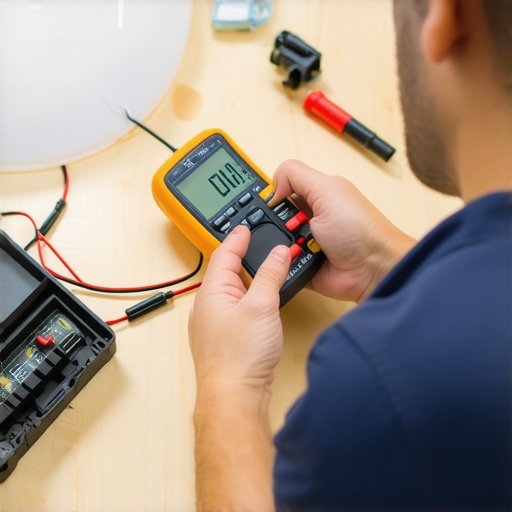
Maintaining your appliances over the long term requires more than just basic cleaning and occasional repairs. I rely on specific tools and systems that help me identify issues early and keep everything functioning optimally. One of my go-to devices is a digital multimeter, which I use for testing electrical components like thermostats and relays. It’s essential because many appliance failures stem from electrical faults, and catching these early can save a lot on repairs. For example, when my refrigerator’s compressor isn’t running efficiently, I test its relay and start capacitor—tools I consider indispensable.
Another tool I swear by is a high-quality appliance inspection camera. This tiny camera allows me to peer inside tight spaces, such as behind dryers or within dishwasher drains, without the need for invasive disassembly. It’s especially useful for troubleshooting issues like clogged drain loops or hidden mold behind seals, which can compromise appliance longevity. To keep track of routine diagnostics and repairs, I also use maintenance logs on my smartphone. Apps like Evernote or specialized appliance trackers help me schedule regular checkups, note any anomalies, and plan preventive maintenance to extend the lifespan of my appliances.
Beyond physical tools, I utilize software diagnostics when possible. Many modern appliances offer diagnostic modes accessible via their control panels. Familiarity with these can save a trip to the repair shop. For example, running diagnostic cycles on my smart washing machine can reveal error codes related to door sensors or water inlet valves, saving time and money.
Looking ahead, I predict that smart diagnostic tools will become more accessible and integrated directly into appliances. Manufacturers are increasingly embedding IoT sensors that monitor performance in real-time, alerting homeowners via apps before issues escalate. This proactive approach is the future of appliance maintenance, reducing unexpected breakdowns and costly repairs.
How do I maintain appliance health over time?
The key is consistent, proactive care combined with the right tools. Regularly inspecting and testing critical components—like capacitors, relays, and seals—can prevent small problems from turning into major failures. For example, checking your capacitor periodically, especially if your refrigerator’s compressor is acting up, can help you catch issues early. Learn to interpret error codes logged by your appliances; this can often guide you toward repairs before the problem worsens. Remember to consult technical resources, such as detailed appliance repair guides or manufacturer specifications, to ensure proper handling. For instance, knowing the signs that your AC capacitor is bulging can help you act in time; see this guide.
Finally, investing in quality tools and sticking to a maintenance schedule will keep your appliances reliable and efficient for years to come. Why not start by testing your refrigerator’s compressor relay today? It’s a simple step that can prevent costly replacements in the future.
What I Wish I Knew Before Rushing for Fast Repairs
One of the biggest lessons I learned is that quick service often disguises hidden pitfalls. I once called a tech for a same-day fix, only to find out later that the service voided my warranty because of improper repair procedures. It’s tempting to prioritize speed, but understanding the fine print saved me from unexpected costs. Additionally, I realized that not all technicians are equally qualified—certification matters more than just rapid scheduling. These insights taught me that patience and homework are vital, even when appliances act up last minute.
Tools and Resources That Make Appliance Care Easier
Over time, I curated my personal toolkit, which includes a reliable digital multimeter for electrical checks and an inspection camera to peek behind panels without unnecessary disassembly. These tools help me spot issues like faulty relays or clogged drain loops early, preventing costly breakdowns. Moreover, I trust industry-recognized guides such as these diagnostic resources for troubleshooting. They empower homeowners to grasp complex problems and decide when professional help is truly necessary.
Your Next Power Move in Appliance Life Extension
Taking proactive steps with small diagnostics can dramatically extend your appliance lifespan. For example, routinely testing your refrigerator’s capacitor or inspecting washer hoses keeps minor issues from escalating. Investing in quality tools and dedicating time to maintenance creates a sense of control and reduces reliance on emergency repairs. Remember, understanding the nuances of warranty clauses—like what warranties truly cover—can save you from costly disputes later. The best repair is one you prevent upfront, so make time for regular checks and stay informed about your appliances’ needs.