

I sat on my laundry room floor last Tuesday, staring at a heap of damp towels that had already been through two ninety-minute cycles. I was ready to call it quits and browse for a new machine. I even thought I might need an expert guide to appliance repair and installation just to figure out how to get a new one in the door. But then I remembered a mistake I made years ago: ignoring the exit point where the vent meets the wall. Back then, I didn’t realize that a simple thermal switch reset wouldn’t fix a machine that simply couldn’t breathe. I’d spent money on parts I didn’t need, all because of a clog I couldn’t see. Have you ever found yourself checking the dryer every twenty minutes only to find your jeans are still soaking wet? It is incredibly frustrating, but I promise we can fix it today.
Stop Running the Same Load Three Times
The culprit isn’t always a broken heating element; often, it’s a silent, fluffy killer hiding where you’d least expect. We’re going to find that exact blockage and get your laundry time back to something reasonable. Most people think cleaning the lint trap is enough, but that’s just the tip of the iceberg. I learned the hard way that why your dryer vent needs a rigid metal pipe instead of foil is actually about more than just building codes—it’s about preventing the narrow accordion bends where lint loves to congregate and harden over time. According to the National Fire Protection Association (NFPA), nearly 27 percent of dryer fires are caused by a failure to clean these vents, making this more than just a matter of convenience. By clearing this hidden obstruction, you aren’t just saving money on your electric bill; you are literally protecting your home.
Does This Actually Require a Professional?
You might be skeptical. You might wonder if you can just stick a vacuum back there and call it a day. While a DIY approach works for minor lint, if your machine is sounding like a freight train, you might be dealing with drum roller wear caused by the extra heat and strain of those marathon cycles. Have you ever felt the top of your dryer and noticed it’s incredibly hot to the touch, even though the clothes inside are still damp? That’s the classic sign of an airflow bottleneck. We’re going to walk through the steps to clear it yourself, but if you see signs of scorched wiring or melted plastic inside the cabinet, that is the moment to call for same-day appliance repair. Let’s get into where that sneaky clog is likely hiding.
Pull the Plug and Inspect the Airway
Before you touch a single screwdriver, unplug that machine. We are dealing with heat, electricity, and potentially a lot of dust. I remember helping my brother-in-law with his dryer last year; he had been complaining about “laundry marathons” for weeks. When we finally pulled the unit out, we realized the proper way to secure a stacked laundry unit isn’t just about stability, but about making sure the flexible hose doesn’t get crushed against the back wall. If that hose is pinched, it’s like trying to run a marathon while breathing through a cocktail straw. Check the back of your machine first. If the hose looks like an accordion that has been stepped on, you have found your first culprit.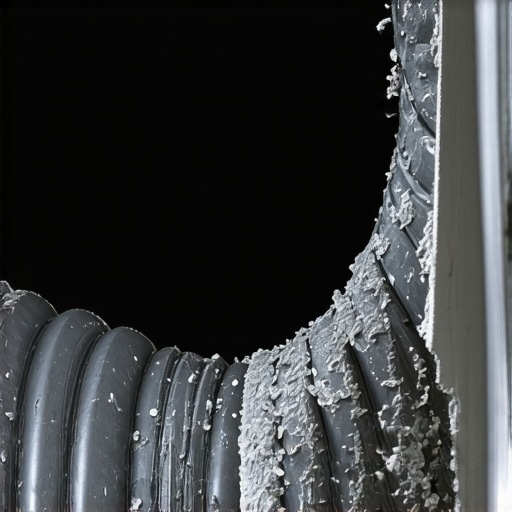
The Deep Clean Every Vent Deserves
Grab a vacuum with a long crevice tool or a dedicated vent cleaning brush. You want to start from the inside—the lint trap housing—and work your way out. I once found a stray Lego and three quarters lodged in that narrow slit, creating a dam that caught every bit of fluff passing through. If you can’t reach the blockage, you might need a “snake” brush that attaches to a power drill. This spins through the vent line, breaking up the “lint bricks” that form when moisture meets dust. If you find your machine is still struggling after a deep clean, you might actually be looking at the moisture sensor trick for perfectly dry laundry every time to ensure your settings are not the actual problem.
Ditch the Foil for a Permanent Fix
If you are still using that flimsy, silver foil hose, you are essentially inviting lint to stay for dinner. Those ridges are magnets for debris. I transitioned my own setup years ago because why your dryer vent needs a hard pipe upgrade became obvious the moment I saw how much smoother the airflow was. Rigid metal piping has a smooth interior, meaning there is nowhere for the lint to snag. It is a slightly more involved how to ensure reliable appliance installation in 2025 step, but it prevents the specific clogs that lead to overheating.
Verify the External Exit
Finally, go outside. This is where most people forget to look. Check the vent flap while the dryer is running. Is it opening fully? I once discovered a small wasp nest blocking the louvers on my external vent cap. The dryer was working perfectly, but the “exit door” was locked shut. If you find the air isn’t moving freely even after cleaning the internal pipe, you might have a blockage in the wall itself. This is the point where you need to decide if you have the tools to go deeper or if you need an expert guide to appliance repair and installation today to ensure the ductwork is properly routed through your home’s structure without hidden traps.Most people think that ‘same-day service’ is just a marketing hook designed to charge a premium for desperation. However, in the modern logistics world, same-day appliance repair is actually a sign of a highly optimized supply chain rather than a rushed job. Local experts now use predictive inventory systems, meaning they carry the most common failing sensors and fuses on their trucks specifically to avoid a second trip. It is actually more efficient for the technician and cheaper for you in the long run. If you are waiting three days for a ‘cheaper’ technician, you are likely paying more in spoiled food or laundromat fees than you are actually saving on the labor rate. Another nuance people miss is the ‘professional installation’ trap. You might be a wizard with a wrench, but many high-end manufacturers now include clauses that require fast-trustworthy appliance installation near you by a certified technician to keep the full warranty active. I have seen homeowners save $150 on installation only to lose a $1,200 compressor claim because the unit was not ‘commissioned’ according to the specific technical manual. According to the Association of Home Appliance Manufacturers (AHAM), improper installation accounts for a significant percentage of early-life failures that are technically classified as ‘user-error’ under the fine print.
Why Does My Warranty Claim Keep Getting Rejected?
It often boils down to a lack of a clear paper trail. You need to maximize your appliance warranty during emergency repairs by keeping a digital folder of every single maintenance receipt. If you cannot prove you have performed the manufacturer-recommended descaling on your dishwasher or the annual lint clearing on your dryer, the manufacturer can argue the failure was due to neglect. This is why I always tell people that the one maintenance record that saves your appliance warranty claim is not just a receipt—it is a dated photo of the clean components or a signed service log. The ‘Oops’ factor often happens right at the start of the ownership cycle. Many people forget that an expert guide to appliance repair and installation today is not just about fixing what is broken; it is about verifying the home’s infrastructure. For instance, hooking a high-efficiency dryer to an old, undersized circuit can cause micro-fluctuations that fry the control board over six months. You will not notice it immediately, but your wallet certainly will. Have you ever fallen into this trap of skipping the fine print or DIY-ing a job that required a pro? Let me know in the comments. We also need to talk about how to prove periodic maintenance to keep your warranty valid so you never get stuck with a ‘claim denied’ letter again.I’ve learned that the difference between a five-year lifespan and a fifteen-year one often comes down to a $20 tool and a few sheets of paper. If you’re serious about DIY, you need a decent digital multimeter. I use mine to check the one wire that always fails in your smart thermostat before I ever consider buying a replacement unit. It’s about precision, not guesswork.
Win the Warranty Battle with a Simple Paper Trail
Dealing with manufacturers can feel like a full-time job. I’ve seen so many people lose out because of the wear and tear clauses that might void your warranty. To stay ahead, I keep a dedicated ‘Home binder.’ Every time I do a deep clean or a minor fix, I snap a photo of the model number and the date. This is how you learn how to challenge a warranty claim rejection for your fridge when the company tries to claim you didn’t maintain the coils properly. Technical documentation from groups like the Association of Home Appliance Manufacturers (AHAM) emphasizes that consumer-side maintenance is the primary factor in reducing repair frequency. If you can prove you’ve done your part with a dated log, they have no ground to stand on. 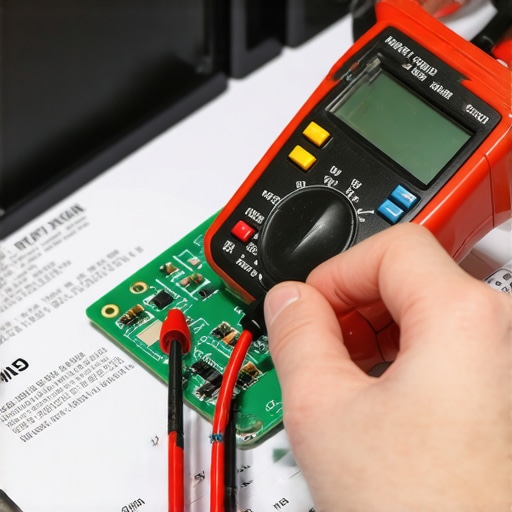
How Can I Keep My Appliances Healthy Over the Next Decade?
The future of home maintenance is moving rapidly toward predictive diagnostics. By 2025, we’ll see more machines that tell you exactly which part is failing before it actually breaks, making scheduling your appliance repair for same-day service in 2025 as easy as clicking a notification on your phone. But until your kitchen is fully autonomous, you have to be the brain of the operation. Check your infrastructure connections; for instance, verify the correct wire gauge for your new electric dryer to prevent heat-related failures and board damage. Also, never ignore the little things, like the shipping bolt error that ruins new washing machines during a move or initial setup.
Stop Guessing and Start Measuring
Most people wait for a loud bang or a puddle before they look at their appliances. I recommend a ‘quarterly walkthrough.’ Spend thirty minutes checking the magnetic seals on the fridge and the filters in the dishwasher. If you find something off, you can often find affordable same-day appliance fixes with warranty benefits that cost a fraction of a full replacement. My specific challenge to you: Go to your laundry room right now and check the temperature of the external vent while the dryer is running. If it isn’t pushing out a strong, hot breeze, you have a maintenance task waiting for you. We still need to cover how to ensure reliable appliance installation in 2025 so your next upgrade starts on the right foot.
The Real Reason Your Fixed Appliance Keeps Breaking
Over the years, I’ve realized that most repeat breakdowns aren’t actually bad luck; they’re the result of ignoring the home’s infrastructure. I used to think that as long as I followed an expert guide to appliance repair and installation today, the job was done. But the real lightbulb moment came when I realized that a brand-new machine is only as good as the wires and pipes behind it. If you have an old vent line or outdated wiring, you’re basically putting a racing engine into a go-kart. Another hard-earned lesson: never underestimate the power of a digital paper trail. Knowing how to prove periodic maintenance to keep your warranty valid is the difference between a free replacement and a thousand-dollar bill. Finally, I’ve learned that speed doesn’t mean sloppy. Seeking same-day appliance repair is often the most cost-effective move because it stops the cascading damage that occurs when you let a small leak or a noisy bearing linger for a week.
Gear That Actually Makes DIY Maintenance Easier
If you want to move beyond basic cleaning and start truly mastering your home, you need a few specific items. First, get a high-quality digital multimeter. It is the only way to accurately check for the wear and tear clauses that might void your warranty by proving a component has electrically failed. Second, I always recommend keeping a physical home binder near your utility closet. This should hold the warranty document you must save before discarding the box and every service receipt. Lastly, never skip the technical manual; manufacturers often hide a cheat sheet inside the unit’s cabinet that lists error codes—find it before you need it.
Start Reclaiming Your Time Today
Maintenance can feel like a chore, but think of it as an investment in your future sanity. You don’t need to be a certified technician to keep your home running smoothly; you just need to be observant and proactive. Whether you are performing a simple lint clearing or coordinating fast-trustworthy appliance installation near you for a new upgrade, you are the one in control of your home’s longevity. Proper appliance repair and installation starts with a single check-up today. Have you ever found a weird object blocking your dryer vent? Tell me about your strangest clog discovery in the comments below!