
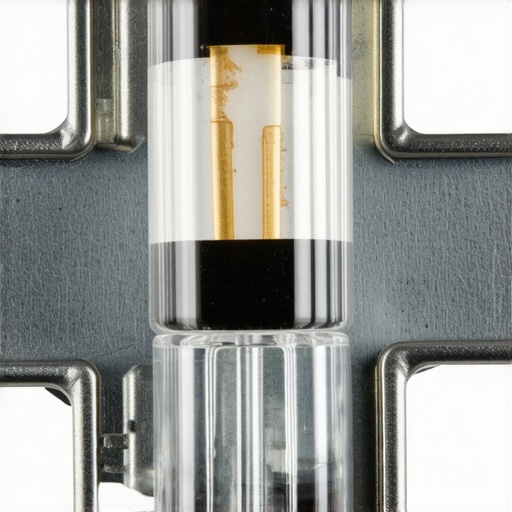
It was a Tuesday night, raining cats and dogs, and I was just trying to heat up some leftover lasagna when the sky lit up, the power surged, and every light in the house did a frantic dance before going pitch black. When the juice finally returned, my oven clock blinked ’12:00′ like a taunt, but my microwave? Stone cold dead. I pressed every button, tried the reset sequence for a glitched microwave display, and even unplugged it for ten minutes. Nothing. I felt that pit in my stomach—the one where you start calculating the cost of a new appliance and wondering if same-day appliance repair experts could even save this beast. I almost hauled it to the curb, but I’m glad I didn’t. Most people don’t realize that inside that metal box sits a tiny, inexpensive protector that is designed to die so the rest of your machine can live.
Don’t Toss Your Microwave Before Checking This One Part
I’ll be the first to admit I’ve made some expensive mistakes. Years ago, I spent nearly $400 on a brand-new stainless steel unit because I assumed a power spike had fried the main control board. I didn’t even know that a ceramic fuse existed, let alone that it was a five-minute fix. I learned the hard way that jumping to conclusions is the fastest way to drain your savings. According to data from the National Fire Protection Association (NFPA), electrical surges are a leading cause of appliance failure, but they often trigger safety mechanisms rather than destroying the entire device. If your display is blank after a storm, you aren’t necessarily looking at a total loss. You might just be dealing with a tripped safety gate. Before you look into fast, trustworthy appliance installation for a replacement, we need to talk about the ‘line fuse.’
Is a five-dollar part actually worth the repair effort?
You might be skeptical. After all, opening up a microwave sounds like something reserved for high-tech labs. But when you realize that this one part is often the only thing standing between you and a functioning kitchen, the effort becomes a no-brainer. Have you ever stood in your kitchen, staring at a blank microwave screen after a storm, feeling that immediate sense of dread? I want to hear about your ‘dead appliance’ horror stories in the comments. Today, I’m going to guide you through the process of identifying this hidden fuse, but we have to be smart about it. We’ll look at the proper way to secure your over-the-range microwave during the process and how to avoid the hidden costs of DIY repairs if your unit is still under a protection plan. Trust me, if I can save my lasagna—and my wallet—after a thunderstorm, you can too.The first rule of microwave surgery is that it isn’t actually about the microwave; it’s about your safety and your budget. You need to verify if you are still covered by a manufacturer agreement because the hidden costs of diy repairs on warranty-covered items can far outweigh the five-dollar price of a replacement fuse. If you are in the clear and ready to proceed, the very first thing you do—before even touching a screwdriver—is unplug the unit. I cannot stress this enough. Then, if you have a model mounted over the stove, you’ll need to handle the proper way to secure your over-the-range microwave to ensure it doesn’t tilt or drop while you’re removing the outer casing.
Beware the energy ghost lurking inside
Even with the plug pulled, a microwave is a bit of a trickster. It houses a high-voltage capacitor that stores electricity like a coiled spring waiting to snap. It can hold a lethal charge for days after being disconnected from the wall. I remember the first time I saw a professional discharge one with a specialized tool; the spark was loud enough to make me jump and realized my lasagna wasn’t worth a trip to the ER. If you aren’t comfortable discharging it, this is exactly the point where you should look for an expert guide to appliance repair and installation today or call for professional backup. 
How to find the ceramic guardian
Once the cover is off, follow the power cord from where it enters the cabinet. It usually leads directly to a small circuit board where you’ll find a cylinder about an inch long. This is the line fuse. Unlike the clear glass fuses in old cars, these are often ceramic, meaning you can’t just look at them to see if they’re blown. I once spent twenty minutes staring at a perfectly white fuse, convinced the problem was a fried magnetron, only to find out the fuse was internally toast. It taught me that guessing is a waste of time; you need a multimeter for a definitive answer.
Put the fuse to the test
Set your multimeter to the ‘Ohms’ or ‘Continuity’ setting. Touch the probes to either end of the fuse. If the meter beeps or shows nearly zero resistance, the fuse is fine, and your problem is deeper—perhaps a faulty door switch or a fried main board. But if the meter stays silent or shows ‘OL’ (Open Loop), you’ve found your culprit. It’s a satisfying moment, realizing a tiny piece of ceramic just saved you from the shipping bolt error that ruins new washing machines or other costly installation blunders. If the fuse is dead, pop it out gently. I used a plastic pry tool once because I was terrified of metal near the electronics, and it worked like a charm without scratching the board.
Why the right tools change the game
Don’t try to force the casing screws with a generic flathead if they are Philips or Torx. Just like finding the specific wrench you need to unjam a disposal in seconds, having the exact bit for your microwave screws prevents stripped heads that turn a five-minute fix into a two-hour nightmare. Once the fuse is out, take it with you to the hardware store to ensure the amperage and voltage ratings match perfectly. If you are worried about the downtime or the complexity, checking for affordable same-day appliance fixes with warranty benefits can sometimes get a pro to your door with the part faster than you can find a parking spot at the big-box store. Don’t forget that if you find more than just the fuse is blown, you should maximize your appliance warranty during emergency repairs by documenting the damage before replacing parts.Now, let’s dig a bit deeper into the reality of these ‘quick fixes.’ Most DIY guides tell you that once you find the blown fuse, you’ve won. I used to believe that too, but I learned that a fuse is almost never the actual problem—it’s the symptom. Everyone says to just swap the part and move on, but in my experience, the fuse is often a sacrificial lamb protecting you from a faulty door interlock or a failing magnetron. If you replace the fuse and it immediately pops again, you aren’t dealing with a bad part; you’re dealing with a short circuit that could potentially fry your expensive control board if you keep forcing it. 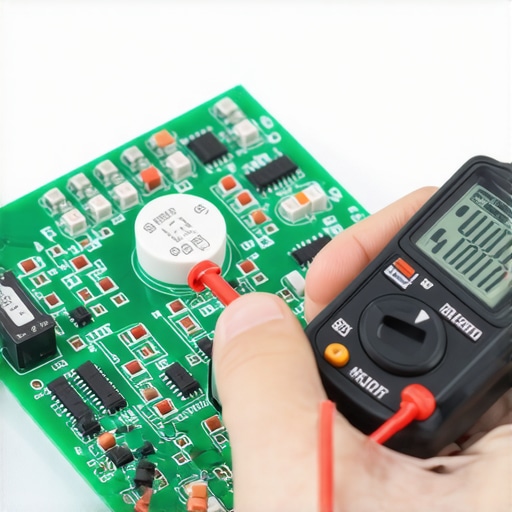
Can a five-dollar fuse actually hide a bigger electrical disaster?
According to a recent report by the Association of Home Appliance Manufacturers (AHAM), modern micro-processors are increasingly sensitive to voltage fluctuations, meaning that a fuse blowing is often just the tip of the iceberg. This brings us to the ‘Oops’ factor that catches so many homeowners off guard: the warranty trap. I’ve seen people save five dollars on a fuse only to lose five hundred in coverage because they broke a factory seal. You must understand the difference between a manufacturer warranty and a service contract before you pull that back panel off. If you have an active plan, performing your own internal electronics repair is the fastest way to void it. Instead, you should maximize your appliance warranty during emergency repairs by letting a certified tech handle the internal components.
The truth about same-day service promises
Another nuance many people get wrong is the expectation of speed. When people look for what to expect from same-day appliance repair experts, they assume the machine will be heating up food by dinner time. However, the advanced reality is that ‘same-day’ often applies to the diagnostic visit, not necessarily the finished repair if a specialized part is needed. To avoid the deductible trap in most third-party appliance protection plans, always ask if the technician stocks common ceramic fuses on their truck before they arrive. It’s also vital to consider the hidden costs of DIY repairs on warranty-covered items, such as the loss of future labor coverage. If you are worried about the technical side, opting for affordable same-day appliance fixes with warranty benefits ensures that if the new fuse blows again in ten minutes, the pro is liable for the fix—not your bank account. Have you ever fallen into the trap of replacing a part only to have it break again immediately? Let me know in the comments below.
I’ve spent years tinkering, and if there’s one thing I’ve learned, it’s that a $20 tool can save you a $200 service call. Specifically, I swear by the Klein Tools non-contact voltage tester. Before I even reach for the multimeter, I use this to verify there’s no ‘ghost’ power lingering in the wires. It’s about peace of mind. If you’re serious about your home ecosystem, you also need to focus on how to ensure reliable appliance installation in 2025 by following the newer electrical codes that demand better grounding for sensitive electronics.
One thing that separates the ‘one-time fixers’ from the pros is documentation. I keep a dedicated folder for every major machine I own. Why? Because the one maintenance record that saves your appliance warranty claim is often just a simple photo of a clean condenser coil or a receipt for a professional inspection. Without that, a claim adjuster might argue you neglected the machine, leaving you on the hook for the full bill.
Tools that save my sanity during a power outage
Beyond the basics, I recommend a magnetic screw tray. It sounds simple, but when you are trying to remember where the four different lengths of screws go for an over-the-range unit, it’s a lifesaver. I once lost a specialized Torx screw down the back of a range, and it turned a quick fix into a three-hour scavenger hunt. Expert documentation from the International Association of Certified Home Inspectors (InterNACHI) suggests that the lifespan of most major appliances can be extended by nearly 30% simply through routine inspection and the use of the correct diagnostic tools.
How do I maintain my kitchen appliances over time?
The secret isn’t just fixing things when they break; it’s preventing the stress that causes the break. For microwaves, this means minding the critical airflow gap needed behind your integrated microwave. If that vent is blocked by dust or poor cabinetry design, the internal components run hot, which eventually pops that line fuse we talked about earlier. According to technical bulletins from GE Appliances, heat is the number one killer of magnetrons and control boards.
The shift toward AI-powered diagnostic sensors
I truly believe the landscape of repair is shifting. In the next few years, we’ll see ‘Predictive Maintenance’ become the standard. Instead of wondering why the oven won’t turn on, your phone will ping you a week in advance saying the igniter is losing its resistance and needs a swap. Until that high-tech future arrives, scheduling your appliance repair for same-day service in 2025 will still be your best bet for those emergencies that bypass our DIY skills.
If you aren’t ready to dive into the wiring yourself, there is no shame in seeking same-day appliance repair quick solutions with warranty support. Professionals have the calibrated equipment to find the ‘why’ behind the ‘what.’ My challenge to you this weekend is simple: find your microwave’s user manual and identify exactly where its vents are located. Clean them out. It’s a five-minute task that could save you from the exact Tuesday night lasagna disaster I lived through.
We’ve covered the mechanics, the tools, and the safety risks, but there is a psychological side to fixing your own gear that often goes unmentioned. When you finally hear that microwave beep after a repair, it feels like a victory against the ‘throwaway culture’ we live in today. But that victory only counts if it’s done safely and without voiding your future protection. Before we part ways, I want to share the deeper lessons I’ve gathered from years of troubleshooting.
Three Hard Truths I Learned After Too Many Cold Dinners
The first thing you have to accept is that a fuse is rarely a ‘bad part’—it is a messenger. If you find yourself needing to perform the reset sequence for a glitched microwave display every other week, the fuse is simply the last line of defense for a bigger electrical issue. I once ignored a recurring fuse pop only to realize later that a door switch was arching, which could have started a fire.
Second, the internet makes everything look easy in a thirty-second clip. In reality, the most time-consuming part isn’t the repair; it’s the prep. I’ve seen people skip the proper way to secure your over-the-range microwave and end up with a cracked cooktop because the unit slipped. Precision matters more than speed.
Finally, always respect the ‘invisible’ costs. You might save twenty dollars on a DIY fuse, but the hidden costs of diy repairs on warranty-covered items can manifest as a total loss of coverage if a technician spots signs of tampering later. If you are ever in doubt, checking for affordable same-day appliance fixes with warranty benefits is the smartest move for your long-term budget.
Gear That Makes You Feel Like a Pro
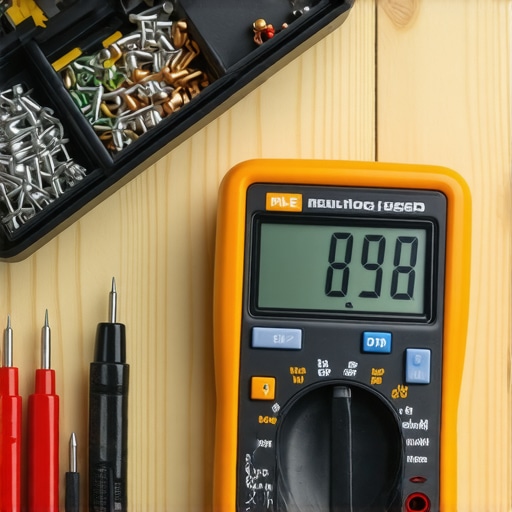
If you want to move beyond basic troubleshooting, you need a kit that matches your ambition. I never open a cabinet without my digital multimeter. It’s the only tool that gives you a ‘yes’ or ‘no’ answer when a fuse looks perfectly fine on the outside. I also highly recommend the iFixit Pro Tech Toolkit; the specialized bits are essential for the weird security screws manufacturers use to keep you out. For safety, a non-contact voltage tester is non-negotiable—it’s your first line of defense against the ‘energy ghost’ we discussed. Lastly, I always keep a digital copy of the Manufacturer’s Service Manual on my tablet. It’s the literal blueprint for your specific model and is far more reliable than a generic YouTube video.
Ready to Take the Plunge?
Whether you decide to swap that ceramic fuse yourself or realize it’s time to seek what to expect from same-day appliance repair experts, you are now a more informed homeowner than you were twenty minutes ago. Knowledge is the best tool in your drawer. If you choose to bring in a pro, you’ll know exactly what questions to ask and how to maximize your appliance warranty during emergency repairs. Taking care of your home isn’t just about the hardware; it’s about the peace of mind that comes with knowing your appliance repair was handled correctly. Have you ever attempted a repair only to realize you were missing one tiny, specialized tool? Let me know your ‘missing part’ stories in the comments below!