
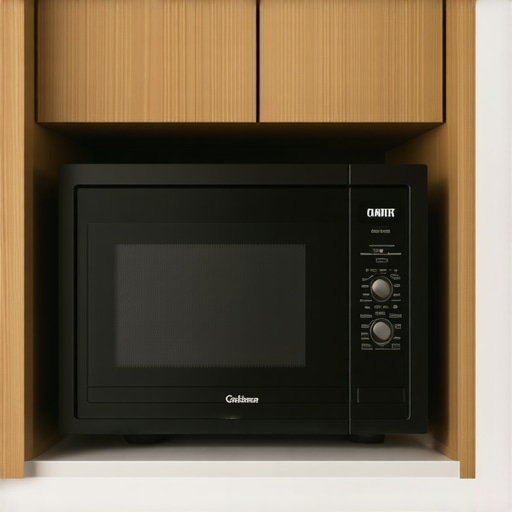
I will never forget the acrid smell of expensive plastic melting behind my brand-new cherry wood cabinets. It was a lazy Saturday afternoon, and I had just finished what I thought was a masterful kitchen remodel. I had tucked that integrated microwave so snugly into its custom nook that there wasn’t a sliver of light around the edges. It looked magazine-ready. But by the time the popcorn bag finished its second rotation, the control panel went dark, and the heat radiating from the woodwork was enough to make me break into a cold sweat. I had made a classic rookie mistake: I forgot that even the most high-tech appliances need to breathe just as much as we do. Today, I am going to show you exactly how to avoid that $500 heartbreak by mastering the critical airflow gap that most DIYers—and even some pros—completely ignore.
Why tight cabinets are a death sentence for your microwave
Most of us focus on the aesthetic flush mount, but that integrated look can be a trap. When a microwave operates, the magnetron generates an incredible amount of heat that must be dissipated. If you don’t follow reliable appliance installation standards, that heat builds up in the wall cavity, cooking the internal components from the outside in. I once thought that a half-inch of space was plenty, but I was wrong. Heat doesn’t just sit there; it needs to move. Without a clear path for intake and exhaust, your microwave’s internal thermal fuse will trip—or worse, the control board will simply fry. When you are learning the proper way to secure your over-the-range microwave or any integrated unit, the ventilation path is actually more important than the screws holding it up. Have you ever touched your cabinet doors after running the microwave and felt an unusual warmth? That is your first warning sign.
Will an extra inch of space really stop a kitchen fire?
It sounds like such a small detail, but that inch is the difference between a ten-year appliance and a two-month paperweight. Many homeowners worry that a gap will look ugly, but specialized trim kits are designed to hide the space while allowing air to flow. If you skip this, you aren’t just risking the machine; you are risking your coverage. I found out the hard way that technicians can spot heat damage instantly, and they will use it to deny your claim. Before you slide that unit in, make sure you have the warranty document you must save to check the manufacturer’s specific clearance requirements. According to the International Association of Certified Home Inspectors, improper clearance is a leading cause of premature magnetron failure. If you are already smelling something funky, it might be time to look into quick solutions with warranty support before the damage becomes permanent. Let’s look at the specific measurements that will keep your kitchen safe and your popcorn popping.
Get the Tape Measure Out Before You Buy
To stop your microwave from becoming a high-priced fire starter, you need to treat the rough opening like a breathing room, not a coffin. Start by measuring the depth of your cabinet and comparing it against the unit’s chassis—not just the faceplate. You need at least one inch of clearance at the rear and sides, and if you’re working with an integrated wall unit, you have to follow the proper clearance needed to prevent oven overheating. I’ve seen homeowners try to jam a full-sized countertop model into a tight cubby, only to have the glass platter stop spinning because the motor got too hot to function. This isn’t just about fitting it in; it’s about ensuring the internal cooling fan has something to pull from.
Think of Your Cabinet as a Living Lung
Air must come in through the bottom or sides and exit through the top or rear. If you block that intake, the magnetron works overtime and eventually burns out. When you focus on reliable appliance installation, you realize that the gaps you see in professional kitchens aren’t mistakes; they are intentional air tunnels. I remember helping my neighbor, Steve, who thought a tight fit was a sign of quality. We had to take a jigsaw to his custom cherry cabinetry three weeks later just to vent the heat because his microwave started smelling like scorched ozone every time he defrosted a bagel. He was devastated about the wood, but it was that or a house fire. 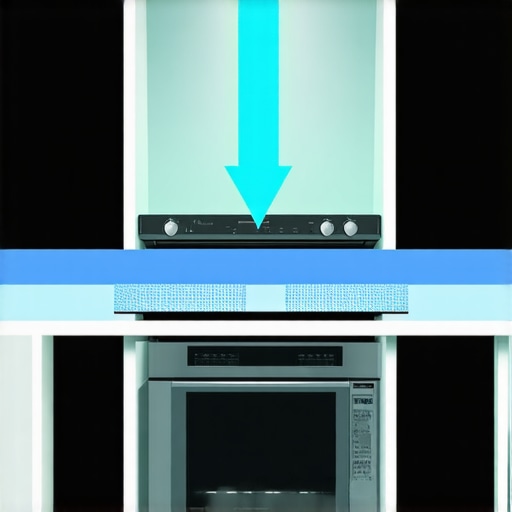 The ‘thermal chimney effect’ is your best friend here. Heat naturally rises, so if you provide a clear path at the top of the alcove, the microwave will essentially cool itself by creating its own draft. If you choke that path, the heat loops back into the intake, and you get a thermal runaway that fries the control board.
Secure the Unit Without Suffocating the Electronics
When you are finally ready to bolt it in, use the mounting brackets provided by the manufacturer rather than improvised wooden cleats. These brackets are precision-engineered to maintain that necessary gap. If you’re dealing with a built-in model, ensure your trim kit is actually compatible with your specific model number. Following the proper way to secure your over-the-range microwave ensures that the vent fan can actually push air into the ductwork instead of just swirling it around your cabinets. This is especially true for recirculating models that use charcoal filters; if the air can’t exit the top vent, it will blow back into your face. Always double-check the warranty document you must save to see if your specific model requires a dedicated rear vent or if it can breathe from the front. If you’re unsure if your current setup is safe, it’s worth looking for fast trustworthy appliance installation near you to get a professional set of eyes on the ventilation path before you commit to a permanent, and potentially dangerous, mounting position.Everyone tells you that ‘if it fits, it sits,’ but in the world of high-end kitchen design, that philosophy is an expensive lie. I’ve seen countless DIYers brag about a ‘zero-clearance’ look, thinking they’ve achieved professional-grade precision. In reality, they’ve just built a very expensive kiln. Most modern microwaves use inverter technology that hides the symptoms of overheating by automatically lowering power levels. You might notice your soup takes an extra minute to get hot and assume the unit is just aging, but it’s actually a desperate cry for help from a suffocating magnetron. By the time you call for affordable same-day appliance fixes with warranty benefits, the internal damage is often irreversible.
Can your microwave survive a kitchen remodel without a dedicated vent?
Not for long. There is a massive difference between a manufacturer’s warranty and a secondary protection plan. I always tell my clients to understand the difference between a manufacturer warranty and a service contract before they start cutting into their drywall. If a technician arrives and sees that you’ve ignored the clearance specs in the manual, they will label it as ‘environmental abuse’ or ‘improper installation,’ which instantly voids your coverage. You’ll be stuck with the hidden costs of diy repairs on warranty covered items, which usually means paying full price for a new control board out of pocket. 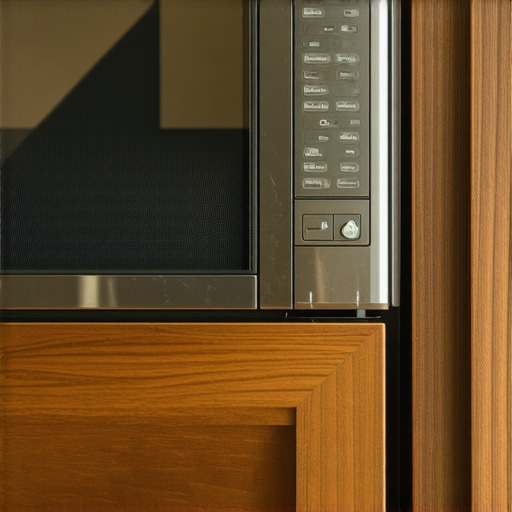 This is why the ‘Oops’ factor is so high with integrated appliances. People focus on the mounting screws but ignore the physics of air. According to the Association of Home Appliance Manufacturers (AHAM), heat is the number one enemy of solid-state electronics, and even a 10-degree Celsius rise above operating limits can halve the lifespan of sensitive components. If you aren’t sure how to balance aesthetics with airflow, it is much cheaper to consult an expert guide to appliance repair and installation today than to replace a high-end built-in unit every three years. You need to look for warranty-backed appliance services you can rely on that specifically mention ventilation testing as part of their install process. Have you ever fallen into this ‘tight-fit’ trap? Let me know in the comments.To keep your kitchen humming without a hitch, I’ve learned to rely on a few ‘pro-level’ gadgets that most people think are only for technicians. My absolute favorite is a non-contact infrared thermometer. I don’t care how sleek your kitchen looks; if that microwave is pushing 150 degrees on the exterior casing, you’re in the danger zone. I use it to verify my work every time I perform reliable appliance installation. If you see those temps spiking, it’s a sign that the ‘thermal chimney’ I mentioned earlier is blocked. It’s much cheaper to catch this early than to wait until you’re searching for what to expect from same-day appliance repair experts because your unit went dead mid-dinner party.
The $20 Tool That Saves a $500 Circuit Board
Beyond the thermometer, a simple can of compressed air is your best friend. Every six months, I pull my microwave out just an inch and blow out the dust from the intake vents. Dust acts like a blanket, trapping heat and forcing the cooling fan to work twice as hard. If you have an over-the-range model, you also need to know how to clean the hidden filter in your range hood. A greasy filter doesn’t just smell; it creates backpressure that overheats the entire chassis. I’ve seen magnetrons fail three years early simply because the owner forgot that air needs a clear exit strategy. 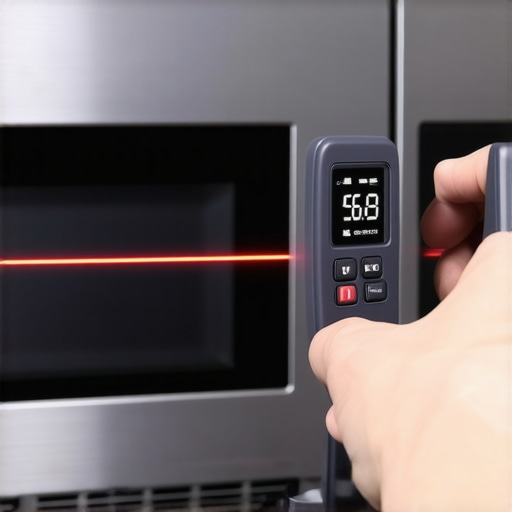
How do I keep my integrated appliances running for a decade?
Consistency is the secret sauce. I keep a digital folder with photos of my installation clearances and a log of every time I’ve cleaned the vents. Why? Because the one maintenance record that saves your appliance warranty claim is your only shield when a manufacturer tries to blame ‘user neglect’ for a part failure. According to the Underwriters Laboratories (UL 923) standard for microwave cooking appliances, the temperature rise on surfaces surrounding the appliance must be strictly controlled to ensure safety. If you can prove you’ve maintained those clearances and kept the vents clear, you’re in a much stronger position to demand a repair under warranty.
Stop Your Warranty from Getting Voided Before You Call for Help
In the near future, I expect to see ‘Smart Airflow’ sensors become standard in high-end units—sensors that will literally text your phone if they detect a blockage in the cabinet. But until that tech is in every home, you have to be the proactive one. If you notice the buttons getting ‘squishy’ or the display dimming, that’s often heat damage affecting the control board. Instead of DIYing a complex electrical fix, look for warranty-backed appliance services you can rely on to diagnose the root cause. My final piece of advice: Go into your kitchen right now and put your hand on the cabinet directly above your microwave while it’s running. If it feels hot to the touch, you have work to do. Check those clearances today before you’re forced to call for affordable same-day appliance fixes with warranty benefits.
Lessons I Learned the Hard Way While Rescuing Scorched Cabinets
After years of fixing melted woodwork and fried circuits, I have developed a sixth sense for suffocating appliances. First, silence is a warning. If your microwave fan sounds like it is straining or whistling, it is fighting static pressure because the gaps are too small. Second, never trust a universal trim kit; they often block the very vents they claim to hide. When you aim for reliable appliance installation, the air path must be your priority. I have seen homeowners lose high-end built-in units because they prioritized a half-inch of cleaner look over a life-saving vent gap. If you have already noticed signs of heat fatigue, consult an expert guide to appliance repair and installation today before the magnetron gives out entirely.
The Essential Survival Kit for Your High-End Appliances
You do not need a degree in engineering to keep your kitchen safe, but you do need the right tools. Keep a digital folder for your receipts and photos of your setup; the one maintenance record that saves your appliance warranty claim is usually a simple photo showing you followed the clearance specs. I personally use an infrared thermometer to spot-check my cabinets every few months—it is the only way to catch a thermal chimney blockage before it starts a fire. Maintaining the proper clearance needed to prevent oven overheating applies to your microwave just as much as your stove. #IMAGE_PLACEHOLDER_E# Also, make sure you know how to clean the hidden filter in your range hood if you have a combo unit; a greasy filter is like putting a plastic bag over the exhaust vent.
Take Control of Your Kitchens Lifespan Today
Your microwave should not be a source of anxiety or a fire hazard. By giving your appliance just one extra inch of breathing room, you are extending its life by years and protecting your home from unnecessary heat damage. If you ever find yourself in a situation where the damage is done, look for affordable same-day appliance fixes with warranty benefits to get back on track safely. Don not wait for the smell of ozone to tell you there is a problem—act now to ensure your high-tech kitchen stays as cool as it looks. Have you ever felt a hot spot on your cabinets near an appliance? Let me know in the comments below!