
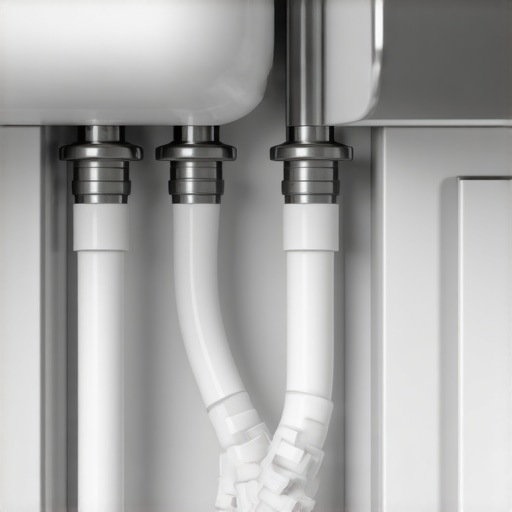
I remember sitting in my kitchen at 11 PM, trying to enjoy a quiet cup of tea, when my brand-new ‘silent’ dishwasher started making a sound like a drainpipe gasping for air. It wasn’t a mechanical grind; it was a rhythmic, wet gurgle that echoed through the floorboards. I had spent a fortune on a high-decibel-rated unit, yet here I was, wondering if I’d accidentally purchased a boat motor instead of a kitchen appliance. It felt like a betrayal of the ‘whisper-quiet’ promise on the box. I realized then that no matter how fancy the insulation is, you can’t muffle the sound of physics gone wrong.
Gravity is the Only Quiet Assistant You Have
Most homeowners think a dishwasher pumps out every last drop of water with brute force. It doesn’t. It actually relies on a delicate balance of pressure and, more importantly, a steady downhill slope to clear the line. Early in my DIY journey, I made the classic mistake of shoving the drain hose through the cabinet hole without a second thought for the angle. I figured as long as the water eventually reached the sink, I was golden. I was wrong. That mistake cost me months of annoying noise and a few soggy cabinets before I learned about the proper drain hose high loop that stops the backflow. When your drain line is too flat, water sits in the pipe, and the pump has to fight through that standing liquid, creating those obnoxious glugging sounds. For a truly professional setup, you need to follow the expert guide to appliance repair and installation to ensure everything is pitched perfectly from the start.
Is a tiny bit of slope really that important?
It absolutely is. If your line is too flat, water stagnates. If it’s angled backward, you get the dreaded ‘sewage smell’ and a pump that works twice as hard—making twice the noise. According to the International Plumbing Code, horizontal drainage pipes should have a minimum slope of 1/4 inch per foot to maintain proper flow. This ensures that solid particles and dirty water move along without needing the pump to go into overdrive. If you ignore this, you might end up needing the right way to fix a noisy dishwasher pump because you’ve worn the motor out prematurely. Have you ever noticed a weird gurgling sound in your sink when the dishwasher runs? That’s usually the first sign your slope is off. It’s a common headache, but luckily, it’s one of those things we can usually fix without calling in a pro for a full replacement. Let’s look at how to get that angle just right and finally get the peace and quiet you paid for.
Kill the Gurgle with a Perfect High Loop
To get rid of that rhythmic gasping sound, you have to look at the high loop—the most ignored part of a DIY setup. The goal is to bring the drain hose up higher than the dishwasher’s water level before it enters the sink drain or garbage disposal. This simple arch uses gravity to prevent dirty sink water from flowing back into your clean machine. I remember one rainy Saturday when I tried to bypass this step by just using a longer hose and laying it flat along the floor. Big mistake. Within two days, the dishwasher smelled like a swamp and the pump was working overtime, emitting a high-pitched whine that drove my dog crazy. I eventually learned that the critical drain hose loop you’re missing in your dishwasher setup is the only way to break that vacuum seal. Use a sturdy plastic strap or a specialized bracket to secure the hose to the very top of the cabinet interior, just under the countertop. This ensures that the water has a clear, gravity-assisted path down into the drain. 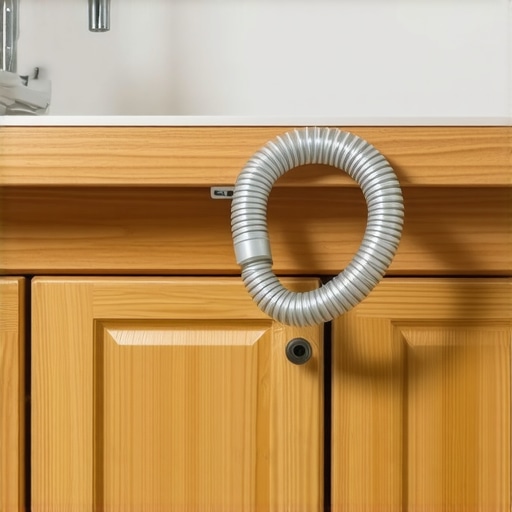
Stop Siphoning Before It Starts
If you don’t have this loop, you’re creating a siphon. As the dishwasher drains, the rush of water can actually pull water right out of the wash chamber before the cycle is even finished, or worse, pull dirty water in. This is often why you’ll see why your dishwasher sprays water but doesn’t clean—it’s essentially washing your plates with yesterday’s soup from the sink. When you’re routing the hose, make sure there are no kinks. A single sharp bend is like a kink in a garden hose; it forces the motor to push against immense backpressure. If you’re tackling this yourself, check out the how to ensure reliable appliance installation in 2025 for the latest plumbing code updates regarding air gaps.
Level the Base to Stop the Mechanical Thumping
A noisy dishwasher isn’t always about the water; sometimes it’s the physical cabinet vibrating against your floorboards. If the unit isn’t perfectly level, the wash arms can strike the racks, or the motor can sit at an awkward angle, causing the bearings to wear out. I spent three hours once trying to figure out why my Bosch was ‘clunking’ only to realize the back-left foot was hovering a quarter-inch off the tile. To fix this, use a spirit level on the top edge of the open door. You can adjust the front feet with a wrench, but many modern units have a screw in the front that adjusts the rear feet via a long rod. It’s a bit like the one screwdriver turn that levels a rattling washer—a tiny adjustment makes a massive difference in decibel levels.
Check Your P-Trap Connection
The final piece of the silence puzzle is where the hose actually meets the house plumbing. If the connection is loose or if you’ve bypassed the the p-trap mistake that causes your dishwasher to smell like sewage, you’ll hear every single splash echoing up through the sink. Tighten the hose clamp just enough to be snug; over-tightening can crack the plastic inlet on your garbage disposal. If you’ve followed these steps and still hear a struggle, it might be time to look into the drain hose high loop that stops dishwasher backflow once more to ensure the angle is steep enough. A quiet kitchen isn’t a luxury; it’s the result of getting these three physical factors—pitch, loop, and level—exactly right.Let’s dig deeper. Most people assume that “same-day service” is just a marketing hook designed to get a technician in the door, often at the expense of a thorough job. I used to think the same until I saw a minor pump vibration turn into a flooded kitchen because I waited for a “convenient” appointment. The truth is, speed in appliance repair isn’t about rushing; it’s about triage. Getting someone out immediately often prevents the “cascade failure”—where a small mechanical hiccup kills the expensive control board. If you’re scheduling your appliance repair for same-day service in 2025, here is the contrarian reality: the best technicians aren’t the ones who are “free” all day, but the ones whose companies have optimized logistics to handle emergencies. Speed is a sign of a well-oiled machine, not a hack job. Use the top tips for same-day service warranty coverage to ensure you aren’t just getting fast help, but the right help.
Is DIY worth risking your entire warranty coverage?
This is the trap I see most “handy” homeowners fall into. We think that swapping a $20 sensor ourselves is a win. However, the Federal Trade Commission (FTC) notes that while the Magnuson-Moss Warranty Act protects you from “tie-in” sales, manufacturers can still deny claims if they can prove your DIY “fix” caused further damage. I’ve seen people lose a $1,200 compressor replacement over a $15 DIY wiring error. Before you grab the pliers, consider the hidden costs of DIY repairs on warranty-covered items. Then there’s the “paperwork ghost.” Everyone saves the manual, but almost no one saves the maintenance logs. If your high-end fridge dies, the manufacturer might ask for proof that you cleaned the coils or checked the seals. If you can’t show how to prove periodic maintenance to keep your warranty valid, you’re essentially handing them an excuse to say “no.” 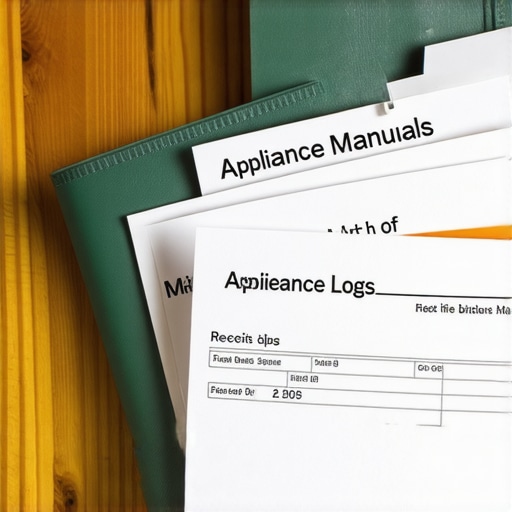
The Paperwork Trap Most Homeowners Ignore
The real nuance lies in the difference between a manufacturer warranty and a service contract. A warranty is a promise of quality; a service contract is a pre-paid repair insurance policy. They have vastly different rules for what counts as “pre-existing” or “normal wear.” If you don’t keep the one maintenance record that saves your appliance warranty claim, you’re playing a very expensive game of chance. I once met a guy who was denied a dishwasher repair because he’d used the wrong type of detergent for three years, which the tech identified by the residue on the heating element. That fell under the wear and tear clauses that might void your warranty. It felt unfair, but it was all in the fine print. Have you ever fallen into this trap or had a warranty claim rejected for a silly reason? Let me know in the comments. We’re all learning the hard way together.If you want to move beyond guessing why your kitchen sounds like a construction site, you need to stop looking at the exterior and start testing the vitals. I don’t go anywhere without my digital multimeter. It is the absolute difference between a $150 ‘guess’ and a $5 fix. For instance, if your fridge is acting up, running the refrigerator thermostat test every diyer should know can save you an entire afternoon of frustration and a spoiled grocery haul. Most people buy a cheap $10 meter from a bin, but I recommend investing in a name-brand unit like Fluke or Klein. Why? Because accuracy matters when you are measuring tiny resistance changes on a sensitive control board. According to technical data from the Association of Home Appliance Manufacturers (AHAM), the average life of a major appliance has fluctuated as units become more efficient, making precision tools and early diagnostics more vital than they were twenty years ago.
The One Tool That Actually Saves Your Sanity
When you are looking for affordable same-day appliance fixes with warranty benefits, remember that the quality of the diagnostic determines the speed of the repair. A professional can walk in, probe a terminal, and know in seconds if the motor is dead or if it is just a tripped thermal fuse. This level of precision is why I always suggest starting with fast trustworthy appliance installation near you for any new purchase. If the base isn’t set perfectly from day one, no amount of high-end diagnostic tools will fix the structural vibration damage that accumulates over the first six months. #IMAGE_PLACE_HOLDER_D#
How do I keep my appliances running like new for a decade?
It is not about a massive deep clean once a year; it is about the habit of ‘micro-maintenance.’ Every six months, I pull my refrigerator out to vacuum the coils and check the door seals for microscopic cracks using the ‘dollar bill test.’ These small acts prevent the compressor from overheating, which remains the leading killer of modern cooling units. If you are unsure where your machine stands, look for same-day appliance repair quick solutions with warranty support to establish a professional baseline. Once a technician confirms every component is within the manufacturer’s spec, your only job is to maintain that equilibrium.
Smart Tech is Coming for Your Toolbelt
Looking ahead, I predict we are about to enter the era of truly predictive repair. We are already seeing the first wave of appliances that can send a notification to your phone a week before a bearing fails because the internal sensors detected a 5% shift in vibration frequency. Until those units are in every home, we have to rely on our ears and our meters. I strongly urge you to go check your dishwasher’s drain hose right now—is that high loop actually secured at the highest possible point under the counter? It is the single simplest way to prevent a swampy mess and keep your kitchen quiet tonight.
What My Repair Tech Neighbors Won’t Tell You
I’ve spent enough time in the trenches of home maintenance to realize that a fast repair isn’t always a good one. The nuance most homeowners miss is that what to expect from same-day appliance repair experts isn’t just a guy with a wrench, but a technician who prioritizes system triage over just swapping parts. I learned the hard way that rushing a drain hose installation without checking the pitch is just a recipe for a redo. Always prioritize warranty-backed appliance services you can rely on to ensure that today’s fix doesn’t become tomorrow’s flood. It turns out that speed is a byproduct of expertise, not the primary goal.
Tools That Save My Saturday
If you are serious about DIY, stop guessing and start measuring. My go-to kit always includes a high-quality digital multimeter and a simple spirit level. But the most important ‘tool’ is actually a boring blue folder in my kitchen drawer. It holds the warranty document you must save before discarding the box. Without that physical paper trail, you are at the mercy of the manufacturer’s database, which isn’t always on your side. When you maximize your appliance warranty during emergency repairs by having your maintenance logs ready, the stress level drops from a ten to a two.
Take Control of Your Kitchen’s Peace
You don’t have to live with a dishwasher that sounds like a gravel truck. By focusing on the high loop, the level base, and the electrical vitals, you can reclaim the quiet sanctuary your home was meant to be. Whether you are tackling this yourself or calling in professional appliance repair help, remember that detail-oriented installation is the only way to ensure long-term reliability. Your kitchen is the heart of your home; don’t let a poorly pitched hose keep it from beating smoothly. #IMAGE_PLACEHOLDER_E# Have you ever found a DIY fix that worked better than the professional’s attempt? Let me know in the comments below!