

I still remember the sinking feeling in my stomach when my refrigerator died on a sweltering July afternoon. The milk was warm, the ice cream was soup, and I desperately needed same-day appliance repair. I called a local company, and the dispatcher cheerily promised, “We can get a tech out today! It’s just a sixty-dollar service call!” I breathed a sigh of relief. But when the technician spent ten minutes looking at the compressor and handed me a bill for two hundred dollars just to tell me it was broken, I was furious. “That is the diagnostic fee, sir,” he said, totally unfazed. I had fallen headfirst into the most confusing trap in the home maintenance industry. Let us clear the air once and for all so this does not happen to you. Today, I am going to break down the exact difference between these two charges so you never get blindsided by a repair bill again.
The Real Cost of Getting a Technician to Your Door
Many homeowners assume that a service fee covers the actual physical labor of fixing the machine, but that is rarely the case. Early in my homeownership journey, I made the costly mistake of assuming a service call included the first hour of labor. It did not. Generally speaking, a service call is the flat fee a company charges just to cover the logistics—gas, vehicle wear and tear, and the technician’s time traveling to your home. On the other hand, the diagnostic fee is the cost of the professional expertise required to pinpoint the exact failure. While some companies combine these, others keep them strictly separate. According to consumer advocacy data from the Consumer Reports association, diagnostic and service trip fees can vary by over one hundred percent in the same zip code, highlighting how critical it is to ask for clarification upfront. If you are dealing with a broken washing machine or stove, knowing this distinction helps you negotiate, especially when deciding if you want to move forward with appliance installation for a brand-new unit instead of sinking money into a dying one.
Are these fees just a clever way to rip you off?
It is easy to feel skeptical and wonder if these upfront charges are just sneaky cash grabs. However, reputable companies must protect their time; otherwise, they would spend all day driving around giving free advice to people who end up doing DIY fixes. The trick is finding an honest provider who will waive the diagnostic charge if you hire them to perform the repair. Have you ever been shocked by an unexpected fee on an appliance repair bill? Let me know in the comments below, because we have all been there, and sharing these experiences is how we keep local businesses honest.
How to Screen Your Repair Tech Over the Phone
To keep your hard-earned money in your pocket, you need to treat the initial phone call with an appliance repair company like a job interview. Think of the service fee like a taxi meter; just because the driver pulled up to your curb does not mean they have driven you to your destination yet. When my dryer went out last winter, I called three different services. The first two gave me vague, winding answers about their pricing. The third company clearly explained that their eighty-dollar service charge was completely separate from the labor rate, but they would waive that initial fee if I agreed to let them complete the work. I took the deal, and they resolved the thermal fuse location you need to check in your dryer in less than thirty minutes. That is how a professional business operates. Ask them point-blank: ‘Does your diagnostic fee get credited toward the final repair bill if I hire you?’ If they hesitate or give you a complicated runaround, hang up and call someone else.
Three Questions to Ask Before They Knock on Your Door
Before you authorize any home visit, you must get clarification on these three critical points. First, ask if their diagnostic fee is flat-rate or hourly. Some shady operators charge by the hour just to find the issue, which means you pay for their slow troubleshooting. Second, confirm whether they have the necessary replacement parts stocked in their vehicle for a same-day appliance repair. If they have to drive back to a warehouse or order a part, you should not be charged a second service fee for their return trip. Finally, ask if their repair work is backed by a warranty. A reliable business will offer you warranty-backed appliance services you can rely on, which protects you from paying another diagnostic fee if the same component fails two weeks later.
Evaluating the Repair Bill Before You Approve the Work
Once the technician identifies the root cause of your appliance issue, they will present you with an estimate. This is where many homeowners make the mistake of signing without reading. I once watched a technician try to charge a friend of mine ninety dollars for ‘diagnostics’ and another hundred dollars for ‘troubleshooting labor’ on the exact same invoice. That is double-dipping, plain and simple. The diagnostic charge is the troubleshooting. Once the technician knows what is wrong, that fee should either disappear into the labor cost or stand alone as the only charge for finding the problem. If you see both listed, ask the technician to explain the difference or call their office immediately to dispute the invoice line by line before any tools touch your machine.
Deciding to Repair Your Machine or Buy a Brand New Unit
When the diagnostic report reveals a massive issue, like a dead compressor in a refrigerator or a cracked tub in a washing machine, you have to run the math. A good rule of thumb is the fifty-percent rule: if the cost of the repair exceeds half the price of a brand-new appliance, do not do it. Instead of sinking three hundred dollars into a seven-year-old dishwasher, put that money toward fast-trustworthy appliance installation near you for a modern, energy-efficient model. When my old washer started making a terrible thumping sound, the technician diagnosed a failing transmission. The fix was going to cost four hundred dollars. I paid the eighty-dollar diagnostic fee, thanked the technician for his honesty, and bought a new machine the next morning because it made far more financial sense than reviving a dying appliance.
The Home Warranty Trap Most People Fall For
Everyone tells you that buying an extended home warranty is the ultimate safety net for your kitchen. In my experience, however, relying solely on these contracts without reading the fine print is a recipe for a massive headache. The industry secret is that many standard plans do not play well with immediate, urgent service needs. When you call for a same-day appliance repair, your warranty company might force you to wait for their specific network of slow-moving contractors, completely bypassing local, fast response teams.
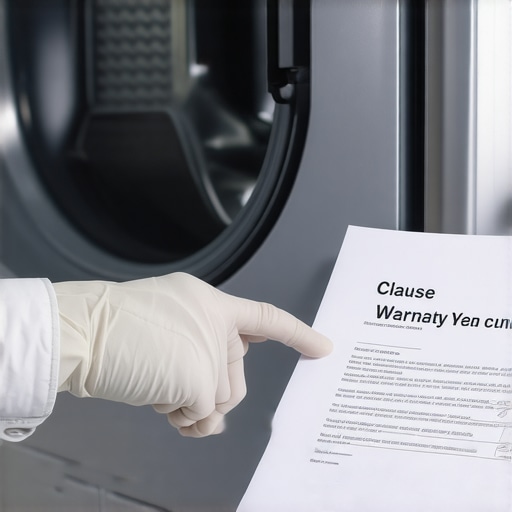
This creates a massive friction point. If you hire your own emergency technician to resolve the issue quickly, the warranty provider will often deny your claim entirely. If you want to protect your wallet and actually get what you paid for, you must understand the difference between a factory warranty and a service contract before agreeing to any service visits. Failing to do so can result in paying out-of-pocket for a repair you thought was fully covered.
Why does the manufacturer deny my coverage after a repair?
This is the ultimate ‘oops’ factor in home maintenance. According to a comprehensive consumer protection study by the Federal Trade Commission on the Right to Repair, manufacturers frequently use the installation of third-party parts as a convenient excuse to void your existing machine coverage entirely. If your technician installs an unbranded, generic belt or heating element, you might save twenty dollars today but lose hundreds in future warranty benefits. Always insist that your service professional uses Original Equipment Manufacturer (OEM) parts, especially during critical, hurried visits.
This rule is even more critical when it comes to brand-new units. If a technician makes a minor mistake during fast-trustworthy appliance installation near you, such as neglecting a dedicated electrical circuit or using an unapproved gas line connector, the manufacturer can easily deny any future claim by pointing to improper installation. Ensuring that your technician provides you with documented, warranty-backed appliance services you can rely on is the only way to keep your coverage intact.
Have you ever fallen into this trap or had a warranty claim denied over a technicality? Let me know in the comments below. Let us keep sharing these experiences so we can navigate these confusing service contracts together as smart, informed homeowners.
While understanding fees and warranty nuances will save you from immediate financial traps, the absolute best way to manage appliance expenses is to prevent breakdowns in the first place. Over years of managing household appliances, I have found that keeping a few specialized tools in your garage can spare you from calling a technician altogether. Instead of relying constantly on emergency visits, taking a proactive, technical approach keeps your machines running exactly as they should.
The Two Maintenance Tools I Personally Swear By
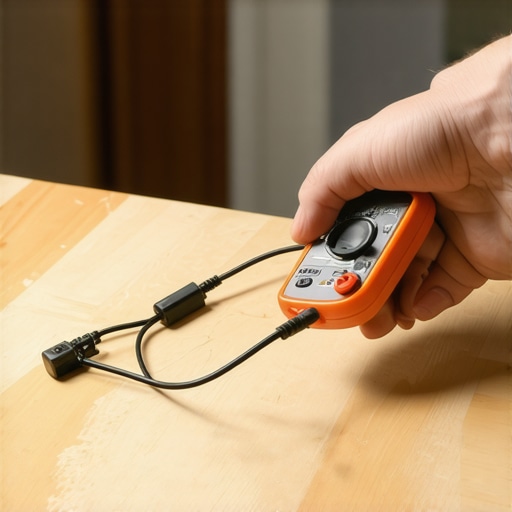
I do not believe in buying massive, expensive toolkits that just collect dust. However, there are two highly specific tools that have saved my household thousands of dollars. The first is a digital multimeter. Many homeowners dread this device because it looks complicated, but it is actually your best friend. When my dryer stopped heating last autumn, I used a basic multimeter to test the thermal limit switch for continuity. Knowing how to read a simple resistance value allowed me to diagnose a blown switch in five minutes, bypassing a costly diagnostic fee.
The second tool is a flexible, long-reach dryer vent brush. Most people assume that a lint trap catches everything, but heavy lint bypasses the screen and packs into the internal exhaust ductwork. This restriction is the hidden venting mistake that leaves your dryer running all day, killing your heating element and skyrocketing your electricity bill. By cleaning the vent duct yourself once a year, you preserve your heating elements and prevent a major household fire hazard.
How do I maintain my major appliances over time?
Consistent, targeted care is the secret to getting fifteen years out of your kitchen and laundry systems. For your dishwasher, stop using standard soap pods that leave a filmy buildup. Instead, run a monthly empty cycle with active citric acid powder to dissolve calcium deposits. This simple cleaning step prevents the filter error that makes your modern dishwasher stop mid-cycle, keeping the internal pressure sensors clear of debris.
For your laundry room, remember that front-load washers are highly susceptible to mildew. Regularly pulling out the dispenser drawer to dry and wiping down the rubber bellows is the secret to deep cleaning a front-load washer gasket and preventing foul odors. According to technical documentation from the Sandia National Laboratories materials research library, even micro-layers of organic residue can accelerate the chemical degradation of synthetic rubber seals. Keeping these surfaces dry and clean extends the lifespan of your washer door seal significantly.
Where Appliance Maintenance Is Going Next
Looking ahead, the era of purely mechanical troubleshooting is fading fast. We are rapidly moving toward a future dominated by smart diagnostics, where your refrigerator or stove will directly transmit diagnostic codes to local repair companies before a technician even steps into your vehicle. While this sounds convenient, it also means manufacturers are trying harder than ever to lock down diagnostic software, making it tougher for independent technicians and DIYers to repair their own machines.
This makes your personal maintenance routine more critical than ever. If you want to avoid expensive service visits and keep your home running smoothly, try this one simple step tonight: pull out your dishwasher filter, rinse it under hot soapy water, and clean the pump cavity. You might be shocked at what is caught in there, and taking ten minutes to clean it now can save you hundreds of dollars in future repairs.
What Experts Won’t Tell You About Service Fees and Fine Print
Over the years, I have seen countess homeowners pay what amounts to an amateur tax simply because they did not know how the system operates behind the scenes. First, a service charge should never feel like a permanent loss. Reliable professionals will almost always apply that initial diagnostic fee directly to your repair labor cost if you hire them to complete the job. Second, check your documentation carefully before agreeing to any fast-tracked solutions. Many homeowners do not realize that standard home warranty claims require pre-approval. If you call an independent technician for an urgent same-day appliance repair without letting your insurer dispatch their own contractor first, you can kiss your reimbursement goodbye. You must understand the fine print in your home warranty that denies every claim to prevent these expensive out-of-pocket surprises.
My Essential Toolkit for Keeping Household Machines Alive
You do not need an entire workshop to protect your home from sudden mechanical breakdowns. In fact, keeping a small, targeted selection of specialized resources and simple tools on hand will save you thousands of dollars over the lifespan of your kitchen and laundry setups. Here are the three resources I personally rely on to keep my own home running smoothly:
- A High-Quality Digital Multimeter: This simple diagnostic tool lets you safely test electrical continuity on components like fuses, heating elements, and switches. Knowing how to use one means you can verify a failed part yourself before paying for diagnostic labor.
- Citric Acid Cleaning Powder: Skip the heavily marketed dishwasher cleaning tablets. Pure citric acid is highly effective at dissolving calcium and mineral scale buildup. Using it regularly prevents the filter error that makes your modern dishwasher stop mid-cycle.
- OEM Parts Catalogs: When a small part breaks, avoid cheap third-party components on auction websites. Stick to official, original manufacturer parts to protect your machinery and ensure you do not void any active warranties.
Take Control of Your Home Maintenance Today
It is incredibly empowering to transition from a stressed consumer who is at the mercy of repair dispatchers to an active, informed homeowner who understands how their machines operate. The next time an appliance starts acting up, do not panic. Take a deep breath, pull out the user manual, check the simple components yourself, and ask the right questions before scheduling professional assistance. By staying proactive and seeking out warranty-backed appliance services you can rely on, you protect both your household budget and your peace of mind. Have you ever successfully diagnosed an appliance issue on your own or negotiated down a service fee? Let me know in the comments below!