
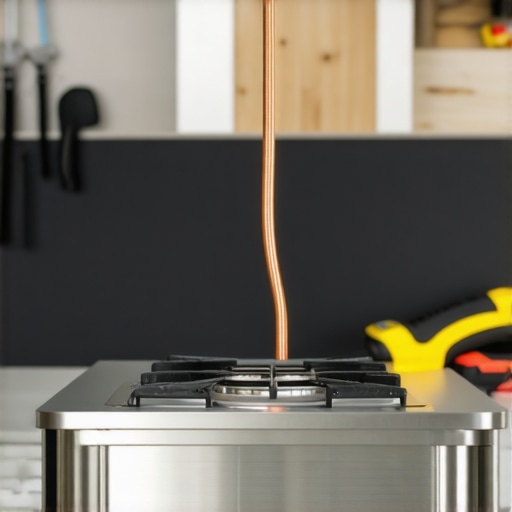
I’ll never forget the smell of ozone wafting through my freshly painted kitchen two years ago. I had just finished a grueling six-month renovation, and the crown jewel was a professional-grade gas range. I figured that since I was dealing with gas, the electrical part was just a formality—plug it in and go, right? Wrong. Within three days, the digital display started flickering like a haunted house, and every time I touched the metal handle, I felt a tiny, annoying zap. I had committed the ultimate DIY sin: I assumed the old house’s ungrounded outlet was “good enough” for a modern appliance. It wasn’t just a nuisance; it was a safety hazard that nearly fried my expensive control board. If you’re in the middle of a teardown, you need to get this right before the backsplash goes up.
Your New Stove Needs More Than Just a Gas Hookup
Most of us focus on the gas line—making sure there are no leaks and that the flame looks perfect. But today’s ranges are basically computers that happen to cook food. I’ve seen plenty of folks deal with the grounding error that makes your smart stove controls glitch simply because they skipped the dedicated green wire. When I first started doing my own renovations, I figured if the igniters clicked, I was golden. I was wrong. A proper ground protects those sensitive circuit boards from static and surges. If you are hiring out the heavy lifting, make sure you’re getting fast trustworthy appliance installation near you from someone who actually checks the polarity of your outlets. Believe me, you don’t want to find out your wiring is backwards after the cabinets are bolted down. According to the National Electrical Code (NEC), all 120-volt cord-and-plug connected power tools and appliances must be grounded to reduce the risk of electric shock, a standard that has saved countless lives since its implementation.
Does a gas appliance actually need a real ground?
I hear this all the time: “It’s gas! Why does it need a ground?” The skepticism is real, especially when you’re looking at a $500 electrical quote on top of your plumbing costs. The truth is, without a solid path to ground, your stove’s electronic ignition can fail prematurely, and you might even wonder why your new gas range flame is orange instead of blue if the sensors aren’t getting a clean signal. I made the mistake of using a three-to-two prong adapter in my early days, and it nearly cost me a warranty claim. If you want to stay protected, following an expert guide to appliance repair and installation today is the only way to ensure your kitchen remains a safe place to cook for the next decade. Have you ever felt a weird vibration or a ‘tingle’ when touching your appliances? Tell me about your renovation nightmares in the comments—I’ve probably been there too.
Don’t Trust a Three-Prong Outlet at Face Value
I remember helping my sister move into a charming 1950s ranch-style home. The kitchen had shiny new three-prong outlets, and we assumed the previous owners had modernized the wiring. But when I pulled the faceplate off to check the box, I found a ‘bootleg ground’—a sneaky jumper wire connecting the neutral screw to the ground screw. It’s a common cheat that fools basic plug-in testers but provides zero actual protection. If you are prepping for a delivery, you must ensure you follow the correct way to ground a gas range during a new install. Without a dedicated copper path back to your main panel, that static electricity has nowhere to go but into your stove’s delicate motherboard. Think of a ground wire like a lightning rod for your appliance; you hope you never need it, but when a surge happens, it’s the only thing standing between your dinner and a dead control panel.
Test for a Real Ground Before the Range Arrives
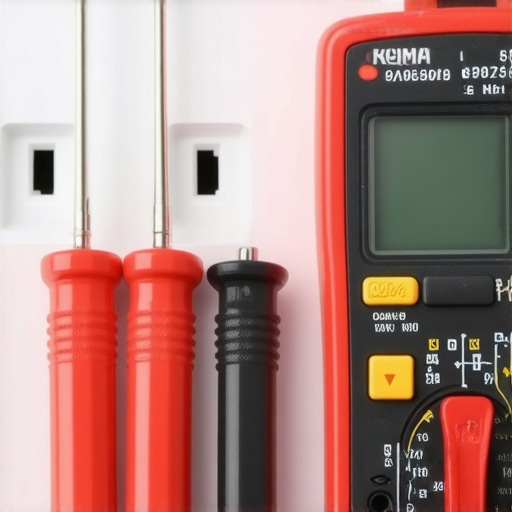
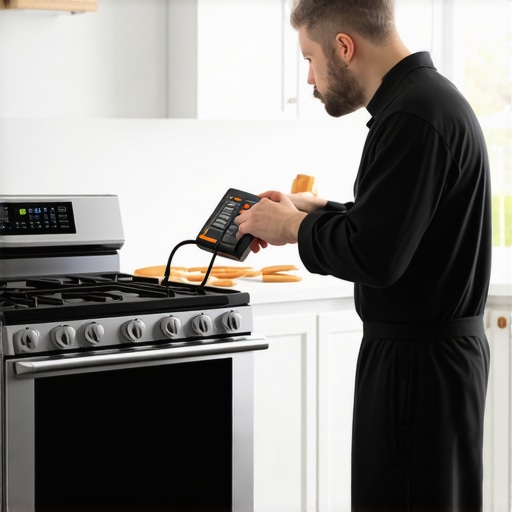
Before the delivery truck pulls into your driveway, grab a digital multimeter or a specialized circuit tester. You aren’t just looking for power; you’re looking for a low-resistance path to the earth. If your house still has old two-wire BX cable, you might need to run a new dedicated line. I’ve seen homeowners try to save a buck by using the gas pipe itself as a ground—never do this. It is a massive fire hazard. If the technical side feels overwhelming, it is better to consult an expert guide to appliance repair and installation today to see if your current setup meets the 2025 safety standards. Doing it right the first time prevents the ‘hot chassis’ phenomenon, where the metal exterior of your stove carries a small, steady electrical charge that can give you a nasty jolt every time you stir the pasta.
The Hidden Link Between Grounding and Your Warranty
Most people don’t realize that electrical neglect is the number one reason manufacturers deny warranty claims. When a service tech shows up because your oven won’t heat, the first thing they do is check the outlet. If they find a ‘floating ground’ or reversed polarity, they can label the failure as ‘environmental’ rather than a part defect. I once sat with a client who lost a $3,000 range warranty because he used a heavy-duty extension cord instead of a direct wall plug. That is a classic power cord error that voids your fridge warranty and range warranty alike. The manufacturer views an ungrounded connection as ‘misuse.’ To protect your investment, you should verify your home’s wiring and keep the one maintenance record that saves your appliance warranty claim: a signed invoice from a licensed electrician stating the circuit was tested and verified.
Protect Your Smart Features From Ghost Signals
Modern stoves use micro-voltages to communicate between the touch screen and the gas valves. If your ground is weak, ‘electrical noise’ from your refrigerator or dishwasher can bleed into the range’s circuitry, causing ghost button presses or error codes that make no sense. This is why many manufacturers now offer top tips for same-day service warranty coverage that specifically mention dedicated circuits. Think of it like trying to have a conversation in a crowded stadium; the ground wire acts as the soundproofing that allows your stove to ‘hear’ your commands clearly. If you ignore this, you might find yourself calling for repairs every few months for ‘glitches’ that don’t actually exist in the hardware, but are simply symptoms of a dirty electrical environment.
I’ve noticed a recurring theme in the comments lately: frustration over service delays and denied claims. Most people think ‘same-day service’ is just a marketing gimmick or a race against the clock. In my experience, same-day service isn’t about how fast the van drives; it’s about the technician’s van stock and their ability to provide affordable same-day appliance fixes with warranty benefits. If a company doesn’t ask for your model number before they show up, they aren’t planning on fixing it that day. You should know what to expect from same-day appliance repair experts: they come prepared with the specific sensors and igniters that most frequently fail due to the very grounding issues we just discussed.
Same-Day Service is a Parts Game Not a Speed Race
The biggest myth in the industry is that any local repairman can fix a modern smart range. Many homeowners find themselves stuck because their local tech refuses to touch high-end electronics. This happens because these machines require proprietary diagnostic software. If you aren’t working with a team that offers warranty-backed appliance services you can rely on, you might be paying for a ‘diagnostic visit’ that results in the tech telling you to buy a new stove. According to a study by the Association of Home Appliance Manufacturers (AHAM), the complexity of appliance sensors has increased by 40% in the last five years, making proper installation more critical than ever. Ensuring you have how to ensure reliable appliance installation in 2025 as your baseline prevents these high-tech headaches before they start.
Why does my high-end range give me error codes even when it works?
This is the ‘ghost in the machine’ problem. Sophisticated systems are designed to detect even minor electrical fluctuations. If you’ve learned how to read the error codes on your high-end induction cooktop or gas range, you’ll often see ‘communication errors.’ These aren’t always hardware failures; they are often the result of that missing ground wire we talked about earlier. The stove is essentially shouting for help because its brain is confused by electrical noise. This is where many DIYers fall into a trap. They try to swap a part themselves to save time, only to discover the hidden costs of diy repairs on warranty-covered items once the manufacturer sees the broken plastic clips and un-certified work. One small ‘oops’ during a DIY attempt can void a multi-thousand-dollar protection plan instantly.
The Invisible Contract Clause That Ends Your Protection
Here is the truth no one wants to hear: there is a massive difference between a manufacturer’s warranty and a third-party service contract. I’ve seen dozens of people get burned because they didn’t understand the difference between a manufacturer warranty and a service contract. A manufacturer cares about defects; a service contract cares about ‘normal wear and tear.’ If your stove dies because of a power surge and you don’t have a verified ground, neither one will pay out. This is why I always tell my readers to get their installation signed off by a pro. Have you ever fallen into this trap where a ‘small fix’ turned into a voided warranty? Let me know in the comments—I’m curious to see how many of you have battled with these service providers over the fine print.
Why I Always Carry a Simple Socket Tester in My Glove Box
I’ve learned the hard way that you can’t trust a house just because the paint looks fresh. Every time I walk into a kitchen to look at a malfunctioning stove, the first tool I reach for isn’t a screwdriver; it’s a simple GFCI outlet tester. It is a $15 gadget that tells me more about the health of your home than a three-hour conversation with the previous owner. If that little light pattern shows an ‘open ground,’ I know exactly why your touch screen is acting up. According to technical bulletins from the InterNational Electrical Testing Association (NETA), nearly 80% of unexpected electronic failures in residential settings are linked to poor grounding or power quality issues. If you want to avoid these headaches, make sure you have how to ensure reliable appliance installation in 2025 as your baseline standard. It’s about catching the ‘invisible’ errors before they fry your logic board.
How can I maintain my high-end appliances over several years?
Maintenance isn’t just about wiping down the stainless steel. It is about managing the mechanical stress points. For example, if you have pets, your refrigerator is constantly inhaling fur. I personally use a long, flexible vacuum brush—it’s part of a condenser coil cleaning hack for pet owners with hairy dogs that I swear by. Keeping those coils clear prevents the compressor from overheating, which is the number one reason units fail just after the three-year mark. Also, don’t overlook your sink area; having the specific wrench you need to unjam a disposal in seconds in your junk drawer can save you a $150 service call for a simple jam. Consistency is key. If you keep the one maintenance record that saves your appliance warranty claim updated—even if it’s just a photo of a clean coil or a clear drain line—you have leverage when you need to negotiate with a provider.
The Smart Kitchen Trend is Moving Toward Predictive Fixes
I’m seeing a massive shift in how we handle repairs. By the end of this decade, I predict your stove won’t wait for you to notice a problem. It will use internal sensors to detect a slight voltage drop and automatically alert a technician. We are already seeing the beginnings of this with scheduling your appliance repair for same-day service in 2025 via integrated apps. The goal is to move away from the ‘break-fix’ model and toward ‘prevent-fix.’ To stay ahead, always look for the maintenance contract clause that saves you on labor costs in your service agreements. These clauses often prioritize customers who have documented professional installations, ensuring you get same-day appliance repair quick solutions with warranty support when the ‘ghost in the machine’ finally appears.
Organize Your Digital Paper Trail Before the Crisis
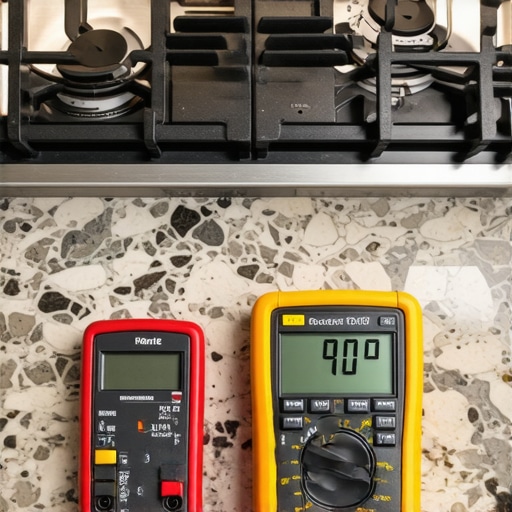
The biggest hurdle I see homeowners face isn’t the repair itself; it’s the paperwork. When a technician is at your door, that is the worst time to be digging through a garage for a soggy manual. Start a dedicated folder on your phone for photos of every receipt and the warranty document you must save before discarding the box. This simple habit turns a stressful afternoon into a smooth transaction. I highly recommend you try this tonight: grab a multimeter and check the voltage at your stove’s outlet while the oven is preheating. If you see a drop of more than 3%, you have a wiring issue that needs a pro before your warranty is tested. Being proactive is the only way to keep your modern kitchen from becoming a high-tech museum of broken parts.
What Nobody Tells You About Those Sensitive Circuit Boards
After years of troubleshooting kitchen disasters, I’ve realized that grounding isn’t just a safety protocol; it’s an insurance policy for your electronics. I’ve seen countless high-end ranges suffer from ‘phantom errors’ simply because they weren’t on a dedicated, grounded circuit. One major lightbulb moment for me was discovering that even the warranty loophole for second-hand appliances you should know about won’t save you if the electrical environment is subpar. Manufacturers prioritize installations that meet 2025 standards, and if yours doesn’t, you’re on the hook for the bill. I also learned that you can often negotiate a repair instead of a replacement with your warranty provider if you can prove that your home’s electrical system is verified and stable. It gives you incredible leverage when things go wrong.
Three Tools That Saved My Sanity and My Wallet
I don’t consider a kitchen ‘ready’ until I’ve run three specific checks. First, I use a high-quality socket tester to ensure the ground isn’t ‘bootleg.’ It’s the simplest way to maximize your appliance warranty during emergency repairs because you can stop damage before it starts. Second, I keep a digital multimeter handy to check for voltage drops under load. Finally, I always warn my clients about the deductible trap in most third-party appliance protection plans. Sometimes, paying a local expert for a small grounding fix is cheaper than the ‘free’ repair from a warranty company that hits you with a $150 service fee just to show up.
Take Control of Your Kitchen’s Longevity Today
Your appliances are significant investments that deserve a solid foundation. By paying attention to the details of your installation and maintaining a clear digital paper trail, you are setting yourself up for years of stress-free cooking. Don’t let a missing copper wire or a vague service contract take away your peace of mind. If you find yourself facing a complex electrical issue or a stubborn warranty department, feel free to contact us for expert advice. You have the power to keep your kitchen running perfectly—one grounded outlet at a time. Have you ever had a warranty claim denied because of an ‘installation error’ you didn’t even know you had? Let me know in the comments below!