
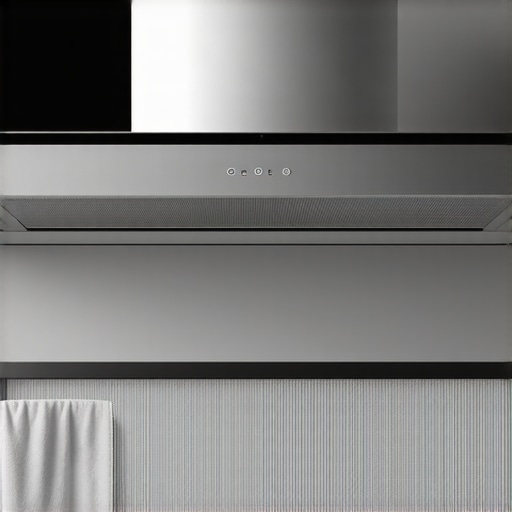
Ever had that moment when you pop open your kitchen window, and the smell of grease and smoke hits you like a wall? I’ve been there more times than I can count, especially after trying to give my range hood filter a quick scrub. I remember thinking, “There’s got to be a better way.” You see, I made a costly mistake early on—using harsh chemicals and rough scrub brushes—that damaged my filter and reduced its lifespan. It was a lightbulb moment for me, and I promise, what I learned can save you from the same pitfalls.
Why Properly Cleaning Your Range Hood Filter Matters
Keeping your kitchen’s ventilation system in top shape isn’t just about cleanliness; it’s about health, efficiency, and saving money. Grease buildup can clog filters, making your range hood work harder—and that means higher energy bills and faster wear and tear. According to the National Kitchen and Bath Association, regular maintenance of your range hood extends its lifespan and maintains indoor air quality. But the key is doing it right, without damaging delicate components.
Now, I’ll admit, I used to think any soap and scrub would do the trick. But once I learned the hard way that aggressive cleaning can warp or stain filters, I started searching for gentler, more effective methods. That’s exactly what I want to share with you today—step-by-step, my tried-and-tested process to clean your range hood filters without risking damage. Trust me, it’s easier than it sounds and saves you money in the long run.
Is a DIY Cleaning Method Really Worth the Effort?
Many people wonder whether tackling filter cleaning themselves is even practical. With so many professional services advertising quick fixes, I get the skepticism. But I’ve found that with the right approach, you can get a pristine filter without the hefty bill. Plus, taking a little time now prevents costly replacements down the line. If you’ve ever hesitated because you’re worried about damaging the filter or messing it up, I’ll show you how to avoid common mistakes and do it safely. For instance, I once tried soaking my filter in overly hot water, which warped the metal—don’t let that happen to you! For reliable tips on avoiding such blunders, check out this expert guide to appliance care.
So, if you’re tired of grimy filters that lower your range hood’s efficiency and are ready to give it proper TLC, keep reading. I’ll walk you through how to clean your range hood filter in a way that’s gentle yet effective, ensuring it lasts for years to come. And if, like me, you’ve faced this challenge, I hope my experience helps you make smarter, safer choices when maintaining your kitchen appliances.
Remove the Filter Carefully and Prepare Your Workspace
Begin by turning off the range hood and unplugging it to ensure safety. Locate your filter—usually behind a panel or covering—and gently remove it. Use a screwdriver if screws are present, but be cautious not to force anything. Lay down a towel or absorbent cloth on your countertop or sink to catch drips, and keep a small container nearby for any screws or small parts. I recall a time I dropped a screw into the sink drain when hurriedly removing my filter, which delayed my project but taught me to prepare thoroughly.
Soak the Filter in a Gentle Cleaning Solution
Fill a bathtub or large basin with warm water and add a degreasing dish soap or a mixture of baking soda and white vinegar—approximately one cup of each per gallon of water. Submerge the filter completely and let it soak for at least 15 minutes. Avoid using hot water, which can warp metal filters. During my first attempt, I used boiling water, and it warped the aluminum, making my filter unusable—lesson learned. Soaking loosens hardened grease and grime, making scrubbing more effective without harsh chemicals.
Scrub the Filter Gently to Remove Residue
Use a soft-bristle brush or a non-abrasive sponge to scrub the filter. Focus on corners and edges where grease piles up. Work in gentle circular motions, applying light pressure—think of cleaning a delicate piece of jewelry rather than scrubbing a stubborn stain. I once tried to clean my filter with steel wool, thinking it would remove grease faster; it scratched the surface and reduced the filter’s efficiency. Remember, gentle is better to extend the lifespan of your filter.
Rinse and Dry Properly to Prevent Damage
Thoroughly rinse the filter with warm water to wash away loosened grease and soap residue. Shake off excess water and pat dry with a clean towel. For better drying, hang it in a well-ventilated area or place it in front of a fan. Do not force dry with high heat or direct sunlight, as extreme conditions can warp the material. After drying, inspect the filter to ensure no grease remains—residual buildup could impact performance. I once hastily dried a filter in the oven, but the heat warped the metal, requiring me to buy a new one. Patience and proper drying are key.
Reinstall the Filter and Test the Range Hood
Once dry, reattach the filter securely, ensuring any screws or clips are correctly placed. Turn the range hood back on and check if airflow improves and if no strange noises occur. Regular cleaning maintains efficiency, reduces energy costs, and prolongs the life of your appliance. If you’re unsure about staying on top of maintenance, consider scheduling a professional cleaning or consultation—especially if your unit hasn’t been serviced in a while. For quick repairs or maintenance needs, you can explore options for same-day service to keep your kitchen functioning smoothly.
When it comes to same-day appliance repair and installation, many homeowners hold common beliefs that can actually set them up for disappointment. While the allure of quick fixes and immediate service is strong, understanding what most people get wrong can save you time, money, and frustration. In my experience working closely with appliance professionals, I’ve uncovered several nuanced pitfalls that are often overlooked by even savvy homeowners.
One widespread myth is that all same-day services are equal in quality and reliability. Many assume that choosing the fastest available option guarantees top-notch work, but in reality, speed often comes at the expense of thoroughness and expertise. For instance, some service providers may cut corners on warranty coverage or skip proper installation procedures to meet tight schedules. This approach can lead to recurring issues down the line, making it crucial to vet your repair or installation company carefully. For detailed guidance on selecting trustworthy experts, check out this comprehensive guide.
What Advanced Homeowners Need to Know About Service Guarantees
Many believe that a service quote or warranty is a straightforward promise of quality—yet, the fine print often tells a different story. Some warranties exclude coverage for certain components or fail to clarify the conditions under which claims are valid. This can lead to unexpected out-of-pocket expenses after a quick fix or replacement. An often-overlooked nuance is verifying if the warranty supports future repairs or if it’s limited to the initial service only. To ensure your warranty offers real peace of mind, it’s wise to review top tips for warranty coverage.
Furthermore, many homeowners underestimate the importance of proper installation practices. Rushing through installation not only risks damaged components but can also void manufacturer warranties. For example, improper leveling or inadequate ventilation setup can cause appliances to malfunction prematurely. These mistakes often stem from less experienced technicians eager to complete the job quickly. To avoid falling into this trap, consider working with certified professionals who follow industry standards—details explained in this expert guide.
Finally, understanding the subtle differences in service approaches can dramatically affect your appliance lifespan. A common mistake is assuming that all service providers or repair plans are equally comprehensive. Some companies may offer superficial fixes without addressing root causes, leading to repeated breakdowns. Reliable providers tend to emphasize diagnostics, tailored solutions, and warranty-backed repairs—elements critical for long-term appliance health. For instance, opting for warranty-backed solutions can be a game-changer in ensuring durability.
In conclusion, the key lies in digging deeper than surface-level promises and recognizing the often-hidden nuances that influence your appliance’s performance and your satisfaction. Have you ever fallen into this trap? Let me know in the comments, and share your experiences with fast service and warranties. Remember, knowledge is your best tool for making smarter, safer choices in appliance care.
Tools That Make Appliance Maintenance Easier and More Reliable
To ensure your appliances function optimally over time, investing in the right tools is essential. Personally, I swear by a high-quality digital multimeter. It’s invaluable for diagnosing electrical issues precisely without guesswork, saving me both time and money. Additionally, a soft-bristle brush coupled with a gentle cleaning solution—as discussed earlier—ensures thorough yet safe cleaning of components like filters and ventilation parts. For refrigeration systems, a refrigerant leak detector can pinpoint issues early before they escalate, extending the lifespan of your unit. When it comes to software, I rely on apps for scheduling regular maintenance reminders and keeping detailed logs of service dates and issues. This proactive approach helps catch problems early and aligns with manufacturers’ warranty requirements, which often stipulate upkeep schedules to keep coverage valid.
Planning for Long-Term Results and Scaling Up
Consistency is key when maintaining appliances. Establishing a routine, such as quarterly filter replacements or annual professional inspections, ensures problems are caught before costly breakdowns occur. As your home and appliance collection grow, consider scaling your maintenance strategy. For instance, integrating smart maintenance sensors—like vibration or temperature monitors—connected via IoT can alert you in real-time about anomalies, minimizing downtime. Prediction algorithms are becoming increasingly sophisticated, and adopting these technologies now can position you ahead of potential issues. In the future, I foresee a significant shift toward fully automated maintenance systems that diagnose, schedule repairs, and even perform minor repairs remotely. Embracing these tools early will save you headaches and money down the line.
How Do I Maintain Appliance Performance Over Time?
One of the best ways to extend your appliances’ lifespan is prioritizing preventative maintenance. Regularly cleaning vents, filters, and coils prevents buildup that can cause overheating or inefficiency. Using specialized tools like a coil brush or vent vacuum ensures these components are free of dust and debris—minor efforts that yield major benefits. Additionally, inspecting seals and door gaskets monthly can prevent energy loss and moisture issues. For more advanced maintenance, consider subscribing to professional services that utilize diagnostic software and advanced tools to identify hidden problems early. For instance, scheduling a same-day service can be an effective way to handle urgent issues before they develop into major repairs. Take the time now to incorporate these practices, and your appliances will thank you with years of reliable service.
What the Pros Won’t Tell You About Fast-Service Myths
Early in my journey, I believed that speed equated to quality, thinking that choosing the quickest repair service would save me time and money. Turns out, rushing often meant skipping crucial diagnostics, leading to recurring issues. I realized that verifying a company’s certification and warranty support is more important than just the speed of their arrival. This lightbulb moment taught me to prioritize thoroughness over haste, ensuring long-term reliability over immediate fixes.
How I Discovered the Power of Small Prevention Tricks
It struck me that simple preventative measures—like regularly cleaning vents or scheduling periodic inspections—can drastically prolong appliance life. I started using maintenance apps to set reminders, which kept me disciplined. This proactive approach saved me hundreds in repair costs and prevented unexpected breakdowns, demonstrating that small, consistent efforts yield significant benefits over time.
The Hidden Cost of Ignoring Warranty Details
I once faced a costly repair because I hadn’t read the fine print of my warranty. Learning to understand what is covered, especially during emergencies, changed my perspective completely. Now, I always double-check warranty terms and keep detailed records, which has helped me claim services smoothly. This lesson underscores the importance of being an informed consumer to protect your investment.
My Favorite Tools for Hassle-Free Maintenance
Investing in a quality digital multimeter and specialized cleaning brushes revolutionized the way I care for appliances. They allow precise diagnostics and gentle cleaning that extend product lifespan. I also rely on smart sensors that monitor appliance health remotely, alerting me to issues before they escalate. Trusting these tools has made maintenance less stressful and more effective, encouraging others to embrace technology for appliance care.
Ready to Take Control and Keep Your Appliances Happy?
Maintaining appliances doesn’t have to be daunting. With the right knowledge, tools, and a proactive mindset, you can ensure your home runs smoothly for years to come. I encourage you to adopt these secrets I’ve uncovered and enjoy the peace of mind that comes with a well-maintained home. Remember, your effort now pays off in savings, efficiency, and longevity. What simple maintenance habit will you start today to improve your appliance care? Share your plans below—I’d love to hear your journey!