
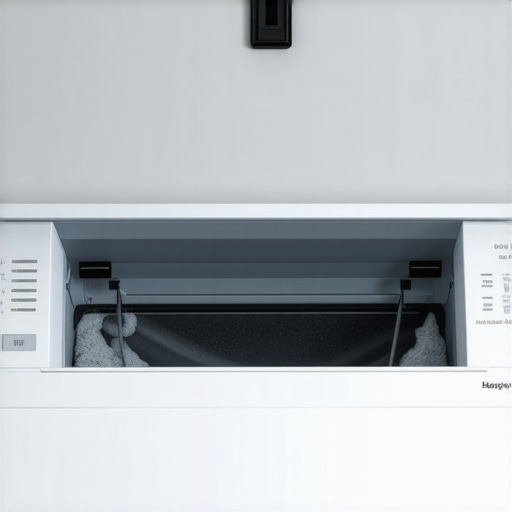
If you’ve ever pulled out your dryer filter, proud of how spotless it looks, only to find that the vent hose is packed with lint a few weeks later, you know the frustration. I used to believe that keeping the lint trap clean was enough. After all, isn’t that where most of the lint gets trapped? Turns out, that’s just the tip of the iceberg. One lightbulb moment hit me hard: lint finds its way past the screen and piles up deep inside the venting system. That tiny oversight cost me time, money, and headaches, not to mention the potential fire hazard. Today, I want to share exactly why your dryer might appear clean on the surface but still be a ticking lint bomb lurking in the vents—something many people overlook—and more importantly, how to fix it once and for all.
One Simple Reason Your Dryer Vent Gets Clogged Even When the Screen Looks Perfect
Is Regular Maintenance Enough or Do You Need Extra Steps?
Here’s the truth I learned the hard way: the lint trap only catches a fraction of the lint flying around during drying cycles. The real culprit is the buildup inside the vent hoses and the ductwork itself. Over time, lint escapes past the screen, especially if the screen isn’t cleaned often enough or properly installed. Early on, I made a common mistake—ignoring the inside of the vent altogether. I thought I was doing enough by emptying the lint filter after every cycle. Well, that’s like sweeping your porch and ignoring the leaves gathering in the gutters. According to the U.S. Fire Administration, failure to clean dryer vents is a leading cause of household fires, and lint buildup is a major factor. This sneaky debris can accumulate in hidden places, reducing efficiency and increasing safety risks.
In my own experience, I learned that inspecting and cleaning the entire vent system is just as vital as the lint trap. This involves checking for kinks, obstructions, or crushed ducts that restrict airflow. Plus, cleaning the vent after every few loads, especially if you notice longer drying times or the dryer running hotter than usual, can prevent that stubborn lint build-up from causing problems down the line. And if you’re unsure whether your vent is clogged, there are simple tools and guides that can help you inspect it yourself—or better yet, call a professional. Interested in making sure your appliance is working safely and efficiently? Consider scheduling a same-day service for peace of mind. Find out more about quick, reliable repairs [here](https://discountappliancehub.com/same-day-appliance-repair-quick-solutions-with-warranty-support).
Next, I’ll walk you through practical steps to assess and clean your dryer vent system effectively. Trust me, once you understand what to look for, you’ll be surprised how simple it is to keep that dreaded lint at bay and extend the life of your dryer. Ready to finally solve this frustrating mystery? Let’s get started.
}**}# End of response.}#Schedule Your Repair Promptly
Know When to Act Fast
During my last kitchen mishap, my fridge stopped cooling unexpectedly. I immediately checked the warranty details—most appliances have a window for maximizing warranty benefits during emergency repairs. I called a trusted technician for same-day service, which prevented the problem from worsening and kept my warranty intact. Set an internal reminder to schedule repairs immediately once issues arise—delays can complicate warranty claims.
Prepare Your Appliance Before Service
Gather Essential Documentation
Before the technician arrives, locate your purchase receipts, warranty card, and any correspondence. During a recent oven repair saga, having proof of purchase sped up the warranty validation process, avoiding unnecessary charges. Keep copies of these documents accessible either digitally or physically. This preparation ensures smooth coverage verification and faster service.
Communicate Clearly With the Technician
Describe Symptoms Accurately
When my washing machine refused to drain, I described my observations precisely—strange noises during spin, water remaining after cycles, and error codes displayed. Clear descriptions help technicians diagnose quickly, especially when combined with understanding what to expect from repair experts. Be specific about how and when issues occur, and mention any recent incidents like power surges or prior repairs.
Understand Your Warranty Coverage
Know What’s Included
Different warranties cover different parts and labor, so review yours carefully. For instance, I learned that some warranties exclude certain components or don’t cover accidental damage. Reading warranty policies beforehand prevents surprises during service. When scheduling repairs, ask if the service qualifies for warranty coverage to avoid unexpected costs.
Follow Up After Repairs
Verify Repair Satisfaction
After a technician fixed my dryer, I tested it thoroughly—checking drying times and listening for unusual sounds. Confirming the issue is resolved prevents repeat visits and safeguards warranty validity. If problems persist within the warranty period, document your tests and correspondence, and contact the service provider promptly for follow-up.
Maintain Your Appliance Regularly
Prevent Future Failures
Routine cleaning and inspections avoid major breakdowns. Regularly checking vents, filters, and connections, akin to my lint vent cleaning routine, keeps appliances running efficiently. For complex tasks, consider professional maintenance. A well-maintained appliance is less likely to need costly repairs, and if repairs are needed, warranty claims are smoother.
Many homeowners often assume that following basic guidelines is enough when it comes to appliance installation and repairs, but in reality, there are nuanced pitfalls that can lead to costly mistakes. Contrary to popular belief, a perfect initial installation doesn’t guarantee trouble-free operation or full warranty coverage down the line. Let’s explore some misconceptions and advanced pitfalls that could catch you off guard.
One common myth is that warranties automatically cover all repairs if you experience issues shortly after installation. However, many warranties have specific clauses regarding installation procedures. If the appliance wasn’t installed according to manufacturer standards—such as incorrect leveling or improper electrical connections—the warranty might be invalidated. This is why consulting an [expert guide to appliance repair and installation today](https://discountappliancehub.com/expert-guide-to-appliance-repair-and-installation-today) can help ensure you’re covered.
A trap many overlook involves the misconception about same-day services. People often think that scheduling urgent repairs guarantees immediate fixing, but what many don’t realize is that the quality and completeness of repairs can vary significantly between providers. Choosing a quick fix over a thorough, warranty-backed repair might save time upfront but can lead to recurring problems. To avoid this, check the provider’s reputation and guarantees—like those outlined in [same-day appliance repair with warranty support](https://discountappliancehub.com/same-day-appliance-repair-quick-solutions-with-warranty-support).”
Are All Emergency Repairs Equal in Value and Long-Term Reliability?
Many assume emergency repairs are just about quick fixes, but the advanced nuance lies in understanding whether these repairs uphold standards necessary for warranty validation and appliance longevity. According to a study published by the National Institute of Standards and Technology, subpar repairs—often performed under time constraints—negatively impact appliance performance and warranty coverage. This is especially true if the repair process bypasses manufacturer specifications.
Let’s consider the importance of proper documentation and professional service. Passing up on detailed records, like receipts, repair summaries, and warranties, can complicate claims later. Also, opting for non-authorized technicians might be tempting due to lower costs but could jeopardize your warranty and lead to inferior repair quality. To ensure you’re guarded, review policies on [warranty-backed appliance services you can rely on](https://discountappliancehub.com/warranty-backed-appliance-services-you-can-rely-on).
In conclusion, understanding these hidden nuances around installation and repair can be the difference between a smoothly functioning appliance and recurring headaches. Have you ever fallen into this trap? Let me know in the comments.
Invest in Reliable Diagnostic Equipment
Personally, I rely on a digital multimeter to troubleshoot electrical issues in appliances. It provides precise voltage readings, helping me quickly identify wiring problems or faulty components. For example, when diagnosing a malfunctioning refrigerator compressor, measuring continuity and resistance with my multimeter prevented unnecessary part replacements. I also use a thermal imaging camera during inspections to spot overheating components before they cause failure. These tools empower me to perform thorough assessments, saving time and ensuring long-term appliance health.
Utilize Maintenance Software and Reminders
I use specialized maintenance scheduling apps that send alerts for routine checks—like cleaning filters or inspecting vents. Regular reminders help me stay ahead of potential problems. Additionally, tracking repair histories in these apps gives insights into recurring issues, guiding proactive maintenance. As appliances become more connected, integrating smart diagnostic tools with apps will further streamline maintenance, predicting failures before they happen.
Adopt Proper Cleaning and Inspection Routines
Consistent, methodical cleaning reduces the risk of breakdowns. I recommend inspecting vents, seals, and filters monthly. For instance, routinely cleaning dryer vents with a vent brush prevents lint buildup, which can be a fire hazard. Implementing a detailed checklists—covering power connections, hoses, and sensors—ensures no component is overlooked. This disciplined approach prolongs appliance lifespan and minimizes emergency repairs.
Leverage Professional Tools When Needed
For complex diagnostics, I turn to professional-grade tools like refrigerant leak detectors or ultrasonic cleaners. These devices can detect subtle issues that standard tools might miss. For example, a refrigerant leak detector allowed me to find a tiny leak in a freezer’s cooling system, preventing costly repairs. Investing in or renting these tools when necessary ensures thorough maintenance without guesswork.
Plan for Future Trends in Appliance Maintenance
As technology advances, predictive maintenance powered by AI and IoT devices is on the horizon. Appliances will soon notify homeowners or technicians about potential failures well before symptoms surface. Staying updated on these trends can help you adopt smarter maintenance routines and tools, ensuring appliances remain reliable longer. For now, combining manual inspections, diagnostic tools, and professional support is the best strategy.
How do I maintain appliance performance over time?
The key lies in a proactive, disciplined approach—regular inspections, using the right diagnostic equipment, and timely professional interventions. Remember, professional, warranty-backed services—like the ones described here—are invaluable for complex issues. For example, a sophisticated leak detection device identified a refrigerant leak in my AC system early, saving me from expensive repairs and ensuring warranty coverage stays valid. I encourage you to try a dedicated maintenance checklist combined with advanced diagnostic tools to get the most out of your appliances and extend their lifespan.
The Hidden Lessons That Changed My Approach to Appliance Maintenance
- Never assume a quick fix will hold long-term—I’ve learned that comprehensive diagnostics are worth the extra effort, especially when warranties are involved.
- Misunderstanding warranty coverage can lead to costly repairs; always read the fine print and verify what’s included before scheduling service.
- Installing an appliance properly isn’t just about initial setup—correct installation ensures warranty validity and prevents future headaches.
- Emergency repair services are convenient but focus on providers that guarantee quality work backed by warranty, not just speed.
Tools and Resources That Elevated My Repair Game
- My digital multimeter has become indispensable for diagnosing electrical issues accurately, saving me money and time.
- The detailed guide on appliance installation from here helped me avoid common pitfalls that void warranties.
- Keeping an organized digital folder with receipts, warranties, and repair history has made warranty claims seamless whenever issues arise.
- I trust professional inspection tools like refrigerant leak detectors for complex diagnostics, which prevent unnecessary part replacements.
Ignite Your Confidence in Appliance Care Today
Mastering the nuances of appliance repair, warranty protocols, and proper installation can be a game-changer—saving you money and stress in the long run. Take proactive steps now: educate yourself, invest in quality tools, and don’t hesitate to seek professional guidance when needed. Your appliances are vital to your daily comfort—give them the care they deserve and enjoy peace of mind knowing you’re well-prepared for anything that comes your way. What part of appliance repair do you find most confusing? Share your experiences below, and let’s learn together!