
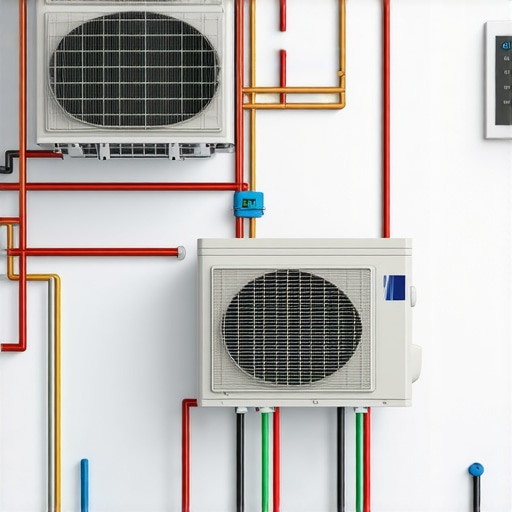
It was a scorching summer afternoon, and I sat exhausted on my couch when suddenly, I heard my AC kick on again—the familiar short cycle that seemed to go on and off every five minutes. Frustration bubbled up as I realized my cool comfort was slipping away, replaced by a constant buzzing every time the system tried to cool my room. That lightbulb moment hit me—I was dealing with a common but tricky problem: my AC was cycling way too frequently, and it was draining my energy and wallet.
The Dreaded Short Cycling: What’s Really Going On?
This isn’t just about an annoyance; it’s a sign that something’s wrong with your cooling system. If your AC keeps turning on and off rapidly, it’s called short cycling, and it can lead to premature wear or even system failure. Over my years of tinkering and learning, I found that this problem often boils down to issues with airflow, refrigerant levels, or dirty components. Trust me, early on I made the mistake of ignoring that weird noise or ignoring routine maintenance. That only made things worse, and I wish I had caught it sooner. To avoid costly repairs, it’s essential to diagnose the root cause.
Is Your AC Actually Worth the Hype?
Because if you’re like me, you might be tempted to just call a tech every time something’s off. But here’s a little insider info: many small fixes can be tackled yourself if you know what to look for. For example, sometimes it’s as simple as cleaning the filter or checking the thermostat settings. Still, I had to learn the hard way that not every issue is DIY-friendly, and rushing into repairs without understanding the problem can cost you more. A common mistake I made early on was assuming I could fix everything with a quick Google search—trust me, it’s better to get expert advice when needed.
Now, let’s dig into how you can diagnose and fix this airflow problem—saving you money and avoiding unnecessary frustration. These insights have been invaluable for me, and I hope they’ll help you regain proper airflow and restore your AC’s peace and quiet. Ready to get started? You might want to check if your unit’s fan motor is working properly or if airflow obstructions are the culprit. For more detailed guidance, you can explore common issues with fan motors on this fan motor troubleshooting page.
Check the Air Filter for Obstructions
My first move was to locate and remove the air filter, which was clogged with months of dust. A dirty filter restricts airflow, causing the system to overheat and short cycle to cool down prematurely. I replaced it with a new filter, and immediately, I noticed quieter, longer cycles. Always ensure your filter is clean; think of it as the lungs of your AC—when blocked, everything gets strained. For a thorough clean, consider inspecting other components like the return vents and registers for obstructions.
Inspect and Clean the Evaporator Coils
Next, I turned off the power and examined the evaporator coils inside the air handler. Dust and grime build-up here act like a blanket, insidiously insulating the coils and impairing heat transfer. Using a soft brush and a coil cleaner (available at hardware stores), I carefully cleared the soiling. This process is akin to cleaning a radiator to improve efficiency. Dirty coils cause the system to overheat rapidly, triggering short cycling. Remember, safety is key—always switch off the power before maintenance.
Verify Proper Thermostat Placement and Settings
I realized my thermostat was positioned near a heat source—direct sunlight, to be precise. This led it to register higher temperatures, causing the AC to turn on and off more frequently. Moving it to a shaded, central location stabilized readings. Adjusting thermostat settings or calibrating it properly can make a big difference. For precise calibration without calling a pro, see how to calibrate your oven temperature on this guide.
Inspect the Fan and Blower Motor
Later, I tested the blower fan—the heart of airflow—to ensure it was operational. A malfunctioning fan motor can cause insufficient air circulation, leading to overheating and short cycling. If the fan is making screeching noises or not spinning at all, it’s time for repair or replacement. For detailed troubleshooting, check out this fan motor troubleshooting.
Check Refrigerant Levels
Although more complex, I learned that low refrigerant levels trigger the system to short cycle as it struggles to meet the cooling demand. If I suspected this, I called in a licensed technician. Handling refrigerant requires specialized tools and certification, so it’s best to avoid DIY with this step. Ensuring proper refrigerant charge can prevent prolonged system stress and is vital for optimal performance.
Ensure Proper System Leveling and Wiring
Lastly, I confirmed the AC unit sat level—an essential for compressor function. Using a spirit level, I adjusted the mounting feet as needed. An improperly leveled system can cause internal strain, leading to short cycles. Also, I checked all wiring connections for loose or corroded terminals, which can disrupt operation. For complex flat-level adjustments, you might find this leveling trick helpful.
By systematically addressing these core issues with precision and care, you’ll prevent your AC from short cycling and extend its lifespan. Remember, if at any point you feel uncomfortable or uncertain, consulting a professional is a wise move before causing unintended damage or voiding warranties. Proper troubleshooting is the foundation for efficient and reliable cooling.
Many homeowners believe that all appliance warranties are comprehensive and that technicians will always diagnose problems quickly during same-day service visits. However, these assumptions often mask underlying nuances that can lead to costly misunderstandings. In my experience, one common myth is that warranties cover every repair issue; in reality, many warranties exclude certain damages like those caused by improper installation or neglect. For instance, I once learned the hard way that incorrect plumbing connections can void your washer’s warranty, even if the appliance itself is in perfect condition.
Why do so many believe in guaranteed quick fixes?
The truth is, appliance repair is more complex than simply calling a technician and expecting instant results. Many homeowners overlook the importance of correct installation — a step that, if neglected, can cause persistent issues like noise, poor performance, or even void the warranty entirely. For example, improper leveling of washing machines can lead to excessive vibration and early failure, yet many just assume it’s a minor issue. Proper installation includes meticulous leveling, tight connections, and correct electrical wiring, which are often overlooked but critical. For advanced insights, see how correct leveling techniques can prevent costly repairs later.
Another pitfall is relying solely on same-day repairs without understanding the nuance of diagnosis. An experienced technician considers multiple factors—from airflow in your AC to hidden leaks—that could be causing the problem. This means sometimes a technician might need a follow-up visit or specialized parts, contradicting the common expectation of a quick fix. Moreover, manufacturers often design appliances with built-in safety features that may trigger delays or require specific procedures, such as resetting a smart oven or troubleshooting a Wi-Fi disconnect. Proper documentation of repairs and maintenance can be essential for warranty claims, yet many don’t realize its importance until it’s too late.
What advanced mistakes do homeowners make that void warranties?
A common but often overlooked error involves DIY repairs or improper parts replacement—especially with critical components like refrigerant lines or electronic control boards. Using aftermarket parts not approved by the manufacturer, for example, can lead to warranty voids or further damage. Always verify what parts and repairs are covered; some warranties are very specific about using original parts or certified technicians. Additionally, neglecting regular maintenance schedules, such as ignoring the buildup of dust on condenser coils or failing to replace filters at recommended intervals, can render warranty claims invalid. Regular maintenance isn’t just about prolonging appliance life; it’s also about safeguarding your warranty coverage.
Lastly, many forget that proper documentation during installation and repairs—like keeping receipts, service reports, or calibration records—can be vital when invoking warranty protections. For instance, not calibrating your oven temperature correctly may seem minor but could influence warranty validity if inaccurate results lead to disputes. Always record maintenance activities and consult your warranty terms carefully to avoid unintentionally losing coverage.
In all these cases, the critical takeaway is to approach appliance repair with a thorough understanding of the nuances involved. Misconceptions about warranties, installation, or the scope of same-day service can cost homeowners significant time and money. To stay ahead, educate yourself on the finer details—like how calibrating your oven properly or verifying installation steps—and don’t hesitate to seek expert advice for complex issues. Have you ever fallen into this trap? Let me know in the comments.
Keeping your appliances running smoothly over the long term requires more than just occasional fixes; it involves investing in the right tools and establishing effective maintenance routines. Personally, I rely on a curated set of equipment that allows me to diagnose and address issues confidently, saving time and costs. One such tool I never go without is a high-quality digital multimeter, which provides precise readings of voltage and current, crucial for troubleshooting electrical faults. I prefer a model with auto-ranging capabilities and a backlit display, making it easier to work in various lighting conditions, especially when dealing with hard-to-reach components in appliances like ovens or dishwashers.
In addition to electrical testers, a reputable set of screwdriver bits tailored for appliance work is indispensable. I recommend investing in a ratchet screwdriver with interchangeable bits—particularly Phillips, flathead, Torx, and specialty bits for securing or removing delicate panels. This versatility prevents strip-outs and accidental damage, which can compromise warranty coverage or lead to more costly repairs. For instance, when leveling a washing machine, I specifically use a precision screwdriver designed for appliance screws, which gives me better grip and control.
Another critical tool is a good-quality coil cleaner and soft brushes for cleaning evaporator and condenser coils. Dirty coils are a common culprit behind overheating and short cycling in AC units and refrigerators. Regular cleaning with the right products extends the lifespan of internal components and ensures peak efficiency. I make it a point to clean coils at least once a year, and I highly recommend this coil cleaning technique to prevent costly breakdowns.
Beyond equipment, embracing software solutions is becoming increasingly beneficial. Maintenance tracking apps help me keep a schedule for filter replacements, calibration checks, and routine inspections. Opting for tools like appliance-specific diagnostic apps, where available, allows me to identify issues swiftly by connecting to smart appliances’ interfaces, often enabling troubleshooting before even opening the panel. As the industry advances, integrating IoT and remote monitoring capabilities will likely become standard, empowering homeowners to detect problems early and coordinate timely repairs.
How do I maintain appliances in the long run?
The key lies in consistent, proactive care. This involves not only using the right tools but also adhering to manufacturer-recommended maintenance routines—like cleaning filters, inspecting for leaks, and calibrating control systems. For example, regularly checking your oven’s thermostat calibration ensures consistent cooking temperatures; you can do this yourself using a digital thermometer and refer to this step-by-step calibration guide. Additionally, monitoring refrigerant charge levels and ensuring your AC has proper airflow clearance can prevent the need for urgent, costly repairs down the road.
Looking ahead, I predict that maintenance tools will become more integrated with smart technology. Advanced diagnostic systems will automatically alert homeowners or technicians about impending failures, utilizing machine learning to predict wear patterns. This evolution will make appliance upkeep more efficient and less reactive, ultimately prolonging equipment lifespan and reducing downtime. For now, however, mastering the fundamentals—like regularly inspecting and cleaning vital components—remains the most reliable strategy.
Try setting up your maintenance schedule with a digital tracking app combined with basic diagnostic tools. This small step can dramatically improve your appliance’s reliability and help you catch issues early, avoiding expensive emergency repairs. Stay proactive, stay prepared!
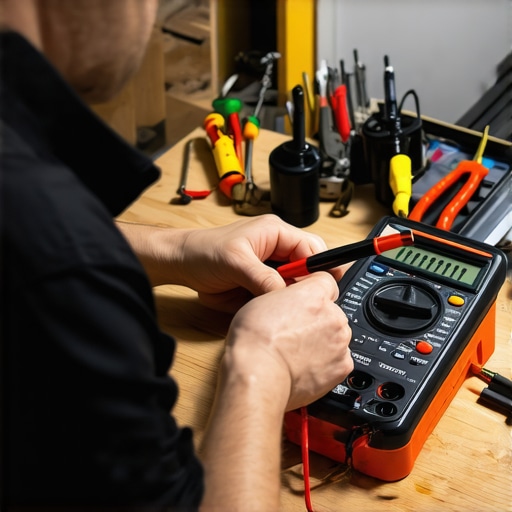 | Image Title: A technician using a multimeter to test appliance wiring, highlighting essential tools for maintenance.
Alt Text: Technician with multimeter and screwdriver testing an appliance for troubleshooting.
The Hardest Lesson I Learned About appliance repair,warranty,installation,same-day service
One of my most significant realizations came when I ignored routine maintenance, thinking minor issues would resolve themselves. Ignoring a small refrigerant leak or dirty filters seemed harmless at first, but over time, these small oversights led to costly repairs and voided warranties. The key lesson? Prevention and early diagnosis are your best allies—don’t wait until you’re stranded with a broken appliance to act.
3 Myths About appliance repair,warranty,installation,same-day service That Held Me Back
I used to believe that all warranties cover any repair needed and that calling a technician was always quick and straightforward. Turns out, warranties often exclude certain damages or neglect repairs, and same-day service can sometimes take longer if parts need ordering. Busting these myths helped me plan better, and I urge you to read the fine print and set realistic expectations for appliance repairs.
What Experts Won’t Tell You About appliance repair,warranty,installation,same-day service
Many professionals will not highlight that improper installation or neglecting simple maintenance can void your warranty. For example, poorly leveled washers or uncleaned coils stress the system unnecessarily. Recognizing these hidden pitfalls can save you from unexpected costs, and it’s worth investing time in learning proper setup and routine checks—your appliances will thank you for it.
Will You Take the Next Step to Protect Your Appliances?
Empowering yourself with knowledge about everyday appliance care is the difference between costly repairs and peace of mind. Simple routines like cleaning filters, calibrating thermostats, or ensuring proper leveling can extend your appliance lifespan and keep warranties intact. Remember, being proactive beats reactive repair—start today, and enjoy reliable appliances for years to come.