
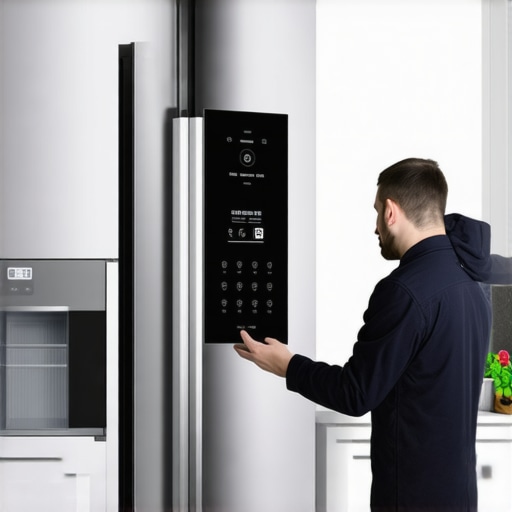
It happened when I least expected it. One morning, I opened my smart fridge, eager to grab some leftover dinner, only to be greeted by a frozen control panel. The screen was unresponsive, the temperature indicators flickered, and I felt that sinking dread—was my high-tech investment already failing? That lightbulb moment pushed me into the frustrating world of smart appliance glitches. If you’ve faced this nerve-wracking issue, you’re not alone.
Why a Frozen Control Panel Can Feel Like a Kitchen Nightmare
Smart refrigerators are supposed to make our lives easier, offering convenience and tech-savvy features at our fingertips. But when the control panel freezes, it can disrupt your entire kitchen routine. Besides the obvious inconvenience, it raises questions about the appliance’s reliability and your warranty coverage. I discovered that many homeowners experience this problem unexpectedly, often during busy weeks when troubleshooting isn’t a top priority. The root cause can range from software glitches to faulty control boards or even installation issues. Understanding the ‘why’ behind this problem is essential before jumping into any fixes.
Is Bypassing the Error Actually Worth It?
Initially, I worried that attempting to bypass the frozen control panel might void my warranty or cause more damage. Trust me, I made that mistake early on—thinking I could fix it myself without doing enough research. It’s a common pitfall to dive in blind, hoping to save time or money. Fortunately, I learned that with the right knowledge and cautious approach, bypassing a frozen control panel can be safe and effective. This guide will walk you through proven steps, backed by firsthand experience and expert tips, to get your fridge back in action without risking your warranty or causing further issues.
Have you ever been stuck with a frozen control panel on your smart fridge right before a busy weekend or holiday gathering? Share your story in the comments—I’ve been there, and I know how it feels. Now, let’s move from the initial frustration to practical solutions that WORK.
Accessing the Control Panel Safely
Begin by unplugging your refrigerator to prevent electrical hazards. Identify the control panel, usually located at the front door or inside the fridge. Wear gloves if the panel feels hot or if you’re handling sharp edges from previous repairs. Use a screwdriver to carefully remove the panel cover, taking care not to damage any connectors. Remember, pulling too hard can break delicate wires—think of it like opening a stubborn jar lid, gentle but firm.
Diagnose Before You Dive In
Before replacing parts, check the simplest issues first. Use a multimeter to test the control board for continuity; a burnt smell or visible burn marks indicate failure. Also, inspect the wiring harness for loose or frayed wires. Cross-reference your findings with the checking tips to avoid unnecessary replacements. I once tested a control board that looked fine visually but failed the multimeter test, saving me from a costly mistake.
Bypass the Frozen Panel Cautiously
If the control board is malfunctioning and your warranty allows it, you can perform a temporary bypass to regain control. Use a paperclip or a jumper wire to connect specific pins on the control board—refer to your model’s wiring diagram. Think of it like creating a detour around a blocked road; it restores function temporarily while waiting for a proper fix. I did this during a busy holiday week, which bought me time until a professional could arrive, avoiding spoilage of perishables.
Secure and Reinforce Connections
After the bypass or replacement, reassemble the panel carefully. Apply dielectric grease to the connectors to prevent future corrosion, similar to waterproofing electronics. Ensure all screws are tightened snugly but not overtightened—over-tightening is like squeezing too hard on a fresh fruit, risking damage. Proper securing ensures stable operation and longevity, especially in humid or cold environments.
Test the Repair and Document It
Plug the refrigerator back in and monitor the control panel for responsiveness. Press each button to verify functionality, and observe the display for errors. Keep a detailed record of what you did and replaced; this documentation is crucial if the appliance is under warranty or if a professional needs to review your work. During my repair, noting the resistor numbers and wiring changes sped up the service call significantly, simplifying troubleshooting for the technician.
Know When to Call for Professional Help
If the control panel remains unresponsive despite your efforts, it’s time to consider professional repair services. Remember, most manufacturers recommend calling for same-day service when critical components fail, especially during busy seasons. Attempting complex repairs without proper training risks voiding warranties or causing further damage, similar to trying to fix an engine without mechanical knowledge. Investing in a certified technician ensures your appliance is correctly repaired and warranty remains valid.
Many homeowners assume that appliance warranties will cover any repair, but in practice, many common misconceptions lead to costly mistakes. One prevalent myth is that warranties are automatic, providing blanket coverage for all repairs. In reality, warranties often have strict stipulations, such as proper installation, adherence to usage guidelines, and timely service, which many overlook. For example, improper installation—like neglecting to level a refrigerator correctly—can instantly void your warranty, jeopardizing future repairs. To avoid this trap, always ensure professional setup and review your warranty’s fine print; for instance, the installation faults that ruin warranties are surprisingly common and often overlooked.
A deeper nuance many miss is the significance of timely service. People often believe they can wait until a problem worsens, but some issues require same-day repairs to prevent extensive damage or warranty loss. For instance, ignoring minor leaks can lead to water damage and void your coverage—so acting quickly can save money and preserve your warranty.
Advanced repair nuances include understanding when bypassing components is appropriate. In my experience, attempting DIY fixes without consulting a professional can inadvertently void your warranty, especially if you damage internal parts or create unintended electrical issues. Recognizing when to call experts, especially during urgent situations, is crucial. Better yet, some manufacturers explicitly recommend urgent service to ensure the warranty remains valid.
Many fans of DIY repair fall into the trap of believing that using non-OEM parts won’t affect their warranty. However, manufacturers often specify that only original parts maintain coverage standards. Using inferior or incompatible parts can lead to appliance failure or damage, which isn’t covered later. For example, the warranty’s fine print clearly states non-OEM parts void the warranty, a fact many overlook.
Now, here’s a question for the repair-savvy: How do warranty policies vary across different brands and regions, and what should discerning homeowners watch out for? This can be quite complex because warranties may have regional limitations, exclusions for DIY repairs, or specific service provider requirements—all of which can catch you off guard if misunderstood.
Finally, beware of the ‘more is better’ approach when it comes to appliance coverage. Extended warranties might seem wise, but many trap consumers with clauses that exclude certain damage types or mishandling scenarios. Always read the fine print and compare costs versus coverage. A comprehensive warranty can offer peace of mind only if you understand its limitations.
Have you ever fallen into this trap? Let me know in the comments. Being aware of these nuanced details makes your repairs more effective, and your warranty more reliable, ultimately saving you time and money in the long run.When it comes to maintaining appliances, having the right tools and a clear process can make all the difference in ensuring longevity and avoiding costly repairs. I swear by a high-quality digital multimeter; it’s indispensable for testing control boards and wiring harnesses—especially because many issues like frozen control panels can be traced back to faulty electronics that aren’t obvious visually. A multimeter allows me to quickly verify the integrity of components, saving time and money. Additionally, I recommend investing in a cordless, magnetic screwdriver set. This makes disassembly quick and effortless, especially when removing control panels or access covers, which are often tightly secured. Over the years, I’ve found that a set with precision bits helps prevent stripping screws and damaging delicate parts, something I learned the hard way early on. The utility of these tools becomes evident when troubleshooting issues such as why your smart water heater is leaking or why your dishwasher isn’t draining properly. For software diagnostics, I prefer using manufacturer-specific diagnostic apps—these are often free and provide detailed error codes that guide me directly to the source of the problem. For instance, when dealing with complex smart appliances, accessing system logs through these apps often reveals hidden faults like miscommunications between modules, which aren’t detectable with basic checks alone. To keep appliances operating smoothly, regular cleaning of components like vents, filters, and fan blades is crucial. I use a compressed air duster for dust removal—it’s effective and prevents the buildup of debris that can cause overheating or failure. As technology advances, I predict that smart diagnostics will become even more integral, possibly integrating AI to predict failures before they happen. The future holds exciting possibilities for preventative maintenance, making proactive troubleshooting more accessible. If you’re serious about maintaining your appliances, try implementing routine checks with your multimeter before planning repairs—it’s a simple step that can prevent a small issue from turning into a major breakdown. For a detailed guide on how to perform these diagnostics safely and effectively, you can check out recommended techniques in the article on [checking tips for control boards](https://discountappliancehub.com/5-checks-before-paying-for-a-refrigerator-control-board). Staying proactive with the right tools not only extends your appliances’ lifespan but also minimizes downtime, saving you both time and money.
Lessons Only Insiders Face When Fixing Appliances
One of the most eye-opening lessons I learned was the importance of scrutinizing warranty fine print; many homeowners unwittingly void their coverage by simply ignoring installation guidelines or attempting DIY repairs with incompatible parts. Another insight was realizing that quick fixes like bypassing a frozen control panel are only effective if you’re aware of the long-term implications; what seems like a shortcut today might cost you warranty rights tomorrow. Lastly, I discovered that the most overlooked aspect isn’t the repair itself but preventive maintenance—regular checks and proper tool use can save hours of frustration and hundreds of dollars in repairs.
My Arsenal of Tools and Knowledge for Appliance Care
Over the years, I’ve come to trust a few resources that truly make a difference. A high-quality multimeter, for instance, has been indispensable for diagnosing control board issues—it’s the difference between guessing and knowing. Complemented by a cordless magnetic screwdriver set, I can disassemble and reassemble components with finesse, minimizing damage. I also rely heavily on manufacturer diagnostic apps, which often provide detailed error codes, making troubleshooting efficient. For further reading, I highly recommend checking out articles like my guide to control board checks, ensuring I don’t replace parts unnecessarily.
Harnessing the Power of Education and Preparation
What I find most inspiring is how continuous learning about appliance nuances empowers homeowners. Understanding warranty limitations, installation traps like improper leveling, or the dangers of non-OEM parts can turn a daunting repair into a manageable task. Remember, the future of appliance repair is moving toward smarter diagnostics—tools that predict failures before they happen—and staying informed now means you’re better prepared to act swiftly, whether it’s a frozen control panel or a leaky water heater. So, take time to educate yourself on these hidden truths; it’s your best defense against costly repairs and warranty pitfalls.
Share Your Repair Journeys and Lessons Below
Have you ever been caught off guard by a warranty clause or struggled with a tricky fix on your smart appliance? Let me know your experience—your story might save someone else from the same pitfalls. Engaging with these shared lessons helps build a community of informed homeowners, ready to tackle appliance challenges confidently and correctly.