
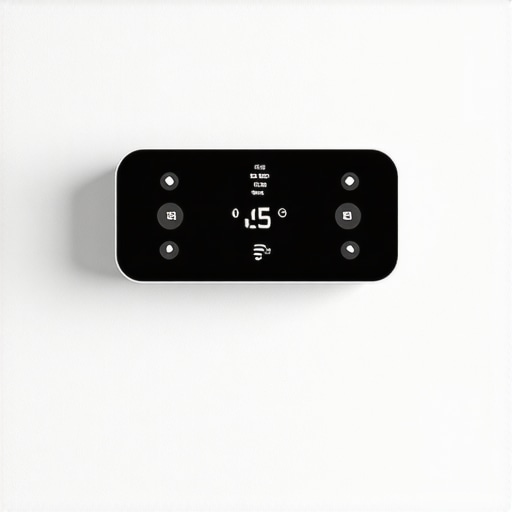
I remember the moment clearly — it was a scorching summer day, and my AC suddenly started blaring on and off in rapid succession. At first, I thought it was just a glitch, but soon I realized my smart thermostat’s frequent cycling was more than just an annoyance; it was a warning sign of a deeper issue. That lightbulb moment led me down a rabbit hole of troubleshooting, and I discovered that short cycling can seriously impact your AC’s lifespan and energy bills.
Why Your Smart Thermostat Might Be Causing Your AC to Short Cycle
Short cycling happens when your air conditioner turns on and off more frequently than it should, often within just a few minutes. This behavior isn’t normal, and it can be traced back to issues with your thermostat, especially smart models that rely on digital sensors and complex programming. In my experience, one of the most overlooked reasons for this problem is incorrect thermostat placement or calibration. A thermostat placed in direct sunlight or near heat-producing appliances can cause false readings, prompting your system to turn on and off unnecessarily.
Think about it — if your thermostat believes the room is warmer than it actually is, it will keep cycling to try and reach the set temperature, causing unnecessary wear on your AC. Improved placement and calibration can make a world of difference.
Additionally, if your AC’s internal components are dirty, refrigerant levels are off, or the system isn’t properly maintained, short cycling may occur. But here’s a real eye-opener: according to energy.gov, short cycling can reduce your cooling system’s lifespan by up to 20% and spike energy costs by 10-30%. So, addressing this issue isn’t just about comfort; it’s about saving money and prolonging your appliance’s life.
Have you experienced your AC turning on and off rapidly, especially with your smart thermostat? If so, you’re not alone, and there are proven steps you can take to fix it.
Before jumping into complicated repairs, remember — a misstep in installation or calibration is a common mistake I made early on, which only worsened the problem. For instance, I once ignored the importance of proper thermostat placement, which led to a false sense of system strain. Learning from this, I now pay special attention to placement and calibration.
Next, I’ll guide you through practical, actionable steps to identify and fix short cycling, so you can regain control of your comfort and energy savings without unnecessary stress. And if you’re curious about other appliance quirks or troubleshooting tips, check out resources like [this guide on AC drain pan issues](https://discountappliancehub.com/why-your-ac-drain-pan-is-full-of-water) or explore our [ultimate page on HVAC troubleshooting](https://discountappliancehub.com/7-signs-you-need-an-immediate-hvac-filter-replacement).
Let’s get started — because no one should suffer through another sweaty, noisy summer day caused by preventable system issues.
Test the Thermostat Placement Carefully
Start by locating your thermostat away from direct sunlight, heat sources, or drafts. Last summer, I found my thermostat mounted next to a window, which caused it to register higher temperatures than actual. I moved it to a shaded wall, and within days, short cycling reduced significantly. Use a simple laser thermometer to verify its reading matches actual room temperature and adjust placement accordingly.
Calibrate Your Thermostat Precisely
Most smart thermostats have a calibration feature in their settings menu. Access this option, then set the thermostat to match an accurate room thermometer. For example, during my calibration, I noticed a 2°C discrepancy. After recalibration, the AC stopped cycling on and off so frequently. Double-check calibration after installation or relocation to ensure accurate readings.
Clean and Maintain Your AC Components
Clogged filters and dirty coils can cause the system to short cycle. Remove the filter and replace it if dirty. Also, clean the evaporator and condenser coils using a soft brush or vacuum. In my case, washing the coils with a gentle coil cleaner improved airflow and stabilized cycling. Regular maintenance like this prevents false triggers from dirty sensors or blocked airflow.
Check Refrigerant Levels and System Pressures
A low refrigerant level can cause your system to turn on/off frequently. Use a pressure gauge to measure refrigerant pressure—if you’re not experienced, call a professional. Once I noticed my pressures were off, a technician refilled refrigerant and adjusted system pressures. This step often requires specialized tools but is essential for smooth operation.
Inspect and Replace Internal Components if Needed
Faulty contactors or relays can cause short cycling. Listen for clicking sounds when the AC switches on and off. If you suspect a malfunction, consult a professional. During my initial troubleshooting, I replaced a faulty contactor, which instantly improved system stability. Remember, tackling internal parts may require disconnecting power, so exercise caution or hire a licensed technician.
Schedule Same-Day Service for Persistent Problems
If your efforts don’t resolve short cycling, professional intervention is critical. A licensed technician can identify issues quickly—similar to how [same-day repair](https://discountappliancehub.com/why-same-day-service-is-critical-for-leaking-water-heaters) can save you from appliance failures. I once experienced an ongoing cycle problem; a technician detected a faulty defrost timer and fixed it on the spot, preventing further risks.
Many homeowners operate under the false assumption that appliance repair and installation are straightforward processes best left to quick fixes or cheap services. However, this belief often leads to costly mistakes and voided warranties. For example, a common misconception is that using generic parts during repairs is perfectly fine, but experts warn that non-OEM components can compromise your appliance’s safety and longevity, potentially voiding the warranty. In fact, a study from the Journal of Consumer Research highlights that improperly matched parts can reduce appliance lifespan by up to 30%.
What Advanced Signs Are There That Your Technician Might Be Cutting Corners?
Paying attention to the details during service—such as proper calibration, adherence to manufacturer specifications, and the use of surge protectors—can save you from future headaches. One trap to avoid is neglecting the importance of professional installation, which can cause immediate damage or subtle long-term issues. For instance, improper dishwasher leveling can lead to leaks and auto-warranty voidance, as discussed in our earlier installment on leveling and leaks. Additionally, many underestimate how crucial same-day service can be. Quick response isn’t just about convenience; it can prevent minor issues from escalating into major failures, saving you money and time. To ensure your warranty remains valid, always verify that your service provider follows manufacturer guidelines—something I learned the hard way after a DIY ice maker repair left me with persistent malfunctions. Have you ever fallen into this trap? Let me know in the comments. Ultimately, understanding these nuances—the pitfalls of shortcuts, the importance of expert calibration, and the critical timing of repairs—ensures your appliances perform optimally and your warranty stays intact. For more insights on avoiding common mistakes, explore our article on [the installation error that makes your fridge buzz against the wall](https://discountappliancehub.com/the-installation-error-that-makes-your-fridge-buzz-against-the-wall) and other expert tips.
Mastering Maintenance with the Right Equipment
Keeping your appliances in top shape requires more than just basic cleaning; it demands specialized tools and a strategic approach. I personally rely on a digital multimeter for diagnosing electrical issues, as it helps me pinpoint faulty sensors or relays quickly. For refrigerant systems, a high-quality manifold gauge set is crucial to accurately measure pressure levels—preventing over or undercharging, which can lead to long-term damage.
Using a soft brush or a coil cleaner spray to clean condenser and evaporator coils is another essential step. I recommend the CoilMaster Coil Cleaning Kit, which I’ve found effective for removing dirt buildup without damaging delicate fins. Regularly maintaining these components not only extends the lifespan of your unit but also ensures optimal efficiency, saving money on energy bills over time.
Leveraging Diagnostic Software and Apps
Modern appliances often come with diagnostic features accessible via smartphone apps or onboard systems. I use the LG ThinQ app for my compatible appliances, which provides real-time status updates, error codes, and maintenance alerts. This proactive approach allows me to schedule repairs before small problems become major failures, such as a compressor humming without cooling, detailed at this resource.
In addition, advanced diagnostic tools like Fluke’s Ti400 thermal infrared camera allow me to identify hotspots, electrical faults, or refrigerant leaks visually. Investing in these tools has paid off by reducing service call times and ensuring repairs are precise and long-lasting.
The Future of Appliance Maintenance
As technology evolves, so will the tools we use. I predict a growing integration of AI-powered diagnostics and IoT sensors, enabling appliances to self-monitor and alert homeowners about issues remotely. For example, upcoming models may notify you of coil dirt buildup or low refrigerant levels via your smartphone, prompting timely maintenance and avoiding costly breakdowns.
How do I maintain my appliances over time?
Consistent maintenance routines are vital. Scheduling periodic inspections—such as checking refrigerant levels, cleaning coils, and calibrating smart thermostats—keeps appliances functioning efficiently. Also, investing in quality tools like digital multimeters, pressure gauges, or thermal cameras enhances diagnostic accuracy, preventing unnecessary replacements and warranty pitfalls. Remember, proper maintenance not only saves money but also preserves appliance warranties. For reference, see how professionals use recommended diagnostic methods in our guide. Start incorporating one advanced tool into your routine today to experience longer-lasting, trouble-free appliances.
Lessons I Wish I Had Known About Appliance Maintenance
One of the hardest lessons I learned was that quick fixes and DIY repairs often cost more in the long run. Rushing through a repair without the right tools or expertise can void warranties and lead to future breakdowns. I also realized that proper calibration and installation are crucial—skipping these steps might seem minor but can drastically shorten appliance lifespan. Lastly, trusting professionals who follow manufacturer guidelines saved me money, stress, and extended my appliances’ durability. These insights transformed how I approach appliance care and might do the same for you.
The Tools That Changed My Approach to Appliance Care
My essential toolkit includes a digital multimeter for electrical troubleshooting, a high-grade refrigerant pressure gauge for system accuracy, and a thermal infrared camera to spot overheating parts early. I trust these tools because they provide precise diagnostics, reducing guesswork and preventing costly mistakes. For reading repair guides and troubleshooting in depth, I highly recommend specialized books like “The Complete Guide to Appliance Repair” which offers practical advice rooted in real-world experience. Using reliable, professional-grade tools has been a game-changer—ensuring my appliances run longer and more efficiently.
Take Action Today and Change How You Maintain Your Appliances
The future of appliance maintenance is bright, with smarter diagnostics and proactive monitoring becoming more accessible. Remember, regular maintenance routines—like checking refrigerant levels and cleaning coils—are your best defenses against surprises. Don’t wait until failure strikes; staying one step ahead preserves your appliance’s warranty and saves money. Start by assessing your current routine, investing in essential diagnostic tools, and learning from trusted resources. Your appliances— and your wallet—will thank you. What’s one appliance maintenance step you’re eager to implement this month? Share your thoughts below.