
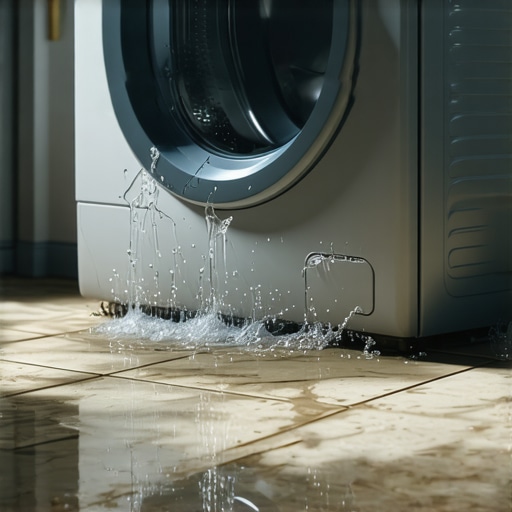
I still remember the sound. It wasn’t the usual rhythmic swish of my reliable front-loader. It was a constant, aggressive hiss. I walked into the mudroom and—squish. My socks were instantly soaked. My washer wasn’t just doing a heavy load; it was trying to turn my laundry room into an indoor swimming pool. The water just kept rising, defiant and unstoppable, even after I yanked the plug from the wall. If you are standing in a puddle right now, take a deep breath. We are going to stop the flood and figure out exactly why your machine has lost its mind.
That Sinking Feeling When the Water Just Keeps Coming
I’ve been there, staring at a tub that’s nearly splashing over the rim. In my early days of home ownership, I made a classic rookie mistake: I thought a quick power reset would recalibrate the sensors and fix everything. While resetting your washer is great for software glitches, it won’t stop a mechanical failure that’s letting water pour in. I learned the hard way that when a valve fails to close, electricity (or the lack of it) doesn’t matter. Today, we are going to identify the mechanical and atmospheric culprits behind this mess so you can get back to dry floors and clean clothes.
Is a DIY Fix Even Possible Without a Professional?
You might be looking at your machine with total skepticism, wondering if it’s headed for the scrap heap. You might even be worried that affordable same-day appliance fixes are too good to be true for a problem this messy. I am here to tell you that this is often a straightforward fix involving either the water inlet valve or the pressure switch. According to data from the Insurance Information Institute, water damage is one of the most frequent and costly home insurance claims, so tackling this immediately is the smartest financial move you can make today.
The Pressure Switch Might Be Lying to Your Machine
Think of the pressure switch as the internal ‘brain’ that tells the washer it’s full. It relies on a small air tube to detect the water level. If that tube is clogged with soap scum or if the switch has failed, your washer thinks it is bone dry even as it overflows. I once spent half a day tearing apart a drain pump only to realize the real problem was just a tiny bit of debris in the hose screen or a pinhole leak in that air tube. It is a frustrating, messy lesson I don’t want you to repeat. Have you noticed your water levels creeping up higher than usual lately, or did this flood happen out of nowhere? Let me know in the comments, and let’s get this sorted.
Kill the Source Before You Grab the Mop
If your washer is currently turning your laundry room into a lake, the first thing you need to do is cut the water supply. It sounds obvious, but in a panic, people often reach for the power cord first. If the water keeps flowing after you pull the plug, you have a mechanical failure in the water inlet valve, and electricity (or the lack of it) won’t save your floor. You need to locate the emergency water shut-off every homeowner needs to locate today. This is usually a pair of faucets behind the machine. Turn them clockwise until they stop. Once the flow is dead, we can look at why the machine’s internal ‘gates’ stayed open. 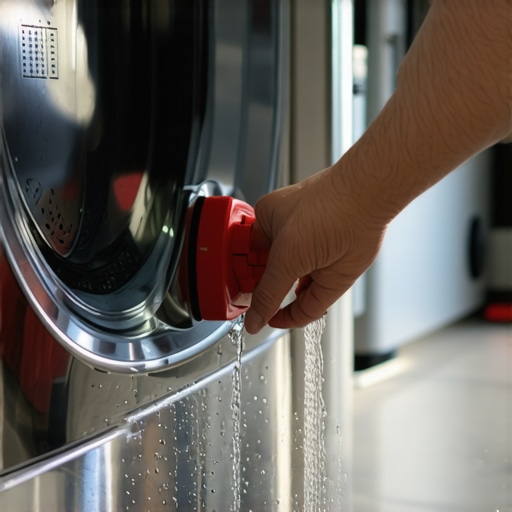
Test the Water Inlet Valve Like a Pro
The water inlet valve is like a security guard at a gate. When the machine says it needs water, it sends power to the valve to open it. When the tub is full, the power stops and a spring should snap the valve shut. If a tiny piece of sediment—even something as small as a grain of sand—gets lodged in that seal, the gate stays propped open. I remember a Saturday morning when I was certain my control board had fried. I had already started looking up expert guide to appliance repair and installation today because I was overwhelmed. It turned out to be a microscopic piece of calcium buildup from my hard water that prevented the valve from seating properly. I cleaned the valve, and it worked perfectly. If you find that the water stops only when you unplug the machine, the valve is electrically sound but the ‘brain’ is sending the wrong signal. If it leaks regardless of power, the valve is mechanically dead and needs a swap.
Clear the Pressure Signal Line
If the valve isn’t the culprit, the pressure switch is likely being lied to. There is a thin plastic tube that runs from the bottom of your washer tub up to a switch near the control panel. As water fills the tub, air is pushed up that tube, increasing pressure until it trips a switch. If that tube has a hole or is clogged with thick, gummy soap residue, the air leaks out or never reaches the switch. Your washer thinks it’s bone dry while the water is actually hitting the rim. Check this tube for any ‘kinks’ or clogs. This is often the forgotten maintenance step that extends the life of your high-efficiency washer.
Fix Your Drain Hose Height to Stop Siphoning
Sometimes the machine isn’t actually malfunctioning; it’s being sabotaged by gravity. If your drain hose is shoved too far down the standpipe or is positioned too low, it can create a siphon effect. This literally pulls the water out of the tub as fast as the machine can pump it in. The machine senses it isn’t ‘full’ yet, so it keeps the inlet valves open indefinitely. You must follow the drain-hose-height rule that prevents washer backflow. Ensure there is an air gap around the hose in the standpipe and that the hook of the hose is at least 34 to 36 inches off the floor. If you are struggling with a complex setup, seeking out same-day appliance repair quick solutions with warranty support can save you from a ruined subfloor. If you’ve checked the valve, the tube, and the hose height and still have a flood, it’s time to look at the internal sensors and whether your current warranty-backed appliance services cover a full component replacement.Most homeowners look at the ’10-Year Limited Warranty’ sticker on their machine as a golden ticket, but in my years of dealing with flooded laundry rooms, I’ve realized it’s more like a complex obstacle course. Everyone tells you that the manufacturer has your back, but the reality is that factory coverage is often a bureaucratic maze designed to favor the house. You really need to understand the difference between a factory warranty and a service contract before the next emergency strikes. While the factory might cover a part, they often leave you holding the bill for the expensive labor costs and diagnostic fees that a local service contract would have handled.
The Factory Warranty Trap You Didn’t See Coming
I have seen countless neighbors get their claims denied because they couldn’t produce a specific receipt or because they performed a ‘non-authorized’ DIY cleaning that the manufacturer deemed ‘improper maintenance.’ This is the hidden nuance of appliance ownership: the manufacturer is looking for any reason to say no. If you want affordable same-day appliance fixes with warranty benefits, you have to be your own best advocate. A study by the Service Council found that nearly 40% of service delays are actually caused by missing documentation or incorrect initial data provided by the homeowner. If you can’t show how to prove you maintained your appliance for a warranty claim, you are essentially gambling with your repair budget. 
Why Your Repair History Is More Important Than the Fix
The biggest ‘oops’ factor I encounter isn’t the broken part itself; it’s the lack of a paper trail. I always tell my readers to keep a dedicated folder for every major appliance. If a technician arrives and sees you have a log of filter cleanings and hose inspections, they are much more likely to advocate for your coverage. This preparation is a core part of what to expect from same-day appliance repair experts who want to help you maximize your benefits. Without those logs, you might fall victim to the trap of ‘preventative neglect,’ a common clause used to deny expensive repairs.
Is Same-Day Service Too Good to Be True?
There is a common myth that speed equals sloppiness. People assume that ‘same-day’ means a technician is just going to slap a band-aid on the problem and run to the next job. However, the mark of a true pro is their ‘first-time fix rate.’ A high-level expert doesn’t just replace your water valve; they check your home’s overall water pressure to ensure the new part won’t fail again in six months. This is why following an expert guide to appliance repair and installation today is vital. They look at the systemic issues, like high-pressure surges, rather than just the symptoms. If you try to save fifty bucks by swapping a part yourself, you might inadvertently void the coverage on the $500 control board. Instead, learn how to avoid paying the service fee for a denied warranty claim by letting a certified pro handle the heavy lifting while you provide the maintenance proof. Have you ever had a warranty claim denied for a totally ridiculous reason? Let me know in the comments, and let’s compare notes.
The Secret Weapons in My Washer Repair Toolkit
I’ll be honest: most homeowners rely on ‘hope’ as their primary maintenance strategy. They hope the machine doesn’t leak and hope it lasts ten years. But if you want to scale your DIY game and avoid the stress of a flooded floor, you need to invest in a basic digital multimeter. I personally use a Klein Tools MM325 because it’s rugged and accurate enough to tell me if a solenoid is truly dead or just acting up. When you stop guessing and start measuring, you transition from a frustrated owner to a confident maintainer. This is the foundation of an expert guide to appliance repair and installation today. Knowing the electrical resistance of your valve can save you from throwing parts at a problem and spending hundreds on unnecessary replacements. 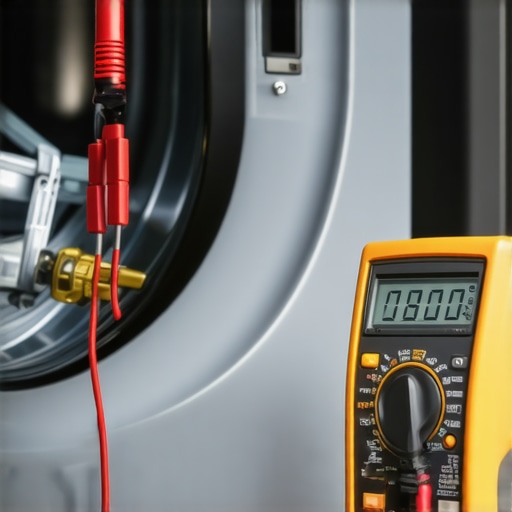
Don’t Ignore the Filter That’s Hiding in Plain Sight
One of the most overlooked components in any modern home is the debris trap. Most high-efficiency front loaders have a small access door at the bottom front. Inside is a screw-out filter designed to catch coins, lint, and the occasional LEGO piece. If you don’t clear this every few months, your pump will work twice as hard to push water out, eventually burning out the motor. This simple task is the pump guard cleaning that fixes your washer drainage issues before they even start. I’ve seen pumps that sounded like a blender because of a stray bobby pin lodged in the impeller. Locate the debris trap location in your high efficiency washing machine and make it a quarterly habit to keep your drainage system flowing smoothly.
How do I maintain my laundry setup over the long haul?
Maintenance isn’t a one-and-done event; it’s a consistent rhythm of checks and balances. Beyond cleaning filters, you need to ensure the physical environment of your machine is stable. A washer that isn’t perfectly level will vibrate excessively, slowly shaking its own internal components loose over the years. I always keep a bubble level in my laundry room to check the top of the machine in both directions. If it’s off, adjust the legs immediately to prevent structural fatigue. This is a vital maintenance step that extends the life of your high-efficiency washer. According to a technical report from the Association of Home Appliance Manufacturers (AHAM), neglecting these small environmental factors and allowing the buildup of biofilm can lead to a 15% increase in energy consumption and significantly shorten the lifespan of high-torque motors due to excessive heat.
Look Into the Crystal Ball of Smart Repairs
Looking ahead, I predict that by 2030, we won’t even be checking filters ourselves manually. AI-integrated sensors will monitor the flow rate of every gallon and send a push notification to your phone—or your local technician—weeks before a failure occurs. We are already seeing the beginning of this trend with how to ensure reliable appliance installation in 2025, where smart hubs track appliance health in real-time. This shift toward predictive maintenance will make affordable same-day appliance fixes with warranty benefits even more seamless, as the necessary parts will often arrive before the machine even stops working. For now, you are the primary sensor for your home. My big tip for today? Go find that debris trap door right now. Clear it out, and I guarantee you’ll feel a massive sense of relief knowing your pump is breathing easy.
The Brutal Truths I Learned from Flooded Mudrooms
After years of assisting homeowners through appliance crises, I’ve realized that the biggest hurdle isn’t actually the machine—it’s the missing paperwork. Most people assume that a technician arrives and magically knows the machine’s history, but being prepared makes all the difference. In reality, you should check out these top tips for same-day service warranty coverage to see how having your model number and purchase date ready can slash your repair time in half. One of my biggest lightbulb moments was realizing that a ‘reset’ is almost never the answer for a mechanical leak; if the water is flowing while the power is off, you have a physical blockage or a failed seal that no software update can fix. Also, remember that ‘silent’ leaks—the slow drips behind the machine—are often more dangerous than the big floods because they rot the subfloor slowly without you ever noticing.
#IMAGE_PLACEHOLDER_E#
The Resources Every Homeowner Needs in Their Corner
To keep your laundry room dry and your repair budget intact, I recommend focusing on three specific pillars of protection. First, keep a digital multimeter in your utility drawer—it’s the only reliable way to know if a solenoid is dead without expensive guessing. Second, replace those old rubber hoses with stainless steel braided versions every five years to prevent catastrophic bursts. Finally, maintain a digital archive of your receipts and service logs. This documentation is exactly what you need to maximize your appliance warranty during emergency repairs and avoid being denied coverage for ‘lack of maintenance.’ I personally follow the guidelines from the Home Builders Association, which highlight that a quarterly check of your emergency shut-off valves can prevent 90% of appliance-related flood damage in the home.
Your Path to a Stress-Free Laundry Room
You don’t have to be a master plumber to keep your home safe; you just have to be an engaged owner who knows when to step in. Whether you are scheduling your appliance repair for same-day service in 2025 or just performing a quick quarterly debris trap check, you now have the tools and the terminology to handle a crisis before it ruins your floors. By taking these small, proactive steps today, you are ensuring reliable appliance installation and long-term performance for your entire household. Have you ever walked into your laundry room and found an unexpected puddle? Let me know what the culprit was in the comments below!