

I remember the day clearly. I had just finished installing a sleek, $1,500 convection range that promised to make me a master baker. I was barely halfway through a batch of celebratory muffins when I heard a sharp, metallic pop. The digital display vanished into a black void, and that unmistakable, acrid scent of fried electronics began to waft from the back panel. I had made the ultimate rookie mistake: I assumed my home’s power was as clean as the glass top on my new stove. It wasn’t. In my rush for expert-grade appliance installation, I ignored the one thing that kills these modern machines faster than anything else—voltage fluctuations. I learned the hard way that today’s control boards are basically sensitive computers sitting on top of a furnace, and they don’t play well with the unstable power many of us take for granted.
The Invisible Killer Hiding in Your Wall Outlet
Most of us grew up with appliances that were built like tanks—mechanical dials, heavy-duty coils, and zero computer chips. Back then, if your power dipped or spiked, the worst that happened was a dimming light. But your new oven is different. It relies on microprocessors that require a very specific, steady stream of electricity. When I finally cracked open that fried board, I saw a scorched trace where a minor surge had jumped the circuit. I hadn’t realized that even the proper way to ground your new smart stove is only half the battle. You see, according to the Electrical Safety Foundation International (ESFI), power surges are responsible for billions of dollars in property damage every year, and high-end appliances are the primary targets.
Is your home’s electrical grid actually safe for smart tech?
It’s the question we all ignore because we think a warranty will save us. I thought the same until I tried to file a claim. If the technician finds evidence of a power surge, many manufacturers will walk away, leaving you with a $400 repair bill for a three-week-old oven. I spent hours learning how to claim your warranty when the manufacturer denies you, but the real solution is preventing the surge from ever reaching the board. Early in my DIY journey, I once bypassed a surge protector thinking it was “overkill” for a kitchen appliance. That was a costly error in judgment. Before you even plug that new unit in, you need to verify that your voltage isn’t fluctuating between 105V and 135V, which is the danger zone for delicate circuits. Have you ever noticed your lights flickering when the air conditioner kicks on? If so, you are currently playing Russian Roulette with your oven’s brain. Drop a comment below and let me know if you’ve seen those tell-tale flickers—it might be the only warning you get before your board fries.
Stop the surge before it reaches the control board
The first thing you need to do is stop guessing. Most homeowners assume that because their phone charger works, their kitchen wiring is flawless. I learned the hard way that a phone charger can handle massive fluctuations that would melt an induction cooktop’s brain. To truly protect your investment, you must start at the source. This isn’t just about plugging things in; it’s about verifying the electrical environment. If you are unsure about your home’s capacity, seeking fast trustworthy appliance installation near you is the safest move to ensure your circuits aren’t overloaded from day one.
Grab a multimeter and check your numbers
I once sat on my kitchen floor with a $20 multimeter, staring at a reading of 128 volts. I thought to myself, “It’s only 8 volts off, no big deal.” A week later, my fridge started making a clicking sound that signaled a failing start relay. You need a steady 120V (or 240V for ranges). If your meter is bouncing around like a heart rate monitor, you have a utility issue or a loose neutral wire in your panel. Before you even attempt to learn how to read the error codes on your high-end induction cooktop, you need to ensure the juice coming out of the wall is clean. A steady reading is the only way to know your appliance won’t be cooked from the inside out.

Why a standard power strip won’t save your range
Think of a standard power strip like a tiny umbrella in a hurricane. It might catch a few drops, but it won’t stop the flood. High-end ranges pull significant amperage, and most cheap surge protectors aren’t rated for that load. In fact, many ovens must be hardwired or use specific heavy-duty outlets. Instead of a strip, you need a dedicated, appliance-grade surge protector or, better yet, a Type 2 Whole-House Surge Protective Device (SPD). When I finally upgraded my panel with an SPD, I realized I was finally getting warranty-backed appliance services you can rely on because I had eliminated the most common cause of
Everyone tells you to hunt for the fastest response time, but in my experience, a ‘same-day’ technician who isn’t asking about your home’s power history is just putting a band-aid on a bullet wound. I once called for same-day appliance repair after my microwave died, only to have the guy swap a fuse and leave in ten minutes. Two days later, it blew again because he never looked for the hidden fuse in your microwave that blows during a power outage—the real culprit was a sticky door switch arcing under load. Rushing the diagnosis is the biggest trap in the industry because it prioritizes speed over the root cause of electrical failure.
Does a ‘factory reset’ actually fix a logic board damaged by a brownout?
I get this question constantly from readers who think a quick button combo will save their control board. The short answer is: almost never. While a reset might clear the error code, it doesn’t repair the degraded capacitors. A study by the Association of Home Appliance Manufacturers (AHAM) highlights that electronic components now account for nearly 40% of all service calls, and many of these failures are cumulative. This means that every minor dip in power is ‘bruising’ your oven’s brain. If you find yourself constantly looking up the one button you must press to reset a locked oven door, you aren’t fixing a glitch; you are witnessing a slow-motion hardware death. Real expertise means knowing when to stop resetting and when to start testing the supply voltage.

The second nuance most people miss is the paperwork trap. I used to believe that having a receipt was enough to maximize your appliance warranty during emergency repairs. It’s not. Many manufacturers now require ‘clean power certification’ or proof that the unit was installed on a dedicated circuit before they’ll cover a control board. I’ve seen homeowners get stuck with a massive bill because they didn’t have the document every technician needs to see for a valid warranty visit. If the tech writes ‘possible surge’ on that work order, your coverage vanishes. You need to know how to avoid paying the service fee for a denied warranty claim by framing the issue as a component defect rather than an environmental one from the first phone call. Have you ever fallen into this trap where a ‘quick fix’ turned into a month-long nightmare? Let me know in the comments.
Why your ‘comprehensive’ warranty is actually a financial sieve
The biggest myth in the appliance world is that a warranty is a safety net. In reality, it’s more like a filter—designed to catch only the most obvious manufacturing errors while letting everything else fall through. If you haven’t learned the difference between a factory warranty and a service contract, you’re likely paying for ‘protection’ that won’t cover the most expensive failures. I always tell people to skip the store-bought add-on and focus on how to ensure reliable appliance installation in 2025 by using independent, certified installers who provide their own labor guarantees. It’s the only way to keep the manufacturer from blaming the installer and the installer from blaming the manufacturer while you’re left with a broken stove and a cold dinner.
I’ve spent a decade in crawlspaces and behind heavy ranges, and I’ve learned that the best tool in your bag isn’t a specialized screwdriver—it’s a digital service log. Whenever I perform fast trustworthy appliance installation near you, I tell my clients that documentation is their only real shield. Manufacturers love to cite ‘lack of maintenance’ to dodge a claim, so I keep a dedicated folder for every filter change and coil cleaning. This is the document every technician needs to see for a valid warranty visit to prove you haven’t been negligent while the machine was under your care.
Don’t touch a wire until you own a non-contact tester
If you’re doing any DIY troubleshooting, stop using that old rusty screwdriver as your only diagnostic tool and buy a non-contact voltage tester. I personally use the Klein Tools NCVT-2P because it identifies live voltage through the insulation without me having to strip a single wire. It has saved my skin more times than I can count when tracking down the one wire that always loose in your wall oven control board. If you’re going to tackle your own repairs, you need to know exactly where the ‘juice’ is flowing before you reach into a dark cabinet or try to swap a component.
How do I keep my high-end appliances from failing prematurely?
Consistency beats intensity every single time. You don’t need a full-day deep clean once a year; you need a five-minute check every quarter. I’ve seen $3,000 refrigerators die simply because of accumulated pet hair that forced the compressor to run at 110% capacity for months. I swear by the condenser-coil-cleaning-hack for pet owners with hairy dogs as the single most effective way to prevent compressor burnout. In the laundry room, skipping the maintenance step that extends the life of your high-efficiency washer—specifically clearing the debris trap at the bottom of the unit—is a guaranteed way to kill your drain pump within three years. According to technical bulletins from the Association of Home Appliance Manufacturers (AHAM), over 30% of mechanical failures are directly linked to restricted airflow or clogged filters that the user could have easily cleared.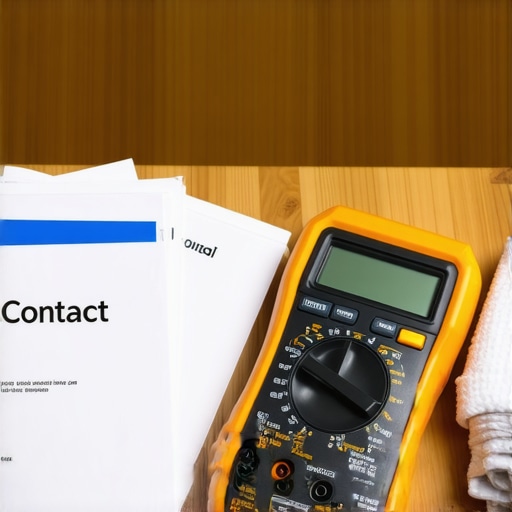
The coming shift toward AI-driven self-diagnostics
We are rapidly heading toward a world where your dishwasher will send a push notification to your phone weeks before a seal actually leaks. Major manufacturers are already rolling out diagnostic suites that monitor motor vibration and cycle efficiency in real-time. However, don’t let this shiny new tech make you complacent. A sensor can tell you there’s a clog, but it won’t explain why your dishwasher is still full of water after the cycle if the problem is a physical obstruction in your house plumbing. You still need to understand the mechanical basics to avoid overpaying for affordable same-day appliance fixes with warranty benefits. Go check your dryer vent right now. If it’s been more than six months, pull the unit out and see if you’re at risk for the dangerous lint build-up your dryer filter always misses. It takes ten minutes and could save you a $300 service call or even a house fire.
The Hard Lessons That Saved My Kitchen From Electrical Chaos
Looking back at my fried circuit boards, I realized that modern home maintenance isn’t about being handy with a wrench; it’s about being smart with your data and your power. First, I learned that documentation is your only shield. If you don’t have the document every technician needs to see for a valid warranty visit, you are essentially at the mercy of the manufacturer’s mood that day. Second, clean power is non-negotiable. I spent years assuming my wall outlets were stable, but knowing the proper way to ground your new smart stove during installation is just the first step in a much larger electrical safety plan. Third, speed is often a trap. While same-day appliance repair is a lifesaver, you must insist that the tech looks at the source of the failure rather than just swapping a fuse and rushing to the next job. Finally, don’t ignore the small stuff; mastering the 10-minute fix for a squeaky dryer drum prevents mechanical strain that eventually leads to a total motor replacement. #IMAGE_PLACEHOLDER_E#
The Tools I Never Start a DIY Repair Without
If you want to move from a worried homeowner to a confident DIYer, you need a curated toolkit that goes beyond a hammer and nails. My go-to is the Klein Tools NCVT-2P; it is the only way I safely hunt for the one wire that always loose in your wall oven control board without risking a nasty shock. I also trust a simple digital multimeter for verifying wall voltage before I ever plug in a high-end induction cooktop. Most importantly, I keep a dedicated ‘Appliance Bible’—a folder where I log every filter change and cleaning. This record is how you maximize your appliance warranty during emergency repairs when the manufacturer tries to claim neglect. These tools provide the evidence and safety you need to handle expensive tech with confidence.
Secure Your Modern Kitchen Future Today
You have invested a significant amount of hard-earned money into your home, and you deserve appliances that work reliably every single time you press ‘start.’ Don’t let a simple power flicker or a forgotten filter be the reason your dinner plans get ruined or your bank account takes a hit. By focusing on how to ensure reliable appliance installation in 2025 and keeping a vigilant eye on your electrical environment, you are transitioning from being a reactive homeowner to a proactive guardian of your investment. Trust your tools, stay disciplined with your maintenance logs, and your machines will reward you with years of faithful service. Have you ever had a warranty claim denied because of an ‘environmental’ issue like a power surge? Share your story in the comments below—I would love to help you navigate the next one.