
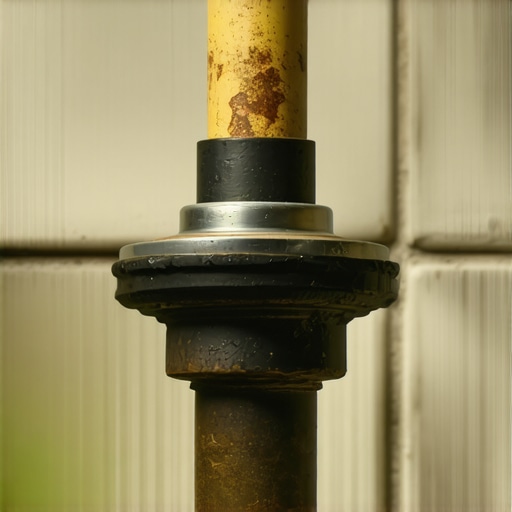
I remember leaning over to grab a clean coffee mug on a humid Tuesday evening, only to recoil like I had just stuck my nose directly into a septic tank. My dishwasher, which was barely six months old, smelled like a municipal drain. It was embarrassing, frustrating, and honestly, a bit nauseating. I spent three days pouring gallons of white vinegar and baking soda down the drain, thinking I just had some old broccoli stuck in the filter. But the funk didn’t budge. It was only when I crawled under the sink with a flashlight that I realized I had made a classic rookie error during the initial setup. I had completely ignored the way the drain hose interacted with the plumbing trap, essentially creating a direct highway for sewer gases to enter my kitchen. If you are currently holding your nose while the ‘Clean’ light mocks you, don’t panic. Today, I am going to show you exactly why this happens and how a simple five-minute adjustment can save your kitchen from the swamp.
Your Kitchen Should Not Smell Like a Swamp
When I first started diving into the world of DIY fixes, I figured if the water went out, the job was done. I was wrong. The reality is that your dishwasher is tied directly into your home’s waste system. Without the right physical barriers, those gases have nowhere to go but up and out through your dishwasher door. I learned the hard way that expert-grade appliance repair and installation is about more than just plugging things in; it is about managing the physics of water and air. Most people think a smelly dishwasher means it’s dirty, but often, the machine is perfectly clean—it’s the plumbing that’s failing you.
Can these odors actually make you sick?
It is a valid fear. While a little bit of ‘stink’ might just seem like a nuisance, sewer gas can contain methane and hydrogen sulfide. In a tightly sealed, modern kitchen, you don’t want these lingering around. My mistake early on was assuming that the P-trap under the sink would handle everything automatically. However, if your dishwasher hose is connected before the trap or without a proper high loop, you are bypassing the very safety feature meant to protect you.
The One Mistake That Invites Sewer Gas into Your Home
The culprit is almost always the lack of a ‘high loop’ or a siphon break. When I installed my own unit, I just let the drain hose sag naturally under the sink. I didn’t realize that the secret drain loop every plumber knows is the only thing standing between my clean dishes and the neighborhood’s waste. According to the International Association of Plumbing and Mechanical Officials (IAPMO), a backflow prevention method is a non-negotiable code requirement for a reason. Without it, dirty sink water can actually flow backward into your dishwasher. You might also be dealing with the critical drain hose loop you’re missing if your hose is attached too low on the garbage disposal. Have you ever noticed a pool of murky water at the bottom of your tub after running the sink? If so, you’re likely living my past nightmare. Tell me, have you checked under your sink lately to see if your hose sags like a tired clothesline? It might be time for a quick fix before the smell takes over your whole house.
Fix the Siphon Effect with a Proper High Loop
The most common reason your dishwasher stinks is that water is sitting in the hose, or worse, dirty water from your sink is draining back into the machine. Think of your drain hose like a rollercoaster track; if the track just lies flat on the ground, the cars—or in this case, the water—have no momentum and nowhere to go. You need to create a peak. This peak, known as the drain hose high loop that stops dishwasher backflow, forces the water to climb up before it drops into the drain. By securing the hose as high as possible under the counter—ideally above the level where the sink drains—you create a physical air gap that prevents gravity from pulling nasty sewer odors into your tub. 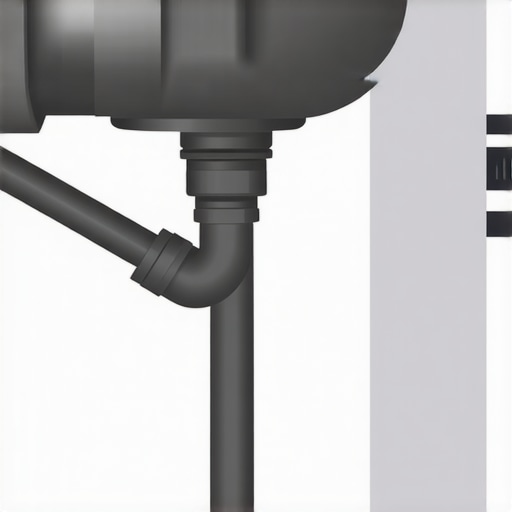
Secure the Hose with More Than Just Hope
When I first realized my mistake, I grabbed a roll of duct tape and slapped the hose against the back of the cabinet. It worked for exactly two days. The heat from the dishwasher’s drain cycle turned the tape into a gooey mess, and the hose slumped back down like a wet noodle. Within 24 hours, the swamp smell was back. Don’t be like me. Use a plastic plumbing strap or a specialized bracket to screw the hose into the side of the cabinet or the underside of the counter. This ensures your secret drain loop every plumber knows stays in place for years, not days.
Punch Out the Disposal Plug to Clear the Path
If you just installed a new garbage disposal and your dishwasher isn’t draining at all, or if it’s backing up constantly, you probably missed the ‘knockout plug.’ I once spent an hour swearing at a brand-new disposal before I realized I had literally blocked the exit for the dishwasher. Inside the small nipple where the dishwasher hose attaches to the disposal, there is a plastic plug designed to be knocked out with a screwdriver and a hammer. If that plug is still there, you’re basically trying to pump water into a brick wall. This is a crucial part of any reliable appliance installation in 2025. If you leave it in, the pressure can actually damage your dishwasher pump, which is an expensive fix you definitely want to avoid.
Check for Obstructions in the Sump and Filter
Sometimes the smell isn’t from the hose at all, but from a debris party happening in your filter. Even with a perfect high loop, bits of old salmon or soggy cereal can get trapped in the fine mesh screen at the bottom. Reach in there, twist the filter out, and give it a good scrub with a toothbrush. If the water still won’t leave the tub, you might need to look deeper into the pump assembly. In cases where the hardware itself is failing, you should check if you are eligible for same-day appliance repair quick solutions.
Use Your Warranty for a Professional Setup
If you’ve tried the high loop and cleared the disposal plug but the smell persists, you might be dealing with a faulty check valve or a defective internal seal. This is where you have to be careful. If your machine is still new, poking around too much might trigger the hidden costs of diy-repairs on warranty-covered items. Many people don’t realize that their manufacturer’s coverage often includes labor for installation-related issues if the unit was set up by a certified tech. Instead of risking a voided claim, look for fast trustworthy appliance installation near you or contact your provider to see if they offer warranty-backed appliance services you can rely on to get the plumbing right once and for all.But even once the plumbing is perfect, I see people stumble into a much bigger trap: the ‘Same-Day Service’ illusion. Everyone tells you to look for a technician who can be there in two hours, but in my experience, the speed of the arrival is often a distraction from the speed of the actual resolution. Most homeowners think ‘same-day’ means the machine is fixed and running by dinner. The reality? Many companies use that promise just to get a foot in the door for a diagnostic fee. According to the Association of Home Appliance Manufacturers (AHAM), modern appliances are so specialized that nearly 30% of repairs require proprietary parts that aren’t kept on standard service vans. If you want to know what to expect from same-day appliance repair experts, you need to ask if they stock ‘common failure’ components for your specific brand before they even pull into your driveway. 
Why ‘Same-Day Service’ is often a diagnostic-only promise
I’ve seen it dozens of times: a technician arrives quickly, spends ten minutes looking at the unit, and then tells you the part is three days away. To avoid this, I always recommend providing your model number and a detailed description of the error code during the initial call. This is the secret to scheduling your appliance repair for same-day service in 2025 that actually results in a working machine. If they can’t pre-diagnose the likely culprit, that ‘fast’ service call is just an expensive appointment. Have you ever fallen into this trap and waited a week for a part after being promised immediate help? Let me know in the comments.
Does your ‘Extended Warranty’ actually cover mechanical failure?
This is the most sophisticated question you can ask, and the answer is often buried in fine print. There is a massive difference between a manufacturer warranty and a service contract. A manufacturer warranty covers defects in materials, while a third-party service contract might have ‘wear and tear’ exclusions that leave you high and dry. I once helped a neighbor who thought his fridge compressor was covered, only to find out the contract excluded ‘environmental damage’—which the company claimed was just the dust under his fridge. You must understand the wear and tear clauses that might void your warranty before you sign on the dotted line.
Stop letting generic parts kill your control board
The ‘oops’ factor I see most often with DIY enthusiasts is the temptation to save $50 by buying a generic replacement part online. While a generic drain hose might be fine, using a non-OEM (Original Equipment Manufacturer) control board or sensor is a recipe for disaster. These ‘budget’ parts often have slight voltage variances that can eventually fry the entire wiring harness. This is exactly why how to ensure reliable appliance installation in 2025 involves more than just physical fit; it requires electrical compatibility. If you are doing a repair yourself, you are already risking the hidden costs of diy-repairs on warranty-covered items, so don’t double down on that risk by using substandard components. If the job feels over your head, it’s always better to look for same-day appliance repair quick solutions with warranty support where the parts are guaranteed. Remember, a cheap part that fails in six months is the most expensive part you’ll ever buy.I used to think a hammer and a prayer were enough to handle a leaky washer. I was wrong. If you are serious about skipping the $200 service call, you need a digital multimeter. I personally use a Klein MM400 because it is rugged enough to survive a drop on a tiled kitchen floor and accurate enough to tell me if a thermal fuse is truly blown or just acting up. This is the foundation of an expert-guide to appliance repair and installation today. Without one, you are just guessing, and guessing gets expensive when you start replacing parts that werent actually broken. Learning how to use this tool allows you to perform the refrigerator thermostat test every diyer should know. I also never tackle a dishwasher or washing machine without a set of dedicated nut drivers. Most modern units use 1/4-inch and 5/16-inch hex head screws, and using a flathead screwdriver on those is a one-way ticket to a stripped screw and a very bad Saturday. 
How can I keep these machines running for a decade?
The secret isn’t just in the brand you buy, but in the paper trail you leave behind. According to the Association of Home Appliance Manufacturers (AHAM), the average life expectancy for major appliances like dishwashers is about 9 to 10 years, yet many fail at the five-year mark due to simple neglect. To avoid this, you need to know how to prove periodic maintenance to keep your warranty valid. I keep a dedicated folder—yes, a physical one—where I staple every receipt for filters, descaling solutions, and even the brush I use to clean the condenser. This is the one maintenance record that saves your appliance warranty claim when a corporate adjuster tries to argue the failure was due to user error. If you find yourself in a pinch, knowing how to maximize your appliance warranty during emergency repairs can be the difference between a free fix and a $400 bill.
Your Phone Is About to Become a Repair Man
Looking ahead, I predict that same-day service will shift from human-dependent diagnostics to AI-driven remote fixes. We are already seeing machines that can ‘talk’ to a technician’s smartphone before they even arrive. This technology will finally make top tips for same-day service warranty coverage actually effective, because the van will show up with the exact sensor needed. Until then, you have to be your own advocate to ensure reliable appliance installation in 2025. If a machine fails, don’t just call the first number on Google; look for same-day appliance repair quick solutions with warranty support that explicitly mentions your brand’s diagnostic software. You want a team that uses warranty-backed appliance services you can rely on to ensure the software is updated along with the hardware. Take ten minutes this weekend to vacuum the dust out from under your fridge. It sounds small, but it is the number one way to prevent a compressor meltdown next August.
The Reality Check Most Appliance Manuals Forget to Mention
Looking back at my ‘swamp kitchen’ phase, I realized that most manuals focus on what buttons to press, not how to manage the physics of your home. First, never underestimate the power of gravity; if your hose isn’t looped, you’re literally inviting the city’s waste to dinner. Second, I learned that the difference between a manufacturer warranty and a service contract is the most expensive lesson a homeowner can learn. One covers your back when the machine fails, while the other often looks for excuses to deny the claim. Finally, the smell is almost always a symptom of a setup error, not a broken motor. Once I mastered the drain hose high loop that stops dishwasher backflow, my kitchen air quality improved overnight.
What I Keep in My Emergency Repair Toolkit
If you want to move beyond basic troubleshooting, you need more than just a standard toolbox. I trust my digital multimeter because it takes the ‘guesswork’ out of electrical issues. I also swear by a dedicated ‘Appliance Bible’—which is just a simple physical folder where I store every manual and receipt. This habit is exactly how to prove periodic maintenance to keep your warranty valid if you ever need to file a claim. I also recommend checking the AHAM website regularly for recall notices. By following an expert guide to appliance repair and installation today, you’ll find that 90% of failures are preventable with the right tools and a little bit of foresight.
Stop Fearing the Machine and Start Owning the Fix
Taking care of your appliances doesn’t require an engineering degree, just a willingness to look under the sink once in a while. Whether you are dealing with a funky smell or a sudden breakdown, remember that you have the tools to handle it—or the knowledge to know when to call for same-day appliance repair quick solutions with warranty support. Your home is your biggest investment, and keeping it running smoothly starts with getting the basics of appliance repair right. Have you ever found something truly bizarre in your dishwasher filter that was causing a stink? Let me know your stories in the comments below!