
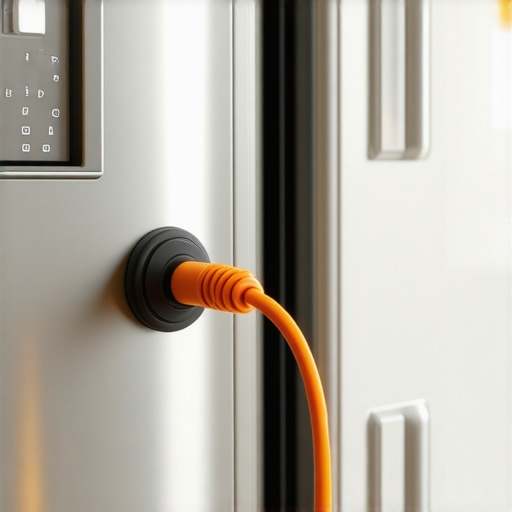
There I was, standing in my kitchen with a puddle of melted Rocky Road ice cream at my feet and a sinking feeling in my gut. My six-month-old refrigerator was dead silent. No hum, no light, nothing. I figured, “Hey, I have a warranty, right?” Wrong. I learned the hard way that a simple decision about how I plugged in the unit had rendered my expensive protection plan completely useless. It was a visceral lesson in fine print that I don’t want you to repeat. Most of us think that as long as the lights are on, the power is fine. But manufacturers are looking for any reason to dodge a high-cost repair, and your power setup is their favorite target.
The One Plug Mistake That Costs Thousands in Repairs
I thought I was being clever by using a heavy-duty extension cord to reach an outlet slightly further away. It felt sturdy. It looked professional. However, when I called for same-day appliance repair, the technician didn’t even open his tool bag. He pointed at the orange cord and told me flatly that my claim was dead on arrival. Using anything other than a dedicated, wall-mounted outlet for a high-draw appliance like a fridge is a direct violation of almost every major brand’s installation guidelines. This is one of the most common hidden costs of DIY repairs and setups—you save a few minutes on installation but lose years of protection. If the compressor fries because it wasn’t getting consistent voltage through that thin copper wire in your extension cord, the manufacturer will leave you out in the cold every single time.
Is a power cord really enough to justify a denied claim?
You might think I’m being dramatic, but the legal reality is quite harsh. According to the Electrical Safety Foundation International (ESFI), major appliances should never be plugged into extension cords or power strips because they aren’t designed to handle the high current flow, which can lead to overheating and fire hazards. Manufacturers use this safety standard as a shield. If you aren’t following the manual to the letter, you’re essentially self-insuring your kitchen. I’ve seen neighbors try to challenge a warranty claim rejection for this exact issue, and they almost always lose. The goal today is to help you audit your kitchen setup before the cooling stops. Have you ever checked the back of your fridge to see if it’s plugged directly into the wall, or are you running on a ‘temporary’ fix that’s been there for years? Let me know in the comments if your installer actually warned you about this!
Beyond just the cord itself, you need to understand how maximizing your appliance warranty requires a paper trail of proper installation. If you did it yourself and skipped the dedicated circuit, you’ve left a trail of breadcrumbs for the insurance adjuster to follow. It’s not just about the cord; it’s about the voltage drop that kills the sensitive electronics in modern smart fridges. We are going to dive into how to fix this setup without a full kitchen remodel, ensuring you stay within the lines of your coverage while keeping your food cold.
Stop Piggybacking Your Power
Think of your home’s wiring like a highway. If every car is trying to merge into the same lane, you are going to get a pileup. In your kitchen, that pileup manifests as a blown compressor or a fried control board. To get the most out of your setup, you need to ensure your refrigerator is on a dedicated 15-to-20-amp circuit. This means nothing else—no toaster, no microwave, and definitely no coffee maker—should be sharing that specific breaker. I once lived in a rental where the fridge and the microwave were on the same line; every time I popped popcorn, the fridge lights dimmed. It seemed like a quirky house charm until the fridge started making a clicking sound that signaled the start of a very expensive failure. If you are unsure about your current setup, consulting an expert guide to appliance repair and installation today can help you identify the tell-tale signs of an overloaded circuit before it’s too late.
How to Check for a Dedicated Circuit
You don’t need to be an electrician to do a basic audit. Go to your breaker box and look for the label. If it’s not labeled, turn off the breaker that controls your fridge and see if the lights in the dining room or the outlets on the counter also go dark. If they do, you don’t have a dedicated circuit. This is a red flag for warranty adjusters. To ensure you have a reliable appliance installation in 2025, you might need to have a professional run a new line. It’s a small upfront cost compared to a $2,000 repair bill that the manufacturer refuses to pay.
Why Three Inches of Air Saves You Three Thousand Dollars
Heat is the silent killer of modern appliances. Most people shove their refrigerators as deep into the cabinetry as possible to get that sleek, built-in look. I did exactly this in my last remodel, trying to gain every inch of floor space. Within weeks, the back of the unit was radiating heat like a space heater. Your fridge needs at least one to two inches of space on the sides and at least an inch at the top for proper ventilation. Without this gap, the compressor has to work twice as hard to stay cool, leading to premature wear and tear. This isn’t just about refrigerators either; understanding the critical airflow distance required for any high-heat appliance is a fundamental rule of home maintenance. If a technician sees your unit is ‘choking’ for air, they will mark it as an improper installation, and your claim will be dead on arrival.
Measuring for Proper Heat Dissipation
Pull your unit out and measure the distance from the back coils to the wall. If it’s touching the drywall, you’re asking for trouble. Ensure there is no dust buildup on the coils while you’re back there, as this further restricts airflow. Manufacturers consider ‘neglect’ a valid reason to void coverage, so keeping these areas clean is part of how to prove periodic maintenance to keep your warranty valid when an inspector eventually knocks on your door.
Build Your Defense with a Simple Warranty Folder
When you call for service, the first thing the company looks for is a reason to say ‘no.’ I keep a physical folder—yes, old school—right in the drawer next to my stove. Inside is the original receipt, the installation manual, and a photo of the unit plugged directly into the wall on the day it was installed. This is the one maintenance record that saves your appliance warranty claim because it provides undeniable proof that the unit was set up according to the manufacturer’s specs from day one.
What Evidence the Adjuster Wants to See
Beyond the receipt, take a photo of your circuit breaker panel showing the dedicated switch. If you ever have to challenge a warranty claim rejection, this photographic evidence is your best weapon. It shifts the burden of proof back onto the manufacturer, making it much harder for them to claim that your home’s environment caused the failure.
Most people think getting someone into the house within three hours of a breakdown is the gold standard of service. We’ve been conditioned to value speed above everything else when the milk is warming up and the kids are complaining. However, I’m going to challenge that common belief: prioritizing pure speed over certification is the fastest way to set your money on fire. When you are scheduling your appliance repair for same-day service in 2025, the ‘traps’ aren’t always obvious. If you hire a ‘jack-of-all-trades’ who can show up in twenty minutes but isn’t authorized by your brand, you have effectively torn up your warranty agreement. In my experience, waiting an extra four hours for a factory-certified technician is infinitely better than having a local handyman ‘hack’ a solution that voids your $3,000 investment. Have you ever fallen into this trap? Let me know in the comments if a quick fix ended up costing you more in the long run.
The Compatible Parts Trap That Voids Everything
Here is the ‘oops’ factor that almost nobody talks about: the parts list. When a tech arrives for affordable same-day appliance fixes with warranty benefits, they often carry ‘universal’ or ‘compatible’ parts to save space in their van. These are the generic equivalents you see on discount sites. They might fit, and they might even work for a few months, but manufacturers like Samsung, LG, and Bosch specifically look for non-OEM (Original Equipment Manufacturer) components during secondary inspections. According to a study by Consumer Reports, nearly 20% of major appliances experience a breakdown within the first five years; if your repair involves a non-certified part, that subsequent breakdown is 100% your financial responsibility. This is one of the most overlooked wear and tear clauses that might void your warranty because it’s classified as an ‘unauthorized modification.’
Can Your Smart Fridge Actually Snitch on You?
We are living in the era of the ‘connected’ kitchen, and this adds a layer of complexity to maximizing your appliance warranty during emergency repairs. Modern high-end units have internal logs that record voltage spikes, door open times, and even when the back panel is removed. If an uncertified tech tries to ‘jump’ a relay or bypass a sensor to get you through the weekend, the motherboard logs that event. When the official warranty adjuster shows up later to replace a $800 board, they’ll see the timestamped error code of the bypass. To avoid this, always insist on a fast trustworthy appliance installation near you that includes a digital handshake with the manufacturer’s server, ensuring the repair is ‘on the books’ and legally recognized. 
Why You Should Fear the ‘Cash Only’ Discount
If a technician offers you a lower rate for ‘off-the-record’ work, run. I’ve seen homeowners try to save $50 on a service call only to find out later that their what to do when your appliance warranty plan goes bankrupt or becomes unusable because there is no official work order. Without a formal invoice that lists the technician’s certification number and the specific OEM part numbers used, you have no recourse. You need that paper trail to prove you’ve maintained the unit according to the standards outlined in the expert guide to appliance repair and installation today. It’s not just about fixing the machine; it’s about protecting the legal contract you have with the manufacturer. If you are ever in doubt, check our contact us page to learn how to verify a tech’s credentials before they touch a single screw on your machine.
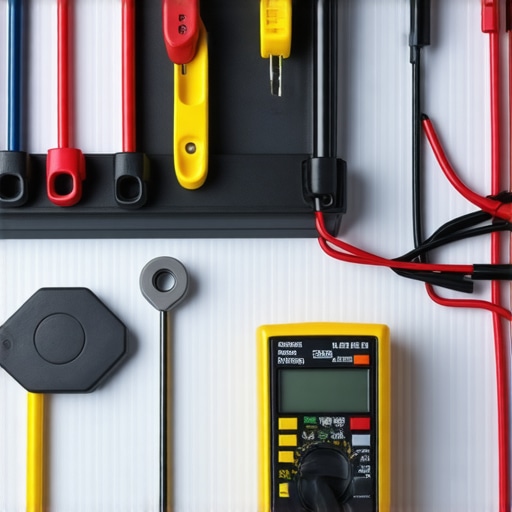
I have realized over the years that the best defense against a denied claim is having better data than the manufacturer. Most people wait for the ‘clunk’ or the ‘drip’ to act, but I prefer to stay ahead of the curve with a few specific tools that shift the power dynamic back into my hands. I personally keep a Klein Tools MM400 multimeter in my utility drawer. It is not just for show; before I ever call for same-day appliance repair, I run the refrigerator thermostat test every diyer should know. If I can point to a specific component failure with data, the technician is far less likely to brush me off with a vague diagnosis of ‘owner neglect.’
Why a Multimeter is Your Best Warranty Weapon
Using a multimeter allows you to verify voltage at the outlet and continuity in your heating elements or sensors. According to technical standards from the Association of Home Appliance Manufacturers (AHAM), voltage fluctuations are the primary cause of control board failure in modern smart appliances. If you can prove your home is providing steady power, you eliminate their favorite excuse. I also suggest checking how to properly ground a new garbage disposal install or any other recent kitchen addition. A floating ground in one part of your kitchen can send ‘noise’ through your electrical lines, glitching out the sensitive electronics in your high-end fridge and giving adjusters an easy out.
How do I maintain my appliances over the long haul?
The secret is consistent, documented verification. I treat my kitchen like a server room. This means every six months, I perform a ‘ventilation audit.’ I make sure there is the proper clearance needed to prevent oven overheating and use a vacuum with a brush attachment to clear the dust from my refrigerator coils. I take a quick photo of the clean coils with my phone. If a compressor fails and a tech tries to claim it ‘suffocated’ due to dust, I have a timestamped photo from three months prior showing it was pristine. This is the ultimate way how to prove periodic maintenance to keep your warranty valid without spending a dime on professional service contracts.
Turn Your Smartphone Into a Maintenance Shield
I use an app to store my top tips for same-day service warranty coverage alongside my digital receipts. When you are ensuring a reliable appliance installation in 2025, the paper trail is your only shield. I recommend scanning your maintenance contract clause that saves you on labor costs and keeping it in a cloud folder. If you can pull up your coverage details on your phone while the technician is still in your kitchen, you can prevent them from charging you for ‘diagnostic fees’ that are actually covered by your plan. It’s about being an informed consumer who isn’t afraid to quote the fine print back to the service provider.
Prepare for the Rise of the Appliance Black Box
I predict that within the next three to five years, manufacturers will move toward ‘encrypted maintenance.’ We are already seeing high-end brands lock their diagnostic ports, meaning you can only get warranty-backed appliance services you can rely on from a tech with a proprietary digital key. This ‘black box’ trend makes your personal documentation even more critical. If you can’t access the internal logs, your external photos and multimeter readings are your only evidence in a dispute. My advanced tip for you today: pull your refrigerator out just two inches and check for dust. If you find a ‘dust blanket’ on the coils, vacuum it immediately and take a photo. This simple ten-minute task could be the difference between a free replacement and a $2,000 bill.
What the Factory Rep Won’t Say at Your Front Door
The most expensive lesson I learned wasn’t about the fridge itself, but about the invisible contract between the homeowner and the service provider. We often assume that buying a ‘premium’ brand is a shield against failure, but the reality is that high-end units are actually more sensitive to environment and setup errors. A technician is trained to look for ‘external factors’—like that extension cord I mentioned earlier—to lower the manufacturer’s liability. When you understand what to expect from same-day appliance repair experts, you realize that your role is to be an informed partner, not just a passive observer. Provide them with the data, show them your dedicated circuit, and the conversation shifts from ‘who is at fault’ to ‘how fast can we fix this.’
- The ‘Golden 10%’ Rule: The first 10% of your appliance’s life (the installation phase) determines the next 90% of its performance.
- Silent Sensors: Modern motherboards track voltage stability; if your house has ‘dirty power,’ the warranty might be voided before the unit even breaks.
- The Advocate Mindset: A certified tech is more likely to push for a covered repair if they see you’ve clearly followed the manual’s ventilation and power requirements.
Tools That Keep the Warranty Gods Happy
You don’t need a garage full of specialized gear, but a few strategic items will make you bulletproof during an inspection. I recommend keeping a digital folder—I use a simple cloud-based app—to store the warranty document you must save before discarding the box. This, paired with a timestamped photo of the rear ventilation space, is your best defense. If you are dealing with a new purchase, knowing how to document a dead-on-arrival appliance for a full refund is equally critical. I also suggest a basic plug-in circuit tester; it’s a $10 tool that proves your outlet is properly grounded and wired, leaving no room for a technician to blame your home’s electrical system for a component failure.
#IMAGE_PLACEHOLDER_E#
Protect Your Peace and Your Produce
At the end of the day, your kitchen is the heart of your home, and an unexpected breakdown shouldn’t mean a total financial loss. By moving away from ‘temporary fixes’ and committing to a professional, documented setup, you transform your warranty from a piece of paper into a genuine safety net. Always prioritize warranty-backed appliance services you can rely on to ensure that every repair is logged and every part is genuine. You’ve invested thousands into your appliances; spending a few extra minutes on the installation and a few dollars on a dedicated circuit is the smartest insurance policy you can buy. Have you ever had a warranty claim denied for a reason that felt like a technicality? Share your story in the comments so we can all learn how to avoid the same trap!