
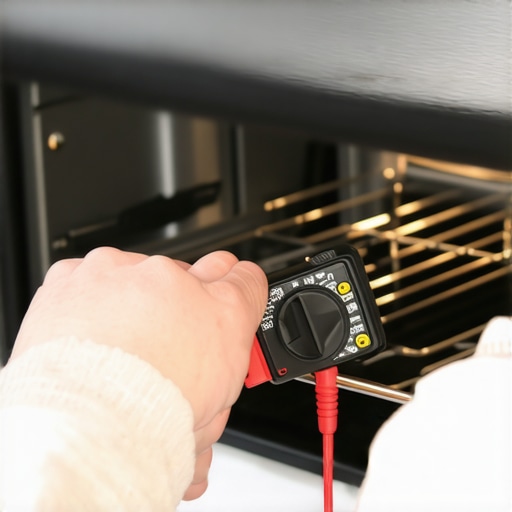
I remember the exact moment my oven refused to heat up before a dinner party. I was mid-recipe, and suddenly, my baked dish was turning into a cold, disappointing mess. It hit me—what if I could have diagnosed the problem myself instead of waiting for a pricey repair technician?
Don’t Let a Faulty Bake Element Ruin Your Cooking Plans
Many homeowners face the frustrating reality of an oven that doesn’t warm up properly. The culprit? Often, it’s the oven bake element. Knowing how to test it for continuity isn’t just a handy skill; it can save you time, money, and the hassle of unnecessary replacements. Today, I’ll walk you through the process based on my own experience and some expert tips.
Is Checking the Bake Element Really Worth It?
Absolutely. When I first started tinkering with my appliances, I made the mistake of replacing parts without proper testing. That led to unnecessary expenses. According to appliance repair experts, testing for continuity is the most reliable way to determine if the bake element needs replacing. Plus, you’ll gain confidence in handling minor repairs yourself—something I wish I’d learned earlier. Curious how simple it is? Stick around, because I’m about to share step-by-step instructions on how to perform this test safely and effectively. If your oven is giving you cold shoulders, this guide might just be your saving grace.
Prepare for Safety and Equipment
Before diving into testing your oven, ensure it’s unplugged to avoid electrical shocks. Gather a multimeter, which looks like a small device with probes, and a screwdriver to remove the oven’s back panel or control panel cover. When I first attempted this, I accidentally skipped unplugging and almost shocked myself—always prioritize safety.
Access the Bake Element
Next, locate the bake element at the bottom of your oven. Depending on your model, you might need to pull out the oven from the wall or remove the back panel. I once struggled with a stubborn screw, but using the right screwdriver made the process smoother. Once accessible, disconnect the wires connected to the bake element terminals, noting their positions for reassembly.
Set Up Your Multimeter for Continuity Testing
Set your multimeter to the “continuity” or “ohms” setting. This mode detects whether the circuit inside the bake element is complete. When I first tried this, I was unsure if my multimeter was working—testing a known working wire confirmed it was ready. Touch the probes to each terminal of the bake element; a continuous beep or a low resistance reading indicates an intact circuit, meaning the element is good. If you hear no beep or see an infinite resistance reading, the element is likely faulty and should be replaced. Alternatively, learn more about troubleshooting your appliance by browsing this guide on oven issues.
Evaluate and Decide
Based on your multimeter readings, determine if the bake element needs replacing. If it’s defective, the repair is straightforward; you can order a new part online. When I replaced my faulty bake element, I found it similar to swapping a burned-out light bulb—simple once you know how. Remember to reconnect the wires securely and restore power to test if your oven heats properly again.
Final Checks and Precautions
After fixing or testing, double-check all connections before fully reassembling your oven. Turn the oven on and set it to bake; confirm if heat is now being generated. If not, revisit your test or consider consulting a professional. Regularly testing components like this can help prevent unexpected breakdowns and keep your cooking on track. For other appliance diagnostics, you might find solutions for dishwasher issues useful.
Many homeowners operate under misconceptions about warranties and appliance repair services, often leading to costly mistakes. One common myth is that warranty coverage always includes free repairs for any malfunction. In reality, warranties frequently exclude certain parts or issues, such as damage caused by user error or improper installation. Understanding these nuances ensures you’re not caught off guard when your appliance encounters problems.
Why Do People Often Misjudge Appliance Warranties and Service Quality?
A significant oversight is assuming that all repair technicians are certified or that same-day service is guaranteed without extra costs. In my experience, unverified technicians may perform subpar repairs, which can cause recurring issues. Always verify technician credentials and clarify service terms beforehand to avoid unnecessary expenses and safety risks. For example, choosing unreliable fixers might lead to improper installations—like incorrect door seals—which can compromise appliance longevity. Regularly auditing the quality of service providers prevents these pitfalls and safeguards your investments. Moreover, many believe that installation is straightforward and can be DIY-ed to save money. However, improper setup, such as incorrect clearance space around refrigerators can drastically impair efficiency and void warranty coverage. Engaging professional installers often proves more cost-effective in the long run.
Another hidden nuance involves the expectations set by marketing claims of “same-day service.” While some companies boast this promise, actual availability varies, especially during peak seasons. Relying solely on this claim can lead to frustration if the company’s schedule is full, delaying critical repairs. In my experience, confirming the service window explicitly helps avoid misleading assurances and ensures timely support.
Have you ever fallen into this trap? Let me know in the comments. Navigating the fine print and understanding these subtleties empowers you to make better decisions and extend the lifespan of your appliances.
For instance, neglecting to maintain proper filter screens or ignoring signs of worn seals can cause damage that’s not covered under warranty. Staying informed about these technical details helps avoid surprises and ensures you’re prepared for routine maintenance and unexpected issues alike.
Investing in Quality Tools Makes All the Difference
When it comes to maintaining your appliances, having the right equipment is essential. I personally rely on a high-quality digital multimeter from Fluke because of its durability and precision. Unlike cheaper models, it provides accurate readings even in challenging environments, making troubleshooting much more reliable. Additionally, a set of insulated screwdrivers is invaluable for safely removing panels without risking electrical shocks. These tools not only help me diagnose issues efficiently but also ensure safety during every repair session.
Software Solutions for Enhanced Maintenance
Beyond physical tools, smart diagnostics software can be a game-changer. For example, some modern refrigerators and washing machines have built-in diagnostic modes accessible via their control panels. Using these features can quickly identify error codes without guesswork. I frequently use diagnostic apps from appliance manufacturers, which often include troubleshooting guides and firmware updates. Staying updated with the latest software versions helps optimize appliance performance and prolongs their lifespan.
Creating a Long-Term Maintenance Routine
Consistent upkeep prevents small issues from becoming costly repairs. I recommend setting reminders to perform routine checks, such as cleaning filters (like this one for washing machines) and inspecting door seals. In particular, routine cleaning of drain tubes and outlet valves can prevent leaks and clogs, saving you from emergency repairs. Regularly verifying that appliances are level and free of obstructions ensures they operate efficiently and avoids unnecessary wear.
Scaling Up for Larger or Multiple Units
If you’re managing numerous appliances or larger setups, organization becomes key. Installing a central control system, such as a smart home hub compatible with your appliances, allows you to monitor and troubleshoot remotely. I foresee this trend becoming more popular, with systems integrating AI to predict failures before they happen. This proactive approach minimizes downtime and enhances security and convenience.
How do I maintain appliances over time?
Consistency and the right tools are your best allies. Adopt a preventative maintenance schedule—check seals, filters, and electrical connections regularly—and utilize reliable diagnostic tools. For instance, keeping your device’s firmware up to date can prevent software glitches that cause operational issues. Remember, investing in quality equipment like a multimeter or diagnostic apps saves you money and hassle in the long run. Want to get more precise? Try calibrating your thermostat settings periodically, which can make a notable difference in energy efficiency and appliance lifespan. For practical guidance, review this resource on garbage disposal maintenance.
With diligent care and proper tools, you’ll keep your appliances running smoothly for years. Next time you face an issue, instead of calling for immediate professional help, try performing a quick diagnosis with your multimeter—like testing your refrigerator’s door seal for leaks or verifying your oven’s heating element continuity. This proactive approach empowers you to manage problems early and save on repair costs.
Remember, staying ahead with maintenance not only extends the lifespan of your appliances but also ensures safety and efficiency. Don’t wait for a complete breakdown—start integrating these tools and routines today, and enjoy peace of mind knowing your home runs seamlessly.
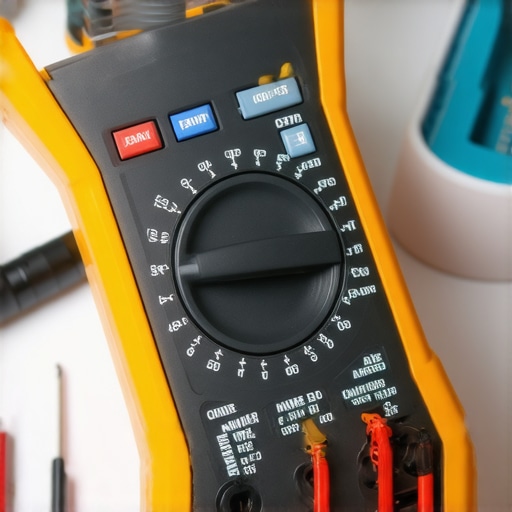
The Hidden Lessons Behind Appliance Warranties That No One Tells You
One of the most eye-opening truths I uncovered is that not all warranties are created equal. Initially, I believed a warranty meant free repairs and total security, but I learned the hard way that many cover only specific parts or exclude user-inflicted damage. This realization pushed me to read the fine print and question every service agreement, saving me from unexpected expenses. Moreover, trusting unverified technicians can lead to recurring issues and even void warranties, emphasizing the importance of checking credentials and service reviews. A key insight was understanding the difference between OEM parts and cheap alternatives—using genuine components ensures durability and maintains warranty coverage. Lastly, I discovered that regular preventive maintenance often extends the life of appliances more than reactive fixes, reinforcing that proactive care beats costly repairs in the long run.