
Ever had that unnerving moment when you finally decide to relocate your refrigerator, only to discover a small, hidden valve you didn’t even know existed? I remember the first time I tried to shuffle my big ol’ fridge across the kitchen. I thought I had unplugged it, turned off the water supply, and was ready to go. Yet, halfway through the move, water started leaking from the fridge, and I was left scrambling to figure out what I missed. That lightbulb moment taught me a crucial lesson: there’s a secret valve hidden away, and if left open, it can turn a simple move into a water disaster.
Why You Can’t Ignore That Tiny Valve When Moving Your Fridge
Let me cut straight to the point: before you start unplugging and hauling, you need to locate and shut off the inlet water valve that supplies your fridge. This isn’t just about avoiding flooding — it’s about protecting your appliances and your home from costly damage. I found out the hard way that a small oversight, like forgetting to close that hidden valve, can lead to water leaks, mold growth, and even damage to your flooring. Trust me, it’s worth taking a few extra minutes now to save a world of trouble later.
Is the Hidden Valve Really That Important?
Some folks dismiss this step as unnecessary. I did, at first. But after a leak flooded my kitchen floor, I learned that the valve controls the flow of water to your ice maker and water dispenser. Leaving it open while moving the fridge can cause chaos. The good news is, finding this valve is easier than you think — it’s often located behind or beneath the fridge, connected to the water line. By shutting it off properly, you prevent those unwanted water surprises. If you’re uncertain, check out this guide on how to prevent fridge water leaks for more insights.
In my early days of appliance repair, I made the mistake of assuming all valves were clearly labeled and straightforward. That assumption cost me dearly when I faced an unexpected flood. So, learn from my slip-up. Now, I always double-check the water inlet valve before moving any fridge connected to water.
Stay tuned, because next, we’ll go through the exact steps to locate, shut off, and reconnect that hidden valve — and ensure your move is smooth, safe, and leak-free. Have you ever faced this problem while moving your refrigerator? Let me know in the comments!
.
Locate the Inlet Water Valve
Begin by pulling out the fridge slightly from the wall to access the back. Look behind or beneath the appliance; the valve is typically connected to the water line supplying your ice maker or water dispenser. It resembles a small, round knob or lever, sometimes labeled as “water inlet” or “shut-off valve.” For example, I once moved my fridge and noticed a small lever tucked behind a cabinet; this was the valve, and shutting it off was straightforward once located.
Identify the Type of Valve
There are mainly two types: a quarter-turn valve with a lever or a screw-type with a nut. The lever type is easiest—simply turn it 90 degrees to close. If it’s a screw-type, use pliers to turn it clockwise. Confirm it’s closed by gently attempting to turn the handle; it shouldn’t move. Having the right tools, like a pair of adjustable pliers, makes the process smoother and prevents damage.
Shut Off the Water Supply
Once identified, turn the valve system off to prevent water flow during your move. Think of it as turning off the water when fixing a leaky faucet—precise and deliberate. Remember, leaving this valve open is like leaving a tap running and can cause a flood if the line gets disturbed. My experience: I once forgot to close this valve, and during the move, a small jolt caused water to start leaking from the fridge, creating a mess that took hours to clean. Always double-check that the valve stays shut before proceeding.
Confirm No Water Is Running
After closing the valve, disconnect the water line from the fridge. Place a sponge or towel underneath to catch any residual drips. Turn on the fridge’s dispenser or ice maker temporarily to ensure no water flow occurs. This step confirms the valve is fully closed and prevents surprises during the move.
Reconnect and Reopen the Valve Post-Move
After relocating the fridge, reconnect the water line securely and reopen the valve by turning it counter-clockwise (for lever types). Turn on the water supply gradually, watching for leaks. This method ensures your fridge’s water system is back in place without risking flooding or damaging components. An oversight here—leaving the valve slightly open—can lead to unexpected leaks. Ensuring it’s properly closed and reopened guarantees smooth operation and prevents damage to your flooring and appliances.
If you encounter stubborn valves or leaks, consult detailed guides like how to prevent fridge water leaks to troubleshoot common issues effectively.
Many homeowners operate under misconceptions about appliance repair, installation, and warranty claims. A common myth is that all technicians deliver equal quality and honesty, but experience shows that some prioritize quick fixes over thorough, lasting solutions. Rushing through installations without verifying connections can lead to subtle issues later, such as leaks or electrical faults. Moreover, many assume that same-day service always guarantees top-tier work; however, rushing appointments often sacrifice meticulousness, potentially causing long-term problems.
Why Do People Often Overlook Warranty Fine Prints, and What’s the Hidden Cost?
It’s intriguing how many neglect reading warranty terms thoroughly. For instance, using unapproved parts or failing to follow proper maintenance procedures can void coverage, leaving you vulnerable during repairs. An overlooked clause might state that unauthorized repairs or modifications void the warranty—yet homeowners frequently perform DIY fixes based on incomplete info, risking hefty out-of-pocket expenses. As expert sources emphasize, understanding the nuances in warranty documents ensures you don’t unknowingly waive valuable protections (Learn more about warranty pitfalls here).
Similarly, a trap many fall into involves misjudging the urgency of appliance repairs. For instance, ignoring strange noises during operation or delays in heating can lead to hardware damage, increasing repair costs. Recognizing symptoms early, and understanding advanced nuances—like the significance of a faulty thermostat calibration in oven efficiency—can save money and extend appliance lifespan (Get insights on thermostat calibration).
Don’t forget, attempting multiple quick fixes without diagnosing the root cause often worsens the situation. For example, repeatedly resetting a microwave without addressing sensor blockages or electrical faults can cause more damage. As per industry studies, faulty troubleshooting is among the top reasons for prolonged appliance failures. So, always consult a trained technician for a comprehensive assessment rather than settling for superficial solutions. Explore common sensor faults here.
Finally, advanced users often overlook the importance of correct installation details, like proper grounding or secure connections. Slight errors here, such as improper drain hose placement, may cause recurring issues and void warranties. Remember, meticulous attention to initial setup is crucial for long-term performance and warranty compliance. If you’re unsure, reviewing detailed guides can prevent costly mistakes (See how drain hose errors affect your appliances).
Engage and Share Your Experiences
Have you ever fallen into this trap? Let me know in the comments below—your story might help others avoid similar pitfalls and ensure their appliances serve them well for years to come.
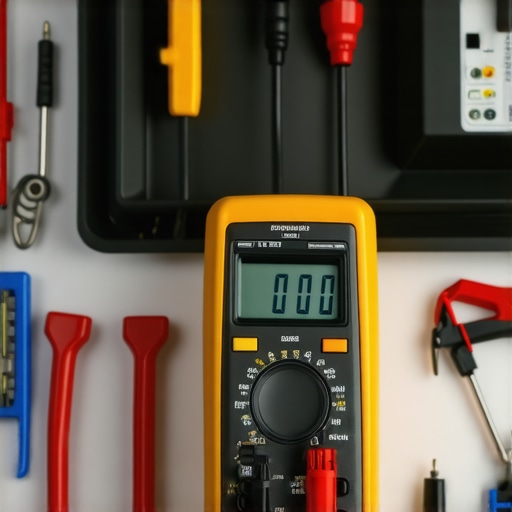
Maintaining your appliances over time requires the right tools and techniques, ensuring they operate efficiently and last longer. Personally, I rely on a set of high-quality, specialized instruments that make troubleshooting and minor repairs more manageable. For example, I always keep a digital multimeter on hand. I use it not just for checking electrical continuity but also to verify voltage levels, ensuring component safety before proceeding with any work. Investing in a digital multimeter isn’t expensive, but it saves me from potential electric mishaps and helps identify faulty sensors or switches swiftly.
Additionally, I recommend a reliable, magnetic leak detector. When dealing with water inlet valves or gas lines, this tool can detect minor leaks that might not be visible to the naked eye. I personally prefer models with an adjustable sensitivity setting, which allows for precise detection without false alarms. This has saved me from costly water damage and prevented appliances from working under suboptimal conditions.
For routine maintenance, I use a small, flexible brush to clean filters, vents, and coils thoroughly. Tools like a compact plumbing snake are invaluable when clearing clogs or debris in drainage lines. I find that employing these specialized tools regularly can significantly extend the lifespan of your appliances, preventing issues before they escalate into expensive repairs. For example, cleaning refrigerator coils with a dedicated brush prevents overworking the compressor, which can lead to early failures. Regular coil cleaning—ideally every six months—can be a game-changer, and you can learn more about its importance in this guide about fridge coil maintenance.
When it comes to software, I utilize diagnostic apps specific to certain brands, such as Samsung Smart Home or LG ThinQ. These apps provide real-time data and error codes, simplifying troubleshooting without needing to dismantle appliances unnecessarily. As technology advances, I predict a future where AI-integrated diagnostics become standard, allowing even more precise predictive maintenance. Integrating these digital tools enables me to schedule service proactively, preventing breakdowns and ensuring appliances stay in top shape.
How do I maintain appliances over time? The key lies in routine inspections, cleaning, and timely troubleshooting using the right tools. Establishing a regular maintenance schedule, like cleaning filters every three to six months and checking for leaks, ensures consistent performance. For appliances like washing machines, I also check and replace door seals periodically to prevent mold and leaks, which is especially crucial for maintaining warranty coverage. Following these practices can save you money and headaches in the long run, and remember—using accurate tools like a multimeter or leak detector is essential for precise diagnostics.
To stay ahead of potential problems, I recommend trying out a digital multimeter combined with a diagnostic app. For example, verifying electrical connections with a multimeter before replacing a faulty motor can prevent unnecessary repairs. These small investments in tools can have big payoffs over time. Stay proactive, keep your tools up to date, and don’t hesitate to seek professional help when needed to extend your appliances’ lifespan effectively.
In the future, I see smart diagnostics becoming even more integrated into routine appliance maintenance. Imagine receiving real-time alerts about component wear or potential failures directly on your smartphone—minimizing downtime and costly repairs. For now, leverage the tools available and maintain a proactive approach. Proper tools, regular maintenance, and a keen eye on performance will keep your appliances running smoothly for years to come. Ready to try one of these advanced tips? Grab a digital multimeter today and start verifying your appliance’s electrical health—it’s a small step that makes a big difference.
Lessons Only Experience Can Teach About Appliance Moving
- One of the most valuable lessons I discovered was that no matter how prepared you think you are, overlooking a seemingly tiny detail—like that secret water inlet valve—can lead to significant trouble. I once spent hours cleaning a flooded kitchen because I didn’t shut off this valve properly. Now, I double-check every connection during every move, realizing that what seems insignificant can make or break the entire process.
- Another insight is that patience is your best ally. Rushing through the unplug-and-pull process without verifying all water lines are secured can cause leaks and appliance damage. Taking the extra minute to identify and shut off the water supply ensures a smooth, leak-free relocation and preserves your appliance’s lifespan.
- Finally, I learned that knowledge is power. Familiarizing yourself with the type and location of your fridge’s water valve—not just guessing—is essential. For instance, knowing that some valves are quarter-turn lever types, while others are screw-based, helps prevent unnecessary force or damage, making the move safer and more efficient.
Tools and Resources That Saved My Sanity
- My digital multimeter has become an indispensable tool. It helps me verify electrical components quickly and safely, preventing mishaps during repairs or installations. I trust this tool because, over time, it’s saved me from electric shocks and inaccurate diagnostics, especially when troubleshooting water inlet issues or circuit problems.
- I swear by a quality leak detector—I prefer models with adjustable sensitivity—to catch even minor leaks that could escalate into bigger disasters. Having this tool in my kit has prevented extensive water damage and hidden mold problems, especially when reconnecting water lines after a move.
- For routine maintenance, I rely on a flexible brush for coils and filters. Regular cleaning not only extends appliance lifespan but also improves efficiency. I found that using dedicated tools designed for appliances makes cleaning faster and more thorough, ultimately saving money on repairs or replacements.
- Lastly, I utilize diagnostic apps specific to my appliances. These apps provide error codes and real-time data, allowing me to troubleshoot remotely or prepare better before calling a technician. This digital approach has helped me stay proactive and avoid unnecessary service calls, especially for issues like fridge temperature irregularities or ice maker malfunctions.
Your Next Step in Appliance Confidence
Armed with insider knowledge and the right tools, you can transform a stressful fridge move into a manageable task. Remember, taking those small extra steps—like locating and closing the water inlet valve—can save you from costly headaches later. Embrace a proactive mindset, stay prepared, and treat each appliance challenge as an opportunity to learn and improve. Your appliances—and your home—will thank you for it. Are you ready to put these tips into action and make your next move smoother than ever? Share your experiences or ask questions below, and let’s keep the conversation going!
.