
If you’ve ever been right in the middle of doing laundry—carrying a basket of freshly washed clothes to put away—and suddenly your smart washer halts with an error message, you’ve felt that sinking frustration firsthand. I remember the exact moment I realized my smart washer wasn’t just malfunctioning, but was showing a sensor fault that kept stopping every cycle. It was like my machine had developed a mind of its own, refusing to complete what I needed done, right when I needed it most. That lightbulb moment made me dig deep into what was going wrong, and let me tell you, understanding that pesky sensor fault turned out to be a game-changer.
Why Your Smart Washer Is Stopping Mid-Cycle Could Be Because of a Sensor Issue
Here’s the deal—these *smart* appliances rely on sensors to monitor everything from water levels to drum rotation. If one of these sensors gets dirty, faulty, or blocked, it can trigger an error that halts the cycle altogether. I discovered that a simple sensor blockage or misalignment was the culprit in my case, which is surprisingly common. According to appliance repair experts, sensor faults are among the top reasons smart washers unexpectedly stop working in the middle of their cycle. And the kicker? It’s often due to something as simple as detergent buildup or a minor wiring issue, not a total machine overhaul.
Is Resetting or Replacing the Sensor Worth It?
Early on, I made the mistake of thinking I needed a whole new machine—or at least calling in a technician right away. Turns out, many sensor problems are repairable with a straightforward fix. But here’s the thing: a careless attempt—like ignoring the user manual or using the wrong tools—can make matters worse. I vividly remember wiring things incorrectly because I skipped reading the manufacturer’s instructions, which only added to the frustration. Trust me, doing your research first and understanding what the sensor does can save you money and time. If you’re curious, I found an insightful guide on how sensor issues affect smart appliances that helped me gain clarity.
Now, let’s move past the frustration and get practical. I’ll walk you through some steps you can take to identify and fix the sensor fault, so you can get back to your laundry routine without interruptions. Are you ready to troubleshoot and possibly fix the problem yourself? Keep reading, because understanding your machine is the first step toward a quick resolution.
Inspect the Sensor Area Carefully
Start by unplugging your washer to ensure safety. Locate the sensor, usually near the drum or water inlet. Use a soft cloth or brush to gently clean any dirt or detergent buildup that might be obstructing the sensor. Remember, sensors are delicate, so avoid applying excessive force. During my own repair, I found that dried detergent residue had accumulated, which I removed with a microfiber cloth, immediately improving sensor readings.
Check for Faulty Wiring Connections
Next, access the control panel or rear access panel, depending on your model. Look for loose or disconnected wires attached to the sensor. Tighten any loose connectors, making sure all wiring is secure. A common mistake is accidentally disconnecting wires during cleaning or maintenance. Once, I reconnected a loose wire, and the error code cleared instantly, saving me a costly service call.
Test the Sensor with a Multimeter
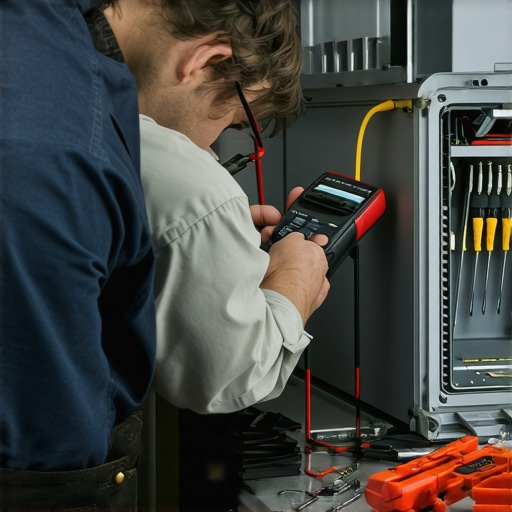
If the sensor still seems unresponsive, use a multimeter to test its resistance. Consult your washer’s manual for the correct values. Remove the sensor from its socket, and place the multimeter probes on its terminals. If the readings are outside the specified range, the sensor might be defective. In my case, a faulty sensor was identified this way, and replacing it restored proper operation.
Replace the Sensor if Necessary
If testing indicates a defective sensor, purchase a compatible replacement. Disconnect the old sensor, noting the wiring configuration, and install the new one securely. Power on the washer and run a test cycle. Be patient—sometimes, wear and tear can cause sensors to fail gradually, emphasizing the importance of regular inspections.
Consider Professional Help for Complex Issues
While many fixes are straightforward, some sensor faults stem from underlying motherboard issues or wiring harness problems. If you’ve followed all steps without success, it’s wise to consult an appliance technician. Think of it like a mechanic fixing a car’s sensor system—special tools and expertise ensure long-term reliability. For advanced diagnoses, many technicians recommend checking the manufacturer’s warranty or contacting authorized service providers.
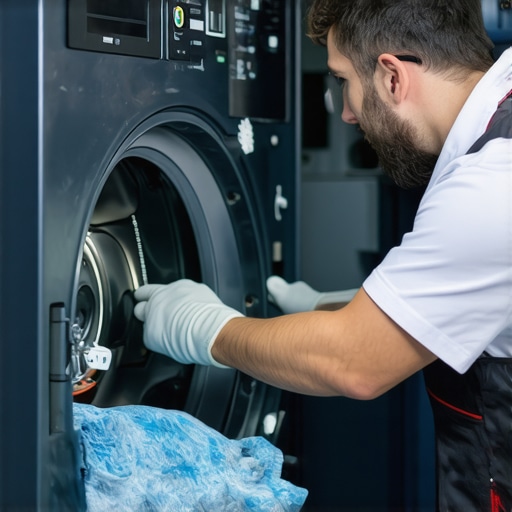
Understanding the internal layout of your washer can demystify the repair process and help identify potential problem areas faster.
When it comes to appliance repairs or installations, many homeowners operate under a set of misconceptions that can lead to costly mistakes or unmet expectations. Let’s dig deeper into what most people get wrong about same-day service, installation, repair, and warranties, and how understanding the nuances can save you time and money.
**The Myth of Instant Gratification**
Contrary to popular belief, same-day service doesn’t always mean instant fixes. Many service providers use the term to promise prompt arrival but may still require days to diagnose and fully repair complex issues. This misconception leads homeowners to expect immediate results, only to face delays that can be frustrating. It’s essential to clarify what “same-day” entails and confirm whether parts are readily available.
**Misunderstanding the Scope of Installation Services**
Many assume that a professional installation guarantees trouble-free operation forever. However, installation is just the first step; improper setup can cause long-term problems. For example, with gas range installation, using the wrong screws or neglecting anti-tip brackets can pose safety risks. You can learn about common installation pitfalls like these by reading articles such as this guide on the screws to avoid during new range installation. Always ensure your installer follows the manufacturer’s specifications.
**Overlooking the Fine Print in Warranties**
Warranty agreements are often misunderstood. Many homeowners believe warranties cover everything, but in reality, they exclude certain damages or neglect maintenance requirements. For instance, some warranties don’t cover damage caused by improper venting or use of aftermarket parts. A common mistake is neglecting to keep detailed records of professional maintenance, which is crucial if warranty claims are contested. To strengthen your warranty claims, consider documenting maintenance like regular HVAC maintenance.
**The Trap of DIY Repairs Based on Misguided Advice**
While small repairs might seem straightforward, attempting DIY fixes without proper knowledge can void warranties or cause further damage. For example, opening your dishwasher’s control panel or trying to replace internal components without the right tools can lead to costly errors. Professionals are trained to identify subtle issues that aren’t apparent to laypersons, preventing minor problems from becoming major headaches.
**Why Many Service Plans Fall Short**
Many homeowners opt for extended service plans, expecting comprehensive coverage at little cost. However, these plans often come with exclusions for certain issues or require additional fees for parts and labor. Reading the fine print is critical; for instance, some plans exclude repairs caused by external power surges, which are common during storms. This is explained in detail in this article on warranty exclusions for power surges.
**Advanced Troubleshooting Requires Expertise**
Sometimes, appliance issues are more complex than they seem. For example, a malfunctioning smart fridge display might be linked to firmware corruption or wiring faults. Addressing these problems often requires specialized diagnostic tools and knowledge, emphasizing the importance of trusting certified technicians. As noted by appliance repair experts, jumping into complex repairs without proper tools or training can cause unintended damage, ultimately costing more.
Have you ever fallen into this trap? Let me know in the comments. Remember, understanding these nuances not only sets realistic expectations but also empowers you to make smarter decisions when dealing with appliance issues.
Keep it Running: Tools I Swear By
Maintaining and repairing appliances effectively requires a combination of reliable tools and a bit of know-how. Over the years, I’ve honed my toolkit to include a few go-to items that make diagnosis and repairs faster and more precise. A quality magnetic screwdriver set, for instance, is indispensable for loosening and tightening those tiny screws in control panels or sensors without stripping them. I personally rely on a precision insulated screwdriver designed for delicate electronics, ensuring safety and accuracy during repairs.
Next, a digital multimeter is essential for testing sensors, wiring, and components. I prefer models that display both resistance and voltage readings quickly, like the Fluke 115, which I’ve used to identify faulty sensors — an essential step if you’re trying to pinpoint issues like sensor faults in smart washers or fridges. Regularly checking components with a multimeter prevents unnecessary replacements and saves you both time and money.
In addition to physical tools, software like appliance diagnostic apps can be a game changer. These apps often offer troubleshooting guides tailored to specific brands and models, helping you quickly interpret error codes and determine whether a sensor, control board, or motor might be causing the trouble. For example, understanding the meaning behind an error code like the one indicating a clogged pump in your smart washer is crucial — check out this guide on error codes for detailed insights.
How do I maintain appliance repair skills over time?
Staying sharp with your repair skills involves regular practice and continuous learning. I recommend setting aside time each month to troubleshoot minor issues on your appliances or to review updated repair techniques. Subscribing to manufacturer tech bulletins and repair forums keeps you informed about common problems and emerging solutions. Investing in training courses or tutorials from trusted sources builds confidence and expands your toolkit’s capabilities. Additionally, regularly cleaning your tools and testing components like sensors with a multimeter ensure longevity and accuracy, making your repairs more reliable.
Predicting the Future of Appliance Maintenance
As smart home appliances become more interconnected, I foresee an increase in diagnostic software directly integrated into devices, allowing for real-time troubleshooting and maintenance alerts. This trend will make repairs more predictive than reactive, reducing downtime significantly. To stay ahead, embracing these technological advances and investing in compatible diagnostic devices will be essential for both DIY enthusiasts and professional technicians alike. Remember, proactive maintenance saves money and extends the lifespan of your appliances, so consider adopting these tools early.
If you’re eager to get started, try calibrating your oven temperature with an inexpensive thermometer and compare it against your oven’s display. This simple step can improve cooking consistency and prevent damage from heat mismanagement. Small adjustments here can lead to big long-term benefits, especially in maintaining appliance performance over time.
Mastering the use of precise tools and staying informed about evolving repair techniques will transform your approach to appliance maintenance. Don’t shy away from experimenting with advanced diagnostics — your appliances will thank you!
What I Wish I Knew Before Attempting Repairs
One of the toughest lessons I learned was that not every sensor fault requires a complete replacement; sometimes, a good cleaning or rechecking wiring could save the day. I once rushed into replacing a sensor in my washer only to realize the real culprit was a tiny buildup blocking the sensor’s view, reminding me to investigate the simple issues first. This experience taught me the invaluable skill of patience and thorough diagnosis before costly repairs.
Secondly, I discovered that many misconceptions about same-day service are just that—myths. It’s easy to assume that a technician showing up promptly means the problem will be fixed instantly. However, complex issues, especially sensor faults, often need detailed diagnostics, which can take time. Understanding this helped me manage expectations and avoid unnecessary frustration.
Lastly, I’d advise any homeowner to view warranties not just as safety nets but as contracts requiring proper maintenance. I’ve seen warranties voided because maintenance steps weren’t documented or understood. So, reading the fine print and keeping records can be crucial if you want your warranty to truly serve you when needed.
Tools and Tips That Changed My Approach
My essential toolkit now includes a quality multimeter, the specific screwdriver set recommended for appliance repairs, and a soft brush for sensor cleaning. I personally trust the precision screwdriver because it’s become indispensable for delicate sensor adjustments. Also, following detailed troubleshooting guides from reliable sources ensures I’m not missing hidden issues, like tiny wiring faults or sensor misalignments. These resources help me troubleshoot effectively without resorting to guesswork, making repairs both faster and more reliable.
Furthermore, regular maintenance routines, such as cleaning sensor areas and checking wiring connections, have prevented many issues from escalating. I recommend setting a calendar reminder to inspect these parts periodically, especially if you have a smart washer or other advanced appliances. Always remember: a proactive approach to maintenance can extend your appliance lifespan significantly.
The Power of Staying Curious and Prepared
Appliance technology is constantly evolving, with smart sensors and connected diagnostics becoming the norm. Embracing this trend means not only fixing issues faster but also understanding how your appliances communicate problems. I suggest exploring online tutorials or community forums dedicated to your specific machines; for example, forums focusing on sensor-related faults in smart ovens have been goldmines for insights.
By staying curious and equipped, you transform from a frustrated homeowner into a confident repairer capable of tackling most sensor faults. This mindset encourages continuous learning, which ultimately saves you time, money, and unnecessary stress. Remember, every fix is a chance to deepen your understanding and build resilience for future appliance challenges.