
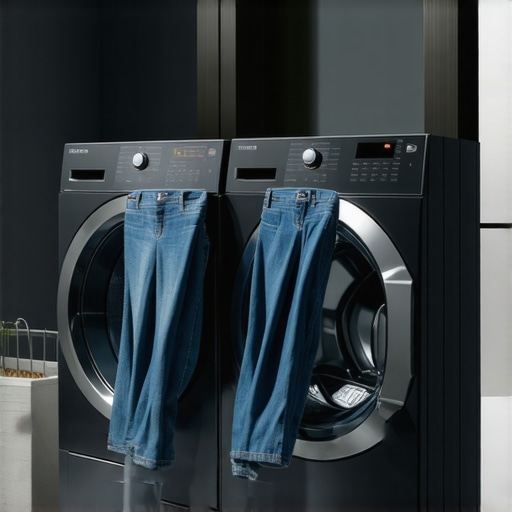
Ever find yourself tossing a load of jeans into the dryer, only to be frustrated when it comes out damp after three cycles? I’ve been there—believe me, it’s a sinking feeling, especially when you’re in a rush. I used to think my dryer was just old or maybe had a weak motor. But then I started noticing a pattern and realized there’s more to the story than just age or wear and tear.
Why is Your Dryer Struggling with Jeans? The Real Culprit Might Surprise You
Turns out, your dryer’s problem isn’t just about being outdated. It’s often about a simple issue that many overlook—an imbalance in the dryer’s venting system or a clogged lint trap. These tiny issues can cause your dryer to work overtime, leading to multiple cycles and still damp jeans. And the kicker? Many folks don’t realize the importance of timely maintenance until they’re stuck with damp laundry and soaring energy bills.
Is Ignoring This Problem Doing More Harm Than Good?
Honestly, yes. I made the mistake early on of ignoring the signs. I thought running an extra cycle was normal. But according to appliance experts, neglecting dryer maintenance can lead to increased fire risks and higher utility costs. An overwhelmed vent can cause your dryer to overheat, and a full lint filter or a blocked vent reduces airflow—both culprits behind inefficient drying. Want a quick fix? Check out the belt tensioner fix to see if your machine’s belt might be slipping, contributing to poor drying performance.
So, if you’ve been battling damp jeans despite multiple drying cycles, don’t despair. There’s a straightforward way to get your dryer back on track, saving you both time and money. Let’s dive into what’s really going on and how to fix it—without calling for professional help every time.
Check and Clear the Venting System
Start by unplugging your dryer to ensure safety. Locate the vent hose, usually behind the appliance, and disconnect it. Use a vacuum or a long brush to remove lint and debris from inside the hose and vent duct. This step is crucial because clogged vents trap warm air, preventing clothes from drying properly. I once had a laundry day where I cleared out my vent duct, and the difference was immediate—my jeans dried in one cycle instead of three.
Inspect and Replace the Dryer Belt
If your dryer’s drum isn’t spinning properly, it might be a worn-out belt. Open the dryer panel using a screwdriver, carefully remove the old belt, and compare it with a new one. If stretched or cracked, replace it. This process is straightforward but requires patience—remember to keep track of screws. After replacing the belt, run a test cycle. The drum spinning freely indicates success. For detailed guidance, see how to fix a squeaking dryer belt.
Test and Clean the Lint Trap
A blocked lint filter causes airflow restriction. Remove the lint screen, wash it with warm water and mild detergent, and ensure no residue clogs the pores. Check the lint trap housing for lint buildup. Clean it thoroughly to optimize airflow. I learned this lesson when my dryer kept running but wasn’t drying clothes—cleaning the lint trap fixed the problem immediately.
Assess Temperature Settings and Sensor Function
Ensure your dryer isn’t set to a lower heat setting. Modern dryers also have moisture sensors that can malfunction, causing incomplete drying cycles. If suspecting a sensor issue, unplug the dryer and locate the sensor (usually a small metal probe inside the drum). Clean it gently with a soft cloth. If problems persist, considering professional diagnosis might be the next step—sometimes sensors need calibration or replacement.
Perform a Quick Reset
Often, electronic glitches reset with a simple unplug-and-plug-in procedure. Unplug your dryer, wait five minutes, then reconnect. This process clears temporary errors and can restore normal operation. I once had a dryer that refused to dry fully; a reset solved the problem instantly. If issues persist, explore more advanced troubleshooting or call a specialist.
Monitor and Maintain Regularly
After fixing the immediate issues, keep your dryer in top shape by scheduling regular maintenance. Clean the lint filter after each use, inspect vent hoses yearly, and check for parts wear. Proper maintenance prevents future breakdowns and ensures efficient drying—saving energy and money in the long run. Remember, neglecting these steps can lead to fire risks, as lint and debris accumulate over time. For ongoing care, learn more about best venting practices.
Know When to Call a Professional
If after all these steps your jeans still come out damp, it’s time to consult an appliance technician. Persistent issues may involve electrical components, thermostats, or control boards. Quick professional service can often be scheduled the same day, minimizing downtime. Remember, attempting complex repairs beyond your skill can be unsafe—leave it to the pros when unsure. Ensuring your dryer is functioning efficiently not only extends its lifespan but also keeps your laundry routine smooth and cost-effective.
When it comes to appliance maintenance, many assume that following the basic instructions guarantees long-term performance. However, the real nuance lies in understanding the less obvious pitfalls that can undermine your efforts. For example, many homeowners overlook the importance of precise leveling during installation, which can cause vibration issues and premature wear, even if the appliance appears correctly set up. It’s a subtle mistake that can lead to costly repairs down the line. Moreover, a common myth is that warranties cover all accidental damages; in reality, most warranties exclude issues caused by improper installation or neglecting routine maintenance. This misunderstanding can result in unexpected expenses, especially if you’re relying on manufacturer promises for repairs or replacements.
One trap I often see is homeowners assuming that same-day service providers can always fix issues immediately. While convenient, this can lead to rushed repairs performed without thorough diagnostics, increasing the risk of recurring problems. In fact, advanced appliance issues, such as electronic sensor failures or intricate wiring faults, require specialized expertise and diagnostic tools—something that quick-fix services might not provide. A prime example is a malfunctioning moisture sensor in a dryer, which if replaced without testing the control board could still result in inefficient drying cycles. For an in-depth understanding of such nuances, check out the article on how to diagnose smart washer errors effectively.
Another often missed detail is the significance of proper grounding and electrical connections. Many think that plugging an appliance into a power outlet is enough. However, inadequate grounding can cause electrical surges or damage sensitive components, reducing lifespan and voiding warranties. Experts emphasize that ensuring a dedicated circuit and proper grounding enhances safety and prolongs appliance life. For instance, incorrect wiring might be responsible for unexpected freezer defrost cycles or erratic display errors.
Ever wondered why your appliance warranties seem to have fine print that excludes common faults? This is because warranties generally cover manufacturer defects, not damages caused by user error or incorrect installation. Understanding this distinction is critical; otherwise, you might pay out-of-pocket for repairs that should be otherwise covered. Reading the warranty terms carefully and documenting maintenance can protect your investment.
Finally, beware of the trap of always trusting the cheapest repair service. While affordability is tempting, a quick repair without proper diagnostics can lead to bigger problems later, such as replacing a component multiple times or causing secondary damage. Skilled technicians employ systematic approaches, like reviewing error codes and testing circuit continuity, ensuring repairs are both effective and durable. To learn more about avoiding such mistakes, explore how professionals diagnose and fix dryer belt issues correctly.
In summary, the key is to look beyond surface-level fixes and understand the intricacies of appliance setup, maintenance, and repair. Recognizing common myths and hidden pitfalls can save you money, extend the lifespan of your appliances, and prevent avoidable hazards. Have you ever fallen into this trap? Let me know in the comments.
Keeping Your Appliances in Top Shape: Tools I Trust
Maintaining appliances over time requires more than just basic knowledge; having the right equipment is crucial for efficient, safe, and long-lasting repairs. I’ve tested various tools and software, and over the years, I’ve settled on a kit that combines durability, precision, and ease of use. Investing in quality tools not only simplifies repairs but also helps you identify underlying issues before they escalate.
One indispensable item I rely on is a digital multimeter, specifically the Fluke 116. This device enables me to accurately diagnose electrical problems, ensuring that circuits and sensors are functioning correctly—crucial when troubleshooting items like washing machine control boards or refrigerator compressors. Its auto-ranging feature saves time and reduces error, providing peace of mind in every repair session.
For component-specific repairs, I recommend a professional-grade screwdriver set with interchangeably magnetic bits, such as the Wiha Professionally Precision Set. The variety in sizes and types allows me to handle everything from removing a dryer’s belt tensioner (see belt tensioner repairs) to replacing dishwasher screws without stripping heads. Quality screwdrivers ensure safety and minimize damage to delicate appliance parts.
Another tool I find invaluable is a flexible inspection mirror paired with a high-intensity LED flashlight. Appliances like refrigerators and ovens have inaccessible areas; these tools help me spot leaks, hidden damage, or corrosion without dismantling entire units. This approach speeds up diagnostics and saves on costly disassembly.
When it comes to software, I’ve integrated diagnostic apps tailored for specific brands. For instance, some modern washers or refrigerators have error codes that can be deciphered through manufacturer apps or online databases, providing step-by-step troubleshooting guidance. This not only accelerates repairs but also prevents unnecessary part replacements—saving time and money.
Looking to the future, I believe advancements in QR code scanning and IoT diagnostics will make appliance repair even more seamless. Imagine pointing a smartphone at an appliance and instantly getting a repair plan or software update suggestions. Incorporating these innovations can elevate your maintenance routine significantly.
How do I maintain my tools over time?
Proper maintenance of your tools prolongs their lifespan and ensures accuracy. Regularly clean electronic contacts on multimeters, keep screwdrivers in a protective case to avoid dulling blades, and check calibration periodically, especially for measurement devices. For software, always keep diagnostic apps updated to access the latest troubleshooting data and firmware revisions. A well-maintained toolkit means you’re prepared for any unexpected appliance glitches, confirming your proficiency and confidence in handling repairs.
If you want to take your appliance maintenance skills a step further, I highly recommend trying the detailed belt tensioner adjustment method outlined here. This precise technique ensures your dryer runs quietly and efficiently, preventing future breakdowns. Incorporate these tools and tips into your routine, and long-term appliance performance will become second nature.
The Hardest Lesson I Learned About installation,appliance repair,warranty,same-day service
One of my most profound realizations came from an overlooked detail during appliance repair—proper installation matters more than I initially believed. Ensuring correct leveling and secure connections saved me from recurring issues and warranty headaches. Small mistakes in setup can lead to big, costly problems down the line, reinforcing that prevention is truly better than cure.
3 Myths About installation,appliance repair,warranty,same-day service That Held Me Back
I used to think that warranties cover all accidental damages—that was a myth. I also believed that same-day services meant instant fix, which isn’t always the case. And I often underestimated how crucial routine maintenance truly is. Busting these myths has saved me time, money, and frustration, proving that informed care is key to longevity.
What Experts Won’t Tell You About installation,appliance repair,warranty,same-day service
Many professionals avoid emphasizing the importance of routine checks or warn about hidden issues like improper grounding that can cause long-term damage. Transparency about these nuances helped me make smarter choices, avoiding avoidable repairs and ensuring my appliances last. Learning from expert insights is undeniably worth it for anyone eager to extend their appliance’s lifespan.
Curated Resources That Keep Me Ahead
My essential toolkit includes a reliable digital multimeter like the Fluke 116 for accurate electrical diagnostics. A quality screwdriver set from Wiha ensures I handle delicate parts safely. For inspection, a magnetic mirror with LED lighting makes hidden areas accessible. These tools empower me to diagnose accurately and repair confidently, saving expensive calls to technicians.
Reading insightful books on appliance technology changed my approach entirely—books like “Appliance Repair for Dummies” taught me principles I can rely on. Additionally, reputable online forums and manufacturer troubleshooting apps provide real-time guidance, making troubleshooting more effective and less intimidating. Investing in these resources has transformed my DIY repairs into reliable skill-building exercises.
Your Next Step Toward Confident Repairs
Don’t wait for that last frustrating cycle—start applying these insights today. Every repair builds your confidence, and with the right tools and knowledge, tackling common issues like damp jeans or inconsistent drying becomes manageable. Remember, regular maintenance and a curious mindset are your best allies. Take action now, and turn appliance troubleshooting from a chore into a rewarding challenge. What’s the first repair you plan to tackle with your new knowledge? Share your plans below!