
It was late on a Saturday afternoon when I finally decided to do laundry. As I loaded my washing machine, I noticed something unusual—an unsettling banging sound during the spin cycle. At first, I thought maybe something was just loose, but the noise kept getting louder, making me dread what I might find inside. That lightbulb moment made me realize just how alarming it can be when our appliances start showing signs of trouble, especially noises that just don’t seem right.
What’s Causing That Rattling Noise During Spin?
Inspect the Load Before Running the Cycle
Start by examining your laundry load; uneven or heavy items can cause imbalance, which leads to rattling. For example, last week I had a stubborn load of mixed items that tipped the drum during spin, producing loud noises. To prevent this, distribute clothes evenly around the agitator or spin basket, much like balancing weights on a bike wheel. Check uneven load issues here.
Secure and Inspect the Drum Bearings
Next, open the washer door and manually rotate the drum with your hand. If you feel grinding or hear squeaks, the drum bearings might be worn out. This is like loose wheel bearings causing a car to rattle; replacing them involves removing the rear or front panel and lubricating or swapping bearings. Wear gloves and prepare your tools in advance, as I did one messy Saturday, which resulted in a quick replacement that restored quiet operation.
Check the Suspension System
Your washer’s suspension springs absorb the vibrations during spin. If any are broken or detached, the drum will rattle loudly. To verify, tilt the machine slightly and listen for unusual sounds or wobbling. You might need to replace defective springs, which is similar to replacing shock absorbers to smooth out a ride. For detailed steps, review this washer suspension system guide.
Ensure Proper Leveling
An unlevel washer can cause excessive shaking and noises. Use a bubble level to check side-to-side and front-to-back alignment. Adjust the adjustable feet by turning them clockwise or counterclockwise—think of leveling a picture frame. In my case, I used a wrench to tweak the feet, which immediately stopped the rattling. You can follow this leveling tip here.
Inspect for Foreign Objects
Sometimes, coins, buttons, or small debris can get lodged between the drum and the tub, causing noise. Remove the access panel if possible and look for trapped items. I once found a forgotten sock that shifted during cycles, creating a loud thumping sound. Removing such objects is straightforward but requires caution—think of it as fishing out a stuck item from a drain. Cleaning this area regularly prevents future issues and keeps your washer running smoothly.
Many homeowners assume that booking same-day appliance repair or installation guarantees quick fixes and total coverage under warranty, but the reality is often more complex. In fact, some common misconceptions can lead to costly pitfalls and even voided warranties. Let’s dig deeper into what most people get wrong about these urgent services and warranties, so you’re better prepared next time.
Is Same-Day Service Always Faster or Better?
Contrary to popular belief, same-day service doesn’t always mean a faster or more thorough repair. Many technicians prioritize quick turnaround over comprehensive diagnostics, which can result in temporary fixes rather than lasting solutions. For instance, some providers may skip routine checks to meet tight schedules, missing underlying issues that could cause future breakdowns. According to industry insiders, rushing repairs can lead to recurrent failures and even damage to other components.
Common Myth: Warranties Cover Everything if I Repair Quickly
A widespread myth is that rushing to get an appliance fixed guarantees full warranty coverage. But warranties typically specify covered parts and conditions, and some repairs performed outside manufacturer guidelines or with non-oem parts can invalidate coverage. For example, using aftermarket replacements in a dishwasher might seem cost-effective, but it often voids warranty claims—more on this here. Always check the warranty terms before opting for quick fixes with generic parts.
Why Ignoring Installation Nuances Can Cost You
Many homeowners overlook subtle installation details, believing they don’t matter as long as the appliance works initially. However, improper installation—like misaligned vents or unlevel units—can cause premature failures or safety hazards. For instance, an HVAC unit that isn’t properly calibrated might short-cycle, increasing energy costs and decreasing lifespan. A careful, professional installation ensures longevity and preserves warranty protections.
Beware of the Hidden Maintenance Requirements
Warranties often stipulate regular maintenance, but the specifics can be obscure. Skipping routine tasks like cleaning filters or checking seals might seem harmless but can void warranties if damage results from neglect. For example, neglecting to clean refrigerator coils can cause compressor failure, which might not be covered if maintenance logs are incomplete. Experts recommend staying vigilant with maintenance schedules to keep your coverage intact.
Have you ever fallen into this trap? Let me know in the comments. Remember, understanding the nuances of same-day service and warranties helps you make smarter choices and protect your investments.
Getting Ahead with the Right Equipment
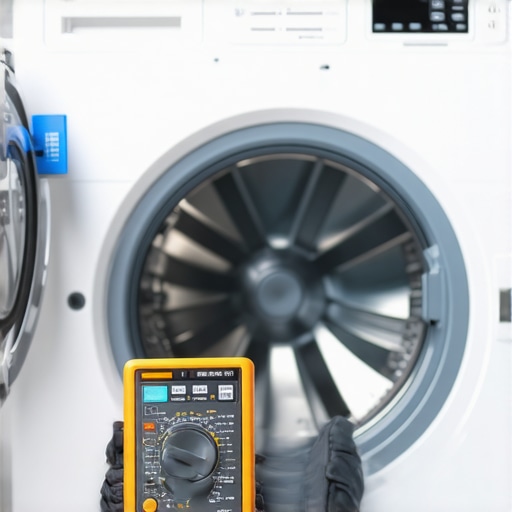
Keeping your appliances running smoothly over time requires more than just occasional fixes; it involves investing in reliable tools and adopting effective maintenance routines. Personally, I depend on a high-quality digital multimeter, like the Fluke 117, to diagnose electrical issues accurately. This device helps me quickly identify faulty wiring or blown fuses without guessing, saving time and preventing further damage. Additionally, a good set of precision screwdrivers ensures I can access internal components safely, especially when replacing parts under warranty or performing minor upgrades.
Leveraging Software for Preventive Maintenance
Beyond physical tools, I rely on professional-grade diagnostic software tailored to certain brands or models. For instance, the LG SmartThinQ app allows me to monitor my refrigerator’s performance metrics remotely, alerting me to abnormal energy usage or potential failures before they escalate. These tools help catch issues early, which aligns with the trend towards smart appliances and IoT integration. As this technology becomes more mainstream, future innovations will likely include AI-powered diagnostics that predict failures more accurately, giving homeowners an even greater edge in maintenance.
Adopting Structured Maintenance Routines
Consistent care extends beyond tools. I recommend establishing a periodic maintenance schedule—monthly or biannual—covering tasks such as cleaning filters, checking seals, and inspecting hoses. For example, cleaning your refrigerator’s coils is a simple step that significantly prolongs its life and avoids issues like the ones described here. Documenting these routines ensures no step is missed and can be invaluable when seeking warranty service, demonstrating your proactive engagement as a responsible owner.
What’s the Future of Appliance Maintenance Tools?
The direction points toward increased automation and integration. Imagine appliances that diagnose their own issues, alert you via smartphone, and even suggest or initiate repairs. Market reports predict an uptick in AI-driven diagnostics and cloud-based monitoring platforms. Embracing these advancements now can make future repairs more seamless, reduce downtime, and ensure your warranties remain valid.
How do I maintain appliance health over time?
Consistent routine checks, using the right diagnostic tools, and staying informed about new technologies form the backbone of long-term appliance care. Investing in high-quality equipment and software, combined with a disciplined maintenance schedule, can drastically extend lifespan and optimize warranty benefits. For instance, regularly inspecting your washing machine’s water inlet valve with diagnostic tools can prevent leaks and failures, preserving your warranty coverage. Try setting a schedule today and note any anomalies—you might catch simple issues before they become costly replacements.
What I Wish I Had Known Before Rushing for Repairs
One of the biggest lessons I learned was that speed isn’t always the answer; rushing into same-day service without understanding the full scope can lead to temporary fixes and voided warranties. I once agreed to a quick repair, only to find out later that I needed a more comprehensive diagnosis, which would have been cheaper and more effective if I had waited or researched better. Patience and proper diagnostics often save money and extend appliance life.
Another insight was that warranties come with fine print that many overlook in the urgency to fix an appliance. Using aftermarket parts or improper installation can unintentionally void coverage. I realized how vital it is to double-check warranty conditions and to trust certified professionals for repairs, especially when dealing with sensitive components that are crucial for warranty validity.
Lastly, I discovered that understanding the subtle signs leading up to major failures—like odd noises or irregular behavior—can prevent costly disasters. Regular maintenance and inspections are not just routine; they’re investments in longevity. The key is to approach appliance issues proactively rather than reactively, which often involves leveraging the right tools or knowing when to call experts.
Tools and Resources That Changed My Approach
Keeping a high-quality digital multimeter, like the Fluke 117, in my toolkit allowed me to perform quick electrical checks, saving me from unnecessary service calls. It gave me confidence in diagnosing problems related to wiring or power supply. Additionally, I rely on apps such as the LG SmartThinQ for compatible appliances, which provide real-time diagnostics and alerts—embracing these technologies helps prevent surprises and ensures early intervention.
Books like “Appliance Repair Made Simple” provided foundational knowledge that demystified complex issues, making me more self-reliant. Online forums and manufacturer websites also became valuable, especially when understanding warranty stipulations or troubleshooting steps before engaging professional help. Combining these resources has empowered me to be more informed, saving both time and money.
Moreover, I consult trusted blogs and industry insiders who share tips on proper installation, maintenance routines, and warranty claims. They make complex topics accessible, helping me spot early warning signs and address minor faults before they escalate. This proactive approach is what truly defines a well-maintained household appliance system.
Keep Learning and Stay Motivated to Protect Your Appliances
The journey to mastering appliance maintenance and repair isn’t just about avoiding costs; it’s about gaining confidence and control over your household. Every small fix or routine check adds up, making your appliances last longer and function better. Remember, knowledge combined with the right tools creates an unstoppable duo. You don’t need to be a technician—just stay curious, proactive, and prepared. Your appliances—and your wallet—will thank you.
What’s the biggest appliance mystery you’ve unraveled so far? Share your stories below and let’s learn together!