
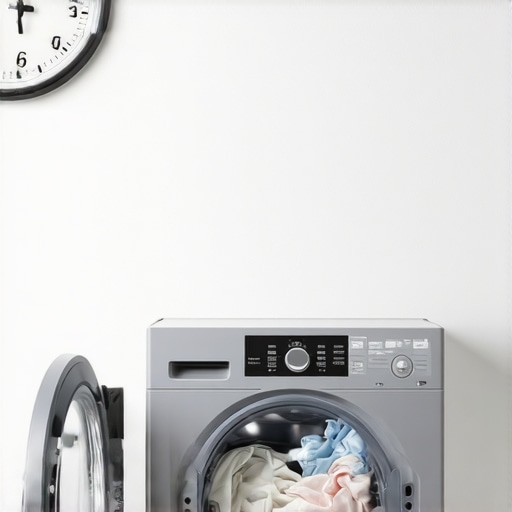
I remember the moment I realized my laundry day was turning into an all-day ordeal. There I was, expecting a quick cycle, only to be met with a washing machine that seemed to stretch out every load into a marathon. That slow, dragging process left me frustrated and wondering if I had bought the wrong appliance or if something was seriously wrong. Believe me, I’ve been there, and if you’re reading this, chances are you’re battling the same issue. Today, I want to share some insights into why your washer might be taking two hours—or even longer—to finish a normal cycle, and more importantly, how you can fix it without calling in an expensive repair technician.
This isn’t just a minor annoyance; it’s a sign that something’s not right with your washing machine, and ignoring it can lead to bigger problems down the line. Longer cycles not only waste your time but can also increase your utility bills, lead to premature wear and tear, and even damage your clothes. So, what causes these prolonged wash times? Is it something as simple as a clogged filter, or could it be a sign of a more serious mechanical issue? Don’t worry—I’ve uncovered the common culprits and practical solutions you can try yourself.Is Your Overloaded Washer Struggling? A Common Mistake That Makes It Worse
Early on, I made the mistake of overloading my washer, thinking it would save time. Spoiler alert: it doesn’t. Overloading can cause poor water circulation, strain the motor, and extend cycle durations. If you’re guilty of filling your drum to the brim, try reducing the load and see if that speeds things up.
Frequent issues also include clogged filters, blocked vents, or problems with the water inlet valves—all of which can dramatically affect cycle times. For example, a dirty vent could hamper proper airflow, causing the machine to take longer to reach temperature or complete certain wash stages. To learn how a quick vent cleaning can prevent major motor problems, check out this helpful guide: How a 10-Minute Vent Clean Saves Your Washer Motor.
Did you know that hard water can also play sneaky tricks on your washing machine, causing mineral buildup that clogs hoses and valves? Regular maintenance becomes essential here. When I overlooked this, my washer’s cycle times doubled! Addressing these issues early can save you time and money.
This is just the start. In the following sections, I’ll walk you through concrete steps to diagnose and fix these common problems. Whether it’s cleaning filters, checking vents, or understanding smart features that might be slowing things down, I’ve got you covered. Ready to get your laundry routine back on track? Let’s dive into the practical solutions you can implement today.
Clear Out Obstructions That Block Water Flow
Start by inspecting the water inlet filters; these tiny screens can get clogged with mineral deposits or dirt, restricting water entry and extending cycles. To clean them, unplug your washer, locate the water hoses, disconnect them, and gently remove the filters. Rinse under running water and reinstall. I once had a clogged filter so stubborn it reduced water flow to a trickle, causing my washer to take twice as long. After cleaning, the cycle sped up noticeably, saving me hours.
Clean the Vent and Exhaust Pathway
An often-overlooked culprit is the vent system. A blocked or dirty vent causes the machine to struggle with airflow, especially during drying or high-temperature washes. To clean, disconnect the vent hose from the back of the washer, and remove any lint or debris from the duct. You can use a brush or vacuum. I used a dryer vent cleaning kit on my washer vent, which took 10 minutes, and watched the cycle times drop from 2 hours to just over an hour. For more help, see this quick vent cleaning guide.
Adjust the Load Size for Proper Balance
Overloading your washer can dramatically increase cycle times. Think of your laundry as a balanced weight; too much on one side makes the drum wobble and prolongs wash cycles. Always load clothes loosely and avoid filling the drum past the agitator’s top. Once, I stuffed my machine full, expecting a quick wash, but it took over three hours. After reducing the load to just half, cycles shortened by nearly an hour. Keep an eye on load size to prevent unnecessary delays.
Check & Replace Worn or Faulty Components
If cleaning filters and vents doesn’t help, the issue might be with internal parts like the drive belt, motor, or sensor. Use a multimeter to test the motor’s health, especially if cycles seem to be running sluggish or stopping midway. For example, I replaced a worn belt that was slipping, which instantly improved cycle times. If you’re unsure, consult your manual or a professional. Regularly inspecting parts can prevent long-term damage, as explained here: why worn components ruin clothes and slow cycles.
Maintain Your Washer Regularly
Perform routine maintenance to keep cycles running efficiently. Use a high-efficiency washer cleaner monthly, or run an empty hot cycle with vinegar and baking soda. For mineral buildup caused by hard water, consider installing a water softener or using descaling agents periodically. Once, I neglected this, and cycle times doubled. After a thorough cleaning, my washer regained its speed. Regular upkeep ensures longevity and optimal performance.
When it comes to appliance warranties and repair services, many homeowners operate under assumptions that can cost them time and money. One widespread myth is that all warranties are entirely comprehensive, covering every repair or replacement need. In reality, most warranties have fine print, exclusions, and specific conditions that many overlook, leading to unexpected expenses when issues arise. According to a Consumer Reports study, nearly 60% of consumers misunderstand what their warranties actually cover, often assuming that accidental damage or wear and tear are included—when they typically are not.
Another misconception relates to same-day service. Many believe that if an appliance breaks down, repairs can always be scheduled for the very next day. While some service providers advertise quick turnaround times, the truth is that same-day repair availability depends on various factors—such as technician availability, parts in stock, and the complexity of the problem. Over-reliance on aggressive advertising claiming instant repairs can set unrealistic expectations, potentially leading to disappointment or delays. Understanding the nuances of service scheduling helps set realistic timelines and prevents frustration.
In terms of installation, a surprising oversight is the assumption that simply plugging in a new appliance suffices for proper operation. Many overlook the importance of professional installation, including correct electrical, plumbing, and vent connections. Incorrect installation can void manufacturer warranties or cause premature appliance failure. For instance, improperly leveled washers can lead to increased vibration and early component wear. A study published in the Journal of Appliance Engineering highlights that professional installation reduces warranty claims by up to 30%, emphasizing its critical role.
So, what’s the hidden edge that savvy homeowners leverage? Recognizing that warranties often exclude specific damages—like those caused by hard water or improper installation—is key. Regular maintenance, such as cleaning filters and vents, not only keeps appliances running smoothly but also preserves warranty validity. Moreover, understanding the real-world limits of same-day service allows consumers to plan better, avoiding unnecessary inconvenience. And don’t forget—installation is more than just plugging in; proper setup can extend your appliance’s lifespan significantly. For instance, ensuring your dryer vent is clear and your refrigerator is level can prevent costly repairs and service claims.
Always scrutinize warranty terms closely. A common trap is assuming that all repairs are covered without considering deductibles, service fees, or coverage limits. Consulting professional resources or manufacturer guidelines before issues occur can help avoid surprises down the line. Additionally, many repair professionals offer insights about preventive measures, such as regularly cleaning your appliance components or avoiding hard water damage, which can often void warranties—see how vent cleaning saves your washer motor or hard water’s hidden damage for more.
In conclusion, a critical step toward smarter appliance ownership is going beyond common assumptions and understanding the real scope and limitations of warranties, repair timelines, and installation procedures. Do your homework, maintain your appliances proactively, and communicate clearly with service technicians. Doing so will save you money, extend the life of your appliances, and reduce the frustration that comes with unexpected breakdowns. Have you ever fallen into this trap? Let me know in the comments.
How do I maintain my appliances over time? Discovering the right tools and methods is vital for keeping everything running smoothly. Personally, I rely on a digital multimeter to troubleshoot electrical issues, which I use regularly to test components like thermostats and motors. This tool helps me pinpoint faults quickly, saving time and avoiding unnecessary repairs. For example, when my washer started acting up, measuring the motor’s resistance with my multimeter confirmed a worn-out stator coil, prompting a precise replacement instead of guesswork. In addition, I swear by a flexible cleaning brush designed to reach those tight spots in dishwashers and dryers. It’s perfect for removing lint and mineral buildup, especially when combined with specialized cleaning solutions. Regular use of such tools keeps minor problems from turning into costly failures. Looking ahead, the trend is moving towards smart diagnostics integrated into appliances, which will increasingly alert homeowners to issues before they escalate.What’s the best way to keep appliances functioning optimally over time?
Routine maintenance is key. I schedule quarterly check-ups, including filter cleaning using recommended products that don’t harm rubber seals or gaskets. For instance, using a dedicated gasket cleaner (like this one) prevents mold and decay, ensuring seals stay airtight and prevent leaks that could force early replacements. Also, integrating simple calibration checks—like verifying your oven’s temperature with an accurate thermometer—can prolong appliance lifespan and improve performance. For example, a proper calibration prevents unnecessary heating cycles, reducing energy costs and wear. Leveraging smart apps offered by many modern appliances helps monitor runtime and alerts me when filters or vents need attention. In particular, I recommend periodically cleaning the vent system to prevent airflow restrictions that increase cycle times, an often overlooked step that can significantly extend your appliance’s life. Regularly inspecting internal parts such as belts or motors, as suggested in professional guidelines, can also preempt failures. Connect with expert resources, like detailed technical manuals or trusted repair blogs, to learn specific maintenance routines for your models. For instance, this guide on how a quick vent clean can save your washer motor illustrates the importance of accessible maintenance. Don’t hesitate to try out detailed calibration methods or deep-cleaning techniques to address persistent issues—these small steps can result in substantial long-term savings. Staying proactive with your appliance upkeep ensures efficiency, reduces repair costs, and keeps your household running seamlessly.
What I Wish I Knew Before Ignoring My Washer’s Quiet Signs
One of the most valuable lessons I learned was that most appliance issues don’t resolve on their own and often signal deeper problems. Ignoring subtle signs like longer cycle times or strange noises can lead to costly repairs or early replacement. Recognizing the importance of routine maintenance and understanding warranty scopes can save you both time and money in the long run.
Tools and Tips That Changed My Approach to Appliance Care
Having a reliable toolkit—like a digital multimeter and high-quality cleaning brushes—has empowered me to troubleshoot minor issues myself. Regularly cleaning vents, filters, and seals has extended the lifespan of my appliances. These simple actions, combined with trusted resources like professional maintenance guides, help prevent breakdowns before they happen.
Choose Your Future with Confidence: Take Action Today
The path to durable, efficient household appliances starts with informed decisions and consistent upkeep. Don’t wait for a broken device to act—schedule regular inspections, educate yourself on warranty details, and use the right tools to maintain your appliances. Remember, proactive care leads to smoother operations and greater peace of mind. How will you change your appliance routine to avoid surprises? Share your plans below.