
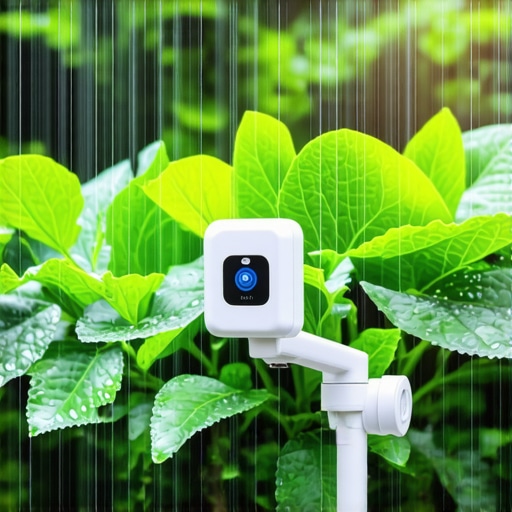
Ever stared at your smart sprinkler system, eager to run the lawn, only to find it stubbornly offline, stranded without weather updates? I remember the exact moment I experienced that frustrating disconnect. I had just installed my new smart sprinkler, excited to automate the watering schedule, only to realize it wasn’t getting weather feed data. The irony? My fancy system was basically blind to the forecast, leading to overwatering one day and parched grass the next.
Why Your Smart Sprinkler Loses Weather Feed Connection and What to Do About It
For many homeowners, this issue isn’t just a minor annoyance; it can compromise your entire garden’s health and waste water—and, frankly, mess with your peace of mind. The humidity sensors, Wi-Fi modules, or cloud servers connecting your sprinkler to weather sources are delicate and can falter due to various reasons. But don’t worry—I’ve been down this road, and I’ve got some proven tips to help you restore connection and keep your lawn lush.
Is Your Weather Data Sending Hype? Think Again
One of the biggest mistakes I made early on was believing that my Wi-Fi signal was strong enough everywhere in my yard. Spoiler: it wasn’t. Even a minor Wi-Fi dead zone can cause your smart system to lose crucial weather updates. That’s why, before diving into complex troubleshooting, it’s wise to assess your home’s network coverage and ensure your sprinkler’s placement isn’t sabotaged by metal fences or thick walls.
According to a recent study, nearly 50% of connection issues in smart home devices stem from network interference or weak signals. It’s a reminder that the foundation of your smart sprinkler’s reliability begins with a solid Wi-Fi connection. If you’ve faced this problem or are just curious how to fix it, stay tuned—I’ll walk you through practical steps soon.
But first, let’s understand the common reasons behind these disconnections and set the stage for effective solutions. Whether it’s a software glitch, outdated firmware, or router hiccups, knowing the root cause is half the battle won.
Ensure Your Wi-Fi Signal Reaches the Sprinkler Placement
Start by identifying weak spots in your home network. Use a smartphone app to check Wi-Fi strength in the area where your sprinkler is installed. If the signal drops significantly, consider relocating your router closer or using a Wi-Fi extender. I once ran a long extension cord outside to place my router on a window sill near the lawn, which instantly improved connectivity and saved me hours of troubleshooting.
Verify Your Sprinkler’s Network Settings
Access the sprinkler’s control panel through its app or web interface. Navigate to network settings and confirm it’s connected to your Wi-Fi network. Sometimes, an accidental network change or firmware update can disrupt this. In my case, I had to reset the Wi-Fi credentials on the device after a firmware update, which resolved the disconnect. If needed, re-enter your Wi-Fi details carefully, ensuring there are no typos or special characters causing issues.
Update Firmware for Better Stability
Outdated firmware can cause compatibility problems. Check the sprinkler manufacturer’s app or website for the latest firmware updates. Follow the instructions to update. I performed an update during a scheduled weekend, which took only a few minutes but drastically improved the device’s reliability. For complex updates, consider scheduling during off-peak hours to prevent interruption.
Renew or Reset Your Network Hardware
If connection issues persist, restart your router and any extenders. Power down, wait 30 seconds, then turn them back on. Sometimes, a simple reboot clears network congestion. Once, after a router reset, my sprinkler immediately reconnected, and I noticed more consistent weather updates. For large networks, assign static IP addresses or prioritize your sprinkler’s traffic via Quality of Service (QoS) settings—this is a more advanced step but can greatly enhance stability.
Troubleshoot with Direct Tests
Test the sprinkler’s ability to connect to weather servers by checking logs or performing network diagnostics within the app. If you see timeouts or errors, inspect if your firewall or security settings are blocking outgoing connections. I once disabled a strict firewall on my router temporarily, which allowed the sprinkler to fetch weather data again. Remember to re-enable security features afterward.
Consult Professional Assistance if Needed
If all else fails, consider professional support. Many companies offer expert in-home or remote troubleshooting. For prompt, reliable service that minimizes stress, you might want to explore options at Fast and Trustworthy Appliance Installation Services. A technician can diagnose hardware issues or network incompatibilities faster than troubleshooting alone, saving you time and preventing future disruptions.
Prevent Future Connectivity Troubles
Once your sprinkler is back online, set up regular firmware checks, and keep your Wi-Fi network optimized. Use tools like mesh networks or Wi-Fi analyzers to monitor performance over time. This proactive approach ensures your weather feature remains active and your lawn stays properly watered without surprises.
 When it comes to appliance installation and repair, many homeowners operate under misconceptions that can cost them time, money, or even void their warranty coverage. For instance, a common myth is that choosing a cheaper, third-party installer will save money—yet, this often leads to improper setup that voids warranties or causes future failures. Professional installation ensures adherence to manufacturer guidelines, preserving warranty validity and preventing costly damage. Moreover, many believe same-day service is always available or reliable; however, availability varies based on provider, location, and demand, making it crucial to confirm service schedules beforehand. “
How do I ensure my repair is covered under warranty when using third-party services?”
This is a nuanced question, as warranties typically specify authorized service providers. To maximize coverage, always check your warranty terms and consider providers recognized by the manufacturer. Expert resources emphasize reading the fine print, as some warranties exclude repairs performed outside approved channels, potentially leaving you unprotected. Additionally, avoid the trap of assuming warranties cover everything—cosmetic damages or issues caused by improper installation are often excluded. For comprehensive understanding, consult dedicated guides like how to maximize your appliance warranty during emergency repairs.Furthermore, many fail to realize that timely registration of your appliance is vital for warranty claims. Registering immediately after purchase or installation, as outlined in warranty-backed appliance services you can rely on, ensures you’re eligible for coverage when needed. Ignoring this step can delay or deny claims, especially if proof of purchase or registration is required. The same applies to understanding service window expectations—assuming that same-day service is always an option may lead to disappointment. Scheduling in advance or understanding provider policies, such as those discussed in same-day appliance repair with warranty support, helps set realistic expectations. Remember, an informed homeowner is empowered, reducing friction during unexpected appliance failures. Have you ever fallen into this trap? Let me know in the comments.Maintaining your appliances beyond initial installation demands the right tools and consistent practices. I personally swear by a high-quality multimeter like the Fluke 117, which enables me to perform precise voltage and continuity tests on components such as heating elements or thermostats—crucial steps that prevent minor issues from evolving into costly repairs. Regularly using a digital infrared thermometer helps me monitor temperature hotspots in refrigerators and ovens, ensuring they operate within safe ranges and revealing potential problems early. For appliance-specific diagnostics, I rely on manufacturer-approved software that connects to smart appliances, allowing me to identify faults quickly without cumbersome trial-and-error.
Investing in a reliable, service-grade vacuum cleaner with a narrow nozzle attachment is essential for keeping vents and filters clear, especially in dryers and HVAC systems, which directly impacts efficiency and prevents breakdowns. For example, cleaning the lint filter and exhaust ducts frequently with a specialized brush reduces fire hazards and extends appliance lifespan. Additionally, a good torque screwdriver can assist in routine tightening of screws on panels or mounting brackets, avoiding loose parts that cause vibrations or noise.
Looking ahead, I predict that smart diagnostics and remote monitoring tools will become standard for appliance maintenance, enabling homeowners and technicians to spot issues before they manifest physically. This shift towards predictive upkeep is already underway with many appliances integrating IoT sensors—something I explore in-depth in my comprehensive guide to appliance repair today.
How do I keep my appliances working over time? The key lies in predictable, scheduled check-ups, and leveraging technology. Set reminders to perform seasonal inspections, like checking seals, replacing filters, and updating firmware when needed. Using apps linked to your smart devices can streamline these tasks, providing alerts on performance drops or suggested maintenance actions, turning reactive repairs into proactive care.
One tip I recommend trying is to regularly use your multimeter to test the power supply and internal components—it’s a game-changer for early fault detection. For example, a quick voltage check on your refrigerator’s compressor can reveal current draw anomalies—saving you from a sudden breakdown. Remember, consistent maintenance focuses on both physical cleanliness and electrical health, which together uphold your appliance warranty and improve long-term results. For ongoing support, professional services such as those listed here can help you keep your appliances in top shape—especially when issues get complex.
Over the years, I’ve learned that the real value of troubleshooting my smart appliances extends far beyond just fixing the device—it’s about understanding the deeper lessons that can save time, money, and frustration. When my smart sprinkler refused to connect, it was a window into how overlooked details like network placement or firmware updates can silently undermine our efforts. Recognizing these subtle cues has empowered me to approach repairs with a more informed and confident mindset, turning obstacles into opportunities for better home management.
The Little Things That Make a Big Difference in Repairs
One lesson I wish I grasped sooner is that small adjustments—like repositioning my Wi-Fi router or scheduling firmware updates during off-peak hours—can dramatically improve device stability. These seemingly minor actions often serve as the reason my troubleshooting sessions succeeded or failed. Paying close attention to such details has fundamentally changed how I tackle appliance issues, emphasizing prevention and proactive maintenance over reactive fixes.
Tools and Resources That Have Transformed My Approach
Having the right tools makes all the difference. I rely on a quality multimeter for early fault detection, a Wi-Fi analyzer to ensure my network is robust, and manufacturer-specific diagnostic software that uncovers issues beyond the user interface. Additionally, comprehensive guides from trusted sources help me interpret error codes and firmware recommendations accurately. These resources have not only saved me hours but also deepened my understanding of appliance behavior, making me a more self-reliant homeowner.
Embrace the Learning Curve: Your Next Repair Awaits
Remember, each troubleshooting experience is a step toward mastery. With patience, curiosity, and the right tools, you can transform repair challenges into opportunities for growth. The journey of understanding how your appliances work, and how to maintain them, is ongoing—embrace it. Whether it’s Wi-Fi signal strength, firmware health, or hardware connections, becoming proactive empowers you to keep your home running smoothly and extend the lifespan of your investments.
What’s the one repair lesson you’ve learned the hard way? Share your story below and let’s grow together in our appliance care journey.