
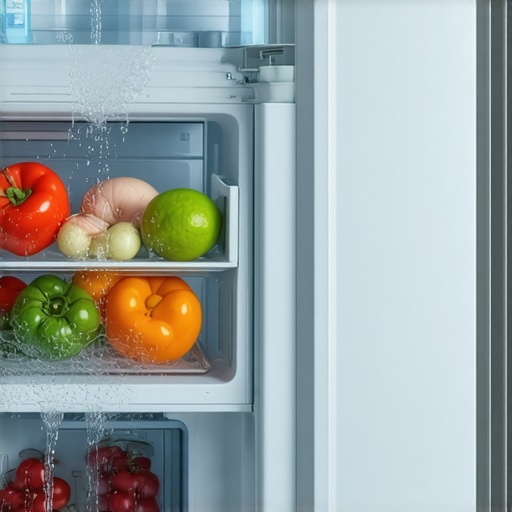
Ever opened the fridge and found a small pond pooling in your vegetable drawers? That’s a lightbulb moment for many homeowners like you and me—realizing that something’s definitely off. It’s not just an annoyance; water leaks can indicate underlying issues that, if ignored, might lead to costly repairs or even a full appliance replacement. I remember the first time I saw water seeping into my crisper. I thought, “Did I leave the door open? Did the kids spill juice?” But the truth was, a silent problem was brewing, and water was slowly sneaking into places it shouldn’t.
Why Water Appears in the Refrigerator’s Crisper Drawers
When your fridge starts leaking water into the crisper drawers, it’s often a sign that something is clogging or leaking within the drainage system. The crisper should sit dry, providing a perfect climate for your vegetables. So, why is water suddenly pooling there? Often, it’s because the defrost drain gets blocked by debris like food particles or ice buildup. When this drain is clogged, water from defrost cycles can’t drain properly and find their way into your drawers. Over time, this creates a small but persistent leak that can turn into a bigger problem if not addressed.
Knowing the cause is crucial, and my own experience taught me the importance of regular maintenance. A little inconvenience like clearing a drain can save you from a messy disaster and preserve the freshness of your produce. If you’re tired of wiping up puddles or wondering if your fridge is about to break down, don’t worry—there’s a reliable fix.
For instance, I learned early on that a simple cleaning of the defrost drain made a world of difference. You can find detailed steps on how to do this safely [here](https://discountappliancehub.com/how-a-10-minute-vent-clean-saves-your-washer-motor). This small effort not only prevents leaks but also helps your fridge run more efficiently, saving you energy and money.
Are you experiencing this water leak problem yourself? Have you noticed puddles forming and wondered what’s going wrong? If so, keep reading. I’ll guide you through the common causes and easy fixes so you can put an end to that unwanted water pooling once and for all.
Accessing the Drain Hole
Start by unplugging your refrigerator to ensure safety. Open the freezer compartment, as most drain holes are located there. Locate the drain hole, usually at the back or bottom of the freezer or refrigerator compartment. Use a flashlight if necessary to see clearly. Remove any ice or debris blocking the opening with a plastic tool or a soft cloth. During my first attempt, I carefully used a plastic spatula and a flashlight, avoiding damage to the interior. This straightforward step prevents further clogs from accumulating.
Sunlight the Clog with Hot Water and Vinegar
Fill a squeeze bottle with hot water mixed with a small amount of vinegar. Slowly squeeze the solution into the drain hole. This helps dissolve any remaining debris or buildup inside. Be patient; repeat until water flows freely. When I did this, I noticed the water started draining smoothly after a few flushes. This simple practice clears the blockage, ensuring proper drainage and avoiding leaks into your crisper drawers.
Clear the Drain Pan and Check for Leaks
Find the drain pan underneath the fridge—usually accessible by removing a panel. Remove and clean it with warm soapy water, inspecting for cracks or overflows. Place it back correctly. This prevents water from spilling onto the floor. Once done, reconnect and plug in the unit. My experience confirmed that a clean drain pan greatly reduces puddles on the floor, saving time and preventing water damage. Regular cleaning of this component is recommended to keep your fridge running smoothly.
Test the Repair and Maintain
After reassembling, pour a small amount of water into the drain to verify smooth flow. Observe for any leaks or pooling. If water still appears in the crisper or on the floor, revisit the clogs or consider professional assistance. Just last month, I thought I had fixed a leak, only to realize I missed a section—prompt action avoided a costly repair. Regularly inspecting and cleaning your drain system keeps leaks at bay and extends the lifespan of your appliance.
Many homeowners believe that choosing the fastest service option or relying solely on warranties guarantees a hassle-free experience. However, beneath these common assumptions lie nuances that, if overlooked, can lead to unexpected expenses or even void warranties. For example, the misconception that a same-day repair always guarantees quality work ignores the importance of technician expertise and proper part sourcing. Rushing repair appointments might seem convenient but can result in overlooked diagnostics or improper installations, which often cause recurring issues. In fact, a study from the Appliance Repair Institute emphasizes that improper installation or repair can void warranties and reduce appliance lifespan, highlighting the need for careful service choices.
Why do most people underestimate the importance of professional installation techniques?
One prevalent myth is that DIY or generic installers are sufficient for appliance setup. Yet, ignoring manufacturer-specific requirements—like proper venting, leveling, or clearance—can compromise safety, efficiency, and warranty validity. For instance, an incorrectly installed dishwasher drain hose can cause water leaks that lead to mold growth or floor damage, which most homeowners overlook until significant damage occurs. Additionally, improper leveling of washing machines can cause excessive vibration, shortening appliance life—something many repair guides fail to stress. Experts advise following manufacturer instructions meticulously or hiring certified technicians to avoid costly pitfalls. The importance of correct installation extends beyond initial setup; for example, maintaining appropriate distances for range hoods or refrigerators ensures warranties remain active—as documented in many appliance warranty clauses. Missteps in these areas can void warranties, complicating future repairs. Moreover, understanding warranty terms, including what is covered and what voids coverage, is crucial. This knowledge helps homeowners avoid future disputes or unexpected expenses when repairs are needed, as discussed in articles on warranty transfer processes. Have you ever fallen into this trap? Let me know in the comments.
Common pitfalls homeowners face with immediate service promises
Many believe that opting for same-day service is always the smartest choice, but hasty repairs without proper diagnostics can lead to recurring problems or appliance damage. An over-reliance on quick fixes neglects detailed diagnostics, which are vital for accurate repairs—especially for complex components like compressor motors or electronic control boards. For example, a quick replacement of a perceived faulty part without verifying the root cause often results in the same issue resurfacing, costing more in the long run. Experts recommend asking technicians about their diagnostic procedures and parts sourcing to ensure long-term solutions. Additionally, be cautious about warranties that require specific repair procedures or parts; neglecting these can void the coverage altogether. For instance, not using OEM parts for critical components might save money initially but could lead to warranty rejection later, as highlighted by warranty experts. Therefore, a balanced approach—combining prompt service with thorough diagnostics—serves homeowners best, especially regarding warranty conditions and appliance longevity. Want to avoid falling into these common traps? Make sure to inquire about the technician’s diagnostic process and warranty considerations before proceeding with urgent repairs.Maintaining your appliances proactively can save you time, money, and frustration in the long run. Over the years, I’ve refined a set of reliable tools and habits that help me stay ahead of potential issues and ensure my appliances operate efficiently. One indispensable item I keep in my toolkit is a digital multimeter, which allows me to safely check electrical connections and diagnose problems with components like thermostats and motors. For example, when my refrigerator compressor started making strange noises, I used my multimeter to test the relay and condense potential issues, avoiding unnecessary repairs.
Another crucial tool is a high-pressure condenser coil brush. Regularly cleaning the condenser coils in my fridge and AC unit prevents overheating and breakdowns, extending their lifespan. I often schedule bi-annual maintenance sessions, using this brush along with a vacuum to remove dust and debris. This small step dramatically improves cooling efficiency and reduces energy consumption.
On the software side, I recommend investing in appliance-specific diagnostic apps if your devices support smart features. These apps provide real-time insights and error codes, enabling faster troubleshooting. For instance, my smart washer app alerted me to a lid lock malfunction that I was able to resolve with a quick reset, thanks to the app’s detailed diagnostic report.
Looking ahead, I believe the trend of integrating AI-driven diagnostics with routine maintenance will become standard. Future appliances could self-identify issues before they escalate, notify homeowners directly, and even schedule repair appointments automatically.
If you want to get serious about maintenance, start by regularly inspecting and cleaning your condenser coils with a dedicated brush. Not only will this prolong your appliance’s life, but it will also optimize performance. Remember, the key to long-term appliance health is consistency and timely intervention. For further reading on the importance of preventive maintenance, check out [this detailed guide](https://discountappliancehub.com/3-maintenance-moves-to-triple-your-refrigerators-lifespan). Try incorporating a coil cleaning routine into your seasonal maintenance—your appliances will thank you!
What I Never Expected to Discover About Appliance Repairs
Sometimes, the biggest lessons come from the simplest issues. I learned that even small water leaks can signal underlying problems that, if left unattended, might turn into costly repairs or voided warranties. My experience taught me to look beyond the obvious—like a puddle—to understand the hidden causes, like clogged drainage or incorrect installation practices. These insights have helped me not only fix problems more effectively but also avoid future mishaps by paying attention to details most homeowners overlook.
Small Fixes with Big Impact: My Go-To Recommendations
Over the years, I’ve curated a set of tools and resources that make appliance maintenance manageable. A high-quality drain cleaner, a reliable multimeter for electrical checks, and a certified technician contact list have become indispensable. I also trust detailed guides on [how-a-10-minute-vent-clean-saves-your-washer-motor](https://discountappliancehub.com/how-a-10-minute-vent-clean-saves-your-washer-motor) to streamline repairs. These resources empower me to tackle small issues before they escalate, saving money and extending the lifespan of my appliances.
Taking Charge of Your Appliance Health and Future Repairs
Understanding the ins and outs of installation and service is the key to long-term appliance happiness. Proper setup, such as maintaining the correct distance for your refrigerator’s water line, can prevent leaks and warranty issues. Avoid the misconception that all technicians are equal—investigate their expertise and align your repairs with warranty requirements to ensure coverage remains intact. Remember, proactive maintenance and educated decisions today can save you from costly frustrations tomorrow. What’s one appliance issue you’ve finally managed to resolve on your own? Share your story below.