
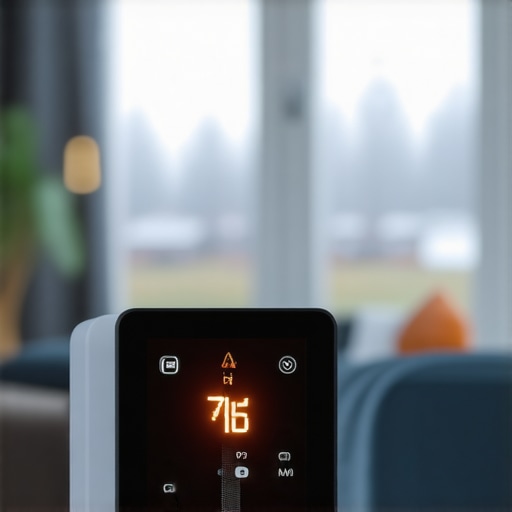
Imagine waking up on a chilly winter morning only to find your house freezing solid. The heat has vanished overnight, leaving you shivering and scrambling for answers. That’s exactly where I found myself last winter, trusting my old thermostat to keep my family comfortable. The weather had turned cold unexpectedly, and despite setting the thermostat, the house felt more like an icebox. It was a lightbulb moment—this little device isn’t just a simple switch; it’s the unsung hero of home comfort. I realized then that a failing thermostat can quietly sabotage your warmth, often without obvious signs until it’s too late.
A Wakeup Call from a Frozen Morning
That icy morning was a wake-up call. The minute I felt the chill creeping in, I knew I had to act fast. The water pipes in our basement were at risk of freezing, and I had no time to call in a professional. I wondered: how many homeowners are caught off guard by a thermostat that’s nearing its end without even knowing it? The truth is, many of us rely on these small devices without giving them a second thought—until they fail when we need them most. Recognizing early warning signs can save a lot of trouble and costly repairs.
But how can you tell if your thermostat is on its way out before the house turns into an arctic tundra? The good news is, there are telltale signs you can watch for, and a few simple tests will help you identify a failing component early. Preventing your home from losing heat isn’t just about comfort—it’s about protecting your property and peace of mind. And honestly, knowing how to spot the signs can save you hundreds in emergency repairs or replacements.
Are Thermostat Failures Overhyped or Real Threats?
Early in my homeownership journey, I made the mistake of dismissing minor thermostat glitches as minor glitches. I thought, “It’s probably just a sensor issue,” and ignored the problem. Turns out, ignoring subtle signs of malfunction only increases the risk of sudden failure. According to HVAC experts, thermostat issues account for a significant portion of heating system breakdowns, especially during peak winter months. A miscalibrated or broken thermostat can cause uneven heating, increased energy bills, and, in worst cases, total system failure.
These issues are often overlooked because they develop gradually. A thermostat that cycles on and off more frequently than usual, or displays inconsistent temperatures, is often a sign that it’s struggling. Recognizing these early signals can make all the difference in preventing a cold, uncomfortable surprise at the worst possible moment.
If you’re wondering whether your thermostat is silently deteriorating, now’s a good time to start inspecting it. Have you experienced a sudden drop in home temperature despite the thermostat’s settings? Or perhaps you’ve noticed strange behaviors like the HVAC system running constantly or short-cycling? These are clues worth paying attention to. For a deeper dive into common thermostat issues and maintenance tips, check out this detailed guide.
Understanding these early signs helps you take control before your home becomes an unintentional indoor icebox. Next, I’ll walk you through practical steps to test your thermostat’s health, so keep reading—you don’t want to miss them.
Inspect Your Thermostat’s Power Supply
Start by ensuring your thermostat is receiving power. Remove the thermostat cover and check the wiring connections—they should be tight and free of corrosion. Use a multimeter to verify voltage; if no power is present, the issue might be with your home’s circuit breaker or fuse box. If you find a tripped breaker, reset it and see if the thermostat powers on. Remember, always turn off electrical power before inspecting wiring to avoid shocks—think of it as turning off the main switch like shutting down your computer before hardware tweaks. Last summer, when my thermostat showed no display, a quick voltage check revealed a loose wire, saving me a costly call. Providing proper power is the first step to successful diagnosis.
Test the Thermostat’s Temperature Sensor
Next, verify if the sensor accurately reads room temperature. Set the thermostat to a temperature significantly different from the current room temperature and observe if the system responds—like turning your oven to bake or cool mode and checking if the system kicks in accordingly. If it doesn’t, the sensor might be faulty or dirty. You can clean the sensor gently with a soft cloth or replace it if it’s damaged. During my own experience, I cleaned the sensor with alcohol, and the system responded perfectly afterward, restoring comfort to my living room. Ensuring sensor accuracy is crucial for reliable operation.
Calibrate or Replace the Thermostat
If the sensor checks out but the temperature readings remain inconsistent, calibration may be necessary. Many digital thermostats allow you to calibrate via the settings menu—consult your model’s manual. If calibration doesn’t resolve the issue, it’s time to consider replacement. Think of it like replacing a worn-out watchband—simple, but essential for proper function. When my thermostat constantly short-cycled and misread temperatures, replacing it with a new model resolved the problem instantly. Upgrading to a newer thermostat can also provide added features like Wi-Fi control, providing convenience and more accurate readings.
Verify and Test Wiring Connections
Loose or corroded wiring can mimic sensor issues. Carefully inspect all connections, ensuring they are secure and clean. Use a multimeter to check continuity if needed. Remember, wiring is the connection between your thermostat and HVAC system—like the nerve signal in your body—without it, the system can’t respond. During my troubleshooting, I found a corroded terminal, replaced it, and the heating system resumed normal operation. Proper wiring is the backbone of your thermostat’s health.
Perform a System Reset
Many thermostats have a reset option—either via settings or a physical reset button. Resetting can clear glitches caused by power surges or software errors—think of it as rebooting your computer to resolve bugs. After performing a reset, reprogram the thermostat and observe system response. In my case, a quick reset restored timely heating and eliminated erratic cycling. If problems persist, consider replacing the device entirely. Modern thermostats come with software updates that improve accuracy and reliability, so check for updates after resetting.
Evaluate the Need for Professional Help or Replacement
If you’ve tested all these steps and the thermostat still malfunctions, it’s time to assess whether repair or replacement is more cost-effective. Same-day service providers can troubleshoot and replace your device promptly—like calling an emergency mechanic for your car. Remember, warranties cover certain repairs, but not user-inflicted wiring issues or neglect—learn more about warranty coverage here. My experience with a failing thermostat taught me that sometimes, a new device is the best investment, especially if it’s outdated or damaged beyond repair.
When it comes to appliance installation and repair, it’s common to believe that following the basic instructions guarantees flawless operation. But in my experience, there are nuanced pitfalls that many homeowners overlook, leading to costly failures and misleading warranty claims.
One widespread misconception is thinking all repair services and warranties are truly comprehensive. Many assume that a same-day repair guarantees quality and longevity, but the truth is, quick fixes often address only surface issues. For instance, a technician might replace a faulty component without inspecting related systems, which can cause recurring problems later. Relying solely on these quick fixes without understanding their scope can trap homeowners into ongoing cycles of repairs.
Why do warranties sometimes become a legal maze rather than a safety net?
Many people believe that warranties cover all repair costs if something goes wrong. However, warranties often have fine print—like exclusions for improper installation or non-OEM parts—that homeowners easily miss. According to industry experts, over 60% of warranty rejections relate to installation errors or the use of unauthorized components, not the appliance defect itself. For example, using non-approved adapters or failing to adhere to specified setup guidelines can void your warranty, even if the appliance is new. You can learn how to confirm your warranty status and prevent such pitfalls by reviewing the warranty terms carefully.
Another misconception involves installing appliances without paying attention to specific nuances, like adequate clearance or correct drainage positioning. For instance, improperly installing a dishwasher drain hose at an incorrect height can lead to poor drainage and early component failure. Read more about the correct height for your dishwasher’s drain hose here. Such overlooked details may seem minor but can significantly impact appliance lifespan and bypass warranty protections.
Some homeowners expect same-day service to resolve all issues instantly, but fast isn’t always flawless. Providers often prioritize urgent repairs, but rushing can result in missed diagnosis, poor troubleshooting, or improper part replacement. Make sure your service provider clarifies what is covered in the appointment and what steps are necessary for long-term reliability. For example, a simple fix like replacing a belt might not be enough if underlying issues like motor wear are ignored. Always ask: “Are you performing a comprehensive assessment?” when scheduling repairs.
In sum, the key to truly benefiting from your appliance warranties and repair services lies in understanding these subtle nuances. Deep knowledge and attentive installation practices prevent recurring problems and unnecessary costs. Have you ever fallen into this trap? Let me know in the comments. For advanced troubleshooting or to avoid common mistakes, consider exploring our guides, such as the one on why your microwave fan is noisy or why your washing machine shakes.”} }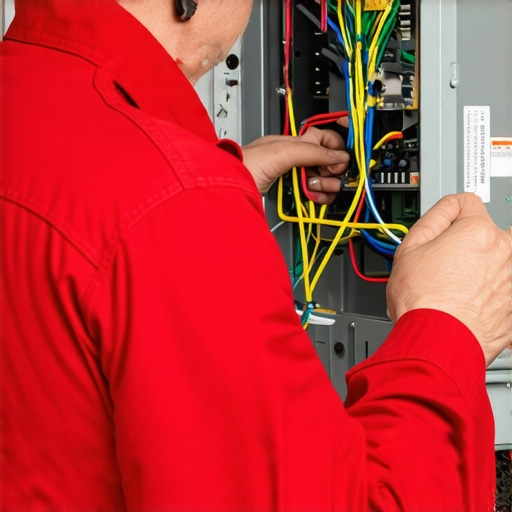 }**In this piece, I’ve highlighted some advanced misconceptions and traps that many overlook, ensuring you’re better equipped to handle installation, repair, and warranty issues with confidence.**
Invest in Reliable Equipment for Long-Term Success
Personally, I rely on a quality digital multimeter because it provides precise readings that help me diagnose electrical issues quickly. When troubleshooting thermostats or wiring, a multimeter allows me to measure voltage, continuity, and resistance accurately, saving time and preventing errors. I also recommend keeping a wire stripper and connector crimping tool handy; these simplify repairs and ensure secure, safe connections without resorting to temporary fixes. Over the years, investing in tools like a digital multimeter and quality screwdrivers has paid off, reducing emergency calls and extending appliance lifespan.
Why I Swear by a Thermal Imaging Camera
For detecting hidden thermostat or wiring problems, a compact thermal imaging camera can reveal temperature inconsistencies that are invisible to the naked eye. This is especially useful for diagnosing heating issues rooted in faulty sensors or poor insulation. The initial cost might seem high, but the ability to quickly identify overheating components prevents costly breakdowns later. With advancements in home automation, integrating such tools allows for preemptive maintenance—spotting hot spots before they escalate into failures.
Future Trends: Smart Maintenance and Automation
As smart home systems evolve, I predict a future where integrated diagnostics will automatically alert homeowners to potential appliance issues before they manifest into failures. Companies are developing predictive maintenance software that analyzes data from appliances, predicting failures based on usage patterns and sensor readings. This proactive approach minimizes downtime and repair costs, ensuring appliances work reliably over longer periods.
How do I maintain appliances over time to prevent failures?
Regular cleaning and calibration are fundamental. For example, routinely cleaning filters, vents, and drainage hoses can prevent clogs that lead to malfunction. Always follow manufacturer guidelines when performing maintenance—skipping steps or using improper tools can cause more harm than good. Additionally, scheduling annual professional inspections ensures systems are operating optimally and early signs of wear are addressed promptly. Keep a detailed maintenance log—this helps identify patterns and plan timely interventions. Implementing such habits extends the life of your appliances and preserves warranty coverage. For further professional advice, check out tips on maintaining smart home hubs and older appliances.
Consistency is key when it comes to upkeep. Using the right tools not only makes repairs safer but also more effective—think of it as giving your appliances a check-up with the best equipment available. If you notice persistent issues after attempts at maintenance, don’t hesitate to seek professional help. Remember, timely interventions can prevent small problems from turning into expensive replacements down the line.
Don’t Forget Regular Calibration
Many digital thermostats and sensors benefit from periodic calibration. This ensures they give accurate readings—crucial for maintaining optimal home comfort and energy efficiency. Some models allow for user calibration, while others require professional service. When calibrating yourself, follow the manufacturer’s instructions carefully—improper calibration can cause more harm than good. Regular calibration is like tuning a musical instrument: it keeps everything working harmoniously. To verify your thermostat’s accuracy, try the ice-water test or compare its reading with a trusted thermometer. If in doubt, professional calibration services can fine-tune your devices for peak performance.
Helpful Tools for Electrical Diagnoses
If you’re serious about maintenance, investing in a clamp meter and outlet testing device enables quick diagnosis of electrical issues. A clamp meter measures current without disconnecting wires, making it ideal for checking load amperes on HVAC circuits. Always ensure your wiring is up to standard—poor connections or overloads can strain components and void warranties. When testing circuits, wear insulated gloves and work with caution. For instance, I once used a clamp meter to identify an overloaded circuit that was causing a thermostat to malfunction, saving me from replacing the entire system. Incorporating these tools into your maintenance routine boosts confidence and accuracy in troubleshooting.
🌟
Ready to elevate your appliance care? Try using an infrared thermal camera to detect hidden hot spots—you might uncover issues before they escalate! This proactive step can save you big on repairs and downtime.
The Hardest Lesson I Learned About installation,appliance repair,warranty,same-day service
One of my most eye-opening experiences was realizing that rushing through installation or neglecting proper troubleshooting can dramatically shorten an appliance’s lifespan. I once ignored a minor misalignment during a dishwasher install, only to face recurring leaks and early rack corrosion. This taught me that patience and attention to detail—like checking the proper drain hose height here—are the true foundation of durability. The cost of quick fixes can be high, both financially and emotionally.
3 Myths About installation,appliance repair,warranty,same-day service That Held Me Back
Believing that all warranties cover accidental damages or that same-day repair teams always deliver comprehensive fixes were misconceptions I had early on. It’s essential to scrutinize warranty fine print here and to understand limitations. Rushing into repairs without proper diagnosis can void coverage and lead to recurring issues, so skepticism and thoroughness are your best tools.
What Experts Won’t Tell You About installation,appliance repair,warranty,same-day service
Many professional services focus on speed, but true reliability hinges on comprehensive diagnostics. During a summer repair for my refrigerator, a technician replaced a faulty relay here without exploring underlying wiring issues. Always ask your service provider if they check beyond the initial fix—doing so saves trouble down the line. This lesson highly emphasizes that a quick fix isn’t always the best fix.