
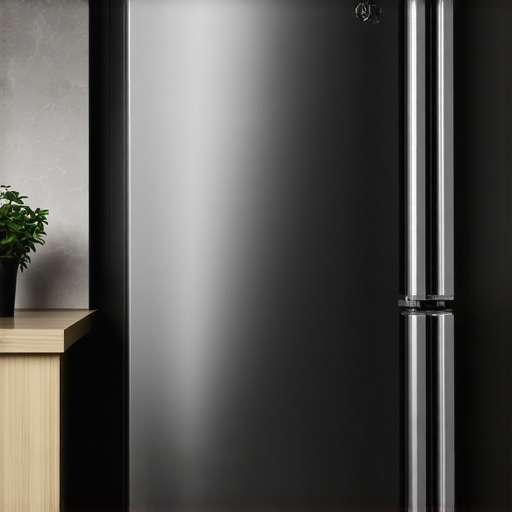
Ever found yourself awake at 2 a.m., lying in bed, listening to your refrigerator hum relentlessly? That unending drone, which you once thought was normal, suddenly feels like an incessant reminder that something’s not quite right. I remember the first time I noticed my fridge running nonstop—that sinking feeling in my gut, the nagging thought: “Is this going to break down overnight?” It was frustrating and a bit alarming.
What’s Really Going On When Your Fridge Won’t Quit
When your refrigerator compressor runs constantly, it’s like your appliance is in overdrive, trying to keep everything cool but never catching a break. You might think, “Is this normal?” Perhaps you’ve considered calling in a repair company. Before you do, let’s explore why this happens and how you can identify whether it’s a simple fix or something more serious.
Is Continuous Running an Overhyped Issue?
Early in my repair days, I made the mistake of assuming a always-on compressor was just a minor quirk. Turns out, neglecting it can lead to higher energy bills and potential damage. According to the Department of Energy, a fridge that runs constantly can elevate your electricity costs significantly—sometimes by up to 25%. That’s money down the drain if left unchecked.
If this sounds familiar, don’t worry. I’ll walk you through the most common reasons your fridge acts like it’s got an overenthusiastic motor. And even better, I’ll share tips on when to call in the pros—like those from trusted appliance repair experts. Ready to stop the endless hum and bring peace back to your home? Let’s get started.
Check the Thermostat Settings and Temperature
Start by inspecting your fridge’s thermostat. A misset or faulty thermostat can cause the compressor to run nonstop. Set the temperature to the manufacturer’s recommended level, typically between 37°F and 40°F. If the setting is correct but issues persist, replace the thermostat—this is a straightforward fix if you follow the instructions carefully. I once had a fridge where adjusting the thermostat didn’t help, so I ordered a new thermostat and replaced it myself, saving on repair costs.
Inspect and Clean the Condenser Coils
Dirty coils prevent proper heat dissipation, making the compressor work overtime. Turn off the fridge, locate the coils usually at the back or beneath the unit, and use a coil-cleaning brush or a vacuum to remove dust and debris. This task is similar to cleaning your car radiator—it allows your appliance to breathe. After cleaning, observe if the compressor’s running time reduces. Once, I used a compressed air duster and was amazed at how much dust accumulated, improving efficiency immediately.
Verify Door Seals Are Tight and Intact
Leaky door seals let cold air escape, prompting the compressor to run continuously. Examine the gasket for cracks or tears, and close the door on a dollar bill—if you can pull it out easily, the seal needs replacing. To replace a gasket, remove the old one, clean the groove, and press in the new gasket evenly. I replaced mine during a weekend, which took less than an hour, but significantly improved the fridge’s performance.
Assess the Evaporator Fan and Compressor Motor
Unusual noises or failure to run could indicate a faulty fan or motor. Visually inspect the fan blades for obstructions and test if the fan runs when the compressor is on. If the fan isn’t working, replace it following the manufacturer’s instructions. For the compressor, if you notice it’s hot or making unusual noises, it might need professional attention. I once attempted to replace a fan myself and learned that sometimes, calling trusted professionals—like those from reliable repair services—is the safest option.
Test the Start Relay and Overload Protector
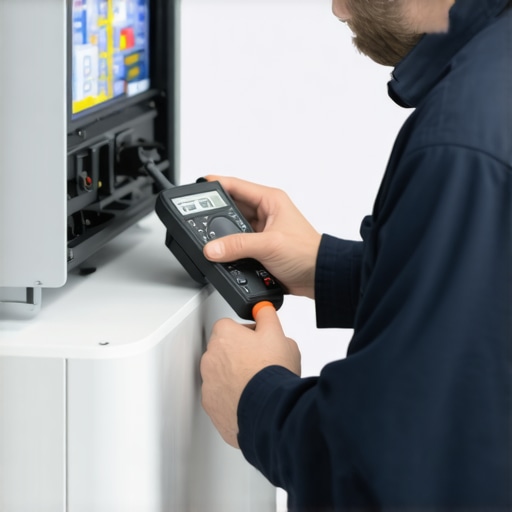
If the compressor runs constantly, the start relay might be stuck open or closed. Locate the relay, usually attached to the compressor, and test it with a multimeter for continuity. If faulty, replace it; this task is similar to replacing a fuse. Remember to unplug the appliance before testing. During my last repair, swapping out a start relay was quick and restored normal compressor function.
Consult a Professional When Necessary
If you’ve followed all these steps and the compressor still refuses to cycle properly, it’s time to seek expert help. Skilled technicians can diagnose issues like refrigerant leaks or compressor failures that require specialized tools. You can schedule a same-day appointment with certified repair specialists—just visit our contact page—and ensure your refrigerator gets the care it needs without unnecessary delays. Remember, attempting complex repairs without proper knowledge can cause further damage, so don’t hesitate to call in the pros if needed.
Many homeowners operate under a set of common assumptions about appliance warranties and repair services, but these beliefs often overlook critical nuances that could save you time and money. One pervasive myth is that all warranties are created equal; in reality, the fine print and coverage limitations can significantly impact your claims. For instance, some warranties exclude certain parts or types of damage, which means a repair might not be covered even if you have an active warranty. According to a study by Consumer Reports, nearly 60% of warranty claims are denied due to fine print exclusions, highlighting the importance of understanding your specific coverage.
What Do People Usually Misunderstand About Warranty Coverage?
Many assume that warranties automatically cover all repairs within the warranty period. However, manufacturers often require that you follow specific maintenance routines or use authorized service providers to keep the warranty valid. Ignoring these conditions can void your coverage. Additionally, some warranties are prorated after a certain period, meaning you might pay more out-of-pocket as time progresses. To maximize your warranty benefits, it’s essential to familiarize yourself with the exact terms, including what is covered and under what circumstances. For expert guidance, check out our tips for maximizing warranty benefits.
Sophisticated consumers also understand that warranties are not just about repairs—they often include specific installation requirements. Improper installation can void coverage, which is why partnering with certified technicians who follow manufacturer guidelines, like those from same-day repair experts, ensures you maintain your warranty and avoid unnecessary expenses.
Beware the Trap of Assuming All Service Is Coveredeasily
Another common pitfall is expecting that all repair services will be covered under warranty or that scheduling a repair guarantees coverage. In many cases, warranties only cover technical failures—not accidental damage, misuse, or external causes such as power surges. Furthermore, some providers may charge diagnostic fees even if repairs aren’t covered. That’s why reviewing the warranty details beforehand and understanding what qualifies for coverage is crucial. For a comprehensive overview, consult our guide on warranty coverage nuances.
Don’t forget, the timing of your service also matters. Opting for same-day repair services can be advantageous not only for convenience but also for ensuring warranty validity, especially if the repair involves critical components that need prompt attention. However, it’s essential to verify whether the service provider is authorized, as unapproved repairs can void your warranty.
In closing, understanding the intricate details behind appliance warranties and repair services — from coverage limitations and installation requirements to the importance of choosing authorized technicians — empowers you to make smarter decisions when issues arise. Don’t get caught in the trap of assumptions; dig deeper and protect your investments. Have you ever fallen into this trap? Let me know in the comments.
Keep It Working: Tools I Recommend for Long-Term Appliance Care
Maintaining appliances effectively requires more than just routine checks; it demands precision tools and a strategic approach. Over the years, I’ve found that investing in specific equipment enhances maintenance quality and extends the lifespan of your appliances. One indispensable tool I’ve relied on is a high-quality digital multimeter. It allows me to quickly test electrical components like thermostats, relays, and fuses, ensuring they function correctly and preventing larger issues down the line. For instance, testing the start relay on a compressor with a multimeter can diagnose problems early, saving time and repair costs.
Another essential piece of kit is a magnetic inspection mirror. It might sound simple, but it’s invaluable for checking behind appliances or in tight spaces—areas often overlooked during routine maintenance. I use mine to inspect condenser coils and fan blades, ensuring they’re free from dust or debris which can cause overworking. Pairing this with a detailed process, such as cleaning coils quarterly using a coil brush or compressed air, keeps appliances running smoothly and improves efficiency.
When it comes to software, I highly recommend appliance condition monitoring apps that sync with smart devices. These tools provide real-time alerts for temperature fluctuations, unusual noises, or activity spikes. Setting up these apps on your smartphone gives you early warnings—think of it as a proactive health check. This trend toward smart diagnostics is expected to evolve further, integrating AI to predict failures before they happen, which is especially useful for complex systems like HVAC units or smart ovens.
For long-term results, maintaining a detailed maintenance log is crucial. I record all inspections, cleaning, and part replacements with dates and observations. This practice helps identify patterns that signal impending problems and provides documentation for warranty claims if needed. You can create simple spreadsheets or use specialized apps designed for appliance maintenance schedules.
How do I keep my appliances performing over time?
Besides using the right tools, regular professional checkups are key. Scheduling annual inspections with certified technicians helps catch issues early and ensures your warranties remain valid. When repairs are necessary, choosing a service provider that offers warranty-backed repair services guarantees long-term support, saving you money and stress. Remember, proper installation also plays a vital role; partnering with experts ensures your appliances are set up correctly from the start, reducing future breakdowns.
Looking ahead, I predict that integration with IoT devices and predictive analytics will become standard, allowing homeowners to preempt issues and schedule maintenance seamlessly. To stay ahead, incorporate smart tools and proactive routines into your appliance care regimen. For example, routinely testing your refrigerant pressure with a manifold gauge set—similar to professional technicians—can prevent costly refrigerant leaks and preserve efficiency. To get started, try calibrating your multimeter’s diode test function today to double-check safety switches and control boards, a step that often reveals hidden faults.
For more on advanced maintenance strategies, consider reading our expert guide to appliance repair and installation. Remember, consistent, precise care plus reliable tools make all the difference in keeping your appliances humming smoothly for years to come.
What I Wish I Knew Before Relying Solely on Warranties
Early in my journey, I believed that a good warranty would cover all repairs, no questions asked. However, I learned the hard way that understanding the fine print often determines whether you’re truly protected. A mistake I made was assuming that professional installation wasn’t critical—until an improperly installed refrigerator led to early malfunctioning, voiding my warranty. Now, I realize that proactive maintenance, like scheduled checkups, saves much more than emergency repairs, and partnering with trusted service providers, such as reliable repair experts, is key to long-term peace of mind.
Tools That Changed How I Handle Appliance Emergencies
Investing in a quality digital multimeter and a magnetic inspection mirror revolutionized my troubleshooting. These tools empowered me to diagnose issues like faulty thermostats or clogged coils before they became costly problems. Using a multimeter to verify refrigerant pressures or test relays provided clarity without guesswork. I also found that keeping a detailed maintenance log helps spot patterns, leading to preventative actions. Trusted resources like our comprehensive repair guide have been invaluable as I build my toolkit for reliable appliance care.
Embracing the Future of Appliance Management
Smart technology is transforming how we care for appliances, offering predictive diagnostics and remote monitoring that catch issues early. I encourage you to explore tools like appliance monitoring apps that send alerts directly to your phone—these innovations make preventive maintenance easier and more effective. Remember, regular professional checkups coupled with smart diagnostics will keep your appliances running smoothly and extend their lifespan. For a glimpse into these advanced strategies, check out our latest insights and start integrating them into your routine today.
Let’s Keep the Momentum Going
Your journey towards smarter, more effective appliance maintenance is just beginning. By applying these insider lessons and leveraging reliable tools and resources, you empower yourself to handle issues confidently and confidently. Don’t wait for a breakdown—take proactive steps now to protect your investments and enjoy a quieter, more efficient home environment. What’s the next appliance challenge you’re planning to tackle? Share your thoughts below and let’s discuss how to make appliance care effortless and dependable.
**