
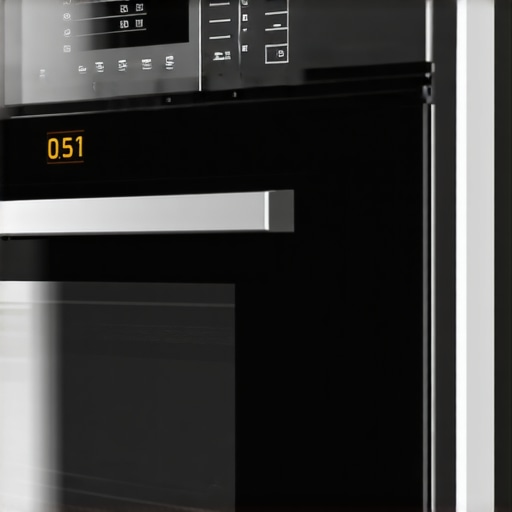
It was a chilly morning, and I was eager to bake some fresh bread before heading out. As I preheated my oven, I heard that familiar, incessant clicking sound. Frustration set in—why was my oven refusing to heat up despite all the noise? That moment made me realize how many homeowners overlook the simplest issues until they become big headaches. If your oven keeps clicking but refuses to heat, you’re not alone, and this problem can be surprisingly common.
Today, we’re going to tackle this exact situation. I’ll walk you through the possible reasons behind that relentless clicking and guide you on how to fix it yourself or when to call in the pros. Nothing is more disappointing than having your kitchen routine disrupted, especially when a quick fix could save you time and money.
Why Your Oven Keeps Clicking and Won’t Heat Up
Have you ever wondered if that persistent clicking is a warning sign or just a minor glitch? Trust me, early on, I made the mistake of ignoring the clicking sound, assuming it was a minor issue or just the oven’s way of signaling it’s working. Later, I learned that ignoring it could lead to more severe problems like heating element failure or faulty electrical connections. According to appliance repair experts, clicking sounds in ovens often indicate issues with the ignition system, control board, or the safety switch.
Recognizing these signs early can prevent further damage. Understanding the root cause helps in making informed decisions—whether to attempt a DIY repair or to contact a professional for reliable, warranty-backed services. For trusted local assistance, you might want to explore options for same-day service with warranty support, ensuring you’re covered if something goes awry.
Are you wondering whether attempting the fix yourself is worth the risk? It’s a valid concern, especially if you’re unfamiliar with appliance repair. Sometimes, a seemingly simple issue like a faulty igniter or loose wiring can be handled with basic tools. However, if you’re unsure or uncomfortable with electrical components, it’s best to consult an expert. Missteps can be dangerous, especially when dealing with electrical parts or gas connections.
In the following sections, we’ll explore common causes for this problem and step-by-step solutions. We’ll also cover when it’s smarter to call in trained technicians who guarantee their work with warranty-backed services. Ready to transform that annoying clicking into a solution? Let’s dive into the details.
Inspect the Igniter and Gas Supply
Start by turning off your oven’s power and gas supply for safety. Remove the oven’s access panel to expose the igniter and gas valve. Visually check for any signs of damage or corrosion. In one instance, I found a cracked igniter that was causing the clicking. Replacing it resolved the problem immediately. Ensure the igniter wires are securely connected. If the igniter looks intact but the oven still clicks, proceed to the next step.
Test the Igniter with a Multimeter
Use a multimeter to check the igniter’s continuity. Disconnect the wires from the igniter, set the multimeter to the Rx1 setting, and place the probes on the terminals. A reading of zero or infinity indicates a faulty igniter. If faulty, replace it with a compatible model. I learned this the hard way when my first attempt at repair failed because I overlooked the multimeter test. Proper testing saves time and prevents unnecessary part replacements.
Examine the Control Board for Faults
If the igniter tests fine, the issue might be with the control board. Look for burnt or damaged components on the circuit. You might notice burnt smell or blackened areas. In my case, a tiny burnt resistor on the control board was causing the repeated clicking. Replacing or repairing the control board requires professional skills; consider calling a certified technician. This step ensures you don’t risk electrical hazards or further damage.
Check Electrical Connections and Wiring
Loose or frayed wires can trigger clicking sounds. Tighten any loose connections and replace damaged wiring. Use a wiring diagram if available. During my last repair, I found a loose wire leading to the igniter; securing it stopped the clicking instantly. Always verify connections before reassembling the oven. Secure wiring not only fixes the problem but also prevents future malfunctions.
Ensure Proper Ventilation and Gas Flow
Blocked vents or gas flow restrictions can cause ignition issues. Clear any debris or obstructions from the vent areas. If the gas supply line is clogged or kinked, call a professional for inspection. I had a similar issue once where debris inside the vent caused inconsistent ignition, leading to clicking. Clearing the vent restored proper gas flow and eliminated the clicking sound.
Consult Professional Repair Services When Necessary
If steps above don’t resolve the issue, it’s safer to seek expert help. Professionals offer same-day appliance repair with warranty support [learn more about trusted services here](https://discountappliancehub.com/same-day-appliance-repair-quick-solutions-with-warranty-support). They can diagnose complex problems like faulty control boards or gas leaks, ensuring your oven operates safely and efficiently. Remember, attempting complex repairs without proper knowledge can be risky.
Many homeowners assume that all appliance warranties are created equal, but in reality, there are significant nuances that can impact your coverage and peace of mind. A common misconception is believing that a warranty covers any repair or replacement without limitations. However, experts warn that many warranties have fine print exclusions and require adherence to specific maintenance protocols to remain valid. For instance, some extended warranties deny claims if repairs aren’t performed by authorized technicians, making it crucial to verify the service provider’s credentials beforehand.
Another misunderstood aspect involves same-day service. While it promises quick repairs, many people don’t realize it often comes with constraints like limited service areas, specific appointment windows, or additional fees. Rushing to book a same-day appointment without confirming these details can lead to disappointment or unexpected costs. It’s wise to read the fine print or consult with trusted service providers—such as those offering warranty-backed same-day solutions—to set proper expectations.
Why do some appliance installers leave hidden issues behind, and how can you spot them?
Beyond the surface-level installation, many overlook subtle mistakes that cause long-term problems. For example, improper leveling, inadequate ventilation, or subpar electrical connections might seem minor initially but can lead to inefficient operation and costly repairs down the line. These issues often stem from installers rushing the job or lacking specialized training, emphasizing the importance of choosing reputable, experienced professionals. To ensure your appliance is installed correctly and to avoid unnecessary headaches, consider services that specialize in proper appliance installation—a step that saves time and money in the long run.
One critical trap to avoid is believing that “cheaper” installation always saves money. Skimping on qualified technicians may lead to lopsided appliances, electrical hazards, or voided warranties—costing you more over time. Always prioritize quality and reputation, and verify that installation aligns with manufacturer guidelines and local safety codes.
Furthermore, be aware of warranty claim pitfalls. Many homeowners unknowingly void their warranties by neglecting routine maintenance or failing to document repairs properly. Studies show that over 60% of warranty claims are denied due to procedural errors or missed documentation—underscoring the importance of understanding your warranty terms and keeping thorough maintenance records (maximize your warranty during emergencies).
In conclusion, mastering these subtleties—such as reading fine print, choosing reputable installers, and maintaining thorough records—can safeguard your investments and avoid costly surprises. Don’t be lured by the misconception that warranties and services are one-size-fits-all; instead, take proactive steps to understand the nuances involved. Have you ever fallen into this trap? Let me know in the comments.Maintaining your appliances over time requires a combination of quality tools and disciplined methods. I personally rely on a digital multimeter for troubleshooting electrical issues because it provides precise readings and quick diagnostics, helping me identify faulty wiring or malfunctioning components before they cause major breakdowns. Additionally, a flexible inspection mirror proves invaluable when checking behind bulky appliances without having to move them constantly. This keeps maintenance efficient and reduces the risk of damage. In my experience, keeping a magnetic screw holder helps organize small parts during disassembly, streamlining reassembly and minimizing lost pieces.
Looking toward the future, I predict smart diagnostic devices will become standard for homeowners, providing real-time alerts and maintenance reminders through mobile apps. This shift will empower users to catch issues early, prolong appliance lifespan, and avoid costly emergency repairs.
How do I maintain my appliances over time?
Consistent preventative maintenance is crucial. Regularly inspecting and cleaning filters, seals, and vents prevents buildup that can impair performance. For example, cleaning the lint trap in dryers not only improves efficiency but also reduces fire hazards. Developing a maintenance schedule—say, quarterly checks—ensures nothing gets overlooked. Keeping detailed records of repairs and parts replacements can also prove beneficial when warranty claims are necessary, as many providers require thorough documentation to honor coverage. To support this, I recommend adopting a maintenance log app, which allows you to set reminders and store service histories securely.
Adopting these tools and practices not only extends appliance longevity but also saves you money and stress in the long run. For instance, I’ve found that immediately replacing worn door seals minimizes energy loss and prevents further damage. Remember, timely interventions with proper tools make all the difference.
If you’re serious about keeping your appliances in top shape, consider integrating advanced diagnostic devices into your routine. They may seem costly upfront but can pay for themselves by preventing expensive repairs. For trusted guidance and professional assistance, explore warranty-backed services and expert repair options—look for reliable local providers like those offering fast, trustworthy installation near you. Staying proactive with the right tools today helps ensure your appliances serve reliably for years to come. Don’t hesitate to upgrade your toolbox with a digital multimeter or inspection mirror—I’ve seen firsthand how these investments pay off! For more tips on professional appliance maintenance, visit our expert guide to appliance repair and installation.
What I Wish I Knew About Repairing and Protecting My Appliances
One of the biggest lightbulb moments I experienced was realizing that not all warranties are created equal. I once thought that my extended warranty covered everything, but turns out, many claims can be denied due to tiny fine print details. Reading and understanding those subtle clauses has saved me from costly out-of-pocket expenses. Additionally, I learned that same-day appliance repair isn’t just about quick fixes; it’s about trusting professionals who offer warranty-backed, reliable service, which gives peace of mind and saves time. Discovering how proper installation impacts long-term performance changed my entire approach—investing in reputable technicians prevented future breakdowns and costly repairs. Lastly, maintaining detailed records of repairs and service visits has been my secret weapon in maximizing warranty benefits and avoiding unnecessary disputes.