
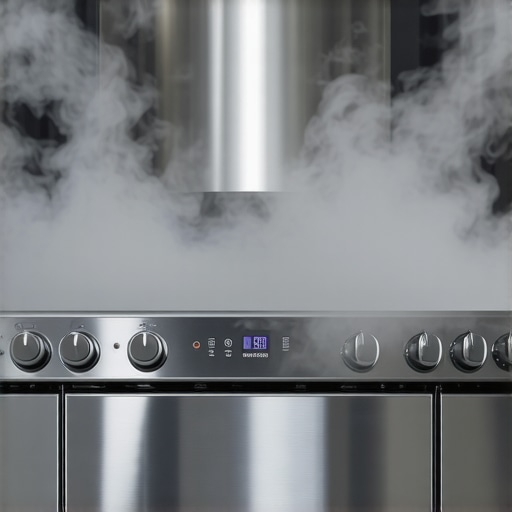
I remember standing in my kitchen three years ago, tears streaming down my face—not because I was emotional, but because I was searing steaks for my anniversary dinner and the ‘state-of-the-art’ range hood was failing me miserably. The house looked like a London fog, and the smoke detector was screaming. I had the fan on the highest setting, it was louder than my lawnmower, yet the smell of burnt ribeye lingered in my curtains for a week.
Your Kitchen Shouldn’t Smell Like Last Week’s Fish
It’s incredibly frustrating when you invest in a nice appliance and it doesn’t do its one job. Most of us assume that if we hear the motor running, the smoke must be going somewhere. But the reality of kitchen ventilation is a bit more complex than just ‘fan goes brrr.’ Whether you’re dealing with a fan that’s vibrating your kitchen cabinets or just poor suction, the culprit is usually hidden behind the filters or tucked away in the ductwork. Today, I’m going to help you troubleshoot exactly why your kitchen feels like a sauna and how to get that airflow back to factory standards. If you suspect your unit was put in incorrectly, checking for trustworthy appliance installation is usually the first step to peace of mind.
Is a high-end vent hood actually worth the money?
You might be wondering if your specific model is just a dud or if these things even work. I used to think that too, until I realized I made a rookie mistake early on: I neglected the ducting. I once tried to vent a high-BTU gas range through a tiny 4-inch flexible foil pipe with three 90-degree turns. It was like trying to breathe through a cocktail straw while running a marathon. It didn’t matter how expensive the hood was; I had choked it. According to the Lawrence Berkeley National Laboratory, cooking without proper ventilation can lead to indoor air pollutant levels that exceed outdoor legal limits. This isn’t just about smells; it’s about your health. If you are struggling with a sagging unit, you might have made the mounting mistake that ruins the capture area. Have you ever had a kitchen mishap where the smoke stayed and your guests left? It’s a common headache, but we can fix it. If the motor sounds like it’s dying, you might need affordable same-day appliance fixes to get things moving again.
Degrease the Lungs of Your Ventilation System
Most homeowners think their range hood is broken when it’s actually just suffocating. If you can’t remember the last time you cleaned your filters, that’s your first red flag. These filters act like the lungs of your kitchen; once they are saturated with grease, the motor works twice as hard for half the result. I once spent three hours scrubbing what I thought were clean mesh filters in my old apartment. They looked silver, but when I ran hot water through them, the water just pooled on top like it hit a raincoat. It was a transparent, wax-like coating of old bacon grease. Once I finally degreased them, the suction literally doubled.
The Invisible Barrier Inside Your Mesh Filters
If you have the standard aluminum mesh type, a quick rinse won’t cut it. You need a heavy-duty degreaser or a cycle in the dishwasher on the highest heat setting. For those with baffle filters, the goal is to ensure the air can tumble through the steel slats without hitting a wall of gunk. If your motor is still straining after a deep clean, you might be looking at a failing capacitor or a gummed-up blower wheel. This is when you should look into affordable same-day appliance fixes to prevent the motor from burning out entirely. 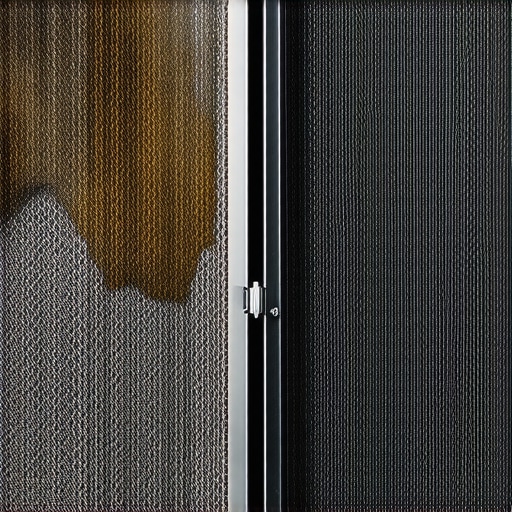
Straighten the Path to Clear Air
If the filters are clean and the fan is roaring but the smoke isn’t moving, the problem is almost certainly in the ductwork. Think of your ducting like a highway; every 90-degree turn is a massive traffic jam for the air. If your installer used flexible foil tubing instead of rigid galvanized steel, the internal ridges create turbulence that kills airflow. I’ve seen installations where the duct was squashed behind a cabinet, reducing a 6-inch pipe down to a 2-inch slit.
Why Flexible Ducting is Your Worst Enemy
Smooth-walled rigid ducts are the gold standard because they offer the least resistance. If your kitchen remodel involved moving an island, you might have fallen victim to the one ventilation step most island kitchen remodels skip, which is ensuring the duct run is as short and straight as possible. Every extra foot of pipe and every elbow joint reduces the effective CFM (cubic feet per minute) of your fan. If you suspect your current setup was a DIY disaster from the previous owner, getting fast trustworthy appliance installation can fix the geometry of your venting before you ruin your new cabinets with steam damage.
Give Your Kitchen Some Air to Breathe
A range hood cannot pull air out of your kitchen if there is no air coming in to replace it. In modern, tightly sealed energy-efficient homes, this creates a vacuum effect. You might find that your hood works significantly better when you crack a nearby window. This is called ‘make-up air.’ If your fan is rated over 400 CFM, many local building codes actually require a dedicated make-up air system. Without it, the fan struggles against the high pressure, leading to that annoying whistling sound or a vibrating housing. For complex setups involving high-end sensors, always check for warranty-backed appliance services you can rely on to ensure the pressure balance is calibrated correctly. Keeping your ventilation in peak shape isn’t just about comfort; it’s about protecting your home from the long-term effects of grease and moisture buildup.We often treat warranties like a safety net that catches us no matter what, but that is a myth that can cost you thousands in the long run. You might think that calling for the fastest possible technician is the only priority, but if they aren’t authorized for your specific brand, you might be throwing your entire coverage away. There is a critical nuance here: speed can sometimes be the enemy of long-term protection. If you rush into a repair without checking the fine print, you might fall for the trap of a denied warranty claim simply because of unapproved third-party parts.
Your Warranty Isn’t a Magic Wand
Most homeowners assume that a factory warranty is a guarantee of free service regardless of the situation. It isn’t. In my experience, manufacturers are increasingly looking for signs of user neglect to bounce a claim. This is exactly why your extended warranty company keeps asking for service logs before they approve a major motor replacement. If you cannot prove you performed basic maintenance, like degreasing those range hood filters I mentioned earlier, they can argue the failure was consumer-caused. The Association of Home Appliance Manufacturers (AHAM) notes that a significant percentage of appliance failures are linked directly to poor maintenance, and manufacturers use this data to tighten their claim requirements.
How do I stop a manufacturer from denying my claim?
The secret to winning a warranty dispute is in the paperwork. You need to maintain a dedicated folder—digital or physical—that contains every receipt, installation record, and service date. This is the document every technician needs to see to effectively advocate for you when a manufacturer pushes back on a part replacement. 
The Dangerous Lure of the Quick Fix
When your range hood or oven stops working right before a holiday, the instinct is to grab a screwdriver and start poking around. Don’t do it. Even a simple ‘investigative’ disassembly can leave tool marks or broken plastic clips that insurance adjusters use as evidence of ‘unauthorized tampering.’ Instead of a DIY attempt that might void your protection, focus on how to maximize your appliance warranty during emergency repairs by contacting an authorized provider who knows how to document the failure correctly from the start. Have you ever fallen into the trap of a voided warranty because of a simple mistake? Let me know in the comments.
Prevent Your Appliances from Working Against You
If you want to avoid the headache of warranty claims entirely, you have to get serious about preventative maintenance. It’s not just about the range hood. For instance, most people forget that the maintenance step that extends the life of your high-efficiency washer is as simple as a monthly clean-out, yet they wonder why the motor burns out in year three. When it comes to your range hood, I recommend owning a basic anemometer. This little handheld device measures wind speed. I use it to check the airflow at the filter face versus the exit vent. If there is a massive drop-off, I know the duct is pinched or blocked before I ever take the wall apart. The ASHRAE 62.2 standard for residential ventilation is the benchmark I follow; it dictates exactly how much fresh air needs to circulate to keep your home air quality safe. If your hood isn’t hitting those numbers, you are essentially living in a sealed box of pollutants.
Ditch the Guesswork with These Professional Tools
I have spent hundreds of hours in crawl spaces and behind ranges, and I have learned that the right tools make the difference between a ten-minute fix and a three-day disaster. One tool I never leave home without is a non-contact infrared thermometer. It is not just for cooking; I use it to check for hot spots on appliance control boards. If a relay is running at 160 degrees while the others are at 90, that board is about to fail. Catching that early means you can hunt for affordable same-day appliance fixes before the whole machine goes dark during a dinner party. Another lifesaver is a simple multimeter. If you are trying to figure out how to check if your oven igniter is too weak to light, a resistance test will give you a definitive answer in seconds, saving you from buying parts you do not need. These methods are the same ones found in any expert guide to appliance repair and installation today. #IMAGE_PLACE_HOLDER_D#
How can I maintain my kitchen airflow for the long haul?
Maintaining peak performance starts with your mechanical parts. First, schedule a deep-clean of the blower wheel once a year. Over time, grease weight unbalances the blades, leading to a range hood fan vibrating your kitchen cabinets. Second, always use the specific lubricant to use on squeaky oven door hinges or mechanical parts rather than generic spray oils, which can actually attract more dust and gum up the works. Finally, ensure your exterior vent flapper moves freely. If it is stuck shut by a bird nest or old paint, no amount of internal cleaning will help. For complex adjustments, rely on warranty-backed appliance services you can rely on to keep your system balanced without voiding your coverage.
The Smart Future of Kitchen Ventilation
Looking ahead, I predict we are going to see range hoods that communicate directly with your HVAC system via Matter or Zigbee protocols. Imagine your AC automatically ramping up its intake the moment your stove sensors detect a high heat load. We are moving toward a whole-house breathing philosophy where the kitchen isn’t an isolated island of steam. To get there, you need to start with fast trustworthy appliance installation that respects the airflow physics of your specific home layout. Don’t wait for the smoke alarm to tell you there is a problem; grab a flashlight, look up into your vent tonight, and if you see a grease buildup, it is time to act.
The Hardest Lesson My Smoky Kitchen Taught Me
After years of troubleshooting ventilation systems, I have realized that 90% of range hood failures aren’t due to the motor, but the physics of the installation. One hard-earned truth is that cutting corners on components is a recipe for disaster. You might think a generic filter or an off-brand connector is a bargain, but you must beware of the hidden risk of third-party parts that can restrict airflow and potentially void your protection. My biggest ‘lightbulb moment’ came when I stopped viewing the range hood as a standalone fan and started seeing it as the exhaust valve for the entire house. If you don’t treat it with that level of respect, you aren’t just dealing with smells—you’re risking moisture damage to your very foundation.
My Essential Toolkit for Appliance Mastery
If you want to move from reactive repairs to proactive ownership, you need to look beyond the basic manual. I recommend every homeowner familiarize themselves with the ASHRAE 62.2 residential ventilation standard; it is the gold standard for home air quality. To stay ahead of breakdowns, I rely on a non-contact infrared thermometer to check for circuit board hotspots and an anemometer to verify real-world suction. When an emergency does strike, knowing how to maximize your appliance warranty during emergency repairs is the difference between a free fix and a massive credit card charge. I also suggest bookmarking a reliable path for scheduling your appliance repair for same-day service in 2025 so you are never left hanging during a holiday dinner.
Don’t Wait for the Smoke to Clear Before You Act
Your kitchen is the heart of your home, and it deserves to breathe as easily as you do. By taking control of your maintenance now, you ensure that your investment lasts a decade instead of a few years. Don’t let a clogged filter or a pinched duct be the reason your smoke alarm goes off tonight. If you are planning a kitchen refresh, take the time to learn how to ensure reliable appliance installation in 2025 to get the airflow geometry right from day one. Your lungs, your curtains, and your wallet will thank you. Have you ever had a warranty claim denied for a maintenance reason that seemed unfair? Let me know your story in the comments below!