
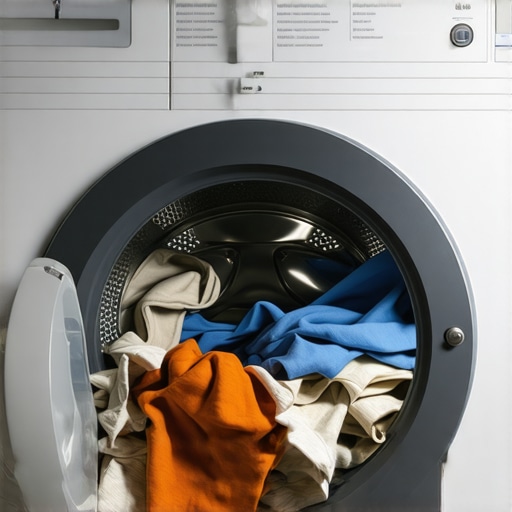
Ever had that moment where you pull out a freshly washed shirt—and notice it’s got more snags and tears than when it went in? I remember the sinking feeling—like my brand-new, high-efficiency washer was intentionally shredding my wardrobe. Turns out, I wasn’t alone. Many folks jump into these energy-saving marvels, only to discover they come with an unexpected cost: damaged clothes that look worse than when they started.
The Frustration of Clean, But Damaged Laundry
In my early days with a new high-efficiency washer, I couldn’t figure out why my favorite sweaters looked like they’d been through a war. The problem wasn’t the clothes or the dirt—rather, it was the machine itself. I quickly learned that while these washers promise lower water bills and eco-friendly operation, they sometimes tear clothes apart if not set up correctly. It’s like a miscommunication between an eager cleaner and delicate fabrics—one that usually stems from installation issues or wrong cycle choices.
Is Your Washer Really That Harsh or Just a Faulty Setup?
I used to think my washer was just rough on laundry, but after a few mishaps and some digging, I discovered that the real culprit was improper installation and usage. Early on, I made the mistake of skipping thorough installation checks—trust me, that was a mistake. Many assume installers handle everything, but a quick link to professional installation tips showed me that verifying connections and alignments is crucial for gentle, effective washing.
According to industry experts, improper setup increases the risk of clothes snagging, tearing, or even the washer leaking—significantly reducing the appliance’s lifespan and increasing repair costs. So, if you’ve been struggling with torn clothes from your new washer, it might be time to revisit installation essentials or consider a professional check-up.
But don’t worry—that’s what we’ll cover today. Understanding the common pitfalls and how to avoid them can save your laundry and your wardrobe. Ready to keep your clothes intact and your washer running smoothly? Let’s dive into the practical steps to protect your fabrics and ensure your high-efficiency washer works as intended.
**
Secure the Right Installation Starting Off on the Right Foot
Ensuring your washer is properly installed is crucial for fabric protection and optimal performance. First, thoroughly read the manufacturer’s installation instructions—don’t just skim. I once overlooked a simple leveling step, which caused my clothes to snag and tear. To avoid repeating my mistake, verify that the machine is perfectly level using a carpenter’s level, adjusting the feet accordingly. Connect the hoses tightly and check for leaks—this prevents water damage and ensures smooth operation. For detailed guidance, consult professional installation tips. Proper setup minimizes the risk of clothes getting caught or torn during cycles.
Use the Correct Cycles and Settings for Delicate Laundry
Choosing the right cycle can significantly extend the life of your garments. For fragile fabrics like sweaters or lace, select the delicate or wool cycle. I remember once accidentally washing a silk blouse on heavy-duty, which resulted in a sly tear. Modern washers often have sensors and cycle options tailored for delicate clothing—don’t skip them. Familiarize yourself with the user manual or online tutorials to maximize cycle features. Setting the water level appropriately also helps prevent clothes from getting caught or stretched. Remember, overloading the machine increases the chance of damage, so stick to the recommended load size for your model.
Maintain Your Washer Regularly to Prevent Damage
Regular maintenance is your best defense against appliance mishaps. Clear out the filter monthly—frozen or tangled lint can cause various issues, including uneven washing that might damage fabrics. Use a soft cloth to wipe the door seal and drum to remove residue and avoid mold growth. I use an inexpensive microfiber cloth combined with a vinegar solution—simple but effective. Additionally, inspect hoses for cracks or kinks that could cause leaks or uneven movement during operation. Routine checks help catch potential problems early, saving you repair costs and preventing fabric tears caused by machine vibrations or imbalances.
Schedule Professional Checks and Repairs
If the installer skipped critical steps or if you notice persistent issues like unusual noises or leaks, consulting a professional is essential. A well-trained technician can identify and fix misalignments or faulty components that could jeopardize your laundry’s safety. For urgent repairs, consider same-day service options with warranty support to minimize downtime. These experts are equipped to ensure your washer operates smoothly, preventing fabric damage in future cycles and extending the appliance’s lifespan.
Know When to Replace Parts or Call Experts
If your washer shows signs of worn-out components, such as a leaky hose or misaligned drum, DIY fixes may be insufficient. Instead, explore trusted local repair services that prioritize warranty-backed repairs. Timely professional intervention can stop fabric tears caused by irregular mechanical movements or broken suspension springs. Remember, attempting to repair complex parts without proper training might lead to more damage or void your warranty.
Many homeowners operate under common assumptions about appliance warranties and repair services that can sabotage their savings and peace of mind. Contrary to popular belief, having a warranty doesn’t guarantee flawless coverage unless you understand the fine print and the nuances involved.
One widespread myth is that all warranties automatically cover installation errors. In reality, many warranties explicitly exclude damages resulting from improper setup or installation mistakes. This misconception often leads consumers to blame defective products for issues actually caused by overlooked installation nuances. As highlighted by industry experts, ensuring expert installation is vital to avoid voiding warranties and facing costly repairs later. For advanced homeowners, paying attention to the specifics of your warranty agreement and following manufacturer guidelines can make a crucial difference.
Another trap many fall into is assuming that same-day repair services are always comprehensive and warranty-backed. In practice, quick fixes sometimes come from third-party technicians who might not follow proper diagnostic procedures, risking long-term damage. A common mistake is neglecting to verify whether the repair provider is authorized or offers warranty support. When scheduling repairs, referencing trusted sources like top tips for same-day service and warranty coverage can prevent unnecessary expenses.
Curiously, many overlook the importance of detailed documentation post-repair. Keeping records of repairs, parts replaced, and technician reports can be a lifesaver when filing warranty claims or disputing charges. Failing to do so is an ‘oops’ that could cost time and money if a problem persists or recurs.
A nuanced point often missed involves the difference between parts-only warranties and full-service coverage. Quick online searches or advice columns emphasize that parts warranties only cover the components, not labor, which can lead to surprise costs. Recognizing this distinction allows informed decisions—either to upgrade to comprehensive coverage or to request detailed quotes beforehand.
For those interested in the more technical side, consider this question: *How do variations in installation parameters influence the longevity of warranty coverage and repair success?* Advanced considerations include proper leveling, correct water line connections, and vibration dampening—all contributing factors to preventing damage and ensuring warranty validity. Experts suggest that a minor oversight in installation setup can be the reason a warranty becomes void, emphasizing the importance of professional, meticulous work.
To sum up, understanding the subtle yet significant aspects of appliance warranties, installation, and repair protocols saves money and avoids frustrations. For savvy homeowners, diving into these details—supported by expert guidance and trustworthy service—ensures peace of mind. Have you ever fallen into this trap? Let me know in the comments, and stay vigilant about these hidden nuances.
Maintaining your appliances effectively requires more than just knowing the basics; it involves leveraging the right tools and methods to ensure longevity and reliability. One essential tool I personally trust is a high-quality infrared thermocouple. I use it regularly to verify the temperature of heating elements, especially in ovens and dryers, ensuring they operate within safe and efficient ranges. This prevents overheating that could damage components or fabrics. Additionally, a digital multimeter is indispensable for diagnosing electrical issues—allowing me to pinpoint faulty sensors or motors quickly. For instance, testing the voltage supply to your washing machine’s motor can reveal issues before they lead to major breakdowns, saving both time and money.
Another tip I swear by is keeping a detailed maintenance log. Recording repair dates, parts replaced, and troubleshooting steps helps me spot patterns and plan proactive maintenance. Modern software apps can sync this info across devices, making it easy to track long-term results. Speaking of long-term, regularly updating your appliances’ firmware—when applicable—can provide security patches and performance improvements, extending their lifespan. Going forward, smart diagnostics in newer models are predicted to further simplify troubleshooting, acting as virtual repair assistants that guide you through routine checks and minor fixes.
How do I maintain my appliances over time?
Adopting routine inspection routines and using professional-grade tools are the best ways to keep appliances running smoothly. When facing more complex issues, don’t hesitate to schedule same-day service that includes a warranty-backed guarantee—this ensures repairs are done right the first time, minimizing the risk of recurring problems. Reliable services often come with diagnostic reports, which you can keep as part of your maintenance record, aiding future troubleshooting efforts. Remember, investing in proper tools and staying organized empowers you to handle minor repairs confidently, reducing reliance on costly professional interventions for minor issues.
## External Expert Tip
For an in-depth guide on maintaining appliances with precision, check out this expert guide. It covers the importance of proper installation techniques and routine checks—crucial elements for long-term appliance health. Try integrating a simple energy efficiency check using your multimeter this week; it’s a quick step that can reveal hidden issues lurking beyond everyday use. Taking proactive steps today can save you significant repairs down the line, ensuring your appliances serve you reliably for years to come.
Throughout my years dealing with appliances, I’ve realized that the real lessons often come from the mistakes we make and the lessons we overlook. One revelation that transformed how I approach appliance maintenance is understanding that meticulous setup and attentive care are the foundation of longevity. I once assumed that installers would handle every detail, but taking the time to double-check every connection, leveling, and cycle setting saved me from countless headaches—and costly repairs. Trust me, learning to listen to your machine’s subtle signs and staying proactive with maintenance can prevent minor issues from snowballing into major disasters.
The Hidden Truths That Shake Up Conventional Wisdom
- Don’t overlook the power of proper installation. Rushing or skipping steps can void warranties and cause long-term damage, as I learned the hard way. Applying the right procedures ensures your appliance works gently and efficiently, protecting your fabrics and your wallet. Expert installation tips are worth reviewing before your next setup.
- Cycle selection is game-changing for delicate clothes. Using the wrong setting can damage expensive fabrics without you realizing it. Taking the time to understand your machine’s features and load capacities can extend the life of your wardrobe and keep your garments looking new. Dive into user manuals or tutorials to unlock these subtle but powerful advantages.
- Regular maintenance beats costly repairs. Cleaning filters, inspecting hoses, and keeping seals in check ensure your appliances run smoothly and quietly. It’s like giving your machine regular health check-ups, which prevents unexpected breakdowns and fabric tears. A simple routine now can save hundreds later.
- Professional help is an investment, not an expense. When issues arise beyond your skill level, trusting certified technicians ensures repairs are done right the first time. They can identify small misalignments or worn parts that might cause fabric damage—and do so under warranty coverage to protect your investment. Don’t hesitate to seek expert advice; it often saves money and stress in the long run.
My Secret Arsenal for Lifelong Appliance Confidence
- Reliable diagnostic tools. I swear by a high-quality infrared thermocouple and a digital multimeter. These tools help me verify heating performance and electrical health, catching problems early. This comprehensive guide deepened my understanding of appliance diagnostics.
- Documentation magic. Keeping detailed logs of repairs, parts, and settings empowers me to manage warranties and plan timely maintenance. It’s like having a health record for your appliances, increasing your confidence with each troubleshooting step.
- Continuous learning. Reading the latest on warranty policies and appliance innovations keeps me ahead of potential pitfalls. For example, understanding your warranty’s fine print can prevent unexpected costs and voids, turning you from a passive user into an informed advocate for your appliances.
You’re Ready to Own Your Appliance Journey
Embrace these insights, and you’ll find that caring for your appliances becomes less about reactive repairs and more about proactive stewardship. The rewards extend beyond a smoothly functioning kitchen or laundry room; they include peace of mind, savings, and the satisfaction of mastering your home environment. Remember, every minor effort now is an investment in a future where your appliances serve you reliably and safely. Do you have your own appliance wisdom to share? Let me know below—your experience might inspire someone else to avoid costly mistakes and enjoy their appliances more confidently.