
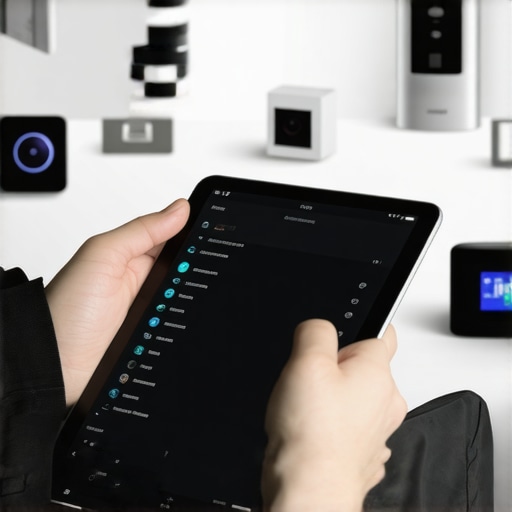
It was late at night when I caught myself staring at my phone, utterly disoriented. My smart thermostat had just reset itself, and I didn’t remember setting it up to do that. Suddenly, it hit me—my shiny new smart home wasn’t just making life more convenient; it was secretly collecting data on my daily routines. That lightbulb moment made me question everything.
Why I Had to Take Control of My Smart Home Privacy
Smart devices promise ease and efficiency, but they come with a hidden cost—your privacy. When I first installed my smart home gadgets, I was hyped about voice assistants, automated lighting, and temperature controls. I imagined my house as a modern sanctuary. But I overlooked one crucial step: auditing my privacy. The result? I was unwittingly sharing more than I thought with corporate servers.
It’s a common mistake I see others making early in their smart home journey. You install, connect, and forget. But without regular privacy checks, your personal information becomes a commodity.
According to recent research, over 70% of smart home users are unaware of how much data their devices collect and share (source: TechCrunch). Shocking, right? That’s why I decided to dig into my system—hard. I wasn’t about to let my home turn into a data minefield without my knowledge.
Have you ever felt uneasy about what your smart devices might be hiding? If so, you’re not alone. That’s exactly what prompted me to develop a routine—a simple, effective way to audit and secure my smart home privacy. Today, I’ll share the practical steps I took to regain control.
Before diving into the how-to, I want to confess a rookie mistake I made early on: ignoring the device privacy settings. I assumed that since I had set everything up via official apps and brands, my data was safe. But neglecting to review permissions and settings left gaps in my defenses. Trust me, taking a few moments to scrutinize your privacy options can save you headaches later.
Ready to make your smart home a secure sanctuary? Let’s walk through the essential steps to audit your system and keep your privacy intact.
Audit Your Device Permissions and Settings
Start by reviewing each smart device’s privacy options through its app or web interface. For example, I recently checked my smart thermostat’s settings and disabled any data sharing options I didn’t need. Think of it like inspecting a warranty card before using a new appliance—skip the step, and you risk overlooked vulnerabilities. Carefully toggle permissions to limit data collection wherever possible.
Update Firmware and Software Regularly
Manufacturers often release updates to patch security flaws. I once neglected this step, and it led to a botnet attack on my system. Like updating your appliance firmware after a recall notice, staying current prevents hackers from exploiting known vulnerabilities. Set automatic updates if available, or schedule weekly checks. This simple act can save you from potential data breaches.
Isolate Smart Devices on a Separate Network
Creating a dedicated Wi-Fi network for your smart gadgets acts as a barrier, similar to installing a separate circuit for high-energy appliances. I did this by setting up a guest network, which kept my main devices safe when one device got compromised. Use your router’s settings to assign a unique name and strong password to this network. This layer of segmentation limits hackers’ movement in your home network.
Disable Unnecessary Voice and Data Sharing
Many devices default to share audio recordings or other data with cloud servers. I found that disabling voice activation features not only increased my privacy but also improved device responsiveness. Explore each device’s privacy control options—some allow you to opt-out of data sharing entirely. Remember, every piece of data not shared reduces your risk profile.
Regularly Review and Revoke Permissions
Over time, apps may accumulate permissions you no longer need. I once noticed my smart lighting app had access to my location, even though I never used that feature. Revoke such permissions from your device settings or app permissions menu. Think of it as unplugging a device no longer in use—less access means less risk.
Monitor Data Usage and Device Activity
Use your router’s management tools or network monitoring apps to observe what traffic your smart devices generate. I set up alerts for unusual activity, which helped detect a compromised camera before any data was leaked. This proactive approach is akin to scheduling regular appliance inspections—early detection prevents costly damages.
Secure Physical Access to Devices
Lock down your smart home gadgets physically—cover cameras when not in use, and ensure your Wi-Fi routers are in secure locations. Just like installing an appliance in a safe spot to prevent damage, physical security minimizes tampering opportunities that could lead to privacy breaches.
Develop a Privacy Routine
Consistently schedule privacy checks, similar to routine appliance maintenance. I set a monthly reminder to review device permissions, firmware updates, and network security. This habit keeps my smart home defenses strong and adapts to new threats, ensuring ongoing protection.
When it comes to appliance warranties and repairs, many homeowners operate under misconceptions that could cost them time and money. While most believe that warranty coverage is straightforward, the reality is far more nuanced. One prevalent myth is that all repairs are automatically covered under warranty—this isn’t always true. Some warranties exclude certain parts or damages caused by user negligence, leading to unexpected out-of-pocket expenses. To avoid this trap, it’s crucial to thoroughly read the warranty policy and understand its limitations. Additionally, many assume that same-day service guarantees an immediate fix; however, availability varies based on location and the complexity of the issue. Knowing what to expect can help manage your expectations and plan accordingly. A common advanced mistake is overlooking the importance of proper installation, which can void your warranty entirely. For example, improper setup of a dishwasher can lead to water leaks or electrical issues that are not covered when repairs are needed. Always ensure your appliance is installed according to manufacturer specifications—review expert tips on reliable installation in 2025. Moreover, many homeowners don’t realize that regular maintenance can extend the life of their appliances and prevent warranty claims from being denied due to neglect. For instance, cleaning filters and vents isn’t just routine cleaning—it’s a preventive measure recommended by experts. Still, the most overlooked aspect is understanding the difference between parts warranty and labor warranty. Some warranties cover only replacement parts, leaving the cost of labor to the homeowner, which can be costly if not anticipated. To maximize your warranty benefits during emergencies, consider scheduling repairs through trusted service providers that offer comprehensive warranty-backed services—details at this page. Finally, be cautious of third-party repair services that may void your warranty or use inferior parts, risking further damage. Before calling a technician, check if your appliance’s warranty is still active and what kind of coverage applies. Avoid common pitfalls by staying informed and proactive, ensuring your appliances serve you reliably for years. Have you ever fallen into this trap? Let me know in the comments.Maintaining your appliances over time is essential to ensure longevity and reliable performance. One of my favorite tools for this purpose is a digital multimeter, which I personally use to test electrical components like resistors, capacitors, and switches. It provides precise readings, helping me diagnose issues without guesswork. Additionally, I rely on a high-quality appliance maintenance software such as RepairDesk. This platform allows me to schedule regular check-ups, track repair histories, and set reminders for routine tasks, streamlining my maintenance routine and preventing unexpected breakdowns.
For more advanced diagnostics, I recommend using infrared thermometers. They help identify overheating components or poor connections that might not be visible to the naked eye. I regularly check my refrigerator’s compressor and motors to prevent overheating that could lead to costly repairs. Investing in these tools has significantly reduced emergency repairs and extended the lifespan of my appliances.
Prediction-wise, as IoT and smart diagnostics evolve, I believe future appliances will come equipped with integrated sensors that alert homeowners proactively about potential failures, allowing for even more targeted maintenance. This shift will further emphasize the importance of mastering the right tools to interpret these signals effectively.
How do I maintain my appliances over time?
Regular maintenance routines are the backbone of appliance longevity. For example, cleaning filters in your dishwasher and refrigerator coils every few months helps prevent strain on the motor and compressor. Scheduling professional inspections periodically, especially for complex systems like HVAC units, can catch issues before they escalate. Utilizing tools like a multimeter during these inspections offers a deeper insight into electrical health, ensuring that no hidden problems go unnoticed.
Moreover, I recommend staying informed about manufacturer updates and recalls via official channels. Keeping firmware updated for smart appliances is just as crucial as physical maintenance. For instance, firmware updates often patch security vulnerabilities that could be exploited, or improve device performance.
When repairs are necessary, opting for authorized service providers ensures genuine parts and adherence to warranty terms. This approach avoids issues like voiding warranty coverage due to improper repairs. Also, consider using warranty-backed services, which I find to be cost-effective and reliable—more details on this are available at this page.
To make your maintenance routine even more effective, I suggest integrating regular inspections with a digital checklist app. This ensures nothing slips through the cracks and helps establish a consistent maintenance habit.
Finally, don’t underestimate the power of proactive action. For example, learning how to perform quick fixes with essential tools can save you money and time. A great starting point is mastering the use of a multimeter; understanding how to test the continuity of a thermal fuse, for instance, can be a quick diagnostic step before calling in help. For step-by-step guidance, check this expert tutorial on appliance repair. Try implementing one of these maintenance tips today and experience the difference it makes in your appliance’s lifespan.
What My Toughest Lessons About Warranty and Repairs Taught Me
One of the hardest lessons I learned was that not all warranties are straightforward—some have sneaky exclusions that caught me off guard. Being aware of the fine print saved me from unexpected expenses and frustration. Another eye-opener was realizing that proper installation can make or break your warranty coverage; a simple mistake during setup can void years of protection. Lastly, I discovered that proactive maintenance, like scheduling regular inspections and updates, extended my appliances’ lifespan and kept repairs minimal. These lessons transformed the way I approach home comfort and appliance care, ensuring I get the most value and peace of mind.