
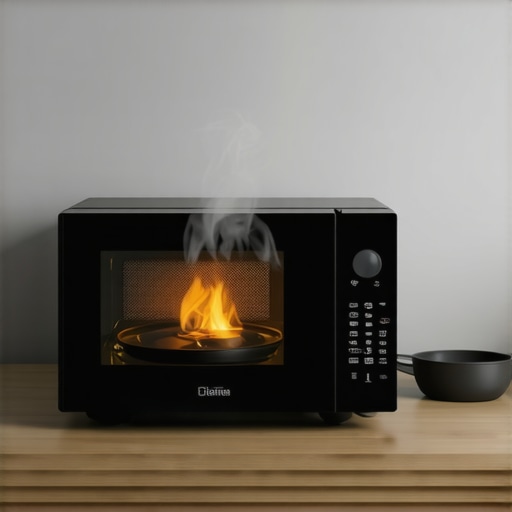
Ever had that moment where you push the power button on your microwave, only to be greeted by a strange burning smell? It’s a sinking feeling—like something’s gone terribly wrong, but when you open the door, everything looks fine. I remember the first time it happened to me; I stared at my microwave, convinced I was about to start a fire in my kitchen. Turns out, this unsettling smell isn’t just a fluke—it’s a common problem with real causes, and knowing how to handle it can save you time, money, and a potential kitchen disaster.
Addressing the Mystery of That Burning Smell
When your microwave emits a burning odor—even when it’s empty—it can be downright confusing. You might think, How can it burn without anything inside? Well, it’s a sign that there’s something deeper going on beneath the surface—like grease buildup, electrical issues, or worn-out components. Rejecting the issue or ignoring it could lead to bigger problems, including appliance failure or safety hazards. Today, I want to walk you through why this happens and, more importantly, how to fix it before it escalates.
Is It Just a Skipped Maintenance Routine?
One mistake I made early on was ignoring regular cleaning. Microwaves are notorious for accumulating food splatters and grease over time, especially if you’re like me and tend to forget to wipe them down regularly. This grime can overheat, produce a burning smell, and even cause minor electrical issues if left unchecked. Regular cleaning with a mild dish soap and vinegar solution can make a significant difference—and if your model has a ventilator filter, replacing it periodically can prevent lingering odors.
If you’re unsure about whether your microwave needs a professional check-up, consider consulting an expert—sometimes what seems like a minor issue might be a sign of a developing problem that requires expert intervention. You can learn about what to expect from professional appliance repair services to keep your appliances running smoothly and safely.
So, if your microwave smells like it’s burning—even when empty—don’t dismiss it as harmless. It’s a signal that deserves attention. But what’s the exact cause, and how can you tackle it effectively? Let’s delve into practical solutions so you can get back to safely using your microwave without worry.
Unplug and Inspect Your Microwave
Immediately unplug your microwave to prevent any electrical hazards. Remove the turntable and interior components, then inspect for food debris or grease buildup, which often cause burning odors. Use a damp cloth with vinegar to clean stubborn stains. I once found a dried spaghetti strand stuck at the bottom, which burned during operation; cleaning it prevented future smells.
Deep Clean the Interior Thoroughly
Use Appropriate Cleaning Solutions
If initial cleaning isn’t enough, mix equal parts vinegar and water in a microwave-safe bowl, then heat it for 3-5 minutes. The steam loosens grime, making it easier to wipe away. I ran this method, and it removed the stubborn burnt smell within minutes, restoring my microwave’s fresh scent.
Check and Replace the Vent Filter
Many microwaves have a vent filter that traps grease and odors. Locate it (consult your manual), remove, and replace it if dirty or clogged. A clogged filter can cause smells to linger or worsen. Replacing it is straightforward, and many models require just a few screws. I replaced mine last year, and it significantly improved odor control.
Inspect Electrical Components for Damage
If cleaning doesn’t resolve the smell, it might indicate an electrical issue. Look for burnt wires or scorched areas around the magnetron or capacitor. If unsure, avoid DIY fixes—faulty wiring poses safety risks. Contact a professional repair service through expert repair guides or schedule a visit for a thorough diagnosis.
Schedule a Professional Repair or Replacement
If the smell persists after cleaning and inspection, it’s time to consult experts. They can identify hidden issues like failing components or electrical faults. For timely service, consider same-day repair scheduling. During urgent repairs, ask if the technician offers warranty-backed services to protect your investment, like those outlined at warranty-backed options. My last repair included a parts warranty, giving peace of mind and avoiding future costs.
Prevent Future Odors and Maintain Safety
Regularly clean your microwave, avoid overcooking greasy foods, and check ventilation filters periodically. Proper maintenance not only prolongs the appliance’s lifespan but also ensures safety. If you notice recurring issues or electrical anomalies, don’t delay professional assistance. Visit this checklist to verify if repair is needed before calling technicians.
Being proactive with maintenance and timely repairs helps avert hazards like fires or electrical failures. Remember, when in doubt, professional help is your safest choice—both for your home and your peace of mind.
Many homeowners operate under misconceptions about appliance repair and maintenance that can lead to costly mistakes. For instance, it’s common to assume that requesting same-day service automatically guarantees the best care, but in reality, rapid response doesn’t always mean thorough diagnosis. Professionals may rush to meet tight schedules, sometimes overlooking subtle issues that can cause future failures. Evidence from industry experts suggests that a balanced approach—prioritizing quality over speed—ensures long-term reliability. Additionally, many overlook the nuances embedded in appliance warranties, such as the fine print that excludes routine maintenance or specific parts. This oversight can result in denied claims when unexpected breakdowns occur. For example, a widespread myth is that warranty coverage includes all repair costs, but most plans only cover major components, leaving you vulnerable to minor but impactful damages. An often-missed detail is that submitting a warranty claim without proper documentation or following proper procedures can disqualify your request, increasing repair costs. Advanced installers and repair technicians understand these subtle yet critical distinctions and actively educate homeowners on avoiding these pitfalls. Remember, a professional installation using certified technicians not only adheres to safety standards but also maximizes warranty eligibility, offering peace of mind. Let’s consider the pitfalls of superficial fixes: jumping to quick repairs without verifying underlying issues can cause recurring problems, which might ultimately nullify warranty benefits. The key lies in understanding the true scope and limitations of your coverage and partnering with trustworthy service providers—look for companies that emphasize transparency and comprehensive support, such as those offering warranty-backed services. Always ask critical questions before scheduling repairs, like whether the technician will conduct a thorough diagnostic to uncover hidden flaws, or if the quote includes parts and labor or potential extras. Remember, the quality of installation and repair directly influences your warranty’s value, so don’t settle for the quickest or cheapest option. For the savvy homeowner, selecting a service that emphasizes clarity and professionalism is paramount. Have you ever fallen into this trap? Let me know in the comments. Being informed about these nuances empowers you to make smarter decisions, extend the lifespan of your appliances, and avoid unnecessary expenses—an essential part of maintaining a safe and efficient home.
Keep It Running with the Right Tools
Maintaining appliances effectively requires more than just common sense; it demands precision tools that can diagnose and resolve issues efficiently. Personally, I swear by a digital multimeter for electrical testing—it’s indispensable for verifying voltage levels and detecting faulty wiring before proceeding with repairs. Additionally, a high-quality cordless drill with various screwdriver bits speeds up disassembly and reassembly, saving me valuable time. For cleaning, I always keep a microfiber cloth, a soft brush, and a vinegar-based cleaner on hand; these help me maintain parts without risking damage while preventing grime buildup that can cause long-term issues.
The Importance of Software and Diagnostics
In the digital age, many modern appliances come equipped with built-in diagnostics accessible via manufacturer apps or control panels. I regularly connect to these diagnostic modes to identify error codes proactively, which allows me to anticipate failures before they escalate. Using manufacturer-specific software, such as Whirlpool’s remote diagnostics, helps ensure accurate fault detection and reduces the need for unnecessary part replacements. As technology advances, I predict that integration with smart home systems will become standard, allowing technicians to run remote diagnostics and schedule repairs more efficiently—minimizing downtime and ensuring continued long-term performance.
How do I maintain appliance longevity and reliability?
Consistent, preventive maintenance is key. I recommend setting up a routine schedule to check filters, clean vents, and inspect seals—little tasks that prevent big failures. For example, regularly replacing vent filters prevents overheating and reduces energy consumption, which I detail in this guide on reliable installation. Keep an eye on error messages or unusual noises, and don’t delay calling a professional if you spot signs of trouble. Remember, timely intervention not only preserves your appliance’s warranty coverage but also prolongs its lifespan. For urgent issues, consider scheduling a [same-day repair](https://discountappliancehub.com/scheduling-your-appliance-repair-for-same-day-service-in-2025) to address problems before they become costly repairs. Investing in quality tools and diagnostics today pays off by avoiding future downtime and expenses.
If you’re ready to take your maintenance skills up a notch, try using a digital multimeter to troubleshoot electrical components like switches or capacitors. It’s a simple step that can save you time and money, especially if combined with regular cleaning routines. Remember, a proactive approach powered by the right equipment is your best defense against unexpected appliance breakdowns. For more in-depth tips, don’t hesitate to consult expert guides or contact professionals through our contact page.
What Nobody Tells You About Appliance Repair Timelines
One of the biggest lessons I’ve learned is that rushing to get a technician quickly often leads to overlooking the true cause of an issue. I used to prioritize same-day service, believing speed was everything, but I soon realized that deep diagnostics take time, and shortcuts can cost more in the long run. Building a relationship with a trustworthy repair professional who values thoroughness over speed has saved me money and stress. So, don’t be afraid to ask if they plan to run a complete diagnosis before jumping to fixes—quality over haste is key.
My Trusted Tools for Troubleshooting Without Guesswork
Over the years, I’ve assembled a small toolkit that makes diagnosing appliances much more manageable. A digital multimeter has become my best friend, helping me verify voltage issues before disassembling any parts. I also swear by a good set of screwdrivers and spray-on cleaner designed for electronics. Knowing exactly what’s wrong saves me from unnecessary repairs and helps me communicate better with professionals. For anyone wanting to troubleshoot their microwave or other appliances confidently, investing in these tools is a game-changer.
The Hidden Perils of Ignoring Signs of Electrical Wear
One personal revelation was realizing extremely subtle electrical smells or occasional sparks aren’t normal—they are alarms alerting you to imminent failure. Ignoring these symptoms might seem harmless at first, but they can develop into complete short circuits or even fires. I learned to inspect and address electrical issues promptly or contact experts through professional guides. Prevention through early detection truly pays off in safety and saved costs, especially when dealing with high-voltage components in appliances like microwaves.
Keep Your Warranty Language in Mind Before Calling
Unexpectedly, I discovered that many warranty plans exclude routine maintenance, like cleaning or filter replacements, which can void coverage if neglected. Understanding the fine print of your appliance’s warranty can mean the difference between covered repairs and costly out-of-pocket expenses. When I scheduled my last repair, I made sure to document everything and follow the manufacturer’s guidelines, as advised by warranty experts. Being proactive about coverage helps ensure repairs are truly protected and prevents surprises when you need help most.
Takeaway: Be Proactive, Not Reactive
My biggest tip for homeowners dealing with appliance issues is to stay vigilant and maintain a routine. Whether it’s cleaning grease filters, inspecting electrical cords, or listening for unusual sounds, daily awareness can prevent bigger disasters. Remember, the moment you notice a smell or strange behavior, acting swiftly—whether through DIY troubleshooting or professional help—keeps your appliances running safely and extends their lifespan. For immediate assistance with problems like a burning microwave smell, schedule a same-day repair through reliable service providers. What minor issue have you overlooked that turned into a bigger problem? Share your experience below—I’d love to hear your story.