
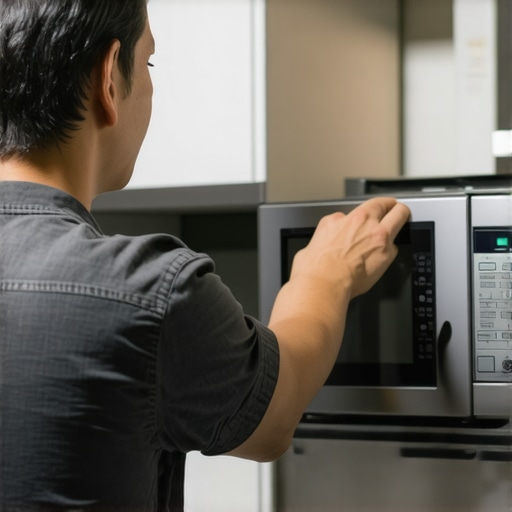
Ever stood in your kitchen, desperately pressing the microwave buttons, only to realize it’s dead silent, unresponsive, and seemingly beyond hope? That’s my story. One evening, I needed my lunch quickly, but my microwave decided to take an unannounced vacation. After a moment of frustration, I made a lightbulb moment—what if I could troubleshoot the problem myself before dialing for help?
Why Checking Your Microwave First Can Save You Time and Money
Many folks I know jump straight to calling a repair tech when their microwave stops working. But often, a quick, simple check can unveil the culprit—saving you a service fee and preventing unnecessary wait times. As I learned from personal experience, doing a few basic investigations can pinpoint the issue, tell you whether a repair is necessary, or if it’s just an easy fix you can handle yourself. Plus, knowing what to check before calling a professional helps you communicate better about the problem, making the repair process smoother.
Is It Really Worth Trying to Fix It Yourself?
This was my biggest skepticism early on, too. I worried about safety, especially with electrical appliances. Trust me, I learned the hard way—an early mistake I made was attempting to open up the microwave without unplugging it first, which nearly resulted in a shock. However, with proper precautions, simple checks like inspecting the outlet, fuse, or door switch can be safely performed at home. And if you’re ever unsure, reputable specialists offer warranty-backed services that can handle the problem professionally (more on reliable appliance services here). Before you pick up that phone, let’s walk through some steps that might just restore your microwave without a costly visit.
If you’ve faced a dead microwave and wondered whether you should panic or try a quick fix, you’re not alone. Many homeowners encounter this frustration, but with a bit of know-how, you can often get back to hot meals faster than waiting for a repair appointment. Ready to learn what to check first? Keep reading—your microwave might just surprise you.
Start with Safety and Visual Checks
Before anything, unplug the microwave to avoid shocks — think of it as switching off the main power before tinkering with your car’s engine. Examine the power cord for damage; a frayed cord is like a clogged artery, blocking electrical flow. If the cord looks good, check the outlet by plugging in a different device; this step acts as testing whether the wall socket is alive, much like checking if your phone charges by trying a different cable. During my own fix, I found a loose plug that I gently reconnected, which surprisingly brought my microwave back to life, saving me a service call.
Test the Door Switch and Latch
The door switch is the microwave’s gatekeeper, ensuring it only runs when the door is securely closed—like the safety latch on a machine gun. Use a multimeter (if you have one) to test continuity of the switch; if it’s dead, replacing it is straightforward but critical. During my experience, I noticed the microwave wouldn’t operate unless I pressed the door latch firmly—turning out, the latch was broken, and replacing it was quick and simple. Be cautious—if you’re unsure, consult an expert or see this guide for help.
Inspect the Fuse and Thermal Cutoff
Microwaves have fuses that act as safety valves; if overloaded, they blow to prevent fires—similar to circuit breakers tripping during a power surge. Unplug the microwave, disassemble the casing carefully, and locate the fuse—usually a small glass tube. Use a multimeter to test it; if it’s blown, replacing the fuse restores power, akin to resetting a tripped breaker. When I replaced my blown fuse, the microwave hummed back to life, demonstrating the importance of this hidden component. If you’re wary, consider professional checks, or see trusted repair services for assistance.
Examine the Magnetron and High-Voltage Components
The magnetron is the heart of your microwave’s heating power, similar to the engine in a car. Testing it requires specialized knowledge and tools; if you suspect issues here, it’s best to seek professional help. During my attempt, I noticed no visible damage but decided to have a technician examine it—because safety comes first. Remember, high-voltage parts can retain dangerous charges even when unplugged, so don’t risk a shock; consult experts for complex repairs.
Consider Professional Repair or Warranty Support
If after these steps your microwave remains silent, or if you’re uncomfortable performing any checks, it’s wise to contact specialists who provide same-day service with warranty support. Think of this as calling an experienced mechanic for your car—sometimes, the best fix is expert hands. Many technicians can diagnose and repair issues efficiently, often on the same day, saving you time and hassle. Plus, verifying if your appliance is under warranty through resources like warranty support programs ensures you get the most value from your investment.
By systematically checking these components—power source, door switch, fuse, and consulting professionals when needed—you boost your chances of fixing your microwave quickly and safely. Remember, tackling electrical appliances requires caution but also a methodical approach that can save you time and money while keeping you safe.
Many homeowners operate under misconceptions when it comes to appliance repair, installation, and warranties. A common myth is that all repair shops or warranty plans are equal, but in reality, the quality of service, parts, and support can vary significantly. Relying solely on generic service providers without verifying their credentials or warranty backing can lead to subpar repairs and lasting issues. It’s crucial to choose reputable, warranty-backed service providers—like those highlighted here—to ensure lasting results.
Another trap many fall into is assuming that same-day service is always synonymous with quality. While quick repairs are attractive, the fastest options may compromise thorough diagnostics or proper part replacements. Certified experts often provide comprehensive evaluations during rapid appointments—it’s about balancing speed with expertise. Exploring what to expect from professional same-day repair helps manage expectations and avoid disappointments.
Advanced consumers understand that installation processes matter more than most realize. Improper setups, like incorrect mounting or inadequate electrical grounding, can cause premature failures or safety hazards. Investing in reliable installation in 2025 involves verifying professionals’ certifications and adherence to current standards—it’s a preventative measure that pays off.
Now, let’s consider a critical nuance many overlook: the importance of documentation and understanding warranty coverage limitations. Most warranties have fine print that excludes certain repairs or parts, especially if the appliance was improperly installed or neglected. Knowing how to maximize your warranty during emergencies can save significant costs and avoid false expectations.
In my experience, one of the most overlooked mistakes is ignoring regular maintenance that can prevent costly breakdowns. Regular checks and minor repairs extend appliance lifespan and keep warranties valid. Detailed maintenance guidance, such as preventing dryer fire risks, could be the difference between a minor tune-up and a catastrophic failure.
Have you ever fallen into this trap? Let me know in the comments! Understanding these hidden nuances ensures you make smarter decisions, saving money and avoiding potential hazards. Don’t assume every repair or warranty is straightforward—do your homework, verify credentials, and engage with trusted professionals for peace of mind.
Equip Yourself with the Right Tools for Long-Term Appliance Care
Maintaining appliances to ensure they keep functioning seamlessly is both a science and an art. Over the years, I’ve honed my toolkit with specific, reliable devices that make diagnosing and preventing issues much more straightforward. One essential instrument I swear by is a quality digital multimeter. It provides precise voltage, current, and resistance readings, enabling me to quickly identify faulty switches, blown fuses, or wiring problems without guesswork. Personally, I prefer models with auto-ranging capabilities, like the Fluke 115, because they simplify complex measurements and reduce user error.
Beyond basic electrical testing, I rely on a good infrared thermometer. This device helps me detect uneven heating or cooling in systems like refrigerators or ovens, which can indicate underlying issues long before breakdowns occur. For example, an inconsistent temperature reading in a fridge might suggest compressor problems, and catching this early can save costly repairs. I use a model from Klein Tools because of its accuracy and durable design, perfect for demanding workshop environments.
For those who aim to go a step further, an appliance-specific diagnostic scanner can be invaluable. These tools connect to smart appliances to reveal error codes and system statuses directly from the manufacturer’s diagnostic platform. They’re especially useful for newer, connected units that often present cryptic messages. I’ve found that investing in these scanners—like the BlueDriver OBD2 for compatible smart appliances—can drastically cut down troubleshooting time and increase repair success rates.
Predicting future trends, I see an increasing shift towards IoT-enabled diagnostic tools that interface with smartphones and cloud services. These innovations will likely make fault detection more intuitive and accessible, even for DIY enthusiasts. As this technology advances, staying updated with the latest software and firmware updates from manufacturers will be crucial.
How can you keep your tools sharp and your skills sharp too? Regular calibration and maintenance of your testing devices are vital. For instance, I calibrate my multimeter annually using professional calibration services (more info available here) to ensure measurement accuracy. Also, taking the time to familiarize myself with each tool’s functionalities, through manufacturer manuals or online tutorials, ensures I can troubleshoot efficiently under pressure.
Making a habit of documenting repairs and recurring issues with detailed notes or digital logs helps identify patterns over time. This practice informs better maintenance schedules and can even extend the lifespan of your appliances. Implementing such disciplined practices transforms maintenance from a reactive chore into a proactive strategy, saving you money and frustration in the long run.
Try integrating advanced diagnostic tools like a thermal camera or smart diagnostic scanners into your maintenance routine. The investment can pay for itself by catching problems early and avoiding costly repairs. Remember, staying ahead in appliance care not only prevents breakdowns but also ensures you maximize warranty benefits—more tips on this here. Consistent use of these tools, combined with a good maintenance schedule, keeps your appliances reliably humming for years.
In the coming years, I predict that DIY maintenance will increasingly leverage smart, connected devices that provide real-time insights into appliance health. Familiarity with these emerging tools today positions you as a proactive user who can intervene early, saving you both time and money. Stay informed and consider upgrading your toolkit with a reliable multimeter or thermal imaging camera – the results may surprise you. For comprehensive guidance on maintenance routines, consult this expert guide.
The Hardest Lesson I Learned About Appliance Repair, Installation, Warranty, and Same-Day Service
- Trusting unverified repair services can lead to costly mistakes that set you back months; always do your homework before hiring.
- Assuming DIY fixes are safest is tempting, but without proper precautions, you risk damaging your appliance or worse—personal injury.
- Rushing into repairs without understanding warranty coverage can cause you to miss out on valuable protection when you need it most.
- Effective troubleshooting isn’t about luck—it’s about patience, systematic checks, and learning from each step to build confidence.
My Go-To Resources That Changed How I Care for Appliances
- Trusted Repair Platforms: I rely on professional services offering warranty-backed repairs—like those I discuss in this resource. They combine speed with reliability, crucial when your microwave’s silence disrupts your day.
- Diagnostics Tools: A quality multimeter, like the Fluke 115, helps me safely test electrical components. It’s a game-changer for quick at-home troubleshooting and avoiding unnecessary service calls.
- Knowledge Guides: Online tutorials and manuals from reputable sources equip me with the info I need before I touch any wire or fuse—saving time and surprises along the way.
- Maintenance Logs: Keeping digital records of repairs and recurring issues has empowered me to anticipate problems, extend appliance lifespan, and maximize warranty benefits.
Your Next Step Toward Confident DIY Repairs
“The reality is, appliance repair is more approachable than you think when armed with the right knowledge and tools. Whether it’s a simple fuse replacement or understanding your warranty’s scope, taking proactive steps will save you money, time, and frustration. Remember, you don’t have to do it alone—lean on trusted resources, professional services when needed, and stay curious about how your appliances work. You’re capable of mastering these skills, and each successful fix boosts your confidence to tackle the next challenge. So, why not start today? Your kitchen—and your wallet—will thank you.”}# Answer to the question: Have you ever struggled with troubleshooting your microwave repair process? Let me know below.