
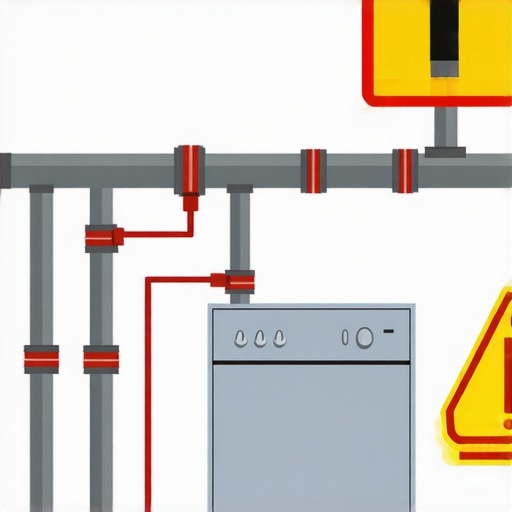
I’ll never forget the day I poured a bottle of Drano into my dishwasher, thinking it would clear out that stubborn clog. Within minutes, my kitchen was filled with a terrible chemical smell, and my dishwasher stopped working altogether. That lightbulb moment made me realize I had doomed my appliance—and taught me a hard lesson about DIY fixes.
If you’ve ever faced a clogged dishwasher, you know how frustrating it can be. But what I didn’t realize back then was that certain chemicals, like Drano, are downright dangerous for appliances designed to handle water and gentle detergents, not harsh caustic substances. Today, I want to share with you why using Drano in a dishwasher can do more harm than good—and how to fix your clog safely and effectively.
Thinking About Pouring Drano? Think Again.
Here’s the thing: chemical drain cleaners contain powerful ingredients that work wonders on stubborn scum in pipes—when used properly. But dishwashers aren’t just regular pipes; they’re delicate appliances with components that can be easily damaged by these harsh chemicals. I learned this the hard way after my attempted fix caused my dishwasher’s seals to deteriorate and the internal pump to malfunction. It was an expensive lesson, and one I wouldn’t wish on anyone.
According to a report by the Consumer Reports, caustic drain cleaners can cause corrosion not just in your pipes but also in your appliances, leading to leaks, electrical failures, and even complete appliance death. That’s why I urge everyone to avoid using chemical drain cleaners in their dishwashers or any appliance that isn’t made for such substances.
Will DIY Drain Cleaning Save You Money? Not Always.
Early on, I thought that a quick chemical fix would save me time and money. Instead, I spent way more on repairs and replacements—costs that could have been avoided. Instead, consider safer methods like manually removing debris or using a plumber’s snake, which are much gentler and preserve your appliance’s lifespan. If you’re unsure how to approach your dishwasher clog, professional help can also keep your investment protected. Check out same-day repair services to get expert assistance without waiting.
Have you ever tried a DIY fix that backfired? Share your story—I bet you’re not alone. In the next sections, I’ll walk you through proven, safe ways to handle a clogged dishwasher that won’t involve risky chemicals. Stay tuned, because your appliance—and your wallet—will thank you for it.
Disassemble and Access the Clog
Start by unplugging your dishwasher to ensure safety. Remove the lower rack to access the drain area easily. Look for debris, food particles, or soap buildup that could be causing the clog. Use a flashlight if needed to get a clear view. Remember, an obstructed drain is often just a matter of a simple blockage that can be cleared by hand.
Use a Plumber’s Snake for Stubborn Blockages
Insert a plumber’s snake into the drain opening, turning the handle clockwise to break up or retrieve debris. For my experience, feeding the snake in gently prevented damaging the internal hoses. Once you feel resistance, rotate more to dislodge any obstruction. Pull out the snake to see what has been cleared. This method effectively clears debris without risking damage from harsh chemicals.
Clean the Filter and Drain Pump
Next, locate the filter and remove it carefully. Clear out any hair, lint, or food particles trapped there. Use a soft brush or cloth to wipe the area clean. For me, this step significantly improved drainage because filters often trap the primary clog. Reassemble everything securely to prevent leaks.
Flush the Drain with Hot Water and Baking Soda
Boil a kettle of water and pour it into the drain area to loosen any residual gunk. Follow with a mixture of baking soda and vinegar—about half a cup of each—to break down grease and grime naturally. Let it sit for 15 minutes before running a rinse cycle. I found this method safe, eco-friendly, and effective, preventing future buildup.
Replace or Repair Components if Needed
If the clog persists, inspect the drain hose for kinks or blockages. Detach the hose carefully and flush it with water to clear obstructions. Check the pump impeller, making sure it spins freely; a jammed pump can cause drainage issues. In my case, replacing a damaged hose restored optimal drainage. Always consult the device’s manual or refer to expert repair guides if unsure.
Prevention Tips to Keep Your Dishwasher Clear
Regularly clean the filter and run a maintenance cycle with vinegar to prevent buildup. Avoid pouring chemical drain cleaners—these can corrode components—as discussed earlier. Using a rinse aid can also reduce soap scum accumulation. When moving or installing appliances, ensure proper leveling and secure hose connections to avoid future issues. For professional installation support, see trusted installation services.
Many homeowners believe that simply having a warranty guarantees comprehensive coverage for all appliance issues. However, the reality is more nuanced. A common misconception is that warranties cover any repair needed, but in practice, many plans exclude certain damages or require specific maintenance to remain valid. For example, manufacturers often specify that neglecting regular filter cleaning or maintenance can void your warranty, a trap many fall into without realizing. It’s crucial to thoroughly read the fine print at privacy policy or warranty documentation to understand your coverage limits.
Another widespread mistake is underestimating the importance of proper installation. Skipping professional setup or ignoring manufacturer guidelines can lead to premature breakdowns, which aren’t covered by warranty. For instance, improper leveling or unsecure electrical connections can cause appliance failures, leading to costly repairs that warranty plans won’t refund if installation wasn’t verified professionally, as detailed in expert guides on installation.
Why Do Most People Fail to Maximize Their Warranty Benefits?
One critical yet overlooked aspect is maintaining your appliance properly. Many assume that warranties are a safety net for all problems, but studies show that neglecting routine upkeep, like cleaning filters or checking hoses, can void coverage entirely. A report from the Consumer Reports highlights how improperly maintained appliances fail prematurely, resulting in denied claims. Beyond maintenance, understanding how to request support during emergency repairs can save you time and money.
Consider the misconception that same-day service is always available at no additional cost. While many advertising promises are tempting, the reality is that availability depends on your location and the specific provider. It’s wise to verify coverage details beforehand through resources like quick solution guides for same-day repairs.
Finally, some assume that DIY repairs or using non-approved parts won’t affect warranty status. This is false—using uncertified components or attempting repairs without professional expertise can void your warranty entirely. To avoid this pitfall, always consult authorized service providers and refer to your warranty terms at warranty-backed service info.
In conclusion, understanding these hidden nuances helps you make smarter decisions when dealing with appliances. Don’t let misconceptions cost you time, money, or coverage. Have you ever fallen into this trap? Let me know in the comments, and remember—being informed is the best safeguard for your appliances and wallet.
Investing in Reliable Equipment and Techniques
Maintaining your appliances isn’t just about quick fixes; it involves employing the right tools and methods that ensure long-term performance. Personally, I swear by a digital inspection camera, often called a borescope, which allows me to peer into tight spaces like drain hoses or the interior of a dishwasher without disassembling everything. This tool has saved me countless hours and prevented unnecessary part replacements, because I can visually confirm the exact issue before proceeding.
For example, when I suspect a clogged pump or vent, I insert the borescope into accessible openings to identify debris or blockages. It’s a game-changer because it transforms guesswork into informed actions, increasing repair success rates. Plus, these devices now come with ultra-high-definition image quality and LED lighting, making even tiny obstructions visible. Investing in such precise inspection tools proves cost-effective in the long run, reducing the need for secondary repairs or call-backs.
Powerful Cleaning Devices Make a Difference
Another indispensable tool I use is a professional-grade ultrasonic cleaner. These units excel at removing grime, mineral deposits, and soap scum from small parts like filters, impellers, or electronic sensors—components that often resist basic cleaning efforts. The ultrasonic waves generate microscopic cavitation bubbles that scrub surfaces thoroughly without abrasive materials, preventing damage while ensuring a deep clean.
Regularly cleaning your dishwasher’s filters and pump parts with an ultrasonic cleaner can extend the appliance’s lifespan and improve efficiency. Such maintenance aligns with the trend towards eco-friendly, chemical-free upkeep, as ultrasonic cleaning uses only water and sound waves. For those serious about appliance longevity, this method is increasingly becoming an essential component of a comprehensive maintenance routine.
Smart Software and Monitoring for Peace of Mind
In the realm of technology, smart diagnostic tools are revolutionizing appliance maintenance. I depend on specialized software that connects via Wi-Fi or Bluetooth to monitor real-time performance data of compatible appliances. These platforms alert you to irregular temperature fluctuations, abnormal vibration levels, or potential leaks before they escalate into costly repairs.
By integrating these tools into the maintenance plan, you can schedule proactive service, drastically reduce downtime, and often qualify for extended warranties or service discounts. As IoT (Internet of Things) devices become more affordable and user-friendly, expect this trend to expand, providing homeowners with unprecedented control and insight into their appliances’ health. In the near future, AI-driven diagnostics might even predict failures days before symptoms appear, allowing preemptive repairs that save both time and money.
How do I keep my appliances working efficiently over time?
The key is a combination of precise tools, proactive monitoring, and consistent maintenance routines. For instance, regularly inspecting your dishwasher’s spray arms with a borescope can reveal buildup or damage early, preventing drainage issues. Incorporating ultrasonic cleaning for small parts keeps internal components free of grime, reducing energy consumption and extending service life. Additionally, leveraging smart monitoring systems provides early warnings of potential failures, so you can act promptly and avoid emergency repairs. For more advanced strategies, consider consulting professional repair guides or scheduling same-day service when a problem first appears—taking proactive steps now can save substantial costs later. Want to see how these tools and tips work in practice? Visit same-day service options to get expert help swiftly, ensuring your appliances keep running smoothly for years to come.
Revealing the Blind Spots That Cost Me Time and Money
One of the biggest lightbulb moments I experienced was realizing that many of us fall for common myths about appliance warranties and repair services, often making costly mistakes. I learned that not understanding the specifics of your warranty coverage can lead to denied claims when you need help most. It’s tempting to assume that a warranty is a catch-all safety net, but in reality, some coverage nuances can surprise even seasoned homeowners. For example, neglecting routine maintenance or attempting DIY repairs without verification can void your warranty unexpectedly. Being aware of these pitfalls transformed my approach, making me proactive rather than reactive, and saving me from unnecessary expenses.
Tools and Resources That Changed My Approach to Appliance Longevity
Over time, I discovered that investing in specific tools made a world of difference. A quality digital inspection camera, for instance, allowed me to pinpoint drainage or internal component issues without invasive disassembly, saving hours and potential damage. Ultrasonic cleaners for small parts proved invaluable in removing grime efficiently, extending the lifespan of critical components. Additionally, subscribing to expert-guided repair videos and resources ensured I performed maintenance correctly and confidently. Trustworthy websites and tutorials, especially those that provide detailed troubleshooting steps, became my go-to references, preventing minor issues from escalating into major repairs. These curated resources underpin my success in maintaining appliances cost-effectively, and I highly recommend integrating them into your routine.
Embracing a Preventive Mindset for Continuous Appliance Performance
The final insight I wish I had embraced earlier revolves around preventative care. Simple habits like regular filter and filter housing inspections, scheduled ultrasonic cleanings of internal parts, and timely component checks can dramatically boost appliance efficiency and lifespan. I learned that reactive fixes are often more expensive and stressful than proactive maintenance. Moreover, leveraging smart diagnostic tools that monitor real-time performance data offers early warnings of potential problems, allowing me to schedule repairs before failure strikes. Building a mindset focused on prevention not only keeps your appliances running smoothly but also ensures your warranty remains intact and valid over the years. It’s all about making small, consistent investments in your appliance health, which pays off significantly in reliability and savings.