
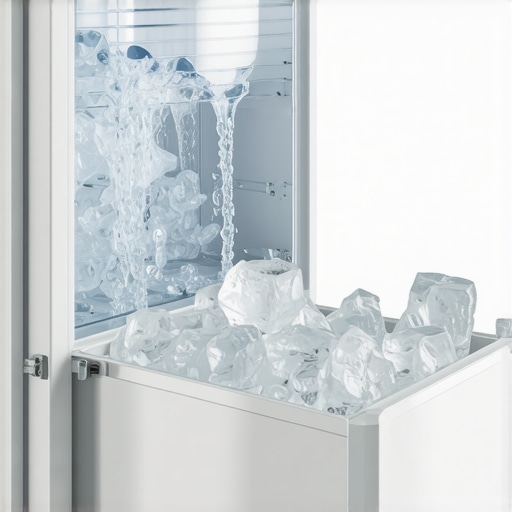
It was a chilly Saturday morning when I opened my freezer and noticed something strange—water pooling around the ice maker compartment. At first, I thought it was just a minor spill, but as the day went on, the leak persisted, and I realized I was dealing with a real headache. If you’ve experienced the frustration of discovering puddles beneath your fridge or water seeping into your frozen foods, you’re not alone. These leaks can seem like a small nuisance, but they often point to underlying issues that, if ignored, might lead to costly repairs or even appliance failure.
Why Your Ice Maker Might Be Leaking Into the Frozen Food Bin
Understanding the root causes of this common problem can save you time, money, and a lot of stress. In my case, I initially dismissed the leak as a quick fix, but I soon learned that there’s a lot more beneath the surface. A leaking ice maker isn’t just about a messy freezer; it can be an indicator of larger mechanical or plumbing issues that demand attention. According to recent research, improper maintenance and unnoticed small leaks can lead to mold growth and water damage, which are costly to repair and hazardous to health.
Thinking about ignoring the problem? Think again. Overlooking a leak might seem convenient in the moment, but it can escalate quickly. In this post, we’ll explore the common causes behind leaks and, more importantly, how to fix them before they turn into a major headache. If you’re tired of finding water in the strangest places, I’ve got some practical tips that worked for me—and they can work for you too.
Do you suspect your ice maker might be the culprit, yet you’re wary of tackling repairs on your own? Rest assured, I’ll guide you through easy, effective steps to diagnose and fix the issue. And if you’re unsure about what’s involved, reliable services like those described on [here](https://discountappliancehub.com/warranty-backed-appliance-services-you-can-rely-on) can provide trusted assistance.
Ready to tackle this leak head-on? Let’s dive into the common reasons your ice maker might be flooding the freezer and how you can correct the problem quickly and safely.
Isolate the Source of the Leak
Start by unplugging your freezer to prevent any electrical hazards — think of it as turning off the main water supply before fixing a leaky pipe. Remove any items blocking access to the ice maker and carefully examine the area for visible cracks, clogs, or pooling water. I once found a small crack in the water line that was creating a steady drip, which I fixed with a quick patch. Identifying where the water is coming from is crucial before proceeding to repairs.
Check and Clear the Water Supply Line
The water line supplies fresh water to your ice maker. If it’s clogged or frozen, water can leak or overflow into your freezer. Disconnect the line from the ice maker, then run water through it to check for blockages. Use a brush or compressed air to clear any debris or ice inside. During my repair, I used a small pipe cleaner to remove mineral build-up, restoring proper flow. Remember, a clogged line often causes leaks and ice production issues, so diligent cleaning is essential.
Replace Damaged Water Lines
If you find cracks or bulges, replacing the water line is the fastest fix. Use a compatible replacement hose—preferably Rigid metal or high-quality plastic tubing—and secure it tightly to prevent leaks. When I replaced my line, I ensured all fittings were tight and sealed with plumbing tape to avoid future leaks. For best results, consider consulting the manufacturer’s guide or contacting [trusted repair services](https://discountappliancehub.com/warranty-backed-appliance-services-you-can-rely-on) for professional assistance.
Inspect the Ice Maker Assembly
Sometimes, the ice maker itself may be faulty. Check for ice build-up, broken components, or misaligned parts. If the ice maker’s water inlet valve is defective, it may leak water into the freezer. To test this, turn the ice maker off and remove it carefully—using a flat-head screwdriver or a similar tool—and inspect inside. If necessary, replace the ice maker unit, which can be a straightforward process with the right parts. For quick and reliable replacements, look into [same-day service options](https://discountappliancehub.com/scheduling-your-appliance-repair-for-same-day-service-in-2025) guaranteed by professional technicians.
Adjust and Test the System
After repairs, reconnect the water supply and plug the freezer back in. Turn on the ice maker and observe for any leaks over the next few hours. Keep an eye out for pooling water or excess ice formation—these are signs of lingering issues. During my last fix, I noticed a tiny drip from the fitting, which I retightened, solving the problem instantly. This step ensures your repair was successful and prevents future leaks.
Prevent Future Leaks and Maintain Efficiency
Regularly check water lines for cracks and clean the ice maker components to prevent mineral buildup. Also, ensure the water pressure supplied to your ice maker doesn’t exceed manufacturer recommendations. Installing a water pressure regulator can save you from sudden leaks caused by high pressure. If you prefer to avoid these DIY fixes altogether, consider scheduling professional maintenance—[trusted repair services](https://discountappliancehub.com/fast-trustworthy-appliance-installation-near-you) can help maintain your appliance’s lifespan and prevent costly issues down the line.
Many homeowners assume that repair services and warranties are straightforward, but digging deeper reveals hidden nuances that can impact your satisfaction and savings. Contrary to popular belief, not all same-day repairs are equal—some technicians might offer quick fixes but cut corners on quality, leading to recurring problems. It’s a common myth that warranties cover everything; in reality, most have exclusions or fine print that can catch you off guard if you’re not vigilant. And when it comes to installation, many underestimate how improper setup can shorten an appliance’s lifespan or cause future malfunctions.
A trap many fall into involves relying solely on online reviews without verifying a service provider’s credentials. This oversight may seem harmless, but choosing unlicensed or uncertified technicians risks damage and voided warranties. For example, professional appliance installation requires precise measurements and adherence to manufacturer’s guidelines, which, if neglected, can lead to performance issues or safety hazards. To ensure peace of mind, always confirm that your service provider offers warranty-backed solutions, like those highlighted [here](https://discountappliancehub.com/warranty-backed-appliance-services-you-can-rely-on).
What surprises many is how the true quality of same-day service depends on more than just speed. Fast repairs might seem ideal, but if they lack comprehensive diagnostics or use inferior parts, you end up paying more over time. Expert technicians apply a detailed troubleshooting process, often including thorough system checks, as explained in our [comprehensive repair guides](https://discountappliancehub.com/expert-guide-to-appliance-repair-and-installation-today). Remember, a quick fix today could lead to costly breakdowns tomorrow.
An often-overlooked aspect is the importance of verifying a technician’s certification, especially for complex appliances. A properly certified tech ensures that repairs adhere to safety standards and manufacturers’ specifications. Additionally, understanding the scope of warranty coverage is vital; some warranties may not cover labor costs or certain parts, which can influence your decision to pursue repairs or replacements. [Reviewing top tip articles](https://discountappliancehub.com/top-tips-for-same-day-service-warranty-coverage) can help you navigate these intricacies.
Advanced homeowners are increasingly questioning the reliability of third-party parts used during repairs. While cost-effective, these parts sometimes compromise appliance longevity or void warranty protections. According to industry experts, sticking to OEM (original equipment manufacturer) parts, when possible, ensures compatibility and durability. If you’re hesitant, look for detailed warranty policies that clarify part coverage, or consult trusted professionals for genuine recommendations.
In sum, avoiding these common misconceptions requires a mix of cautious research and understanding the fine print. Don’t let the allure of quick fixes or superficial warranties lead you astray. Instead, focus on verifying credentials, understanding coverage, and choosing quality parts—these steps are crucial for long-term appliance health. Have you ever fallen into this trap? Let me know in the comments, and share your experiences. For more insights on ensuring reliable service and installations, explore our detailed guides, like [this expert resource](https://discountappliancehub.com/scheduling-your-appliance-repair-for-same-day-service-in-2025). Taking these precautions can save you money, time, and headaches down the line.Maintaining your appliances for long-term reliability requires more than just routine checks; it demands precise tools and methodical approaches tailored to each device. Personally, I rely heavily on a digital multimeter for electrical diagnostics, as it allows me to verify voltage and resistance in components like thermostats and timers with pinpoint accuracy. Additionally, a high-quality USB borescope has been invaluable for inspecting hard-to-reach areas, especially within sealed units like refrigerators and dishwashers, without disassembly. Using a digital contact cleaner spray on switches and relays prevents corrosion buildup that could cause intermittent failures. Over time, I’ve learned that combining these tools with an organized maintenance schedule significantly reduces unexpected breakdowns. Looking ahead, I foresee smart diagnostic apps integrating with appliance sensors, providing real-time wear assessments and predictive maintenance alerts—making appliance care more proactive than ever.
How do I keep my appliances running smoothly over time?
Regularly calibrate thermostats using a reliable infrared thermometer to ensure temperature accuracy, which is critical for energy efficiency and food safety. Also, invest in a quality drain cleaning system, such as a power auger, to clear clogs that can strain pumps and motors. For installation, choosing certified professionals ensures the setup is optimal and reduces future repair costs—consider scheduling your next service with experts who offer [warranty-backed services](https://discountappliancehub.com/warranty-backed-appliance-services-you-can-rely-on). To extend your appliance’s lifespan, adopting a detailed inspection routine that includes verifying door seals, inspecting power cords, and testing key electrical components can save you from costly emergencies. For more advanced tips, consult comprehensive guides like the one available [here](https://discountappliancehub.com/expert-guide-to-appliance-repair-and-installation-today). As technology continues evolving, staying informed about new diagnostic tools and software updates will keep your appliances performing at peak levels and help you avoid unnecessary replacements. So, why not try utilizing a borescope this week to perform a quick internal inspection of your refrigerator’s coils? It’s an eye-opening way to catch issues early!
Lessons That Changed My Approach to Appliance Fixes
One of the most valuable insights I gained was that small leaks often hide bigger issues, making proactive repair crucial. I used to ignore minor puddles, thinking they were harmless, but I learned that ignoring them can lead to mold, water damage, and costly repairs. The second lesson is never underestimate the power of proper diagnosis—pinpointing the source of a leak saves time and money. Third, investing in the right tools, like a quality multimeter and a borescope, turned my DIY fixes into success stories. Finally, I realized that trusting certified professionals and genuine parts ensures long-term reliability, giving me peace of mind. These lessons taught me that a systematic, cautious approach turns appliance repairs from a nightmare into a manageable project, and sharing this can help you avoid costly mistakes and unnecessary stress.