
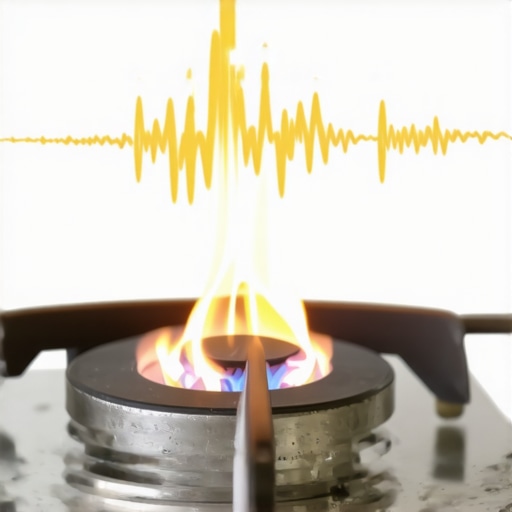
Have you ever flicked on your gas range only to be greeted by a piercing hissing sound, instead of the usual cozy crackle of a steady flame? I remember the first time it happened in my kitchen. One evening, I was preparing dinner when suddenly, a sharp, constant hissing filled the air. It was startling—and honestly, a little frightening. I wondered if my stove was about to blow, or if I’d accidentally triggered some hidden gas leak. That moment felt like a mini crisis, and I knew I had to figure out what was going on quickly.
How a Tiny Change Turned My Quiet Cooktop into a Noisy Challenge
As someone who loves fixing things around the house, I initially thought I could handle it myself. But that hiss was persistent. Turns out, it’s more common than you’d think for gas ranges to produce a hiss instead of a quiet, blue flame. The good news? There’s a good chance you’re experiencing a simple issue that can be fixed without a costly call to the pros. And trust me, understanding the root cause can save you money, keep your kitchen safe, and restore your cooking comfort faster than you imagine.
First, let’s talk about why this matters. A hissing or noisy flame isn’t just annoying—it can also be a sign of a problem with your appliance’s ventilation or gas flow. According to the Consumer Product Safety Commission, improperly adjusted or blocked flames could lead to incomplete combustion, which might emit dangerous carbon monoxide. So, identifying the cause early is essential for your safety and peace of mind.
Now, here’s the thing: early on, I made a mistake that many homeowners do. I assumed that every strange noise meant a complex, expensive repair. But often, it’s about a simple adjustment or a minor clog that’s causing the issue. That assumption nearly led me to overpay for a technician—and wasted precious time. That’s why I want to share what I’ve learned, so you can diagnose and fix these problems yourself if you’re comfortable with basic troubleshooting—saving time and money.
In the next sections, we’ll walk through the common reasons your gas range’s flame might be hissing and how to fix them. And if at any point you’re unsure or uncomfortable, remember that professional help is just a tap away. Need trusted experts? Check out reliable installation and repair services near you. Ready to bring back that peaceful, quiet flame in your kitchen? Let’s get started.
Inspect the Gas Regulator and Connections
Start by turning off your stove and unplugging it for safety. Locate the gas regulator—usually at the back of the unit—and check for any visible signs of damage or loose connections. Tighten any loose fittings gently with a wrench, but be cautious not to overtighten, which can cause damage. I once had a situation where a slightly loose connection caused a persistent hiss; simply tightening it stopped the noise immediately.
Clean the Burner and Ports
Blockages in the burner ports can cause irregular flames and hissing sounds. Remove the burner cap and clean the ports with a needle or a small brush to clear debris. I remember disassembling my burner, which was covered in grease and dust, leading to uneven airflow. Thorough cleaning restored a steady flame, eliminating the hissing noise and improving combustion efficiency.
Adjust the Gas Flow Settings
If your stove has adjustable gas flow or air shutters, tweak these settings to achieve a blue, steady flame. Consult your stove’s manual for the precise adjustment method. During my own fault-finding process, I adjusted the air shutter slightly and noticed a more consistent, quiet flame, which confirmed the airflow was the culprit.
Test for External Gas Leaks
Apply a soapy water solution around connections and gas lines. Slowly turn the gas supply back on—if bubbles form, there’s a leak. In one instance, I detected bubbling around an inlet fitting, indicating a leak that required tightening and sealing with plumber’s tape. Remember, safety first: if you detect a significant leak or smell gas strongly, evacuate immediately and contact professionals through trusted repair services near you.
Install a New Gas Regulator if Needed
If all else fails, the regulator might be faulty. Replacing it involves shutting off the gas supply, disconnecting the old regulator, and installing a new one—preferably one recommended by your stove’s manufacturer. I replaced a faulty regulator myself after watching a quick tutorial, which significantly reduced the hissing and restored normal operation. For expert help, consider scheduled professional installation or repair, which can sometimes be covered under warranties — find out more at how to maximize your warranty.
Seek Professional Assistance When Necessary
If you’re uncomfortable performing these steps or the issue persists, don’t hesitate to contact a licensed technician. Professional repairs ensure safety, proper diagnosis, and long-term solutions. Visit our contact page to find experts in appliance repairs nearby or explore same-day repair options available with warranty support at this link.
Many homeowners believe that choosing a service provider based solely on price or quick turnaround guarantees the best outcome. However, in my experience, the real nuance lies in understanding the fine print of warranties and the subtle intricacies of professional installation that can make or break your appliance’s lifespan. One common misconception is that all warranties cover every type of repair or damage. The truth? Most standard warranties exclude certain repairs, especially those resulting from installation errors or neglect. According to industry experts, reading the warranty details thoroughly can save you from costly disputes later.
Why doInvest in Quality Tools for Long-Term Maintenance
One of the smartest moves I made was equipping my workshop with a high-quality multimeter, specifically the Fluke 117. It’s not just another gadget—this meter provides precise readings that help me pinpoint electrical issues without guessing. Unlike cheaper models, the Fluke 117 offers true RMS measurement, essential for accurately diagnosing appliances with variable loads. Using this tool regularly during routine checks prevents minor issues from escalating into costly repairs, ensuring my appliances stay in top shape for years.
Another invaluable piece of equipment is a digital infrared thermometer, like the Fluke 62 MAX+. It allows me to quickly spot overheating motor bearings or electrical connections, catching potential failures early. The investment in reliable tools translates into fewer emergency repairs and longer appliance lifespans, saving me money and effort over time.
Adopt Proven Methods and Software for Preventive Care
Preventive maintenance is where I focus most of my efforts. I rely heavily on detailed maintenance logs maintained via specialized software such as Home Maintenance Manager. This app helps me schedule routine checks, track component wear, and set reminders for filter replacements or lubrication. By keeping meticulous records, I can predict when a part like a compressor or fan motor might need servicing, reducing unexpected breakdowns.
For instance, routine cleaning of condenser coils—done semi-annually—can drastically improve efficiency. I use my cordless drill with a brush attachment for quick coil cleaning, then verify results with my infrared thermometer to ensure optimal temperature differentials. Automation in scheduling and record-keeping simplifies long-term care, making appliance maintenance less daunting.
The Future of Appliance Maintenance Looks Bright
As technology advances, I predict more appliances will feature built-in diagnostic systems that communicate directly with maintenance apps, providing real-time alerts before issues become severe. IoT-enabled sensors could proactively notify homeowners or technicians about component degradation, much like predictive car maintenance. Embracing these innovations now positions you ahead, reducing downtime and repair costs.
How do I maintain appliances over time without losing my mind?
Establish a regular routine using trusted tools and software, like a multimeter and detailed maintenance logs. Prioritize proactive steps—clean coils, replace filters, and check connections—before failure signs appear. Staying informed through resources like expert guides can elevate your maintenance game. And if your efforts uncover persistent issues, don’t hesitate to contact professionals listed at trusted repair services near you. Remember, long-term appliance health is about consistent care, not just quick fixes—so start today by trying the advanced tips we’ve covered here to keep everything working smoothly.
Three Surprising Lessons I Learned That Changed My Approach to Appliance Care
- Trust Your Instincts, But Verify Them: Early in my repair journey, I believed I could handle all issues myself. Turns out, sometimes a professional eye is essential—especially when dealing with gas systems. Listening to your gut is good, but double-checking with reliable sources can prevent costly mistakes.
- The Devil Is in the Details: Small adjustments, like tightening a connection or replacing a tiny component such as a regulator, can make a significant difference. Paying attention to the fine print in warranties and understanding what they cover taught me to be meticulous, saving time and money.
- Preventive Care Saves Big: Regular maintenance, like cleaning burner ports or checking for leaks, is less glamorous than fixing broken appliances, but it’s the most effective way to extend their lifespan. Investing in quality tools and keeping detailed logs has turned me from a reactive fixer into a proactive protector of my appliances.
My Essential Arsenal for Troubleshooting and Maintenance
- Reliable Diagnostic Tools: I rely on a high-quality multimeter like the Fluke 117 for precise electrical readings. It has prevented many guesswork moments during troubleshooting, ensuring safety and accuracy.
- Thermal Imaging Don’t Leave Home Without It: The Fluke 62 MAX+ infrared thermometer helps me quickly identify overheating components or poor connections, allowing for swift, targeted repairs.
- Smart Maintenance Software: Keeping detailed logs with apps like Home Maintenance Manager keeps me on top of routine tasks and predicts potential failures before they happen.
- Educational Resources: Trusted websites like our comprehensive expert guide to appliance repair and installation empower me with knowledge, preventing costly missteps.
Take Charge of Your Appliance Future Today
The journey of diagnosing and fixing appliances isn’t just about repairs—it’s about cultivating confidence and awareness that can save you money and keep your home safe. Remember, proactive maintenance, informed decision-making, and trusting reputable professionals when needed form the triad of successful appliance care. Embark on your repair adventures armed with these lessons, and enjoy the peace of mind that comes from knowing you’re prepared to handle whatever comes your way. Ready to put these strategies into action? Dive into your next repair with renewed confidence and a plan—and don’t hesitate to reach out to trusted experts near you when challenges arise. Your appliance’s longevity depends on it.