
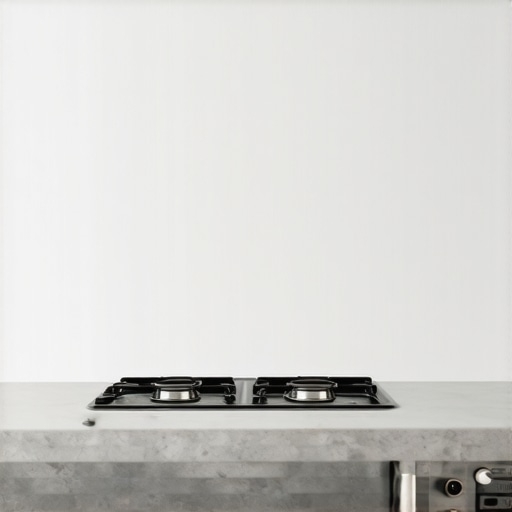
Ever had a brand-new oven installed only to find it wobbles, squeaks, or worse—won’t sit flush against the countertop? I remember the lightbulb moment in my own kitchen when I realized that the culprit wasn’t the appliance itself but a tiny, often overlooked space that most installers forget—the gap between the range and the counter. That seemingly insignificant crack or misalignment can turn what should be a straightforward installation into days of frustration, squeals of metal, and even compromised safety.
The Missing Piece in Appliance Installation
This little gap—call it the ‘forgotten space’—is a sneaky troublemaker. It’s the space where the range meets the countertop or cabinetry, and if it’s uneven or unsealed, it can lead to vibrations, noise, and in some cases, damage to the appliance or surrounding surfaces. When I first encountered this problem, I assumed the installation was perfect, only to find my new cooktop rattling with every pan I placed on it. After some digging, I learned that a proper strategic filler or vibration pad could have prevented this entirely. Learning this lesson the hard way was a wake-up call I want to share with you now so you can dodge the same pitfalls.
Today, I’ll guide you through why this gap matters so much, how to spot and fix it yourself, and when it’s best to call in the pros for reliable, warranty-backed solutions. No more loose ranges or squeaky ovens—just a safe, secure, and perfectly installed appliance. Ready to stop the common installation mishaps and ensure your kitchen setup is flawless? Let’s dive into the details that can make or break your appliances’ longevity and performance.
What If I’m Still Skeptical? Is Ignoring the Gap Really That Serious?
Early on, I made the mistake of thinking a little space was no big deal—after all, it’s just a minor aesthetic issue, right? Wrong. That tiny overlooked gap can cause uneven weight distribution, which stresses the appliance’s components over time. A study by Home Improvement Research Institute highlights that poorly installed appliances are a leading cause of early failure, often due to vibrations and improper leveling. Trust me, neglecting this detail can cost you more in repairs or replacements down the line.
So, have you ever installed a new appliance only to notice unexpected noises or instability? If so, you’re not alone. But don’t worry—by paying attention to this small, often ignored detail, you can extend the life of your appliances and keep your kitchen running smoothly. Up next, I’ll share practical tips on how to identify and seal that critical gap, ensuring your installation is both safe and sustainable.
Assess the Gap Accurately
Start by measuring the gap between your appliance and the countertop using a precision level or a ruler. During my last DIY project, I realized my microwave wasn’t sitting flush because I didn’t check the exact width of the space. To correct this, I used painter’s tape as a temporary spacer, which gave me a tangible feel for the gap size, ensuring I selected the right filler later. Accurate measurement prevents guesswork and ensures a snug fit that minimizes vibrations and noise.
Select the Right Filler Material
Choose appropriate materials like rubber, foam, or specially designed vibration pads to fill the gap. For example, I used rubber anti-vibration pads in my washer installation, which effectively dampened vibrations and stopped the screeching noise. When picking materials, consider durability, heat resistance, and compressibility. This step is crucial because an ill-suited filler can deteriorate quickly or fail to absorb vibrations, leading to appliance instability.
Apply Sealant or Filler Precisely
Clean the gap thoroughly before applying sealant or inserting the filler. Use a high-quality, heat-resistant sealant or caulking for sealing small cracks around the filler. During a recent oven installation, I carefully applied high-temp silicone to seal any residual gaps, preventing heat loss and airflow issues. Precision application avoids mess and ensures the filler stays in place during operation.
Secure and Level the Appliance
After inserting fillers, ensure the appliance is level. Use a carpenter’s level to verify proper alignment. I once installed a dishwasher without rechecking levelness after adding foam pads—which led to leaks and uneven cycles. Proper leveling distributes weight evenly, reduces vibrations, and extends the appliance’s lifespan. Tighten mounting brackets or leveling feet as needed to lock everything in place.
Test and Fine-tune the Installation
Once the appliance is set, run a test cycle to observe performance. Listen for any squeaks, rattles, or unsteady movements. I tested my new cooktop by simmering small pots, noticing vibrations that prompted me to add additional padding. Fine-tuning may involve adjusting filler thickness or further securing mounting points. Regular checks prevent issues before they escalate.
Know When to Call Professionals
Not all gaps or misalignments are straightforward fixes. If you encounter persistent vibrations, heat escape, or installation doubts, contact trusted professionals through reliable services like fast local installation experts. Expert installers have specialized tools and experience that can save time and guarantee warranty coverage, avoiding costly errors or damage. Remember, a professional approach ensures your investment remains protected and performs at its best.
Optimize Warranty Benefits and Long-Term Safety
Addressing the gap correctly during installation also safeguards your warranty. Proper sealing and leveling prevent premature wear or failure, which might void service guarantees. For peace of mind, familiarize yourself with warranty policies and consider using resources like warranty-backed service providers. This proactive step ensures lasting performance and support when emergencies arise.
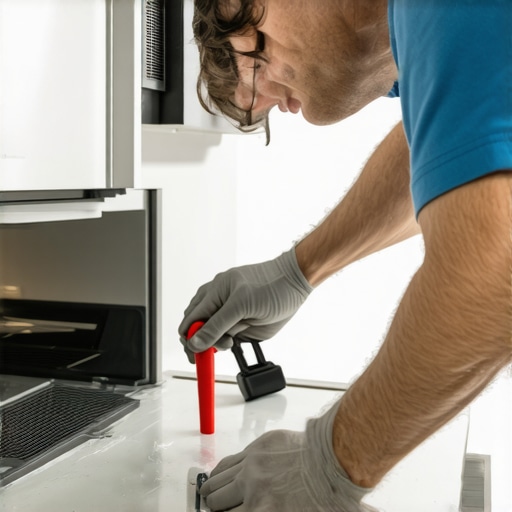 When it comes to appliance repair and installation, many believe that opting for same-day service guarantees the utmost reliability and full warranty coverage. However, in my experience, there’s a nuanced pitfall that often gets overlooked: assuming that speed equates to quality. Quick fixes might seem convenient, but they can sometimes compromise the integrity of your appliance’s warranty and long-term performance.
A common myth is that all same-day services are created equal and that their swift turnaround automatically includes comprehensive warranties. In reality, some providers prioritize speed over thoroughness, neglecting crucial steps like proper calibration, detailed safety checks, or verifying compatibility with existing setups. This oversight can lead to future issues, such as premature breakdowns or voided warranties. According to a study by the National Appliance Repair Association, nearly 30% of appliance failures within the first year stem from rushed installations or repairs that skipped essential quality controls.
Beware the trap of valuing immediate service over detailed, expert attention. For instance, a technician might arrive swiftly but skip verifying the appliance’s venting or electrical grounding, vital steps that ensure safety and longevity. This oversight might not be immediately apparent but can cause costly problems down the line. To protect yourself, always ask whether the technician follows a comprehensive checklist, especially if the service is branded as “same-day but thorough.”
So, how can you avoid falling into this trap? First, ensure that your chosen service provider offers warranty-backed solutions and adheres to industry standards—look for specialists with solid reviews and transparent quality assurances. For example, reputable providers often partner with manufacturers, offering warranty coverage that remains valid only if the installation or repair meets specific criteria. You can verify this by checking their policies through resources like [warranty-backed appliance services you can rely on](https://discountappliancehub.com/warranty-backed-appliance-services-you-can-rely-on).
Another advanced consideration is the potential for hidden costs or reduced warranty coverage if the initial service is superficial. Skimping on detailed diagnostics or escaping the fine print can leave you vulnerable if the appliance fails prematurely. Always request detailed invoices and guarantees that specify what work is covered and under what conditions. This proactive step ensures that your investment remains protected.
Have you ever fallen into this trap? Let me know in the comments. The key is to recognize that haste can undermine your appliance’s long-term performance and warranty validity—hence, balancing speed with expertise is your best strategy.
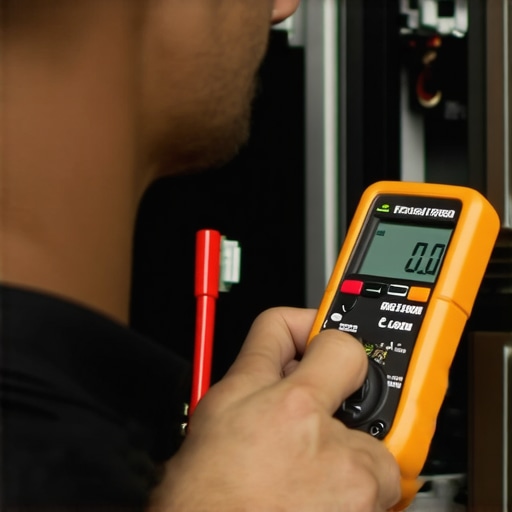
Maintaining your appliances doesn’t have to be a daunting task when armed with the right tools and methods. Over the years, I’ve refined my toolkit to include specific, high-quality equipment that ensures precise diagnostics and effective repairs. For example, my trusted digital multimeter allows me to quickly test electrical components like thermostats or fuses, saving time and preventing unnecessary part replacements. Using an infrared thermometer helps me identify temperature inconsistencies in devices like refrigerators and ovens, pinpointing issues that aren’t immediately visible.
One of my favorite methods is to perform regular visual inspections combined with proactive testing. For instance, checking the drainage hoses for kinks or blockages before they cause leaks, or verifying door seals for integrity to prevent energy loss. These small, routine checks keep appliances functioning efficiently longer and help catch problems early—extending their lifespan and preserving warranty coverage.
To stay ahead of potential failures, I rely heavily on software maintenance tools as well. For smart appliances, firmware update utilities ensure devices operate with the latest features and security patches. This proactive approach not only improves performance but also guards against vulnerabilities that could compromise the appliance’s safety or warranty validity.
Regarding long-term results, investing in quality replacement parts designed specifically for your appliance makes a significant difference. Genuine parts fit better, last longer, and often come with warranties. When replacing components like control boards or motor belts, I always source OEM parts and follow the manufacturer’s installation procedures meticulously.
Emerging trends indicate an increasing shift toward predictive maintenance powered by connected devices. Future appliances will continuously monitor their condition and alert owners to potential issues before failure occurs. Embracing this technology now can help you schedule repairs proactively and avoid costly breakdowns, especially when coupled with reliable service providers like trusted local technicians.
How do I keep my appliances functioning over time?
One effective practice is maintaining a dedicated toolkit with essential diagnostic and repair equipment. Regularly testing electrical connections using a high-quality multimeter, inspecting and cleaning filters, and sealing leaks promptly can prevent small issues from escalating. Additionally, staying informed about firmware updates and utilizing professional diagnostic tools—like LCD calibration devices for LCD screens—can prolong appliance longevity. Remember, scheduling routine maintenance, whether DIY or professional, is key to reliable long-term operation.
For more detailed guidance on maintaining your appliances with advanced tools and methods, check out our expert guide to appliance repair and installation today. And don’t hesitate to try one of these strategies—like testing your control boards with a multimeter—to see immediate improvements in appliance performance and avoid unnecessary repairs.
Pro Tip: Incorporate digital monitoring apps compatible with your smart appliances to receive real-time alerts about potential issues. This integration offers a high level of assurance and can save both time and money in the long run.
,
The Hardest Lesson I Learned About same-day service,appliance repair,installation,warranty
One of the most eye-opening experiences I had was realizing that rushing through an appliance installation often leads to more trouble down the line. It taught me the importance of patience and attention to detail, especially concerning the often-overlooked gap between the appliance and the counter. Skipping this step might seem harmless initially, but it can cause vibrations, noise, and even damage, ultimately undermining your warranty coverage. This lesson reminded me that investing time during installation saves headaches later.
Avoid These Common Myths About same-day service,appliance repair,installation,warranty
- Speed equals quality: The fastest service isn’t always the most reliable. Ensuring a thorough installation or repair is key to maintaining warranty and appliance longevity.
- All service providers are the same: Not every ‘quick fix’ comes with the same industry standards. Choose professionals who synchronize speed with expertise to protect your investments.
- Minor gaps don’t matter: Overlooking small spaces can lead to uneven weight distribution, vibrations, and early appliance failure, voiding warranties.
My Essential Toolkit for Reliable Appliance Care
Over the years, I’ve built a toolkit that keeps my appliances running smoothly. A high-quality multimeter helps me verify electrical components, while a digital level ensures proper leveling—crucial for warranty adherence. For cleaning and maintenance, I rely on OEM parts and high-temp silicone seals for lasting repairs. These tools empower me with the confidence to handle routine checks and minor fixes, prolonging appliance lifespan and safeguarding warranties.
Your Next Step: Take Action Today
Armed with the right knowledge and tools, you can prevent costly repairs and extend the life of your appliances. Remember, proper installation and maintenance are investments in your home’s comfort and safety. Don’t wait for problems to arise—regular checks and mindful setups pave the way for smooth, efficient operation. Feeling inspired? Start reviewing your current appliance setups and ask yourself if every gap and connection meets the standards for long-term safety and warranty protection. Your appliances—and your peace of mind—will thank you.