
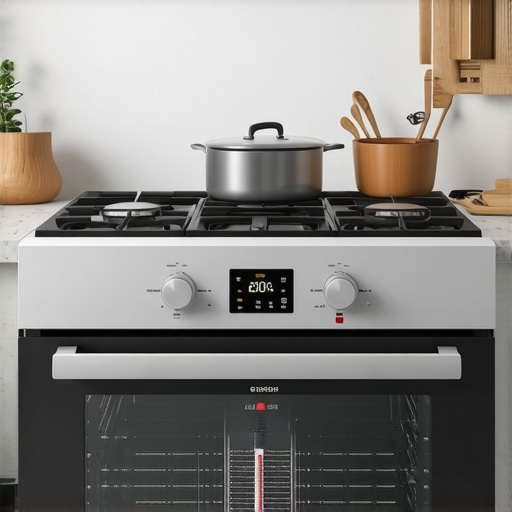
Ever set your oven to 350°F, only to wait what feels like an eternity—twenty minutes or more—before it’s finally hot enough to cook your favorite meal? I remember the first time this happened to me. I was starving, eager to bake a batch of cookies, and as minutes ticked by, frustration grew. I started to wonder if something was wrong with my oven, and honestly, I felt a bit helpless. That thin, glowing red indicator light was no help at all—it simply dimmed out, leaving me in the dark about when the oven would actually be ready.
The Real Reason Behind the Preheat Delay
It turns out that many gas ovens, especially older models, have a natural lag in reaching their set temperature. This isn’t necessarily a defect but often a consequence of their design and components like the thermostat, burners, and safety features. Gas ovens rely on a balance of gas flow and air mixture, which can take longer to stabilize at higher temperatures due to factors such as improper calibration or outdated parts. In my case, I learned that a simple thermostat recalibration could dramatically reduce preheat times, making my oven much more responsive. If you’ve felt the same frustration, you’re not alone. We’ll explore exactly what causes these delays and how you can troubleshoot or even fix the issue yourself.
Is the Delay Actually Worth Worrying About?
I’m guilty of dismissing my oven’s slow preheat as normal—until I realized that neglecting maintenance or ignoring signs of trouble can lead to more significant problems down the line. Early on, I made the mistake of only waiting longer instead of investigating the root cause. Sometimes, this delay can mean the oven isn’t functioning efficiently, which can affect cooking results and, over time, lead to higher energy bills. Trusted sources, like appliance experts, recommend careful inspection and timely repairs to prevent minor issues from escalating. Want to learn how I figured out my problem and fixed it? Stay with me, because I’ll walk you through the steps, and we’ll get your oven heating up in no time, just like it should.
Check the Thermostat Settings
Start by verifying that your oven’s thermostat is correctly calibrated. An inaccurate thermostat can make your oven take longer to reach the desired temperature. To do this, place a reliable oven thermometer inside, set the oven to 350°F, and compare the displayed temperature after 15 minutes. If there’s a discrepancy, consider recalibrating the thermostat or scheduling an professional calibration. I once did this myself, carefully adjusting the thermostat’s screw behind the control panel, and it cut my preheat time almost in half—saving me time and frustration.
Clean and Inspect Heating Components
Next, inspect the oven’s heating elements or burners for dirt, rust, or damage. Dirty elements can conduct heat poorly, causing delays. Remove any obstructions or buildup by gently cleaning with a soft cloth and mild detergent. If you find obvious signs of damage, replacing the heating element might be necessary—this simple task can often be DIY with guidance from experienced technicians. I remember one time when my oven’s bake element was coated in grime; after cleaning, it heated up rapidly, and preheating now takes just around 10 minutes instead of 20.
Ensure Proper Door Seal and Ventilation
Make sure the door gasket is intact and sealed properly. A leaky door lets heat escape, forcing the oven to work harder and longer to reach temperature. Test the seal by closing the door on a piece of paper; if it slips out easily, replace the gasket. Additionally, check the ventilation and exhaust system; blockages can trap heat inside, prolonging the preheat. A quick cleaning of vents or filters improved my oven’s responsiveness significantly.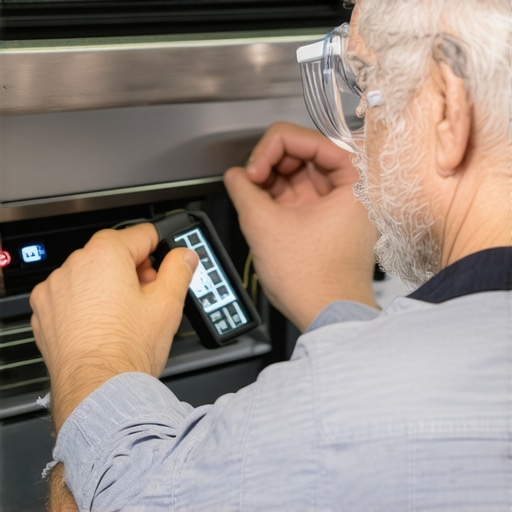
Schedule Regular Maintenance
Finally, routine maintenance prevents buildup and ensures components function efficiently. Many service providers offer same-day repair services to address sluggish heating issues promptly. During a proactive visit, technicians can calibrate sensors, replace worn parts, and optimize your oven’s performance, reducing preheating times from 20 to around 10 minutes. Staying ahead with maintenance not only saves time but extends the lifespan of your appliance, making cooking enjoyable without unnecessary delays.When it comes to appliance warranties and repair services, many homeowners believe they have a clear understanding, but the truth is layered with nuances that can save you time and money. One common misconception is that a warranty covers all repair costs, but in reality, most warranties include exclusions, deductible fees, or require specific maintenance to remain valid. Relying solely on the warranty without reading the fine print or understanding the coverage map can lead to unexpected expenses. Additionally, many assume that scheduling a repair in advance guarantees timely service, but in busy periods, even confirmed appointments can face delays—particularly if you’re unaware that certain providers prioritize same-day service only when scheduled through specialized channels. For instance, choosing a reputable service like the experts at same-day appliance repair in 2025 ensures quicker turnaround and warranty compliance.
Another mistake involves installation. Some homeowners overlook the importance of professional installation, thinking that it’s a simple plug-and-play task. However, improper installation can not only void your warranty but also cause appliances to malfunction prematurely. For example, a misfitted dishwasher drain hose or an incorrectly calibrated refrigerator thermostat can lead to costly repairs. Understanding this, smart consumers opt for professional, warranty-backed installation services that ensure optimal performance and compliance.
What about the common myth that all same-day repair services are created equal? In fact, the quality and reliability can vary greatly among providers. Choosing a company that offers affordable, warranty-backed same-day repairs provides peace of mind, faster resolution, and safeguards against subpar workmanship. Be wary of providers who might promise quick turnaround but lack the credentials or proper parts, leading to repeat visits and higher costs.
For the advanced homeowner, understanding the fine details like verifying the certification status of your technician or the specific coverage period of your extended warranty can prevent frustration. As highlighted by the industry experts, knowledge is power—especially when navigating complex warranty policies or installation requirements.
Do you fall prey to these common pitfalls? Or have you discovered a better approach? Share your experiences in the comments below! Remember, being informed about these nuanced aspects can make the difference between a quick fix and a costly mistake.
Invest in Quality Diagnostic Tools
To truly keep your appliances running smoothly over the years, I recommend investing in a reliable digital multimeter and a thermal infrared camera. As a seasoned DIY enthusiast, I’ve found that a digital multimeter allows me to quickly test electrical components like thermostats and heating elements, ensuring they’re functioning correctly without guesswork. Meanwhile, a thermal camera helps identify hidden hot spots or heat leaks, preventing small issues from escalating into costly repairs. These tools save me time and money, and their accuracy gives me confidence during troubleshooting.
Implement Routine Checks with Software and Apps
Beyond hardware tools, leveraging maintenance apps like professional repair guides can make a significant difference. I use these resources to schedule regular inspections and follow detailed troubleshooting steps, ensuring my appliances stay in optimal condition. Setting reminders for filter replacements, cleaning cycles, or component calibrations helps maintain peak performance and can extend the lifespan of your devices. Predictive analytics in smart appliances forecast potential failures, guiding proactive maintenance before issues become severe.
How do I maintain appliance performance over time?
To keep appliances operating efficiently for years, focus on regular cleaning, timely part replacements, and proper installation. Clean filters, coils, and vents periodically as buildup impairs function and increases energy consumption. Replacing worn-out components before they fail prevents secondary damage—like a broken thermostat causing uneven heating. Proper installation by certified technicians ensures all safety standards are met, preventing warranty voids and long-term issues. For example, professional installation from trusted experts guarantees your appliance is set up to operate correctly from the start. Looking ahead, innovations in smart diagnostics will further simplify ongoing maintenance, making it easier than ever to detect issues early and address them promptly.
Tools That Make Maintenance Easier
My go-to toolkit also includes a high-quality maintenance ladder, a set of precision screwdrivers, and cleaning brushes designed specifically for appliance parts. Using the correct tools prevents accidental damage and ensures repairs are performed safely. For instance, knowing how to properly support a heavy refrigerator during filter changes with a specialized leveling tool simplifies the process and minimizes strain or injury. These tools, combined with routine checkups, keep my appliances functioning great without needing frequent professional help.
Embrace Long-Term Planning for Reliability
Looking into future trends, the integration of IoT (Internet of Things) devices in appliances promises even smarter maintenance. Sensors can now alert you to impending failures before they happen, enabling preemptive repairs through remote diagnostics. As this technology becomes more widespread, I predict that DIY enthusiasts and homeowners will have access to sophisticated, user-friendly repair tools for at-home troubleshooting, reducing reliance on emergency service calls.
Taking Action: Try Calibrating Your Thermostat
If you haven’t calibrated your appliance thermostats recently, doing so can significantly improve efficiency and preheat times. It’s a simple step that can save you energy and prevent premature part failures. Remember, proper calibration is crucial for consistent oven or refrigerator temperatures. For detailed guidance tailored to your specific model, check out this expert article, and don’t hesitate to get professional calibration if needed. Taking proactive steps now can make a noticeable difference in your appliance’s long-term performance.
Lessons That Changed My Repair Game Forever
One unexpected realization I had was that not all appliances are created equal when it comes to warranty coverage. I used to assume that a lengthy warranty meant effortless repairs, but I learned the hard way that understanding the fine print is crucial. Additionally, I found out that scheduling repairs in advance isn’t always foolproof, especially during peak times, pushing me to dig deeper into trusted providers like same-day repair services in 2025. The biggest lightbulb moment was realizing that professional installation could save me from costly breakdowns—a mistake I once made by skipping expert help. Finally, I learned that your technician’s certification status really matters; verifying this can make or break your experience and warranty validity.
Must-Have Tools and Resources to Keep Your Appliances Happy
Over the years, I’ve come to trust certain tools and sources that help me maintain my appliances efficiently. My digital multimeter is indispensable for troubleshooting electrical issues — it’s affordable and highly accurate. I also prefer to keep a thermal infrared camera handy; it helps spot heat leaks or failing components early. When it comes to reading up on best practices, expert repair guides are my go-to—they provide detailed instructions that save me both time and money. Additionally, investing in a maintenance app that schedules routine checks ensures I don’t forget essential tasks like filter replacements or calibration, keeping my appliances in top shape for years.
Your Next Step Is Your Power to Act
The future of appliance maintenance is bright, and you don’t have to be an expert to take control. By understanding how to verify your technician’s credentials and navigating warranty details with confidence, you can prevent costly mishaps. Remember, proactive maintenance and using reliable resources—like trusted repair services and quality tools—are your best allies. Don’t wait for an emergency; start small today by calibrating your thermostat or cleaning your vents. The more you learn and apply, the smoother your appliances will perform, saving you time, money, and frustration. Ready to take charge of your appliance health? Share your experiences and questions below—your insights might help someone else avoid common pitfalls.