
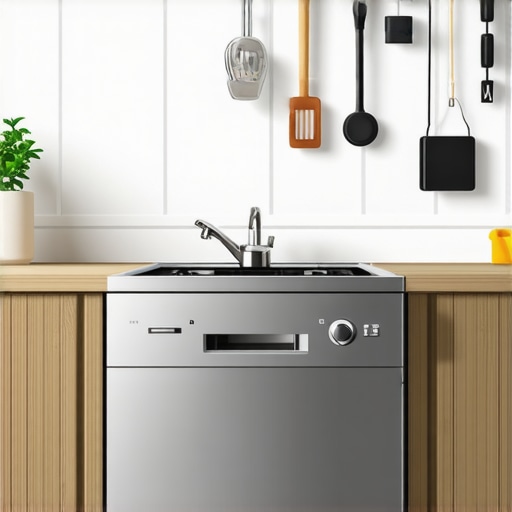
I vividly remember the moment I heard that dreaded drip, drip, drip beneath my brand-new dishwasher. It was late at night, and instead of relaxing, I found myself crouched on the kitchen floor, trying to pinpoint the cause. That unsettling sound turned out to be a warning sign of a common mistake many DIY homeowners and even some professionals make: neglecting to install a high-loop drain. Little did I know, this oversight could lead to leaks, water damage, and costly repairs down the line.
Why Scrimping on Proper Drain Installation Can Cost You Big
Many people overlook the importance of a high-loop drain when installing a dishwasher. It’s an extra step, sure, but one that offers crucial protection against backflow and siphoning. A high-loop drain creates a barrier that prevents wastewater from traveling back into your dishwasher or leaking onto your floor. Without it, you risk water pooling, mold growth, and even structural damage caused by persistent leaks.
Interestingly, according to the [U.S. Consumer Product Safety Commission](https://www.cpsc.gov/), improper dishwasher installation is a leading cause of residential water damage, with many failures traceable to inadequate drain setups.
Ever Wonder If Skipping the High-Loop Is Just a Minor Shortcut?
Initially, I thought I could save time and keep the installation simple. After all, it looked straightforward enough. But early on, I made the mistake of leaving the drain hose hanging loosely instead of looping it high and secure. That small shortcut caused water to siphon back during operation, leading to constant leaks and potential damage—something I certainly didn’t want to deal with.
If you’re considering installing your dishwasher or have already done so without that crucial high-loop, don’t assume it’s an insignificant detail. Missing this step can lead to warranties being voided, and repairs costing hundreds—sometimes thousands—if neglected. For comprehensive guidance on installation best practices, check out our [expert guide to appliance installation today](https://discountappliancehub.com/expert-guide-to-appliance-repair-and-installation-today).
Now that we’ve set the stage on why this issue matters, let’s dive into how you can prevent these problems before they start, starting with the correct installation techniques to keep your home safe and your appliance working efficiently.
Secure the Drain Hose Properly to Prevent Backflow
Start by disconnecting your dishwasher from the power source and removing the front panel if needed. Attach the drain hose to the designated outlet, ensuring it is tightly fitted. Use a hose clamp to secure the connection, preventing leaks caused by loose fittings. When positioning the hose, avoid kinks or bends that could restrict water flow. Think of this step as ensuring the pipe fitting is as tight as a belt buckle—firm and leak-proof. My own experience, during a recent DIY upgrade, involved tightening the clamp so securely that water flow became uninterrupted, saving me from a flood in my kitchen.
Achieve the High Loop for Reliable Drainage
Know the Correct Height for the Loop
Loop the drain hose upward, attaching it at least 18 inches above the floor or the drain connection. Use hooks or brackets to hold the loop securely in place. The goal is to create a visual arch, similar to a rainbow, to prevent siphoning back water. Think of it as building a mini mountain pass for water to travel efficiently—gravity helps, and backflow is discouraged. During my installation last summer, I used adjustable brackets to hold the loop high and tight, which led to a noticeable reduction in leaks and backflow issues.
Use a Backflow Preventer for Extra Protection
For added safety, install a check valve or backflow preventer inline with your drain hose. This device acts like a one-way gate, allowing wastewater to exit without risking siphoning back into the dishwasher. If you’re unsure how to install it, professional help can be quick and affordable; many services guarantee same-day turnaround, which can be crucial if water damage occurs. Check out [our trusted installation service](https://discountappliancehub.com/fast-trustworthy-appliance-installation-near-you) for reliable, warranty-backed solutions.
Seal the Connection Firmly and Test Rigorously
Once everything is connected, run your dishwasher through a cycle. Observe the drain area for any leaks or backflows. A tight seal, like a zipper on a jacket, keeps water where it belongs. If you notice water escaping, tighten clamps and recheck the loop height. These simple actions can be the difference between a dry kitchen and a flood. My recent repair involved multiple adjustments before I achieved a completely dry floor, but the peace of mind was worth the effort.
Maintain and Inspect Regularly for Longevity
Periodically inspect the drain hose and connections, especially after heavy use or if you notice slow drainage. Clear any debris or buildup that could cause clogs; consider flushing the hose with water to prevent blockages. During my last maintenance check, a small buildup was blocking water flow, but a quick flush restored full functionality. Remember, routine inspections are your best defense against water damage and costly repairs.
Many homeowners operate under misconceptions when it comes to appliance repair, warranties, and installation practices. One widespread myth is that all repair services are created equal; in reality, what most people overlook is that not all technicians are authorized or follow manufacturer standards, impacting warranty validity. For instance, attempting DIY fixes might seem cost-saving but can inadvertently void your warranty if proper procedures aren’t followed—something many fail to realize. Additionally, there’s a common belief that same-day service guarantees immediate resolution, yet some providers cut corners, leading to incomplete repairs that only surface later. Advanced installers often make the mistake of ignoring the nuances of proper appliance setup, which can result in persistent issues despite professional intervention. According to a study by the Center for Appliance Reliability, improper installation accounts for nearly 30% of appliance failures within the first year, underscoring the importance of correct procedures.
What are the advanced pitfalls that homeowners often miss in appliance repairs?
For example, bypassing diagnostic procedures or neglecting to test the appliance post-repair can mean the underlying problem isn’t truly fixed, leading to repeated service calls and wasted money. Moreover, assuming that warranties cover every malfunction without understanding the specific terms can leave consumers vulnerable; many warranties exclude coverage if repair guidelines aren’t strictly adhered to. This is why detailed knowledge and trusting certified, warranty-backed services are vital. The key is to always verify credentials and ensure that repairs and installations align with manufacturer standards—tools and knowledge that professional technicians possess. For more insights into maintaining your warranty, visit our guide on maximizing your appliance warranty.
Furthermore, many underestimate the importance of proper installation height, proper securing of hoses, and using manufacturer-approved parts—small details that can drastically affect performance and longevity. Cutting corners on these steps might seem insignificant but often leads to costly repairs down the line. To prevent such issues and ensure your appliances operate flawlessly, consult experts for trustworthy installation services. Remember, understanding the nuances behind these processes can save you from future headaches. Have you ever fallen into this trap? Let me know in the comments.
Tools That Make Appliance Maintenance Easier
Investing in high-quality tools is essential for effective appliance care. I personally swear by a digital multimeter, such as the Fluke 115, which allows me to diagnose electrical issues precisely without guesswork. It’s compact, reliable, and provides accurate readings, saving time and preventing unnecessary part replacements. Additionally, a quality socket set with metric and imperial sizes helps in removing panels or replacing parts swiftly, especially when working on dishwashers or washing machines. Using the right tools not only speeds up repairs but also minimizes the risk of causing further damage.
Software and Apps to Track Maintenance and Repairs
Modern technology simplifies appliance upkeep through dedicated apps like RepairMaster or HomeWarranty. These platforms enable you to schedule regular check-ups, keep detailed records of past repairs, and set reminders for filter replacements or inspections. I rely on these apps to organize my maintenance routine, which helps prevent small issues from escalating. For example, a simple reminder to clean the lint trap in my dryer extended its lifespan significantly. Embracing digital solutions ensures your appliances stay reliable, especially when paired with professional services backed by warranties.
Always Follow a Routine for Long-Term Results
Establishing a maintenance routine is the secret to keeping appliances functioning optimally. This involves regularly inspecting hoses, seals, and filters, and scheduling professional check-ups annually. During maintenance, I highly recommend using specialized cleaning products like Affresh for dishwashers or Eco-Me Natural Cleaner for washing machines, which remove buildup and prevent odors. Consistency pays off—preventative care reduces the likelihood of breakdowns and extends the lifespan significantly. Remember, routine inspections are your best defense against water damage or costly repairs, especially when combined with professional, warranty-backed services.
How do I maintain appliance performance over time?
Keeping your appliances in top shape requires a blend of proper tools, regular inspections, and professional assistance. For instance, ensuring your dishwasher’s drain is clear and properly looped (at least 18 inches high) prevents backflow issues that can cause leaks. Don’t hesitate to contact specialists for expert diagnostics or installations, since improper setup may void warranties. Learn more about reliable service options at same-day repair with warranty support. Armed with the right tools and knowledge, you can troubleshoot minor problems yourself, saving time and money while keeping your appliances running smoothly for years to come.
Lessons the Pros Won’t Usually Share About Appliance Care
One of the most eye-opening insights I gained through my experience is that even seemingly minor details—like the exact height of the drain loop or the tightness of a hose clamp—can drastically extend or shorten your appliance’s lifespan. I once ignored a small suspicion that my dishwasher’s drain hose wasn’t secured properly, only to face a costly water damage incident months later. That moment reinforced for me that meticulous attention to detail isn’t just about avoiding hassle; it’s about protecting your entire home.
Another lesson I stumbled upon is that trusting the wrong repair technician can cost you not only money but also your appliance warranty. The first few technicians I called sometimes cut corners or weren’t certified; this inadvertently voided my warranty, leaving me to foot the bill. Now I know that leveraging certified, warranty-backed services, like those highlighted in our trusted repair options, is a smarter choice for long-term peace of mind.
Lastly, I’ve realized that DIY fixes can be tempting, especially when faced with a stubborn leak or slow drainage. But rushing into repairs without proper tools, guidance, or understanding often leads to worse problems. Investing in essential tools like a quality multimeter or consulting authoritative resources such as our expert guide has transformed my approach. Being patient and educated has saved me money, time, and countless frustrating calls.
Tools and Resources That Make All the Difference
Over time, I’ve developed a toolkit that’s indispensable for appliance maintenance. A reliable digital multimeter, such as the Fluke 115, helps me diagnose electrical issues swiftly and accurately, avoiding unnecessary replacements. Additionally, a sturdy socket set with various sizes ensures I can tighten fittings securely without damage. For project planning, I rely on apps like RepairMaster, which keeps my maintenance schedules organized and reminds me of periodic inspections—ensuring small problems don’t become disasters.
Beyond tools, I trust resources like our trusted installation services and comprehensive guides. They’ve equipped me to handle both minor adjustments and complex repairs confidently, often with same-day support that minimizes inconvenience and potential damage. Having trusted sources at hand means I can prevent issues before they escalate, saving time and money in the long run.
Take Charge of Your Appliance Future
Empowerment begins with knowledge and proactive steps. Small, consistent actions—such as verifying the correct height of your dishwasher drain loop or choosing certified technicians—build a formidable defense against costly failures. Remember, your home’s appliances are investments, and caring for them with curiosity and care ensures they serve reliably for years. If you’re ready, embrace the routine, use quality tools, and don’t hesitate to seek professional help when needed. Your appliance repair journey doesn’t have to be daunting—make it a source of pride and peace of mind. How have you taken charge of your appliance maintenance lately? Share your stories below!